Mark S. Young – författare
Visar alla böcker från författaren Mark S. Young. Handla med fri frakt och snabb leverans.
16 produkter
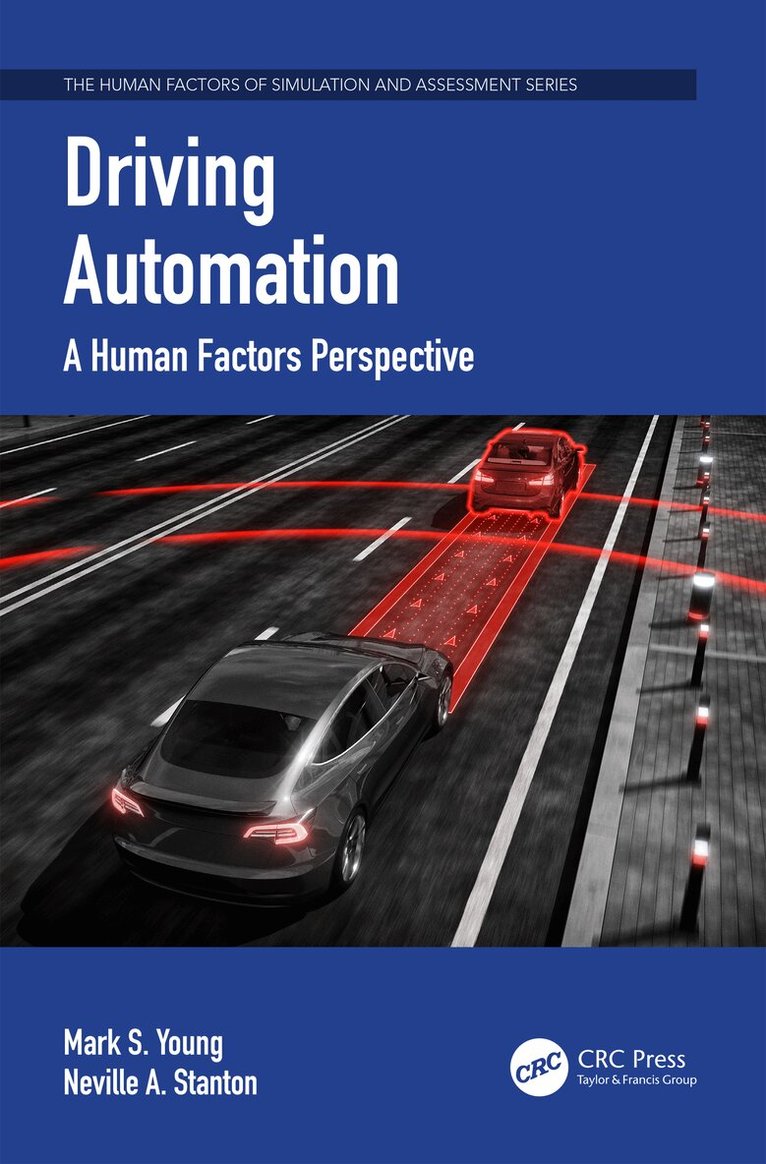
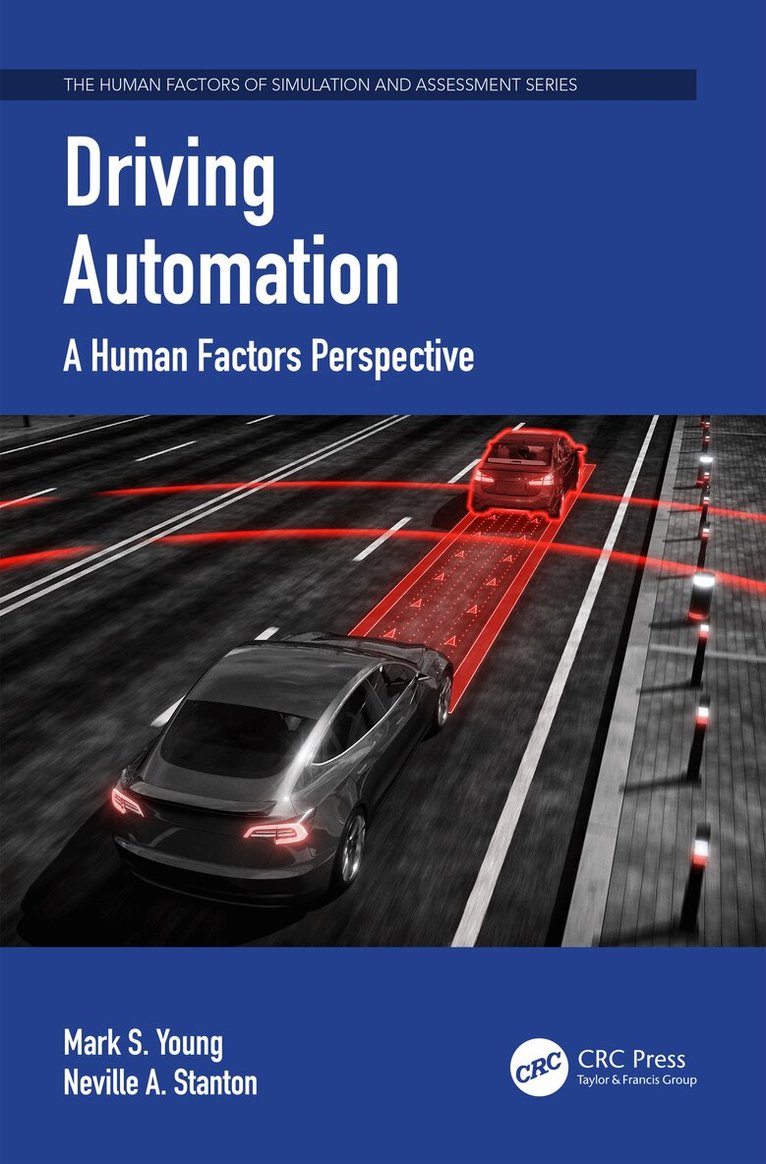
Driving Automation
A Human Factors Perspective
Av Mark S. Young, Neville A. Stanton
Inbunden, 2023
2132 kr
Lägg i varukorg
The technology behind self-driving cars is being heavily promulgated as the solution to a variety of transport problems including safety, congestion, and impact on the environment. This text examines the key role that human factors plays in driving forward future vehicle automation in a way that …
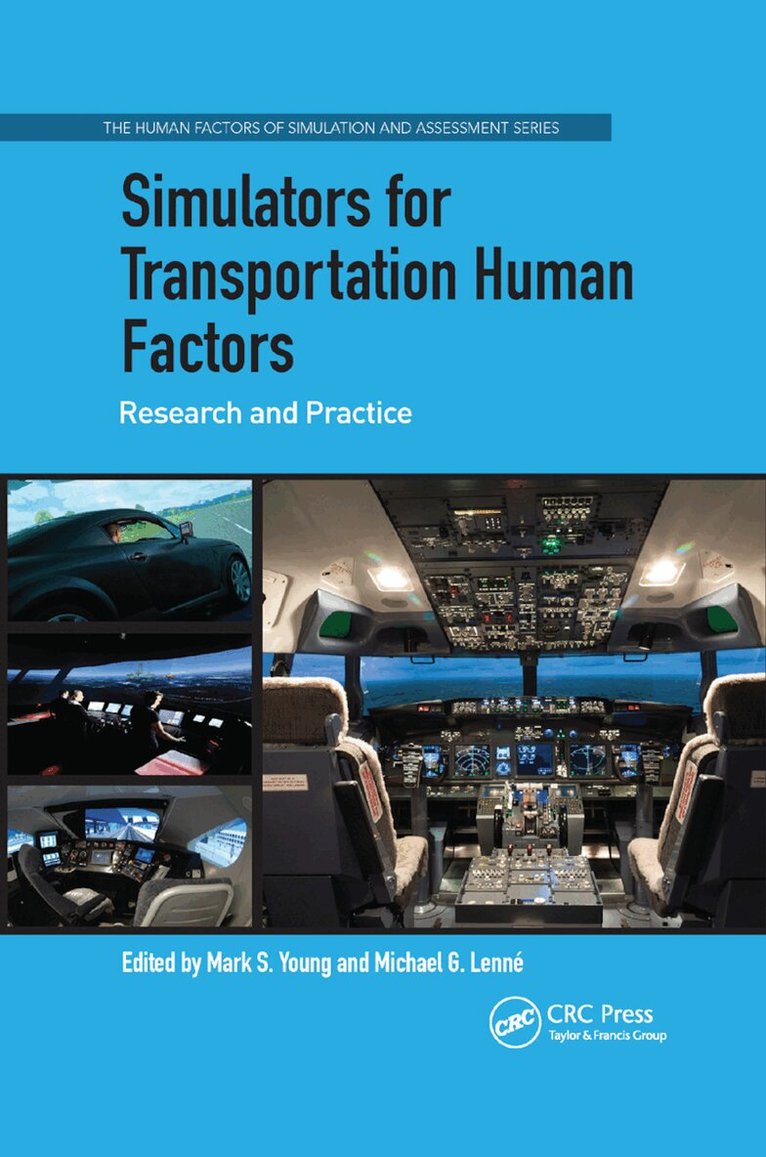
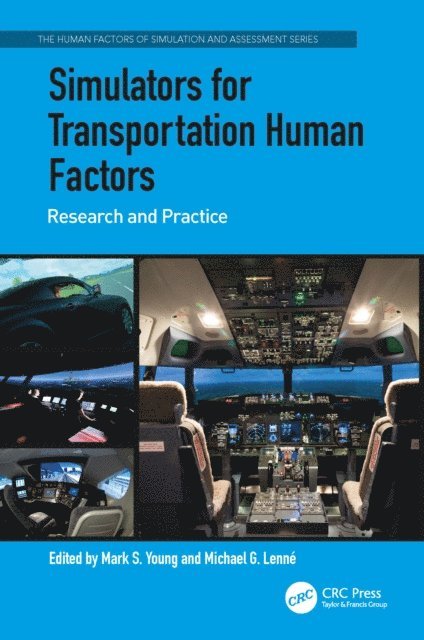
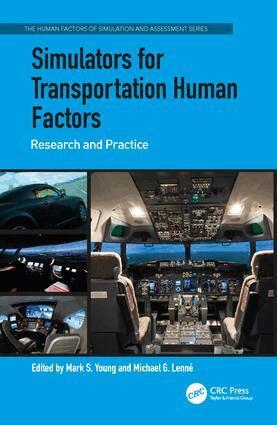
Simulators for Transportation Human Factors
Research and Practice
Av Mark S. Young, Michael G. Lenné
Häftad, 2019
967 kr
Lägg i varukorg
Simulation continues to be a growth area in transportation human factors. From empirical studies in the laboratory to the latest training techniques in the field, simulators offer myriad benefits for the experimenter and the practitioner. This book draws together current trends in research and …
Driving Automation
A Human Factors Perspective
Av Neville A. Stanton, Mark S. Young
E-bok, 2023
864 kr
Lägg i varukorg
The technology behind self-driving cars is being heavily promulgated as the solution to a variety of transport problems including safety, congestion, and impact on the environment. This text examines the key role that human factors plays in driving forward future vehicle automation in a way that …
Driving Automation
A Human Factors Perspective
Av Neville A. Stanton, Mark S. Young
E-bok, 2023
855 kr
Lägg i varukorg
The technology behind self-driving cars is being heavily promulgated as the solution to a variety of transport problems including safety, congestion, and impact on the environment. This text examines the key role that human factors plays in driving forward future vehicle automation in a way that …
Driving Automation
A Human Factors Perspective
Av Mark S. Young, Neville A. Stanton
Häftad, 2024
749 kr
Lägg i varukorg
The technology behind self-driving cars is being heavily promulgated as the solution to a variety of transport problems including safety, congestion, and impact on the environment. This text examines the key role that human factors plays in driving forward future vehicle automation in a way that …
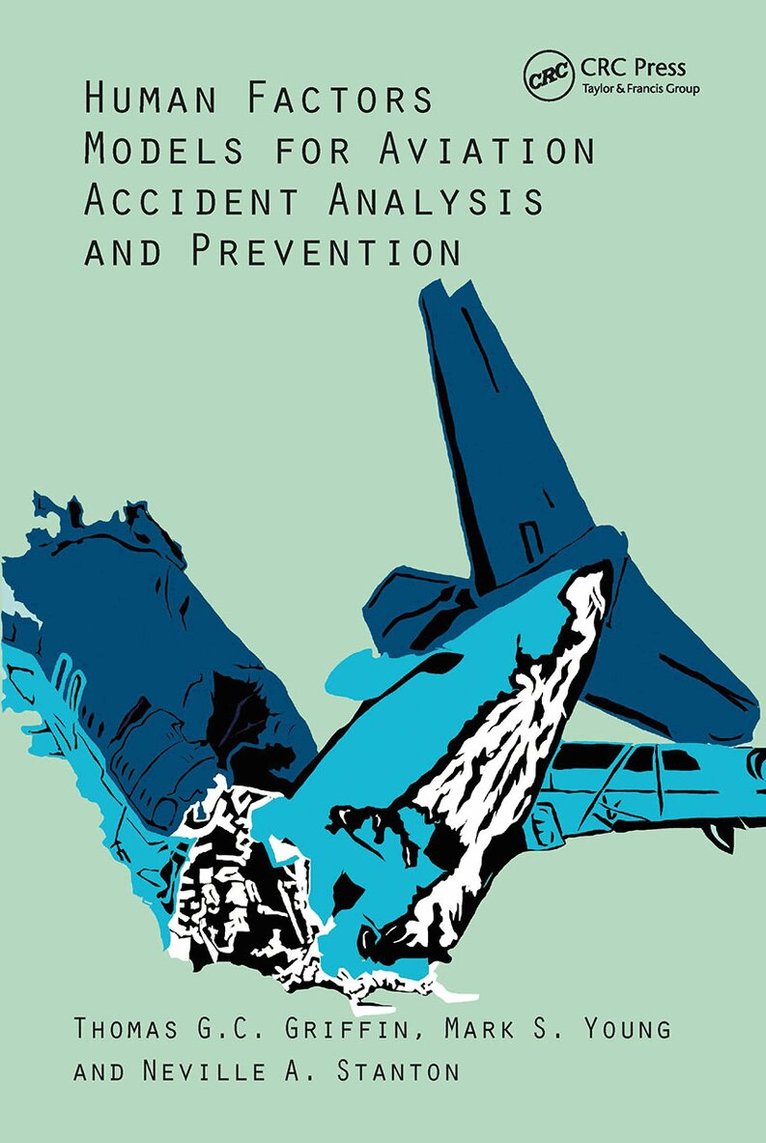
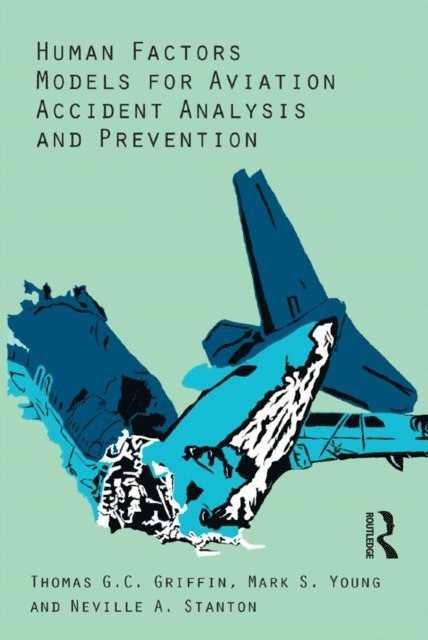
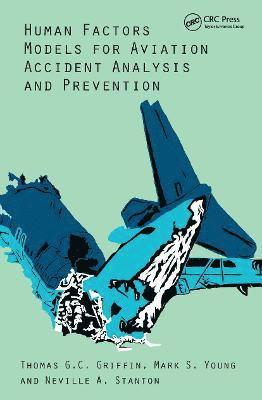
Human Factors Models for Aviation Accident Analysis and Prevention
Av Thomas G.C. Griffin, Mark S. Young m. fl.
Häftad, 2024
749 kr
Lägg i varukorg
The investigation and modelling of aviation accident causation is dominated by linear models. Aviation is, however, a complex system and as such suffers from being artificially manipulated into non-complex models and methods. This book addresses this issue by developing a new approach to …
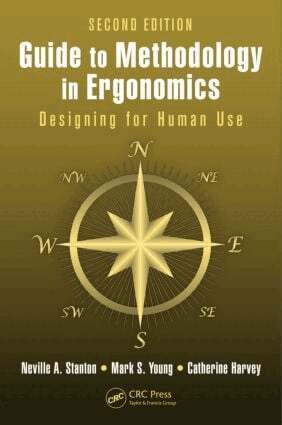
Guide to Methodology in Ergonomics
Designing for Human Use, Second Edition
Av Catherine Harvey, Mark S. Young m. fl.
E-bok, 2014
1169 kr
Lägg i varukorg
Packed with illustrations and practical examples, Guide to Methodology in Ergonomics: Designing for Human Use, Second Edition provides a concise introduction to ergonomics methods in a straightforward manner that helps you conduct an ergonomics analysis of a product in development. It details the …
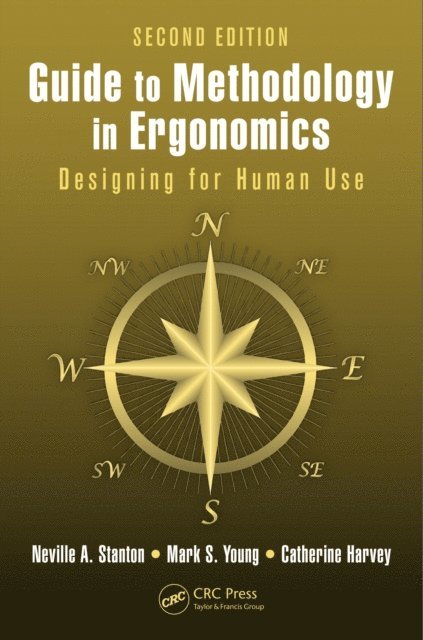
Guide to Methodology in Ergonomics
Designing for Human Use, Second Edition
Av Neville A. Stanton, Mark S. Young m. fl.
Inbunden, 2017
3427 kr
Lägg i varukorg
Packed with illustrations and practical examples, Guide to Methodology in Ergonomics: Designing for Human Use, Second Edition provides a concise introduction to ergonomics methods in a straightforward manner that helps you conduct an ergonomics analysis of a product in development. It details the …
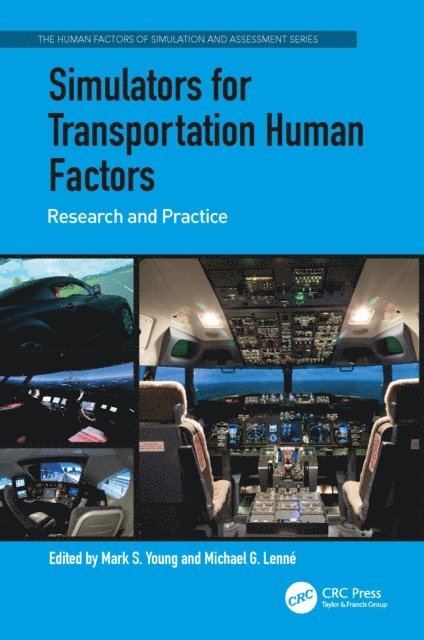
Simulators for Transportation Human Factors
Research and Practice
Av Michael G. Lenne, Mark S. Young
E-bok, 2017
915 kr
Lägg i varukorg
Simulation continues to be a growth area in transportation human factors. From empirical studies in the laboratory to the latest training techniques in the field, simulators offer myriad benefits for the experimenter and the practitioner. This book draws together current trends in research and …
Simulators for Transportation Human Factors
Research and Practice
Av Michael G. Lenne, Mark S. Young
E-bok, 2017
935 kr
Lägg i varukorg
Simulation continues to be a growth area in transportation human factors. From empirical studies in the laboratory to the latest training techniques in the field, simulators offer myriad benefits for the experimenter and the practitioner. This book draws together current trends in research and …
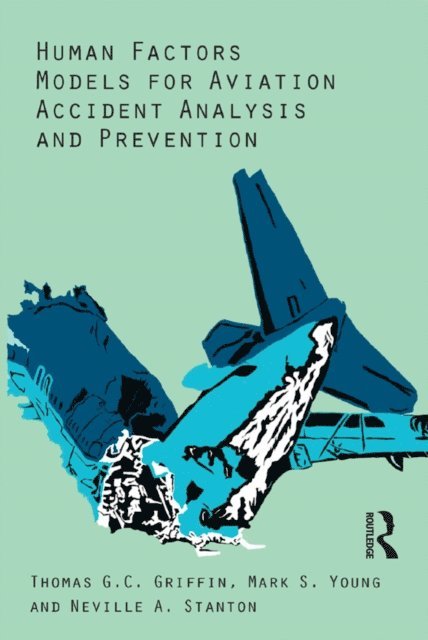
Human Factors Models for Aviation Accident Analysis and Prevention
Av Neville A. Stanton, Mark S. Young m. fl.
E-bok, 2017
883 kr
Lägg i varukorg
The investigation and modelling of aviation accident causation is dominated by linear models. Aviation is, however, a complex system and as such suffers from being artificially manipulated into non-complex models and methods. This book addresses this issue by developing a new approach to …
Human Factors Models for Aviation Accident Analysis and Prevention
Av Neville A. Stanton, Mark S. Young m. fl.
E-bok, 2017
883 kr
Lägg i varukorg
The investigation and modelling of aviation accident causation is dominated by linear models. Aviation is, however, a complex system and as such suffers from being artificially manipulated into non-complex models and methods. This book addresses this issue by developing a new approach to …
Guide to Methodology in Ergonomics
Designing for Human Use, Second Edition
Av Neville A. Stanton, Mark S. Young m. fl.
Häftad, 2014
1011 kr
Lägg i varukorg
Packed with illustrations and practical examples, Guide to Methodology in Ergonomics: Designing for Human Use, Second Edition provides a concise introduction to ergonomics methods in a straightforward manner that helps you conduct an ergonomics analysis of a product in development. It details the …
Guide to Methodology in Ergonomics
Designing for Human Use, Second Edition
Av Catherine Harvey, Mark S. Young m. fl.
E-bok, 2014
1195 kr
Lägg i varukorg
Packed with illustrations and practical examples, Guide to Methodology in Ergonomics: Designing for Human Use, Second Edition provides a concise introduction to ergonomics methods in a straightforward manner that helps you conduct an ergonomics analysis of a product in development. It details the …
Simulators for Transportation Human Factors
Research and Practice
Av Mark S. Young, Michael G. Lenné
Inbunden, 2017
2510 kr
Lägg i varukorg
Simulation continues to be a growth area in transportation human factors. From empirical studies in the laboratory to the latest training techniques in the field, simulators offer myriad benefits for the experimenter and the practitioner. This book draws together current trends in research and …
Human Factors Models for Aviation Accident Analysis and Prevention
Av Thomas G.C. Griffin, Mark S. Young m. fl.
Inbunden, 2015
2132 kr
Lägg i varukorg
The investigation and modelling of aviation accident causation is dominated by linear models. Aviation is, however, a complex system and as such suffers from being artificially manipulated into non-complex models and methods. This book addresses this issue by developing a new approach to …