Mark Shuttleworth - Böcker
Visar alla böcker från författaren Mark Shuttleworth. Handla med fri frakt och snabb leverans.
6 produkter
6 produkter
673 kr
Skickas inom 10-15 vardagar
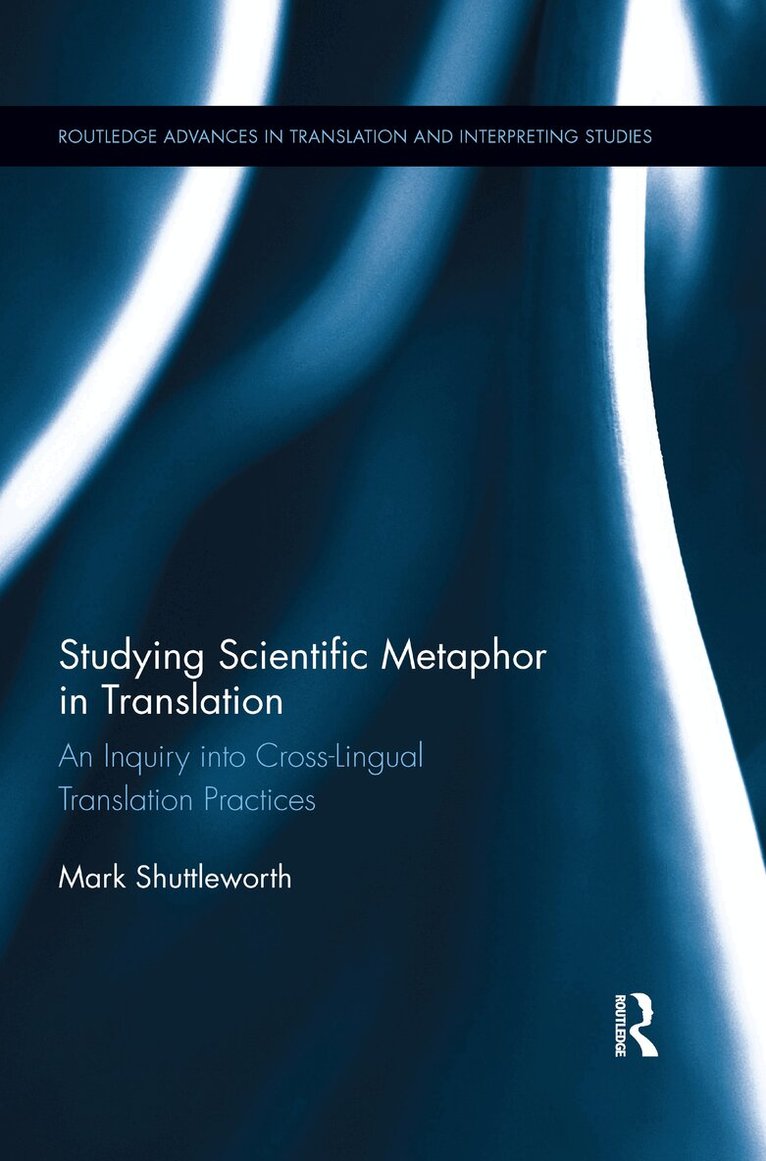
Studying Scientific Metaphor in Translation presents a multilingual examination of the translation of metaphors. Mark Shuttleworth explores this facet of translation and develops a theoretically nuanced description of the procedures that translators have recourse to when translating metaphorical language. Drawing on a core corpus consisting of six Scientific American articles in the fields of neurobiology and biotechnology dating from 2004, along with their translations into Chinese, French, German, Italian, Polish and Russian, Shuttleworth provides a data-driven and theoretically informed picture of the processes that underpin metaphor translation. The book builds interdisciplinary bridges between translation scholars and metaphor researchers, proposes a new set of procedures for metaphor translation conceived within the context of descriptive translation studies, and puts forward a possible resolution to the debate on metaphor translatability.
1 950 kr
Skickas inom 10-15 vardagar
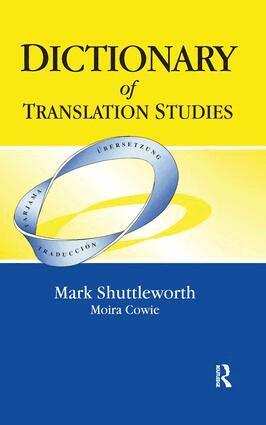
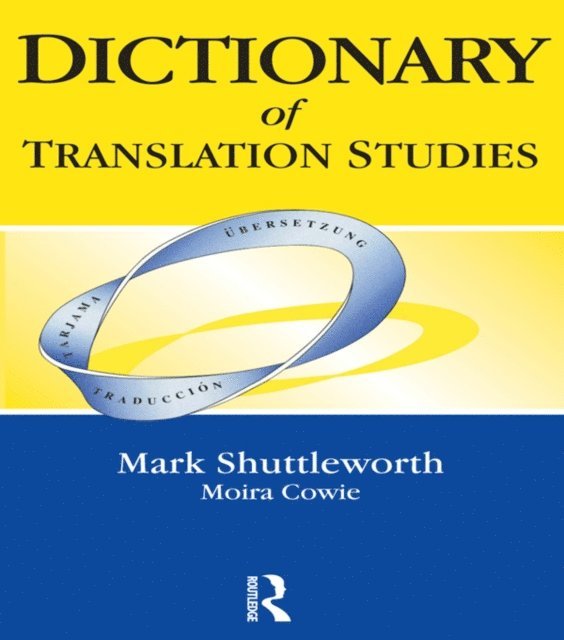
Published at a time of unprecedented growth of interest in translation, the Dictionary of Translation Studies aims to present the insights of a number of different approaches to translation in an unbiased, non-partisan way. With more than 300 articles, this essential volume provides the reader with a snapshot of a rapidly developing discipline, based on work produced in serveral languages.With a clear, easy-to-follow layout, the Dictionary provides a comprehensive and highly accessible survey of key terms and concepts (such as Abusive Translation, Equivalence, Informationsangebot, Minimax Principle, Texteme and Thick Translation), types of activity (Autotranslation, Dubbing, Signed Language Interpreting), and schools and approaches (Leipzig School, Manipulation School, Nitra School).Each term is presented within the context in which it first occurred and is given a definition which is both clear and informative. Major entries include a discussion of relevant viewpoints as well as comments on how the usage and application of the term have developed subsequent to its coining. In addition, all entries provide suggestions for further reading, and there is an extensive bibliography included at the end.This is an indispensable tool for anyone studying or teaching translation at university level.
3 269 kr
Skickas inom 10-15 vardagar
Studying Scientific Metaphor in Translation presents a multilingual examination of the translation of metaphors. Mark Shuttleworth explores this facet of translation and develops a theoretically nuanced description of the procedures that translators have recourse to when translating metaphorical language. Drawing on a core corpus consisting of six Scientific American articles in the fields of neurobiology and biotechnology dating from 2004, along with their translations into Chinese, French, German, Italian, Polish and Russian, Shuttleworth provides a data-driven and theoretically informed picture of the processes that underpin metaphor translation. The book builds interdisciplinary bridges between translation scholars and metaphor researchers, proposes a new set of procedures for metaphor translation conceived within the context of descriptive translation studies, and puts forward a possible resolution to the debate on metaphor translatability.
410 kr
Skickas inom 10-15 vardagar
Published at a time of unprecedented growth of interest in translation, the Dictionary of Translation Studies aims to present the insights of a number of different approaches to translation in an unbiased, non-partisan way. With more than 300 articles, this essential volume provides the reader with a snapshot of a rapidly developing discipline, based on work produced in serveral languages.With a clear, easy-to-follow layout, the Dictionary provides a comprehensive and highly accessible survey of key terms and concepts (such as Abusive Translation, Equivalence, Informationsangebot, Minimax Principle, Texteme and Thick Translation), types of activity (Autotranslation, Dubbing, Signed Language Interpreting), and schools and approaches (Leipzig School, Manipulation School, Nitra School).Each term is presented within the context in which it first occurred and is given a definition which is both clear and informative. Major entries include a discussion of relevant viewpoints as well as comments on how the usage and application of the term have developed subsequent to its coining. In addition, all entries provide suggestions for further reading, and there is an extensive bibliography included at the end.This is an indispensable tool for anyone studying or teaching translation at university level.
1 741 kr
Skickas inom 10-15 vardagar
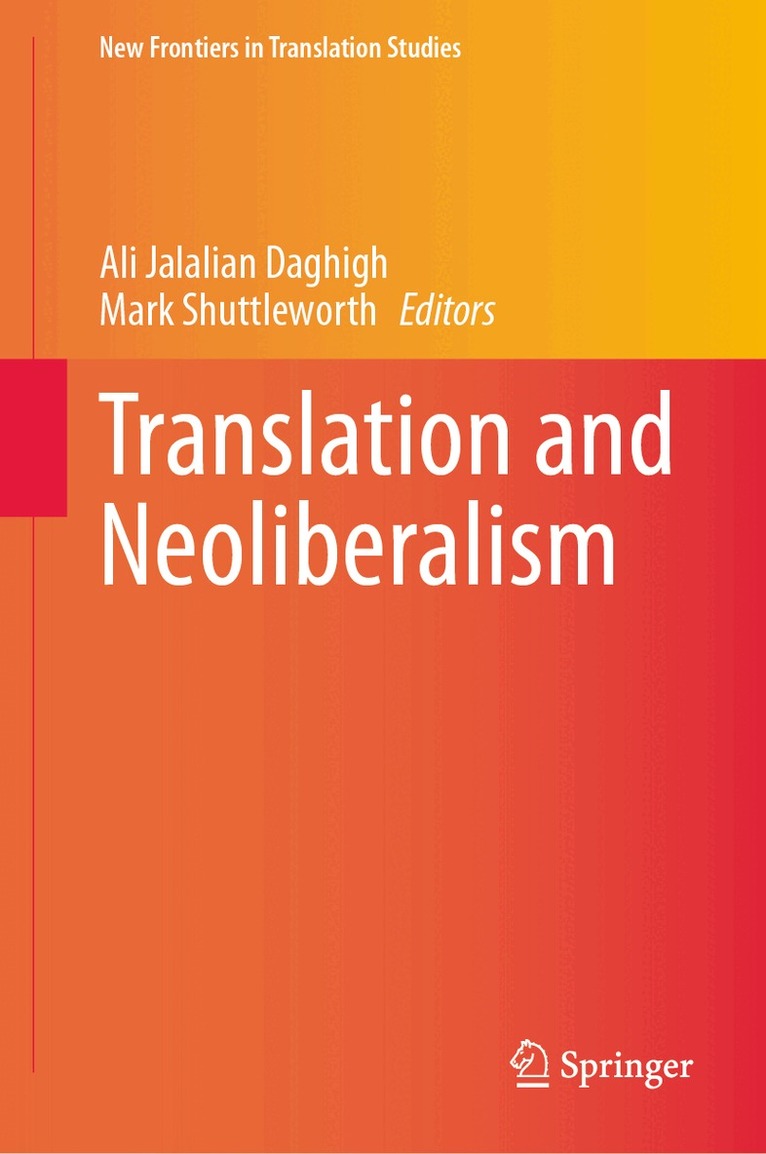
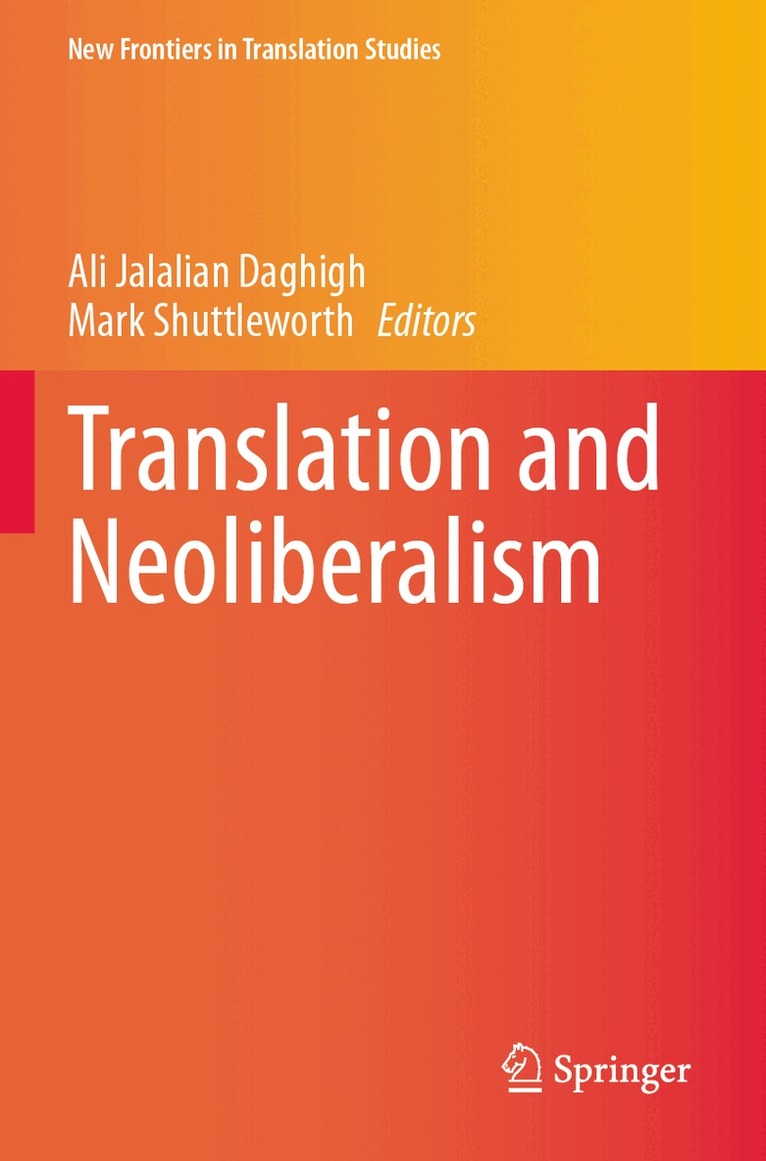
This book explores the intersections of neoliberalism, translation, and interpreting, a scarcely explored topic in the field of translation studies across diverse regions, including Europe, North America, Asia, and Australia, covering four primary themes that offer unique perspectives on how neoliberal ideologies influence translation and interpreting. The first theme uses data triangulation to delve into the influence of market-driven ideologies on translation and interpreting curriculum globally as well as the neoliberal tendencies of the trainees in China and Korea. The second theme investigates the effects of top-down neoliberal policies on translation services and practices in Australia, Canada, and the UAE, examining how these policies influence service quality, working conditions, and the balance between market demands and academic requirements. The third theme assesses the influence of technology and neoliberalism on the translation and interpreting labor market, providing a critical analysis of the automation of translation workflows, the rise of non-standard employment arrangements, and the socio-economic challenges faced by translation professionals. The final theme analyzes the intersection of neoliberalism and translation at the discourse level, employing various approaches including critical discourse analysis and content analysis to explore how neoliberal values manifest in translated texts and practices in China, Iran, and USA. This book is an essential resource for academics, postgraduate students, researchers, policymakers, educators, and practitioners interested in the dynamic interplay between neoliberalism and translation, offering new insights and critical perspectives that contribute to a deeper understanding of the socio-economic forces shaping the field of translation and interpreting.
1 643 kr
Skickas inom 10-15 vardagar
This book explores the intersections of neoliberalism, translation, and interpreting, a scarcely explored topic in the field of translation studies across diverse regions, including Europe, North America, Asia, and Australia, covering four primary themes that offer unique perspectives on how neoliberal ideologies influence translation and interpreting. The first theme uses data triangulation to delve into the influence of market-driven ideologies on translation and interpreting curriculum globally as well as the neoliberal tendencies of the trainees in China and Korea. The second theme investigates the effects of top-down neoliberal policies on translation services and practices in Australia, Canada, and the UAE, examining how these policies influence service quality, working conditions, and the balance between market demands and academic requirements. The third theme assesses the influence of technology and neoliberalism on the translation and interpreting labor market, providing a critical analysis of the automation of translation workflows, the rise of non-standard employment arrangements, and the socio-economic challenges faced by translation professionals. The final theme analyzes the intersection of neoliberalism and translation at the discourse level, employing various approaches including critical discourse analysis and content analysis to explore how neoliberal values manifest in translated texts and practices in China, Iran, and USA. This book is an essential resource for academics, postgraduate students, researchers, policymakers, educators, and practitioners interested in the dynamic interplay between neoliberalism and translation, offering new insights and critical perspectives that contribute to a deeper understanding of the socio-economic forces shaping the field of translation and interpreting.