Mark Starik - Böcker
Visar alla böcker från författaren Mark Starik. Handla med fri frakt och snabb leverans.
8 produkter
8 produkter
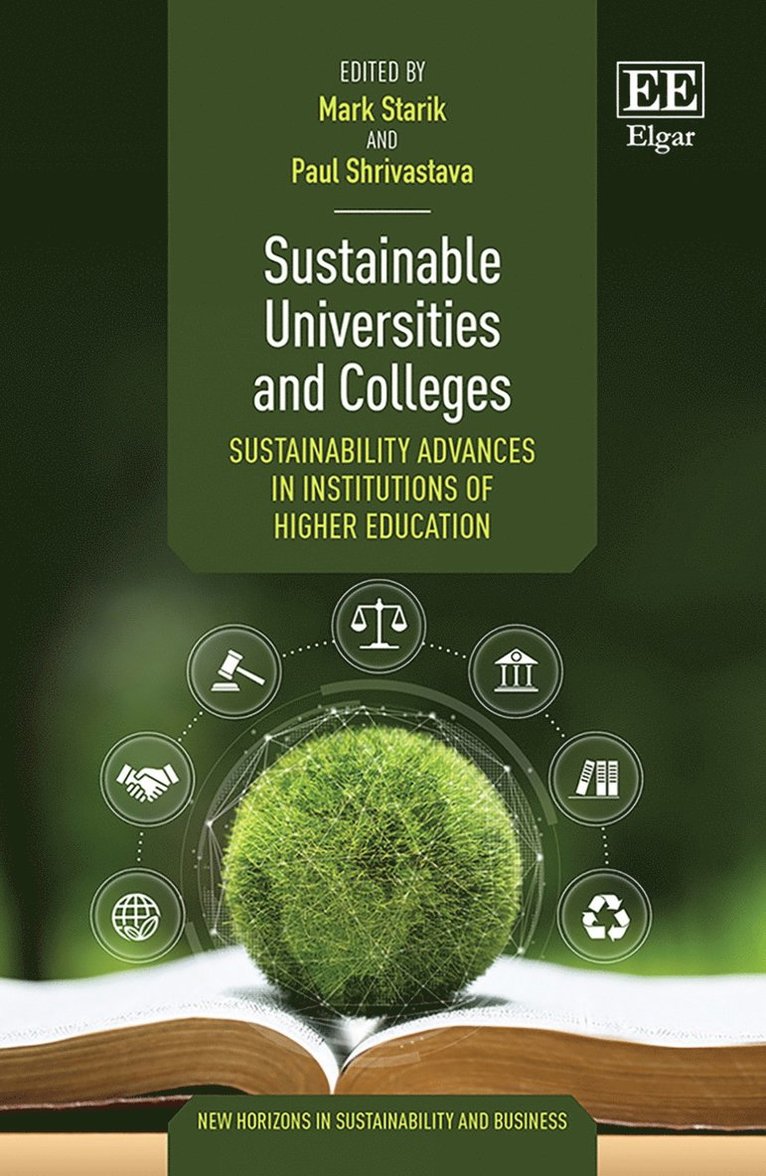
Sustainable Universities and Colleges
Sustainability Advances in Institutions of Higher Education
Inbunden, Engelska, 2024
1 858 kr
Skickas inom 7-10 vardagar
This book provides a set of decision and organizational models for the advancement of sustainability in higher education. International authors present how universities and colleges have attempted to advance sustainability both within and outside of their institutions, and how institutions of higher education can continue to upgrade those efforts to help lead societies toward greater sustainability in the future.Transdisciplinary in scope, this book emphasizes the need for universities to advance both environmental and socio-economic sustainability, specifically by utilizing five key higher education functions: research, operations, outreach, teaching and stakeholder interactions. Authors explain how higher education institutions have the knowledge, legitimacy, and resources to make significant impacts on individuals and systems in their respective communities. They discuss the evolving nature of sustainability education in its movement away from anthropocentrism toward forward-thinking ecocentrism, with increased recognition of indigenous worldviews. Examining various avenues for innovation, authors dissect issues such as infrastructure, research and curriculum integration, and internal and external community engagement, and explore how sustainable solutions require commitment on all levels, and in all disciplines.This book is a crucial resource for students and academics in management and sustainability and management and universities. It is also an inspiring read for university and college stakeholders including sustainability officers and staff and administrators.
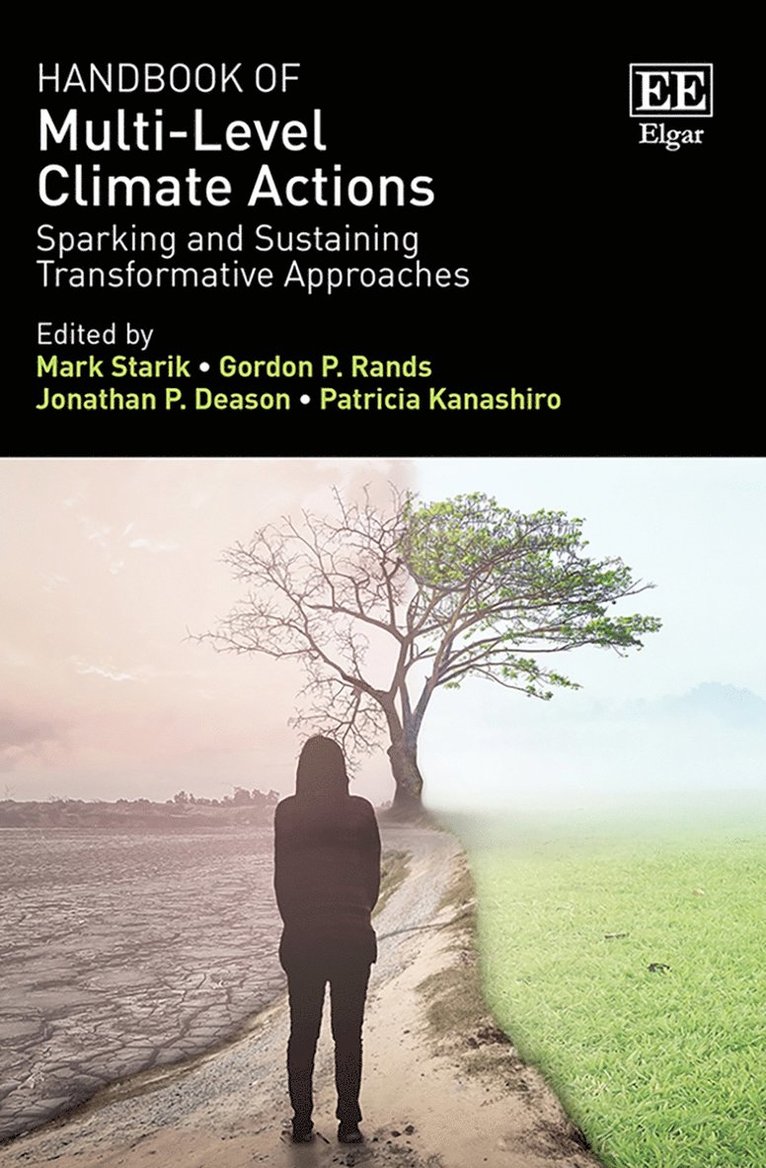
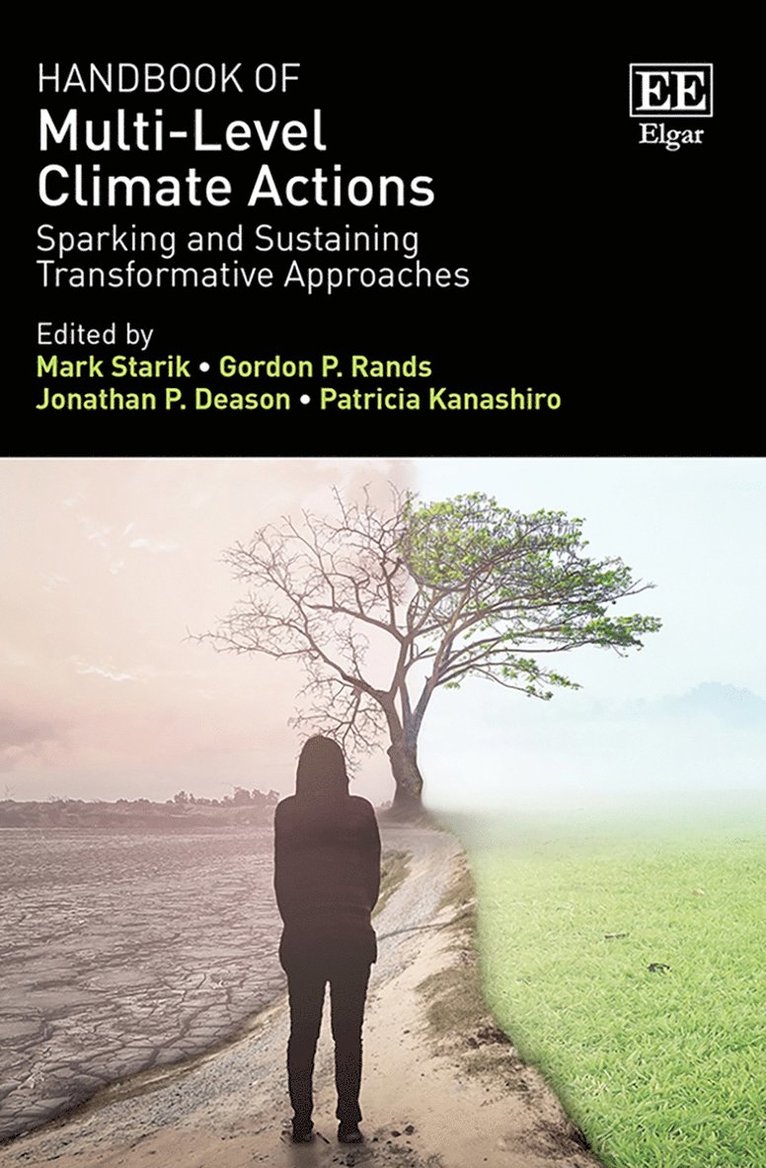
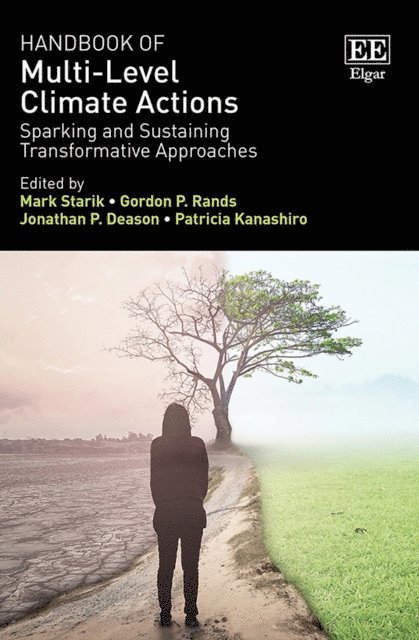
Handbook of Multi-Level Climate Actions
Sparking and Sustaining Transformative Approaches
Häftad, Engelska, 2024
691 kr
Skickas inom 7-10 vardagar
The Handbook of Multi-Level Climate Actions emphasizes the need for significant climate action by every capable person on the planet at multiple levels of human experience and society. This includes individuals/households, formal and informal groups, organizations/communities, from local to global, and all levels of businesses, governments, and nonprofit organizations. It highlights the many ways that our species can meet the climate crisis and how entities at every level of human experience are, could be, and should be developing and implementing climate solutions, including those advancing energy efficiency, renewable energy utilization, and nature’s ability to sequester carbon.Nearly two dozen knowledgeable, caring, and active authors, representing both academics and practitioners, from multiple countries and disciplines, have risen to the challenge of attempting to motivate as many people as possible to take whatever actions they can as urgently as possible, to ensure that future generations of both humans and non-humans on this planet will have a sustainable climate that meets their on-going needs.This Handbook is an important work for scholars and practitioners working in the realm of environmental and climate issues, sustainability and CSR. It provides a comprehensive exploration of the current global situation, while also inspiring immediate action and forward thinking.
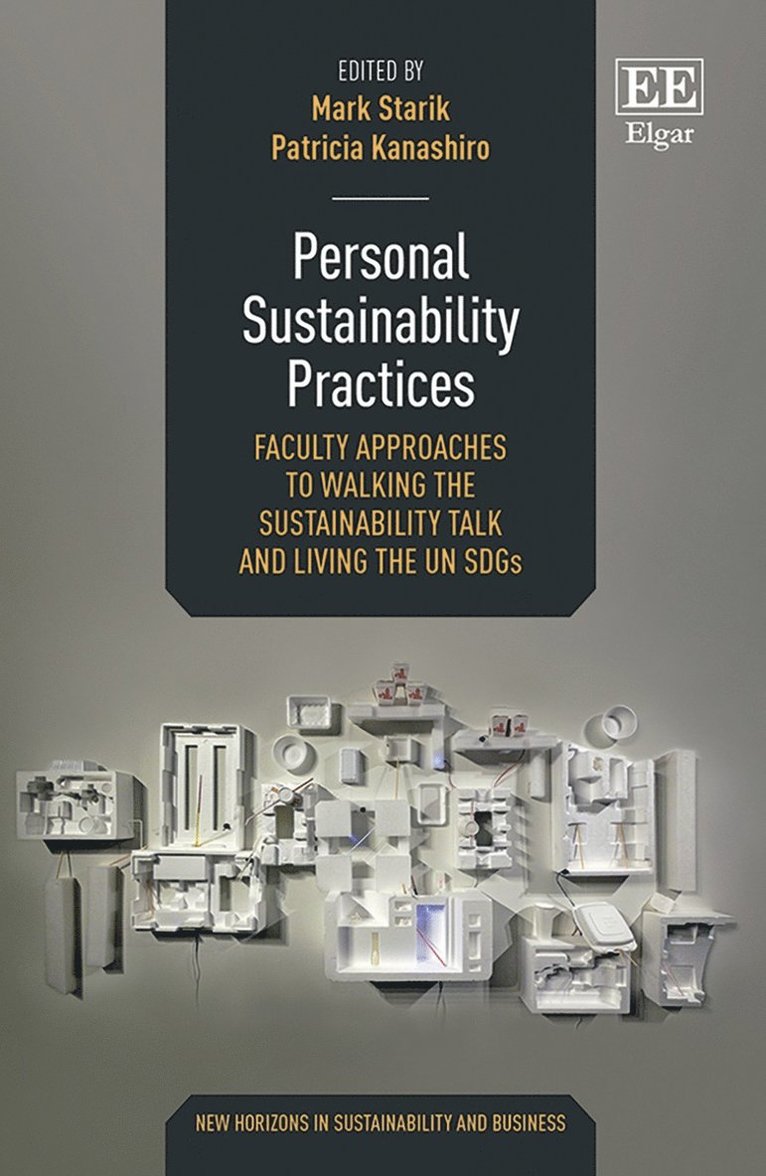
Personal Sustainability Practices
Faculty Approaches to Walking the Sustainability Talk and Living the UN SDGs
Inbunden, Engelska, 2021
1 867 kr
Skickas inom 7-10 vardagar
Personal Sustainability Practices is a collection of 19 academic and practitioner perspectives on the topic of faculty personal sustainability. The book addresses the issues of whether, how, where, and when faculty who teach, research, consult, and perform academic and community service are, or need to be, practicing and communicating their own sustainability behaviors to students and other stakeholders. The contributors represent multiple countries, disciplines, academic levels and affiliations, and orientations on those issues and on the 17 United Nations Sustainable Development Goals related to their personal sustainability practices. The chapter contributions highlight the several main concepts of systems, internal and external integration, curriculum development, and social movements. The key takeaway is that many sustainability scholars are practicing and communicating a wide variety of sustainability actions but that greater consistency and frequency among faculty sustainability values, expression, and actions are generally possible and necessary, and that further exploration of this overall topic is encouraged.Current faculty and doctoral students in the field of environmental or socio-economic sustainability, as well as business, government and nonprofit organization executives who interact with said faculty, will be inspired by the examination of values and personal practices.
Handbook of Multi-Level Climate Actions
Sparking and Sustaining Transformative Approaches
Inbunden, Engelska, 2023
3 085 kr
Skickas inom 7-10 vardagar
The Handbook of Multi-Level Climate Actions emphasizes the need for significant climate action by every capable person on the planet at multiple levels of human experience and society. This includes individuals/households, formal and informal groups, organizations/communities, from local to global, and all levels of businesses, governments, and nonprofit organizations. It highlights the many ways that our species can meet the climate crisis and how entities at every level of human experience are, could be, and should be developing and implementing climate solutions, including those advancing energy efficiency, renewable energy utilization, and nature’s ability to sequester carbon.Nearly two dozen knowledgeable, caring, and active authors, representing both academics and practitioners, from multiple countries and disciplines, have risen to the challenge of attempting to motivate as many people as possible to take whatever actions they can as urgently as possible, to ensure that future generations of both humans and non-humans on this planet will have a sustainable climate that meets their on-going needs.This Handbook is an important work for scholars and practitioners working in the realm of environmental and climate issues, sustainability and CSR. It provides a comprehensive exploration of the current global situation, while also inspiring immediate action and forward thinking.
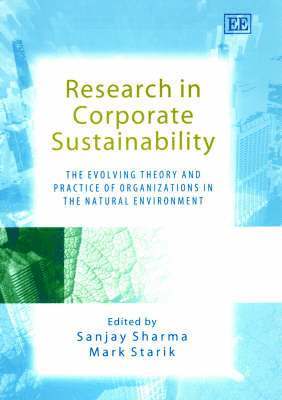
Research in Corporate Sustainability
The Evolving Theory and Practice of Organizations in the Natural Environment
Inbunden, Engelska, 2002
2 172 kr
Skickas inom 7-10 vardagar
Managing for sustainable development has become increasingly accepted worldwide by corporate, public, and non-profit organizations as vital to the continued existence and development of both these organizations and their natural and social environments. This collection of original papers provides various perspectives on sustainable management practices, particularly as practiced by large corporations. The ten studies in this volume represent the latest theoretical and empirical research in the field of organizations and the natural environment. The contributors present a range of unique perspectives on issues including the impact of globalization on sustainability, cross-cultural comparisons of the impact of institutional contexts on environmental practices of Japanese and Chinese firms, comparisons of voluntary environmental initiatives undertaken by public and private sector organizations, processes of organizational change in response to stakeholder pressures, the transfer of environmental capabilities during mergers and acquisitions, why some companies keep the environmentally friendly features of their products secret, and the influence of emissions and health-impacts information on attitudes toward the environment. This volume opens and closes with two essays that comprehensively review the state of research in organizations and the natural environment and suggest directions for future researchers. This insightful book presents studies from a wide range of disciplinary perspectives: Human Resources Management, Strategy, Operations Management, Accounting, International Business, Marketing, and Development. It represents the latest state of knowledge in organizations and the natural environment and provides interesting perspectives for academics, environmental consultants as well as environmental managers from business, the public sector, NGOs, international development institutions, and government.
2 154 kr
Skickas inom 7-10 vardagar
The role of stakeholders is integral to corporate sustainability as society increasingly demands that corporations play a role in achieving environmental objectives in addition to building shareholder wealth. In the first book to gather cutting-edge research on the interactions between stakeholders and organizations within the context of corporate sustainability, the contributors to this volume provide a diversity of perspectives from North America, Europe, and Oceania.The authors examine the role stakeholders play in influencing regulations on global issues such as climate change and national and regional problems. Stakeholder selection of companies and the sustainability issues they choose to target are explored, as are the ways in which organizations motivate them to participate in the evolution of holistic sustainable solutions. The interactions between stakeholder pressures, organizational characteristics and corporate sustainability practices are also covered. Finally, the volume provides an examination of the dynamic structure of organizational fields in the European automobile industry in order to analyze the factors that foster or hinder ecological modernization.Academics, environmental consultants, sustainability managers, NGOs, and international development institutions will find this timely volume of great value.
2 172 kr
Skickas inom 7-10 vardagar
In recent years our understanding of corporate sustainability has moved from exploitation to exploration, from corporate environmental management to sustainable entrepreneurship, and from efficiency to innovation. Yet current trends indicate the need for radical innovation via entrepreneurial start-ups or new ventures within existing corporations despite difficulties with the financing and marketing of such efforts. Presenting both conceptual and empirical research, this fascinating book addresses how we can combine environmental and social sustainability with economic sustainability in order to produce innovative new business models.The international cast of contributors addresses the wide range of issues in the balance between growth and environmental concerns. The first five chapters discuss various aspects of sustainable entrepreneurship. This is followed by two chapters that look at innovation within existing firms. Innovation is not successful until it finds a customer, so the two chapters that follow delve into the marketing aspects of business-to-consumer and business-to-business settings. The book closes with a broad discussion of the evolution and future of the research agenda into the intersection of sustainability, innovation and entrepreneurship.Academics, students, business professionals, and NGOs will find this volume enlightening and useful.
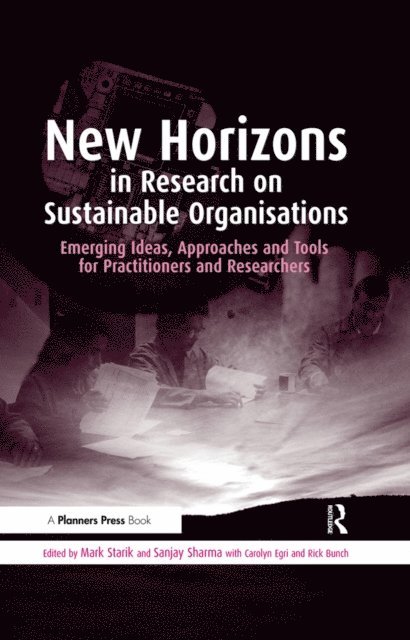
New Horizons in Research on Sustainable Organisations
Emerging Ideas, Approaches and Tools for Practitioners and Researchers
Inbunden, Engelska, 2005
2 290 kr
Skickas inom 10-15 vardagar
Environmental sustainability practice and research have advanced over the past decade from novelty to near-mainstream status today. During this environmentally critical time period, sustainability practitioner techniques, such as environmental, energy and social auditing, other sustainability information and related systems, and a wide variety of environmental sustainability approaches have been developed, improved and institutionalised, advancing both the practice and research of environmental sustainability management and policy. However, academics and practitioners in the sustainability field still have widely differing perspectives on what a sustainable organisation is or might be, but seldom take the opportunity to share these respective sustainability visions, let alone the multiple ways to achieve them. New Horizons in Research on Sustainable Organisations is intended to bridge this gap between academics and practitioners with cutting-edge research from both groups on progress towards sustainability. After working on sustainability-related projects involving other academics, both research- and practitioner-oriented graduate students, consultants, managers and activists, the lead co-editors of this volume saw the need to encourage information exchanges among differing networks of sustainability stakeholders to create a pathway for researchers and practitioners in the general area of organisations and the natural environment to address issues of common interest. There are many networks in the general subject area, but the cross-pollination of ideas between academics and practitioners remains sketchy. New Horizons in Research on Sustainable Organisations is intended to present and encourage such cross-pollination. The chapters in this volume are presented in three subsets, generally proceeding from the most "macro" to the most "micro" in terms of perspective and applicability. However, this arbitrary division belies the integration from macro through meso (or mid-range) to micro levels that is apparent in these studies. Macro approaches typically include wider geographic scopes, greater numbers of stakeholders, and more complex explanatory factors than micro approaches. Each chapter adopts one or more particular sustainability world-view and then grounds these and the other chapter elements within actual organisations. Therefore, the reader is advised to envision not a one-dimensional continuum but rather a circle in which the macro view both feeds back and feeds forward to the micro view. This volume addresses a number of intriguing and important sustainable organisation phenomena such as multiple sustainable development perspectives, changing environmental politics, environmental management systems variations, voluntary environmental programme performance, complex adaptive systems, and environmental technology development. Additionally, several models are suggested, such as cultivation, capabilities and business ecology frameworks.