Marko Jobst - Böcker
Visar alla böcker från författaren Marko Jobst. Handla med fri frakt och snabb leverans.
5 produkter
5 produkter
2 150 kr
Skickas inom 10-15 vardagar
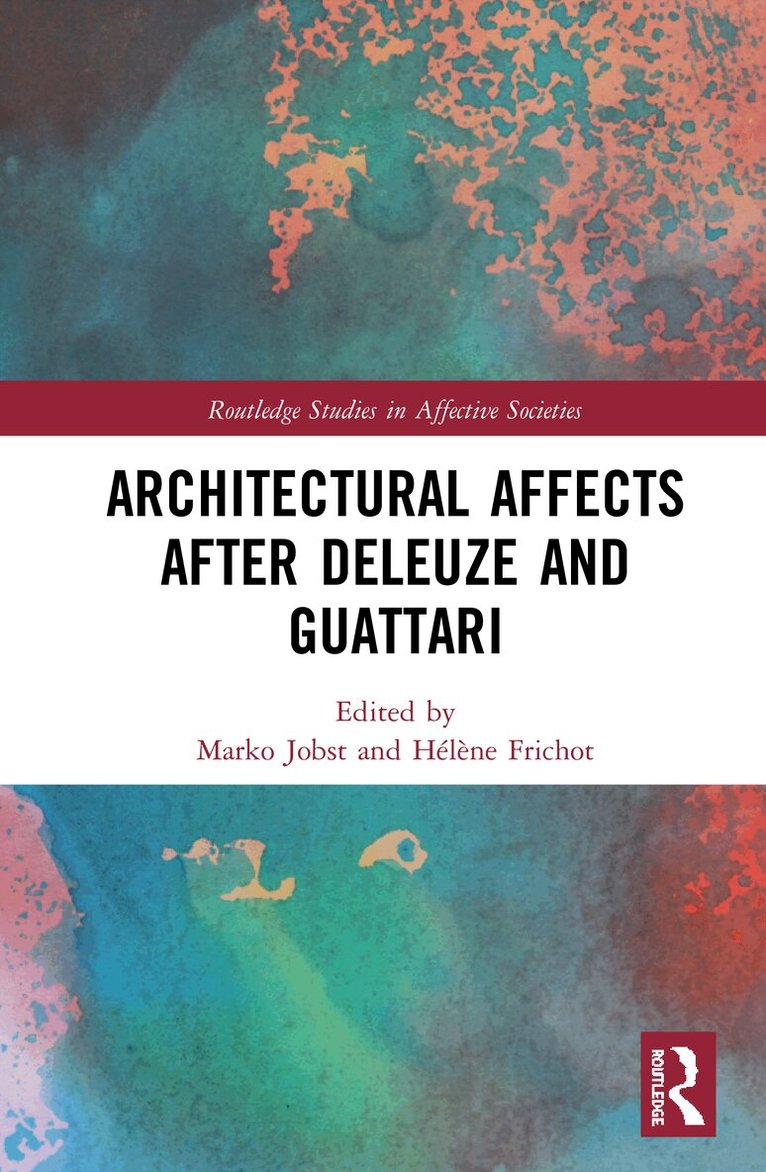
Architectural Affects after Deleuze and Guattari is the first sustained survey into ways of theorising affect in architecture. It reflects on the legacy and influence of Gilles Deleuze and Félix Guattari in the uptake of affect in architectural discourse and practice, and stresses the importance of the political in discussions of affect. It is a timely antidote to an enduring fixation on architectural phenomenology in the field.The contributors offer a variety of approaches to the challenges presented in discussing the relation between affect and architecture, and how this is contextualised in the broader field of affect studies. Ranging from evaluations of architectural and urban productions and practices, to inquiries into architectural experience, to modes of affective inquiry in education, to experimental affective writing, each contribution to this seminal volume suggests ways of developing a more sustained approach to a crucial thematic domain.The volume will be of use to students at both undergraduate and postgraduate levels; researchers, theorists and historians of architecture and related urban and spatial disciplines; the fields of social science and cultural theory; and to philosophy, in particular the studies of Deleuze and Guattari, and Baruch Spinoza.
635 kr
Skickas inom 10-15 vardagar
Architectural Affects after Deleuze and Guattari is the first sustained survey into ways of theorising affect in architecture. It reflects on the legacy and influence of Gilles Deleuze and Félix Guattari in the uptake of affect in architectural discourse and practice, and stresses the importance of the political in discussions of affect. It is a timely antidote to an enduring fixation on architectural phenomenology in the field.The contributors offer a variety of approaches to the challenges presented in discussing the relation between affect and architecture, and how this is contextualised in the broader field of affect studies. Ranging from evaluations of architectural and urban productions and practices, to inquiries into architectural experience, to modes of affective inquiry in education, to experimental affective writing, each contribution to this seminal volume suggests ways of developing a more sustained approach to a crucial thematic domain.The volume will be of use to students at both undergraduate and postgraduate levels; researchers, theorists and historians of architecture and related urban and spatial disciplines; the fields of social science and cultural theory; and to philosophy, in particular the studies of Deleuze and Guattari, and Baruch Spinoza.
2 012 kr
Skickas inom 10-15 vardagar
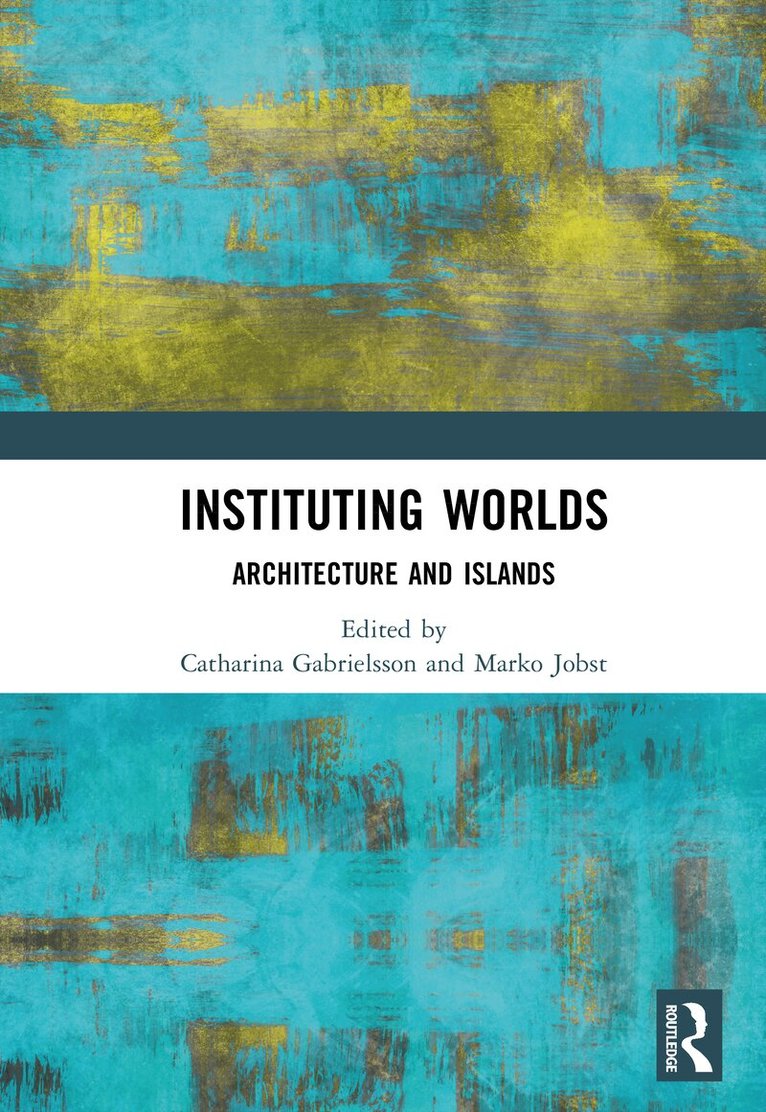
Islands have a long history of appealing to the architectural imagination and have served as sites for architectural expressions of cultural specificity, cultural conquest, and cultural hybridisation over millennia. From offshore financial centres to immigrant detention camps, tourist havens to military bases, the architectures of islands concretise the forces at play in our contemporary, crisis-ridden societies.Collecting writings by a wide range of established scholars together with exciting new voices in architecture and affiliated disciplines, this book shows the pertinence islands hold for critical spatial thinking and practice today. Covering war and colonialism, detention and tourism, the topics raised in this book range from issues of urban development to close readings of buildings – whether ruined, designed, projected, preserved, or absent. Combing case studies, critical historiography, and pieces of experimental writing, the chapters disclose the variety of ways in which architecture can be used as a lens for analysing, disclosing, and untangling island specificity.This volume offers a very timely, vibrant, and methodologically varied approach to the subject of architecture and islands. Its global reach, innovative outlook, and rich material will be of interest to scholars and students in architecture, landscape architecture, geography, and urban design and planning, alongside arts and literary studies.
695 kr
Kommande
Islands have a long history of appealing to the architectural imagination and have served as sites for architectural expressions of cultural specificity, cultural conquest, and cultural hybridisation over millennia. From offshore financial centres to immigrant detention camps, tourist havens to military bases, the architectures of islands concretise the forces at play in our contemporary, crisis-ridden societies.Collecting writings by a wide range of established scholars together with exciting new voices in architecture and affiliated disciplines, this book shows the pertinence islands hold for critical spatial thinking and practice today. Covering war and colonialism, detention and tourism, the topics raised in this book range from issues of urban development to close readings of buildings – whether ruined, designed, projected, preserved, or absent. Combing case studies, critical historiography, and pieces of experimental writing, the chapters disclose the variety of ways in which architecture can be used as a lens for analysing, disclosing, and untangling island specificity.This volume offers a very timely, vibrant, and methodologically varied approach to the subject of architecture and islands. Its global reach, innovative outlook, and rich material will be of interest to scholars and students in architecture, landscape architecture, geography, and urban design and planning, alongside arts and literary studies.
359 kr
Skickas inom 7-10 vardagar
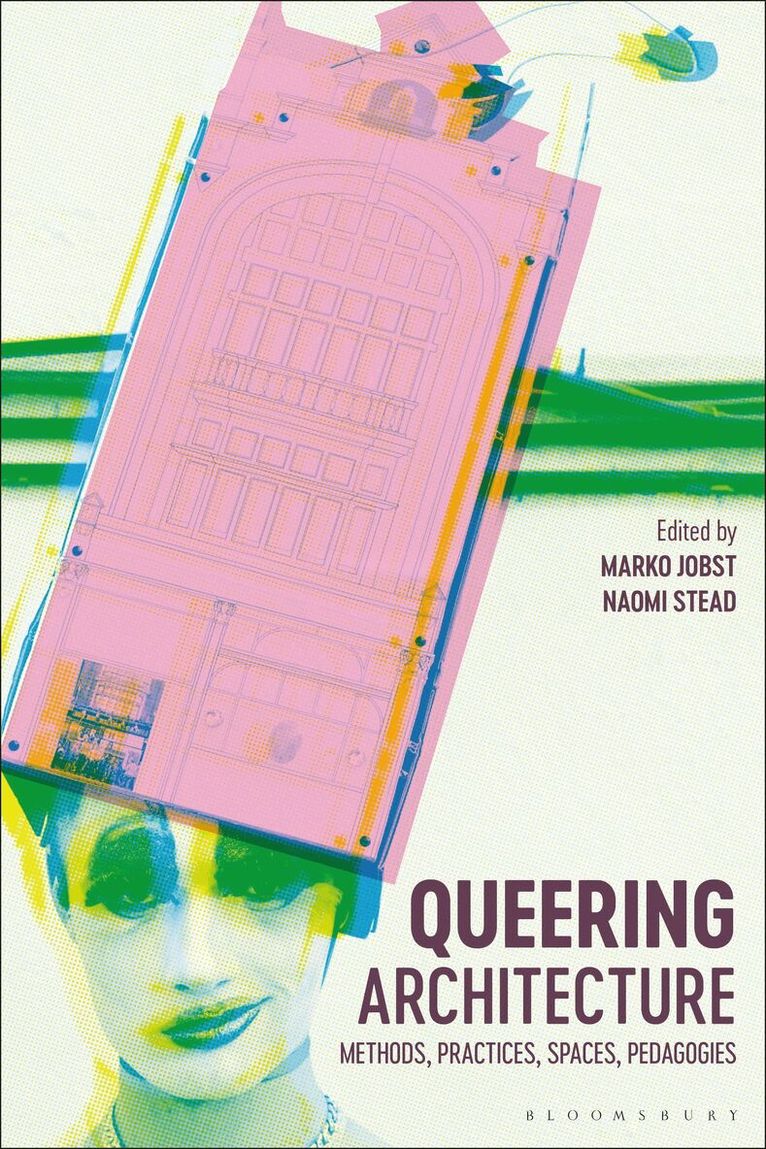
Queering Architecture explores what it means to “queer” architecture, challenging the methods and methodologies of architectural discourse and subverting disciplinary power structures.Architecture as a discipline, a profession and an applied practice, is always subordinate to its own conceptual framework of orderliness. How, then, can we look at queering architectural discourse when the very term ‘queer’ – celebrated for its elusive, slippery nature – resists and attacks such order?The essays in this book explore this paradox from a diverse range of perspectives – from the questions of mapping queer theory in architecture; to the issues of queer architectural archives, or lack thereof; to the non-Western linguistic challenges to the very term queer alongside decolonial approaches to architecture via indigeneity and landscape. Queering Architecture not only provides a bold challenge to the normative methods employed in architectural discourse but addresses the paradoxical nature of establishing ‘queer’ methodologies in itself. Offering guerrilla tactics and interventions for the discipline alongside a developing theoretical framework, it is essential reading for architects, designers, queer and LGBTQ+ theorists alike.