Markus Vinzent – författare
746 kr
Läs direkt efter köp
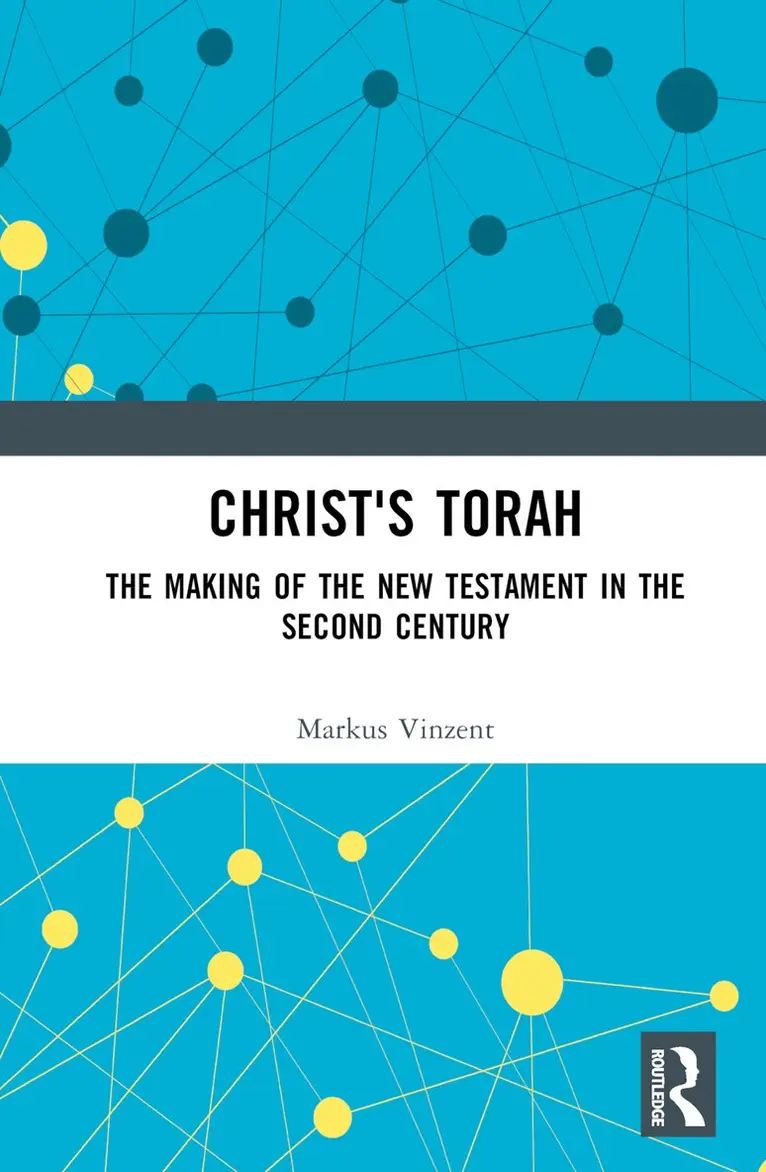
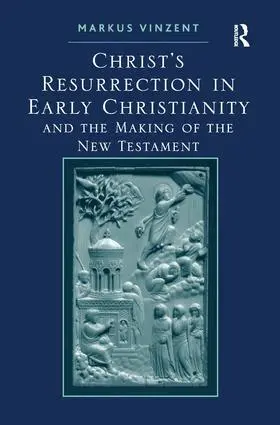
This volume explores the creation of the collection now known as the New Testament. While it is generally accepted that it did not emerge as a collection prior to the late second century CE, a more controversial question is how it came to be.
How did the writings that make up the New Testament - The Gospels, the so-called Praxapostolos (Acts and the canonical letters), the Epistles of Paul, and Revelation - make their way into the collection, and what do we know about their possible historical origins, and in turn the emergence of the New Testament itself? The New Testament as we know it first became recognisable in more detail in Irenaeus of Lyon towards the end of the second century CE. However, questions remain as to how and by whom was it redacted. Was it a slow, organic process in which texts written by different authors, members of different communities and in various places, grew together into one book? Or were certain writings compiled on the basis of an editorial decision by an individual or a group of editors, revised for this purpose and partly harmonised with each other? This volume sketches out the complex development of the New Testament, arguing that key second century scholars played an important role in the emergence of the canonical collection and putting forward the possible historical origins of the text’s composition.
Christ’s Torah: The Making of the New Testament in the Second Century is of interest to students and scholars working on the New Testament and anyone with an interest in early Christianity more broadly.
746 kr
Läs direkt efter köp
This volume explores the creation of the collection now known as the New Testament. While it is generally accepted that it did not emerge as a collection prior to the late second century CE, a more controversial question is how it came to be.
How did the writings that make up the New Testament - The Gospels, the so-called Praxapostolos (Acts and the canonical letters), the Epistles of Paul, and Revelation - make their way into the collection, and what do we know about their possible historical origins, and in turn the emergence of the New Testament itself? The New Testament as we know it first became recognisable in more detail in Irenaeus of Lyon towards the end of the second century CE. However, questions remain as to how and by whom was it redacted. Was it a slow, organic process in which texts written by different authors, members of different communities and in various places, grew together into one book? Or were certain writings compiled on the basis of an editorial decision by an individual or a group of editors, revised for this purpose and partly harmonised with each other? This volume sketches out the complex development of the New Testament, arguing that key second century scholars played an important role in the emergence of the canonical collection and putting forward the possible historical origins of the text’s composition.
Christ’s Torah: The Making of the New Testament in the Second Century is of interest to students and scholars working on the New Testament and anyone with an interest in early Christianity more broadly.
504 kr
Läs direkt efter köp
417 kr
Skickas inom 7-10 vardagar
504 kr
Läs direkt efter köp
1 240 kr
Skickas inom 7-10 vardagar
1 451 kr
Läs direkt efter köp
2 246 kr
Skickas inom 10-15 vardagar
651 kr
Skickas inom 10-15 vardagar
1 746 kr
Skickas inom 7-10 vardagar
462 kr
Läs direkt efter köp
458 kr
Läs direkt efter köp
396 kr
Skickas inom 7-10 vardagar
795 kr
Läs direkt efter köp
795 kr
Läs direkt efter köp
2 246 kr
Skickas inom 10-15 vardagar
693 kr
Skickas inom 10-15 vardagar
Tauffragen Und Bekenntnis
Studien Zur Sogenannten Traditio Apostolica, Zu Den Interrogationes de Fide Und Zum Römischen Glaubensbekenntnis
2 236 kr
Skickas inom 5-8 vardagar
2 044 kr
Läs direkt efter köp
1 306 kr
Skickas inom 3-6 vardagar
1 014 kr
Läs direkt efter köp
Different from literary works (prose, drama etc.) with techniques like montage and contemporary media (film, documentaries, video games, internet) where time-lines are being questioned through flashbacks and flashwords, historiography seems to have resisted such challenges. Most historiographical works (biographies, scholarly studies) still adhere to chronological narratives, even though the boundaries between history and literary fiction have been blurred over the past decades.
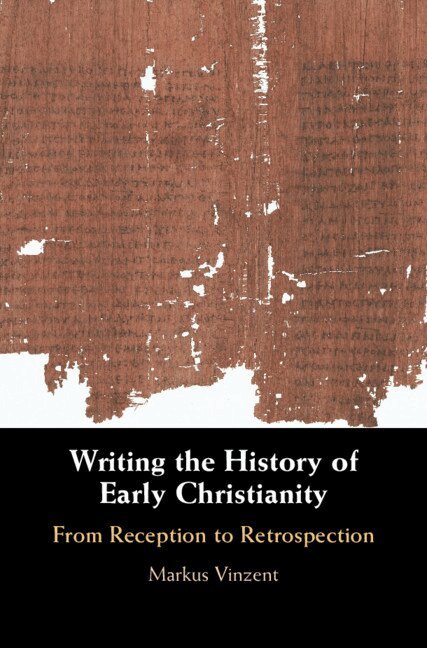
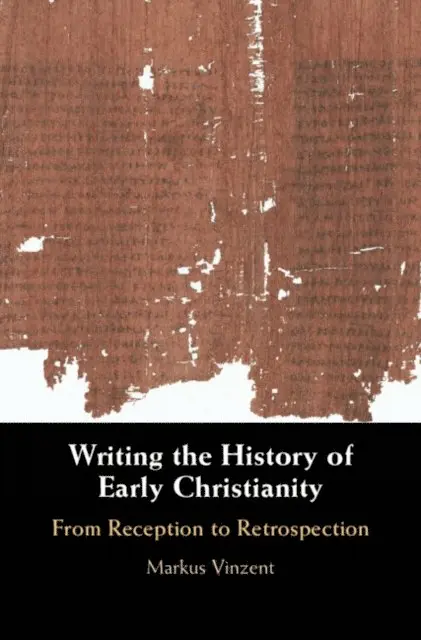
Responding to 20th/21st c. attempts like Walter Benjamin’s prophetic historian, this volume asks: How to write history without following the chronologically oriented trajectory of time? The interdisciplinary contributions from a broad range of history (medieval, modern, music, sciences), sociology, life sciences, genocide research go back to a symposium that responded to a publication of Markus Vinzent (Writing the History of Early Christianity. From Reception to Retrospection of 2019, Cambridge University Press). The scholars engage with the idea of retrospection as a method of critical historiography.
Writing retrospectively is not simply a matter of presentism, reversing chronology, it disrupts continuities and teleologies and opens creative futures.
1 005 kr
Läs direkt efter köp
Different from literary works (prose, drama etc.) with techniques like montage and contemporary media (film, documentaries, video games, internet) where time-lines are being questioned through flashbacks and flashwords, historiography seems to have resisted such challenges. Most historiographical works (biographies, scholarly studies) still adhere to chronological narratives, even though the boundaries between history and literary fiction have been blurred over the past decades.
Responding to 20th/21st c. attempts like Walter Benjamin’s prophetic historian, this volume asks: How to write history without following the chronologically oriented trajectory of time? The interdisciplinary contributions from a broad range of history (medieval, modern, music, sciences), sociology, life sciences, genocide research go back to a symposium that responded to a publication of Markus Vinzent (Writing the History of Early Christianity. From Reception to Retrospection of 2019, Cambridge University Press). The scholars engage with the idea of retrospection as a method of critical historiography.
Writing retrospectively is not simply a matter of presentism, reversing chronology, it disrupts continuities and teleologies and opens creative futures.
1 376 kr
Skickas inom 3-6 vardagar
827 kr
Läs direkt efter köp
1 077 kr
Läs direkt efter köp
1 789 kr
Läs direkt efter köp
1 805 kr
Läs direkt efter köp
1 169 kr
Läs direkt efter köp
1 169 kr
Läs direkt efter köp
3 578 kr
Läs direkt efter köp