Marta Lorimer – författare
Visar alla böcker från författaren Marta Lorimer. Handla med fri frakt och snabb leverans.
4 produkter
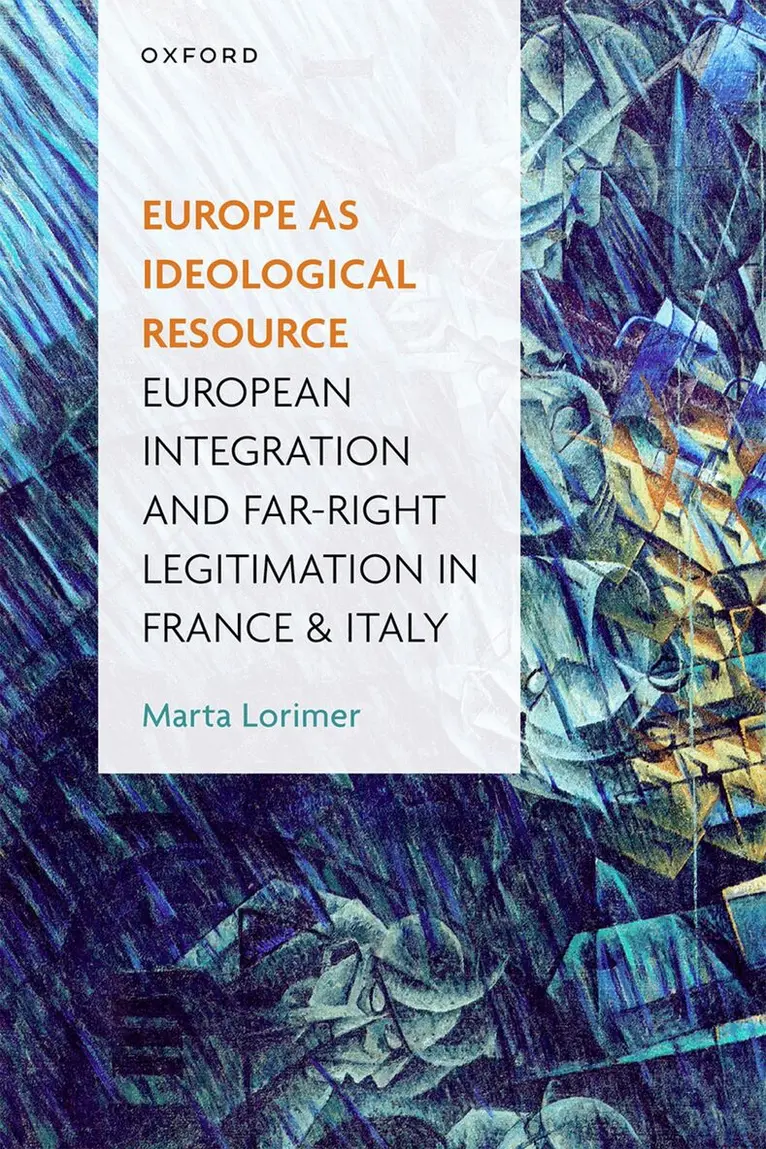
Europe as Ideological Resource
European Integration and Far Right Legitimation in France and Italy
Inbunden, 2024
1362 kr
Lägg i varukorg
How did the far right go from illegitimate fringe to contender for public office, and did Europe have anything to do with it? Europe as Ideological Resource argues that European integration functioned as an ideological resource for far right parties looking for legitimation because it enabled them …
Europe as Ideological Resource
European Integration and Far Right Legitimation in France and Italy
E-bok, 2024
1283 kr
Lägg i varukorg
How did the far right go from illegitimate fringe to contender for public office, and did Europe have anything to do with it? Europe as Ideological Resource argues that European integration functioned as an ideological resource for far right parties looking for legitimation because it enabled them …
Europe as Ideological Resource
European Integration and Far Right Legitimation in France and Italy
E-bok, 2024
1283 kr
Lägg i varukorg
How did the far right go from illegitimate fringe to contender for public office, and did Europe have anything to do with it? Europe as Ideological Resource argues that European integration functioned as an ideological resource for far right parties looking for legitimation because it enabled them …
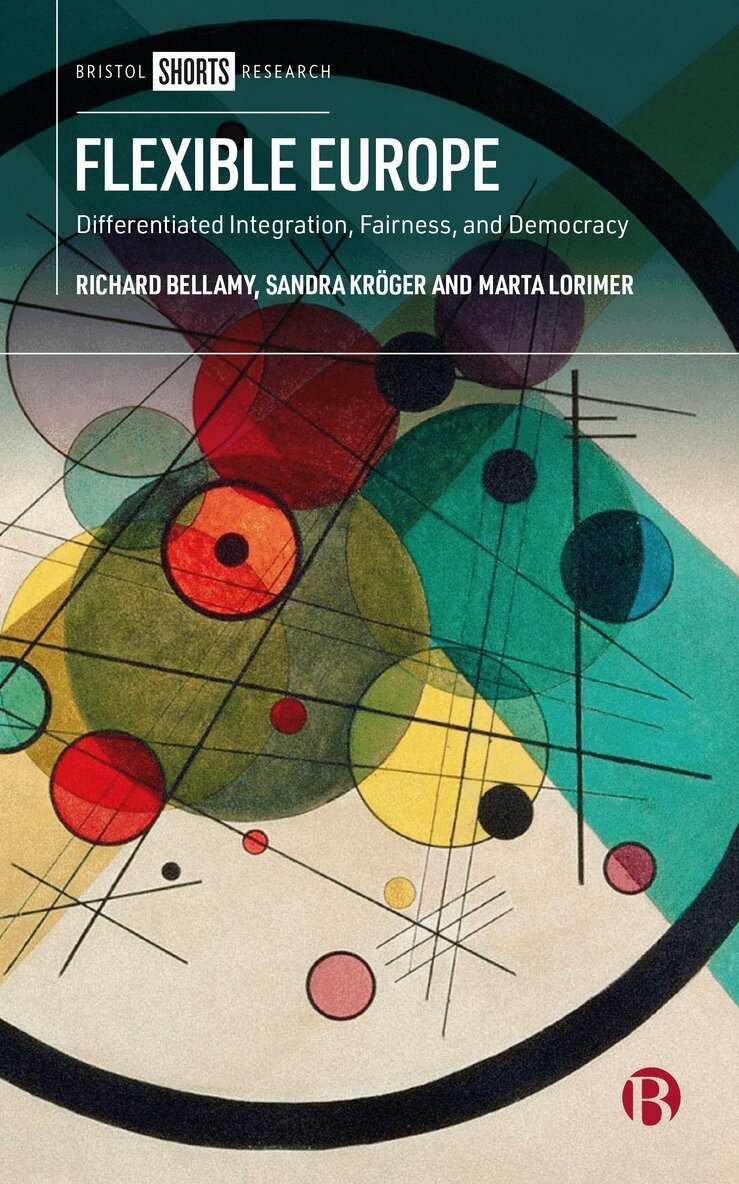
Flexible Europe
Differentiated Integration, Fairness, and Democracy
Av Richard Bellamy, Sandra Kröger m. fl.
Inbunden, 2022
680 kr
Lägg i varukorg
The European Union (EU) is often portrayed as sacrificing national diversity for European unity. This book explores the alternative of a flexible EU based on differentiated rather than uniform integration. The authors combine normative theory with empirical research on political party actors to …