Marta Sinclair – Författare
Visar alla böcker från författaren Marta Sinclair. Handla med fri frakt och snabb leverans.
5 produkter
5 produkter
2 592 kr
Skickas inom 7-10 vardagar
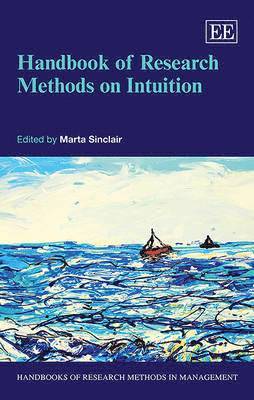
How does one approach the study of intuition - a complex, cross-disciplinary field, which is still developing? How can intuition be captured in situ? How can researchers harness their own intuition? In this original Handbook, the expert collaborators use method-related themes to help answer these, and other questions, and explore innovative developments in intuition research.This groundbreaking Handbook is organized around six method-related themes:- the question of cognitive systems and capabilities;- the role of emotions and stress;- major quantitative approaches;- qualitative techniques for mapping intuition;- the use of grounded theory; and- the role of the researcher's own expertise and intuition.Academics and researchers of organizational behavior, as well as researchers in business and management, who use quantitative and qualitative research techniques, will find this book to be an informative and invaluable read. It will also be of interest to industry professionals looking to adopt new staff training and development methods.Contributors include: C. Akinci, A. Antonietti, L. Baldacchino, L. Cabantous, J-F Coget, B. Colombo, R. Cooksey, V. Dörfler, S.E. Dreyfus, C. Eden, M. Fenton-O'Creevy, S.L. Grant, S.A. Hamilton, C. Harteis, G.P. Hodgkinson, C. Horváth, O. Hyppänen, P. Iannello, J. Langan-Fox, A. Lockett, C. Petitmengin, P. Ping Li, A.C.R. van Riel, M. Robson, E. Sadler-Smith, M. Sinclair, R.E. Smerek, M Stierand, S. Teerikangas, D. Ucbasaran, L. Välikangas, S. Vohra
591 kr
Skickas inom 7-10 vardagar
How does one approach the study of intuition - a complex, cross-disciplinary field, which is still developing? How can intuition be captured in situ? How can researchers harness their own intuition? In this original Handbook, the expert collaborators use method-related themes to help answer these, and other questions, and explore innovative developments in intuition research.This groundbreaking Handbook is organized around six method-related themes:- the question of cognitive systems and capabilities;- the role of emotions and stress;- major quantitative approaches;- qualitative techniques for mapping intuition;- the use of grounded theory; and- the role of the researcher's own expertise and intuition.Academics and researchers of organizational behavior, as well as researchers in business and management, who use quantitative and qualitative research techniques, will find this book to be an informative and invaluable read. It will also be of interest to industry professionals looking to adopt new staff training and development methods.Contributors include: C. Akinci, A. Antonietti, L. Baldacchino, L. Cabantous, J-F Coget, B. Colombo, R. Cooksey, V. Dörfler, S.E. Dreyfus, C. Eden, M. Fenton-O'Creevy, S.L. Grant, S.A. Hamilton, C. Harteis, G.P. Hodgkinson, C. Horváth, O. Hyppänen, P. Iannello, J. Langan-Fox, A. Lockett, C. Petitmengin, P. Ping Li, A.C.R. van Riel, M. Robson, E. Sadler-Smith, M. Sinclair, R.E. Smerek, M Stierand, S. Teerikangas, D. Ucbasaran, L. Välikangas, S. Vohra
2 897 kr
Skickas inom 7-10 vardagar
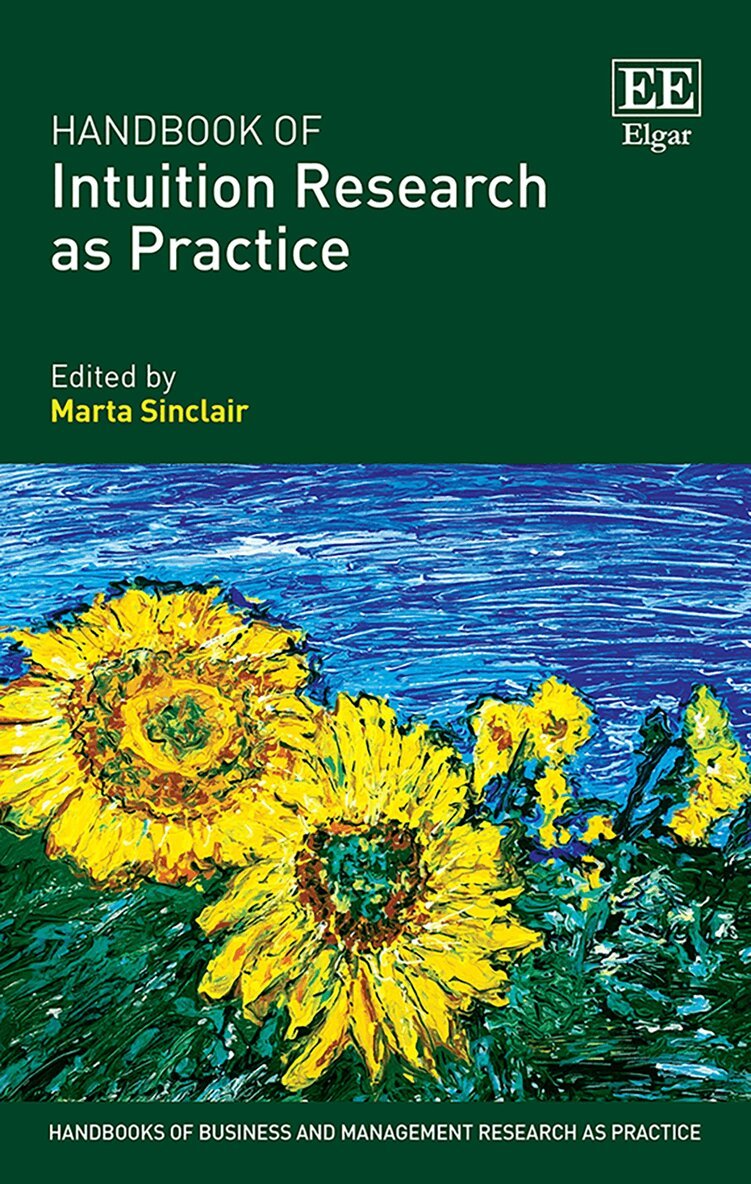
How can intuition research inform practice? As the use of intuition in business has become more widely accepted, companies struggle to understand how to use this additional resource efficiently, while corporate trainers and university educators lack tools to develop it as a skill. This truly international Handbook provides relevant answers with:chapters by academics and practitioners, written in a concise, digestible format to make it accessible to non-academic readersempirical studies from multiple industry/service sectors that demonstrate an integrated use of intuition and analysis in decision makingstudies from industry and education that demonstrate how to develop intuition, including a ground-breaking research in problem solvingnon-Western perspectives illustrated on case studies from Japan and Chinause of language protocols/methods to bring intuition into our awarenessnew research into group/collective intuition (based on language analysis and quantum physics)research related to sensing and sense making.Due to its focus on bridging theory and practice, the Handbook is of value not only to academics and organizational researchers but also to industry professionals, corporate trainers and university educators who search for answers on how to incorporate intuition into a common skill set. Accessible in style, it will also appeal to educated business readers.Contributors include: A. Antonietti, B.T. Bakken, A. Bas, D. Bscak, R.T. Bradley, H. Cairns-Lee, B. Colombo, V. Dörfler, M. Egorov, A.N. Gani, S. Germagnoli, J. Gibb, L.M. Gillin, M. Goller, M. Grant, A. Größler, T. Hærem, C. Harteis, S. Henwood, P. Iannello, L. Isenman, K. Isomura, A. Kobayashi, G. Lufityanto, N. Meziani, F. Nilsson, A.-C. Nordvall, A. Pircher Verdorfer, J. Pretz, A. Price, M. Sinclair, G. Soosalu, B. Steffen, S. Streukens, S. Teerikangas, M. Turunen, L. Välikangas, A.C.R. van Riel, M. Wang, X. Wang, K. White, J. Woiceshyn, K. Zulkosky
606 kr
Skickas inom 7-10 vardagar
How can intuition research inform practice? As the use of intuition in business has become more widely accepted, companies struggle to understand how to use this additional resource efficiently, while corporate trainers and university educators lack tools to develop it as a skill. This truly international Handbook provides relevant answers with:chapters by academics and practitioners, written in a concise, digestible format to make it accessible to non-academic readersempirical studies from multiple industry/service sectors that demonstrate an integrated use of intuition and analysis in decision makingstudies from industry and education that demonstrate how to develop intuition, including a ground-breaking research in problem solvingnon-Western perspectives illustrated on case studies from Japan and Chinause of language protocols/methods to bring intuition into our awarenessnew research into group/collective intuition (based on language analysis and quantum physics)research related to sensing and sense making.Due to its focus on bridging theory and practice, the Handbook is of value not only to academics and organizational researchers but also to industry professionals, corporate trainers and university educators who search for answers on how to incorporate intuition into a common skill set. Accessible in style, it will also appeal to educated business readers.Contributors include: A. Antonietti, B.T. Bakken, A. Bas, D. Bscak, R.T. Bradley, H. Cairns-Lee, B. Colombo, V. Dörfler, M. Egorov, A.N. Gani, S. Germagnoli, J. Gibb, L.M. Gillin, M. Goller, M. Grant, A. Größler, T. Hærem, C. Harteis, S. Henwood, P. Iannello, L. Isenman, K. Isomura, A. Kobayashi, G. Lufityanto, N. Meziani, F. Nilsson, A.-C. Nordvall, A. Pircher Verdorfer, J. Pretz, A. Price, M. Sinclair, G. Soosalu, B. Steffen, S. Streukens, S. Teerikangas, M. Turunen, L. Välikangas, A.C.R. van Riel, M. Wang, X. Wang, K. White, J. Woiceshyn, K. Zulkosky
2 514 kr
Skickas inom 7-10 vardagar
This groundbreaking interdisciplinary Handbook showcases the latest intuition research, integrated in a framework that reconciles various views on what intuition is and how it works. The internationally renowned group of contributors presents their findings in five areas. Part I explores different facets of the intuiting process and its outcome, the role of consciousness and affect, and alternate ways of capturing intuition. Part II deals with its function in expertise, strategy, entrepreneurship, and ethics. Part III outlines intuitive decision making in critical occupations, legal profession, medicine, film and wine industry, and teaching. Part IV pushes the boundaries of our current understanding by exploring the possibility of non-local intuition, based on the principles of quantum holography. Part V investigates new techniques for developing intuitive skills. This cutting-edge, comprehensive Handbook will prove essential for academics and research students of social sciences, particularly management, psychology, sociology, entrepreneurship, leadership, team dynamics, HR and training. It will be also an invaluable resource for industry professionals searching for soft-core methods to increase productivity and creativity/innovation, to improve leadership and organizational climate, or to adopt new staff training and development methods.Contributors: A. Antonietti, B.T. Bakken, C. Betsch, R.T. Bradley, L.A. Burke, J.-F. Coget, E. Dane, A. Dijksterhuis, W. Duggan, I.D. Ebert, S. Epstein, A. Glockner, B. Graf, L.K. Gundry, J.R. Guzak, T. Haerem, M.B. Hargrove, C. Harteis, G.P. Hodgkinson, P. Iannello, K.-P. Ittner, J.R. Kickul, G. Klein, C. Kugler, C. Kuhnle, J. Langan-Fox, M. Mason, B. Morgenthaler, J.E. Pretz, D. Radin, G. Roth, E. Sadler-Smith, M. Sinclair, M. Strick, D.E. Tomasino, V. Vranic