Martijn Icks - Böcker
Visar alla böcker från författaren Martijn Icks. Handla med fri frakt och snabb leverans.
7 produkter
7 produkter
671 kr
Skickas inom 10-15 vardagar
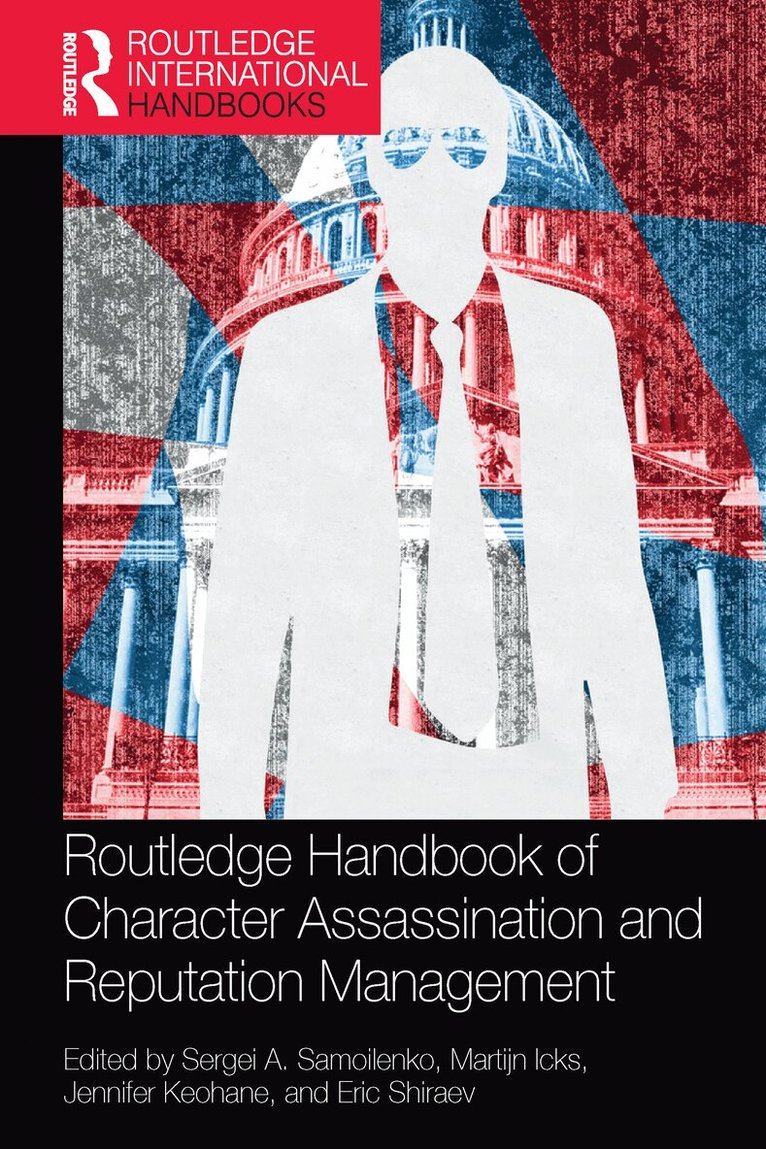
In modern politics as well as in historical times, character attacks abound. Words and images, like symbolic and psychological weapons, have sullied or destroyed numerous reputations. People mobilize significant material and psychological resources to defend themselves against such attacks. How does character assassination "work," and when does it not? Why do many targets fall so easily when they are under character attack? How can one prevent attacks and defend against them?The Routledge Handbook of Character Assassination and Reputation Management offers the first comprehensive examination of character assassination. Moving beyond studying corporate reputation management and how public figures enact and maintain their reputation, this lively volume offers a framework and cases to help understand, critically analyze, and effectively defend against such attacks. Written by an international and interdisciplinary team of experts, the book begins with a theoretical introduction and extensive description of the "five pillars" of character assassination: (1) the attacker, (2) the target, (3) the media, (4) the public, and (5) the context. The remaining chapters present engaging case studies suitable for class discussion. These include: Roman emperors;Reformation propaganda;the Founding Fathers;defamation in US politics;women politicians;autocratic regimes;European leaders;celebrities;nations;Internet campaigns.This handbook will prove invaluable to undergraduate and postgraduate students in communication, political science, history, sociology, and psychology departments. It will also help researchers become independent, critical, and informed thinkers capable of avoiding the pressure and manipulations of the media.
2 401 kr
Skickas inom 10-15 vardagar
Auto/Biography and Reputation Politics brings together for the first time these two research fields to demonstrate that life writing is reputation politics. The innovative collection is postdisciplinary, comparative, and transnational, with contributions on works from originally seven languages. The authors show how studies in reputation politics and reputation management gain from theory and methodology in research on life writing and how studies in life writing benefit from attention to criteria and terms developed in studies of reputation politics. The genres of the life writing treated include autobiography, autofiction, autosociobiography, autobiographical novel, biofiction, biography, diary, historiography, littérature engagée, political memoir, satire, scholarly article, and presidential campaign speech, and range across historical periods from the Byzantine Empire in late antiquity, early nineteenth-century Netherlands and later nineteenth-century Germany, Greece and the Ottoman Empire, twentieth-century Britain and India, to the United States, France, and Russia in the twenty-first century. In each contribution, principles of reputation politics studies are applied to the fiction and non‑fiction features of life writing across various genres and their conventions. Chapters attend to narrative strategies, public relations, gendering, racialization, and class politics. The contributions discuss how reputations are created, changed, destroyed, or saved in auto/biographies and how life writing reputations interact with strategies of personal politics and political programs.
3 161 kr
Skickas inom 10-15 vardagar
In modern politics as well as in historical times, character attacks abound. Words and images, like symbolic and psychological weapons, have sullied or destroyed numerous reputations. People mobilize significant material and psychological resources to defend themselves against such attacks. How does character assassination "work," and when does it not? Why do many targets fall so easily when they are under character attack? How can one prevent attacks and defend against them?The Routledge Handbook of Character Assassination and Reputation Management offers the first comprehensive examination of character assassination. Moving beyond studying corporate reputation management and how public figures enact and maintain their reputation, this lively volume offers a framework and cases to help understand, critically analyze, and effectively defend against such attacks. Written by an international and interdisciplinary team of experts, the book begins with a theoretical introduction and extensive description of the "five pillars" of character assassination: (1) the attacker, (2) the target, (3) the media, (4) the public, and (5) the context. The remaining chapters present engaging case studies suitable for class discussion. These include: Roman emperors;Reformation propaganda;the Founding Fathers;defamation in US politics;women politicians;autocratic regimes;European leaders;celebrities;nations;Internet campaigns.This handbook will prove invaluable to undergraduate and postgraduate students in communication, political science, history, sociology, and psychology departments. It will also help researchers become independent, critical, and informed thinkers capable of avoiding the pressure and manipulations of the media.
2 088 kr
Skickas inom 10-15 vardagar
This lively book offers the first comprehensive examination of character assassination. In modern politics as well as in historical times, character attacks abound. Words and images, like psychological weapons, have sullied or destroyed numerous individual reputations. How does character assassination "work" and when or why does it not? Are character attacks getting worse in the age of social media? Why do many people fail when they are under character attack? How should they prevent attacks and defend against them?Moving beyond discussions about corporate reputation management and public relations canons, Character Assassination and Reputation Management is designed to help understand, critically analyze, and effectively defend against such attacks. Written by an international and interdisciplinary team of experts, the book begins with a discussion of theoretical and applied features of the "five pillars" of character assassination: (1) the attacker, (2) the target, (3) the media, (4) the audience, and (5) the context. The remaining chapters present engaging in-depth discussions and case studies suitable for homework and class discussion. These cases include: Historic figuresLeaders from modern timesWomen in politicsU.S. presidentsWorld leadersPolitical autocratsDemocratic leadersScientistsCelebritiesFeaturing an extensive glossary of key terms, critical thinking exercises, and summaries to encourage problem-based learning, Character Assassination and Reputation Management will prove invaluable to the undergraduate and postgraduate students in communication, political science, global affairs, history, sociology, and psychology departments.
712 kr
Skickas inom 10-15 vardagar
This lively book offers the first comprehensive examination of character assassination. In modern politics as well as in historical times, character attacks abound. Words and images, like psychological weapons, have sullied or destroyed numerous individual reputations. How does character assassination "work" and when or why does it not? Are character attacks getting worse in the age of social media? Why do many people fail when they are under character attack? How should they prevent attacks and defend against them?Moving beyond discussions about corporate reputation management and public relations canons, Character Assassination and Reputation Management is designed to help understand, critically analyze, and effectively defend against such attacks. Written by an international and interdisciplinary team of experts, the book begins with a discussion of theoretical and applied features of the "five pillars" of character assassination: (1) the attacker, (2) the target, (3) the media, (4) the audience, and (5) the context. The remaining chapters present engaging in-depth discussions and case studies suitable for homework and class discussion. These cases include: Historic figuresLeaders from modern timesWomen in politicsU.S. presidentsWorld leadersPolitical autocratsDemocratic leadersScientistsCelebritiesFeaturing an extensive glossary of key terms, critical thinking exercises, and summaries to encourage problem-based learning, Character Assassination and Reputation Management will prove invaluable to the undergraduate and postgraduate students in communication, political science, global affairs, history, sociology, and psychology departments.
328 kr
Skickas inom 10-15 vardagar
Elagabalus was one of the most notorious of Rome's 'bad emperors': a sexually-depraved and eccentric hedonist who in his short and riotous reign made unprecedented changes to Roman state religion and defied all taboos. An oriental boy-priest from Syria - aged just fourteen when he was elevated to power in 218 CE - he placed the sun god El-Gabal at the head of the established Roman pantheon, engaged in orgiastic rituals, took male and female lovers, wore feminine dress and was alleged to have prostituted himself in taverns and even inside the imperial palace. Since his assassination by the Praetorian Guard at the age of eighteen, Elagabalus has been an object of fascination to historians and a source of inspiration for artists and writers. This immensely readable book examines the life of one of the Roman Empire's most colourful figures, and charts the many guises of his legacy: from evil tyrant to firebrand rebel, from mystical androgyne to modern gay teenager, from decadent sensualist to ancient pop star.
Character Assassination Across the Ages
Revised and Expanded Edition with New Theory, Chapters, and Cases
Inbunden, Engelska, 2026
2 246 kr
Kommande
Character assassination—the deliberate destruction of an individual’s reputation—has been a persistent feature of public life across time and cultures. This revised and expanded edition offers a comprehensive investigation into how reputations are attacked, damaged, and destroyed, with case studies ranging from ancient Rome to the present-day United States. Political and religious leaders, officials, celebrities, scientists, athletes, and other public figures emerge as frequent targets, with their private lives, values, and identities subjected to strategic scrutiny and distortion.Bringing together contributions from history, political science, and psychology, the volume highlights both the common patterns and the unique variations of character assassination as it has unfolded across different cultural, political, and technological contexts. The comparative case studies demonstrate how reputational attacks are not only timeless but also deeply shaped by the media and institutions of their era. This completely revised edition includes a newly written introduction situating the volume within recent theoretical developments in character assassination research. Two new chapters expand the thematic and chronological scope of the work.An essential resource for understanding the enduring and evolving power of reputational warfare, this book will be of interest to an interdisciplinary audience, including history, political science, and political psychology.