Martin Empson – författare
Visar alla böcker från författaren Martin Empson. Handla med fri frakt och snabb leverans.
6 produkter
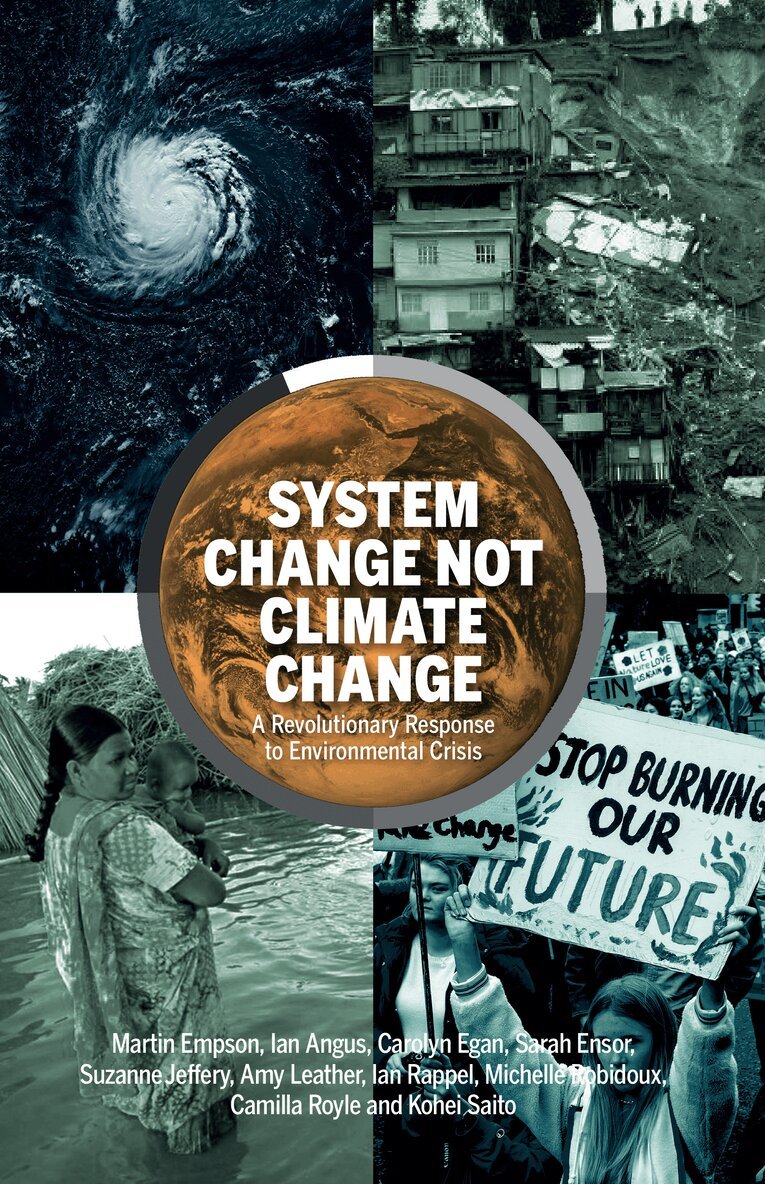
System Change Not Climate Change
A Revolutionary Response to Environmental Crisis
Av Martin Empson, Ian Angus m. fl.
Häftad, 2019
93 kr
Lägg i varukorg
We are in the midst of the greatest environmental crisis humanity has ever seen. Yet despite politicians' rhetoric, repeated warnings from the scientific community and countless international conferences, the situation is getting worse. This book brings together articles from leading socialist and …
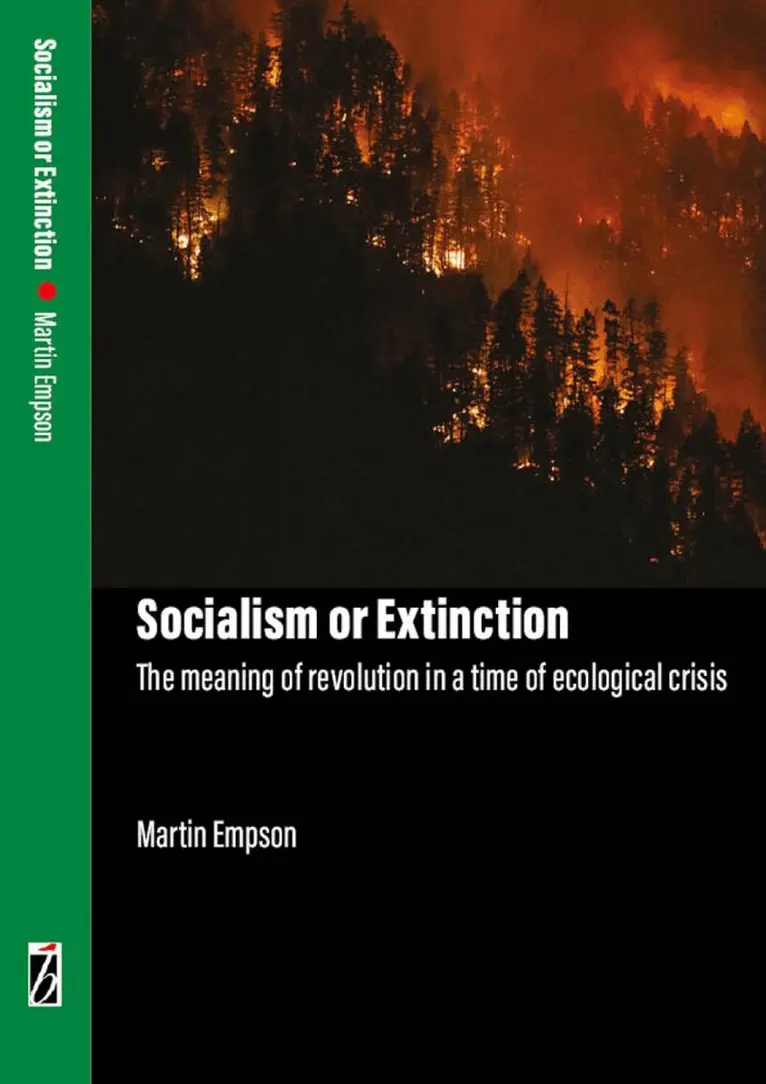
Socialism or Extinction
Häftad, 2022
115 kr
Lägg i varukorg
Capitalism has unleashed an environmental crisis it cannot solve. It destroys the planet and simultaneously prevents us addressing the crisis. Environmental protesters around the world are demanding 'system change' because they know that capitalism puts the pursuit of profit before the lives of …
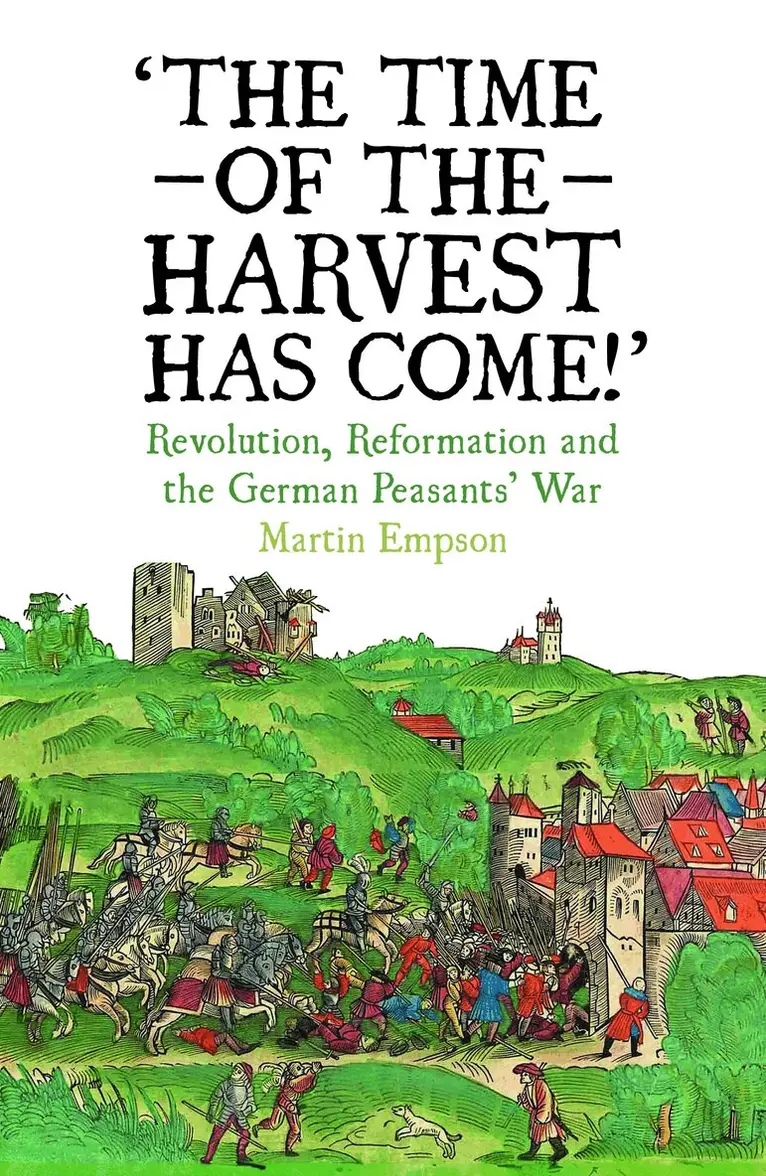
Time of the Harvest has Come
Revolution, Reformation and the German Peasants War
Häftad, 2025
141 kr
Lägg i varukorg
Five hundred years ago, much of Central Europe - centred on what is now Germany was swept by an epic struggle between peasants and lords. Martin Luther and the Protestant Reformation had already begun to challenge the authority of the existing Church. This now opened a space for a challenge to the …
Zeit der Ernte ist da!
Revolution, Reformation und der Deutsche Bauernkrieg
Häftad, 2025
287 kr
Lägg i varukorg
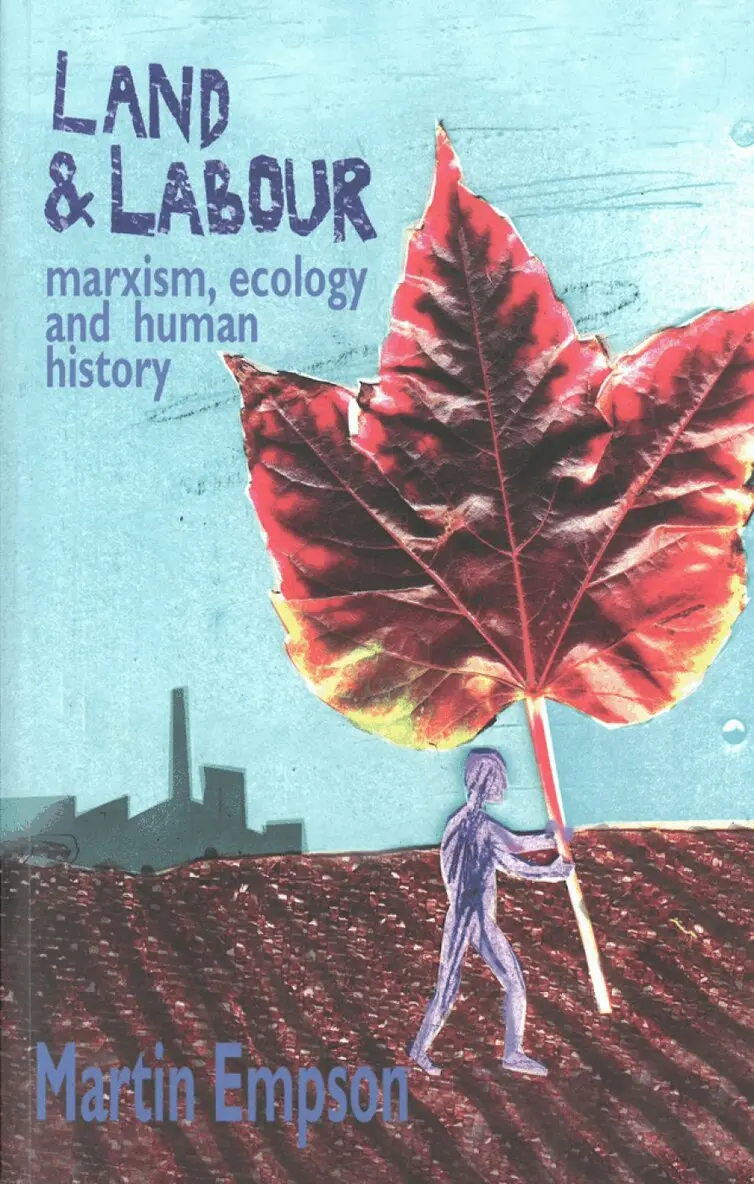
Land and Labour: Marxism, Ecology and Human History
Häftad, 2014
154 kr
Tillfälligt slut
Martin Empson draws on a Marxist understanding of history to grapple with the contradictory potential of our relationship with our environment. In so doing he shows that human action is key, both to the destruction of nature and to the possibility of a sustainable solution to the ecological crises …
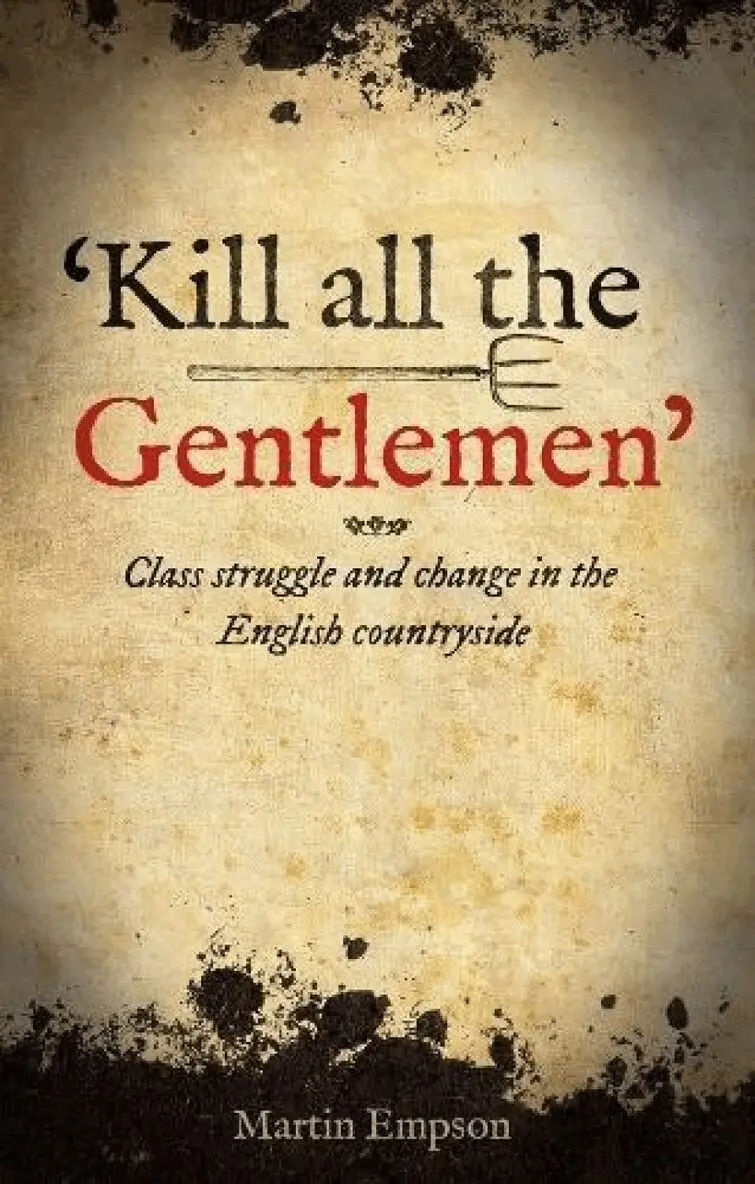
'Kill all the Gentlemen'
Class struggle and change in the English countryside
Häftad, 2018
166 kr
Tillfälligt slut
The modern countryside is the result of centuries of environmental change, but also brutal class struggle. While Wat Tyler's Peasants' Revolt is well known, and Jack Cade and Robert Kett are remembered for their rebellions, there are countless lesser known struggles. Modern agriculture, the food we …