Martin Hammond - Böcker
Visar alla böcker från författaren Martin Hammond. Handla med fri frakt och snabb leverans.
3 produkter
3 produkter
102 kr
Skickas
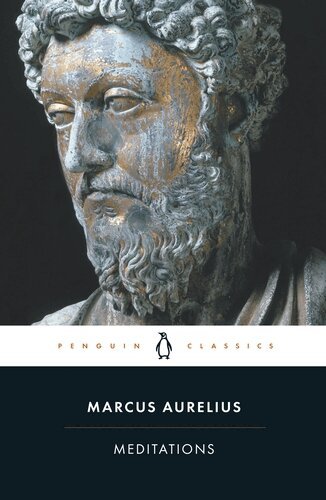
'Their icy blasts are refreshing and restorative. They tell you the worst. And having heard the worst, you feel less bad' Blake MorrisonWritten in Greek by the only Roman emperor who was also a philosopher, without any intention of publication, the Meditations of Marcus Aurelius offer a remarkable series of challenging spiritual reflections and exercises developed as the emperor struggled to understand himself and make sense of the universe. While the Meditations were composed to provide personal consolation and encouragement, Marcus Aurelius also created one of the greatest of all works of philosophy: a timeless collection that has been consulted and admired by statesmen, thinkers and readers throughout the centuries.Translated with notes by MARTIN HAMMOND with an Introduction by DISKIN CLAY
499 kr
Skickas inom 10-15 vardagar
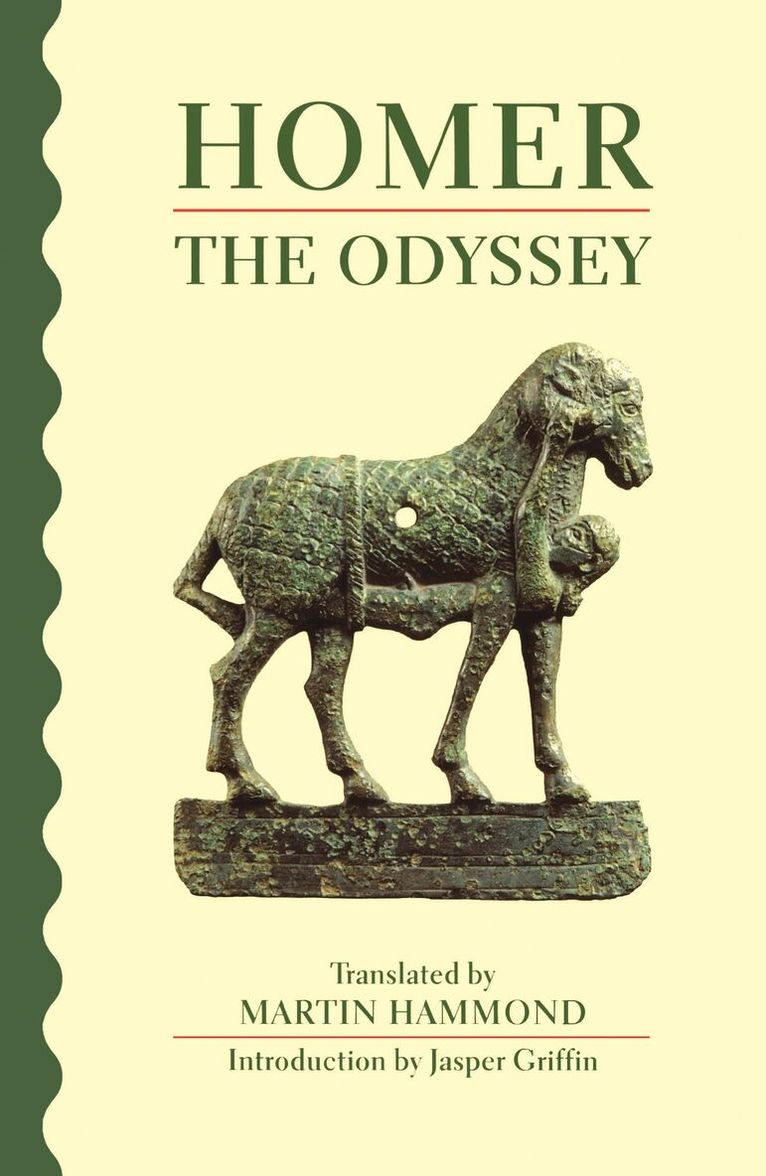
"The Odyssey" is one of the earliest works of European literature, second only to "The Iliad". These two great epic poems, the astonishing first fruits of Greek civilisation, have together determined much of the course of Western literary culture and imagination. "The Odyssey" tells of the long and painful return of Odysseus from the Trojan War to his homeland of Ithaka, his wife Penelope, and his son Telemachos. Even after he finally returns, there are enemies to be fought in his house. The action of the poem covers a huge canvas, ranging widely over time and place, exploring the known and the unknown worlds, involving magic and monsters, gods and ghosts, dangers defied: throughout there runs a strong and eloquent insistence on the humanity of man and the ultimate triumph of good over evil. This new translation by Martin Hammond complements his translation of "The Iliad". It aims to capture as closely as possible both the simplicity and the intensity of Homer's epic.
83 kr
Skickas inom 10-15 vardagar
Bricks were introduced to Britain by the Romans and reintroduced by Flemish craftsmen in the middle ages. Until the early nineteenth century they were made in numerous small brickyards supplying local needs, but eventually increasing demand led to the invention of improved brickmaking machines and kilns. This book gives an insight into the surprising variety of bricks, as well as a brief history of brickmaking, descriptions of hand and machine moulding, drying, the use of kilns and firing. Despite competition from newer materials, brick still holds its own as a facing material and traditional methods still survive in the smaller yards.