Martin Legassick – författare
Visar alla böcker från författaren Martin Legassick. Handla med fri frakt och snabb leverans.
5 produkter
5 produkter
E-bok
PDF, Engelska, 2017384 kr
Läs direkt efter köp
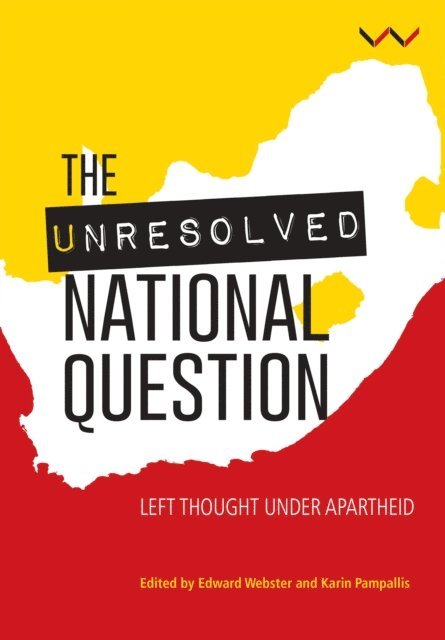
The re-emergence of debates on the decolonisation of knowledge has revived interest in the National Question, which began over a century ago and remains unresolved. Tensions that were suppressed and hidden in the past are now being openly debated. Despite this, the goal of one united nation living prosperously under a constitutional democracy remains elusive. This edited volume examines the way in which various strands of left thought have addressed the National Question, especially during the apartheid years, and goes on to discuss its relevance for South Africa today and in the future. Instead of imposing a particular understanding of the National Question, the editors identified a number of political traditions and allowed contributors the freedom to define the question as they believed appropriate – in other words, to explain what they thought was the Unresolved National Question. This has resulted in a rich tapestry of interweaving perceptions. The volume is structured in two parts. The first examines four foundational traditions: Marxism-Leninism (the Colonialism of a Special Type thesis); the Congress tradition; the Trotskyist tradition; and Africanism. The second part explores the various shifts in the debate from the 1960s onwards, and includes chapters on Afrikaner nationalism, ethnic issues, black consciousness, feminism, workerism and constitutionalism. The editors hope that by revisiting the debates not popularly known among the scholarly mainstream, this volume will become a catalyst for an enriched debate on our identity and our future.
E-bok
Engelska, 2017384 kr
Läs direkt efter köp
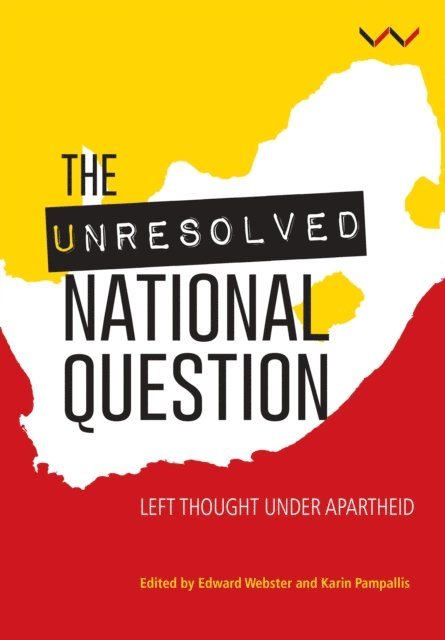
The re-emergence of debates on the decolonisation of knowledge has revived interest in the National Question, which began over a century ago and remains unresolved. Tensions that were suppressed and hidden in the past are now being openly debated. Despite this, the goal of one united nation living prosperously under a constitutional democracy remains elusive. This edited volume examines the way in which various strands of left thought have addressed the National Question, especially during the apartheid years, and goes on to discuss its relevance for South Africa today and in the future. Instead of imposing a particular understanding of the National Question, the editors identified a number of political traditions and allowed contributors the freedom to define the question as they believed appropriate – in other words, to explain what they thought was the Unresolved National Question. This has resulted in a rich tapestry of interweaving perceptions. The volume is structured in two parts. The first examines four foundational traditions: Marxism-Leninism (the Colonialism of a Special Type thesis); the Congress tradition; the Trotskyist tradition; and Africanism. The second part explores the various shifts in the debate from the 1960s onwards, and includes chapters on Afrikaner nationalism, ethnic issues, black consciousness, feminism, workerism and constitutionalism. The editors hope that by revisiting the debates not popularly known among the scholarly mainstream, this volume will become a catalyst for an enriched debate on our identity and our future.
Häftad, Engelska, 2016
459 kr
Skickas inom 5-8 vardagar
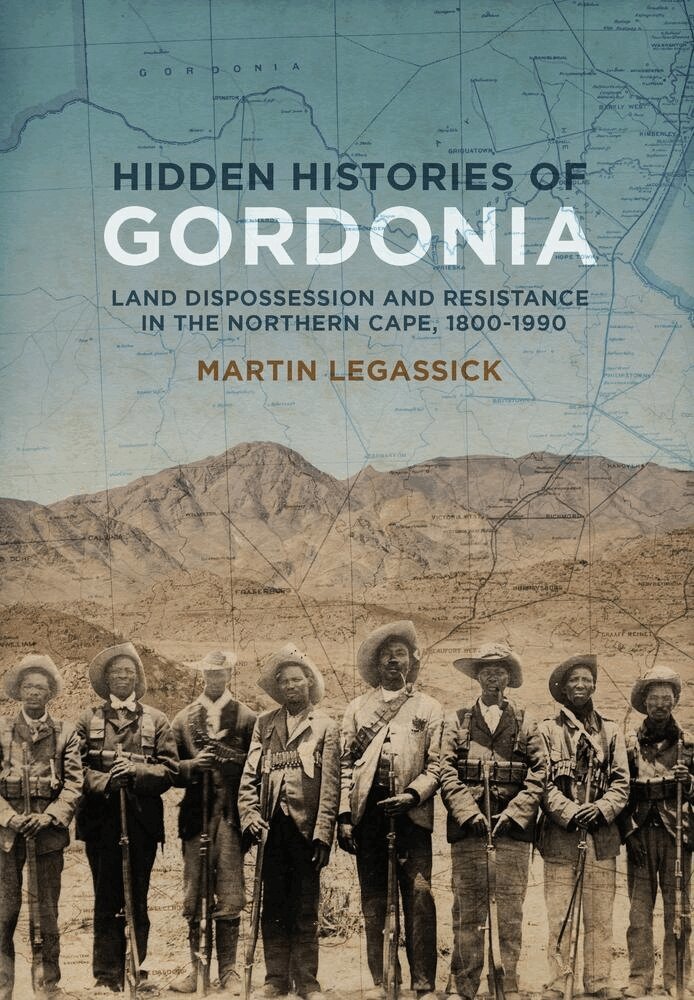
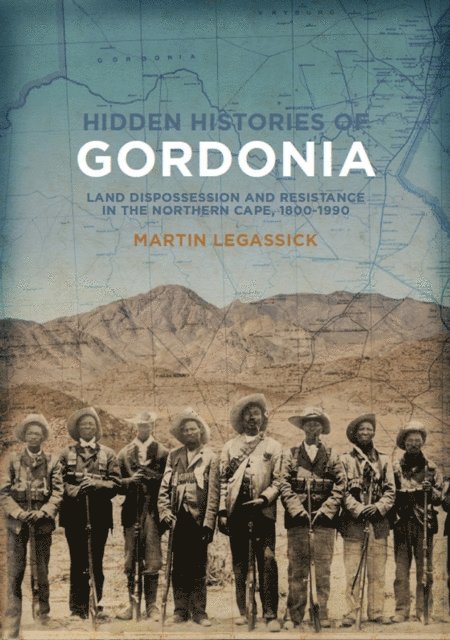
The Gordonia region of the Northern Cape province has received relatively little attention from historians. In Hidden Histories of Gordonia: Land dispossession and resistance in the Northern Cape, 1800–1990, Martin Legassick explores aspects of the generally unknown 'brown' and 'black' history of the region. Emphasising the lives of ordinary people, his writing is also in part an exercise in 'applied history' – historical writing with a direct application to people's lives in the present.Tracing the indigenous history of Gordonia as well as the northward movement of Basters and whites from the western Cape through Bushmanland to the Orange River, the book presents accounts of family histories, episodes of indigenous resistance to colonisation, and studies of the ultimate imposition of racial segregation and land dispossession on the inhabitants of the region. A recurrent theme is the question of identity and how the extreme ethnic fluidity and social mixing apparent in earlier times crystallised in the colonial period into racial identities, until with final conquest came imposed racial classification.
E-bok
Engelska, 2016553 kr
Läs direkt efter köp
The Gordonia region of the Northern Cape province has received relatively little attention from historians. In Hidden Histories of Gordonia: Land dispossession and resistance in the Northern Cape, 1800–1990, Martin Legassick explores aspects of the generally unknown ‘brown’ and ‘black’ history of the region. Emphasising the lives of ordinary people, his writing is also in part an exercise in ‘applied history’ – historical writing with a direct application to people’s lives in the present. Tracing the indigenous history of Gordonia as well as the northward movement of Basters and whites from the western Cape through Bushmanland to the Orange River, the book presents accounts of family histories, episodes of indigenous resistance to colonisation, and studies of the ultimate imposition of racial segregation and land dispossession on the inhabitants of the region. A recurrent theme is the question of identity and how the extreme ethnic fluidity and social mixing apparent in earlier times crystallised in the colonial period into racial identities, until with final conquest came imposed racial classification.
E-bok
PDF, Engelska, 2016553 kr
Läs direkt efter köp
The Gordonia region of the Northern Cape province has received relatively little attention from historians. In Hidden Histories of Gordonia: Land dispossession and resistance in the Northern Cape, 1800–1990, Martin Legassick explores aspects of the generally unknown ‘brown’ and ‘black’ history of the region. Emphasising the lives of ordinary people, his writing is also in part an exercise in ‘applied history’ – historical writing with a direct application to people’s lives in the present. Tracing the indigenous history of Gordonia as well as the northward movement of Basters and whites from the western Cape through Bushmanland to the Orange River, the book presents accounts of family histories, episodes of indigenous resistance to colonisation, and studies of the ultimate imposition of racial segregation and land dispossession on the inhabitants of the region. A recurrent theme is the question of identity and how the extreme ethnic fluidity and social mixing apparent in earlier times crystallised in the colonial period into racial identities, until with final conquest came imposed racial classification.