Daryl Glaser - Böcker
Visar alla böcker från författaren Daryl Glaser. Handla med fri frakt och snabb leverans.
5 produkter
5 produkter
2 724 kr
Skickas inom 10-15 vardagar
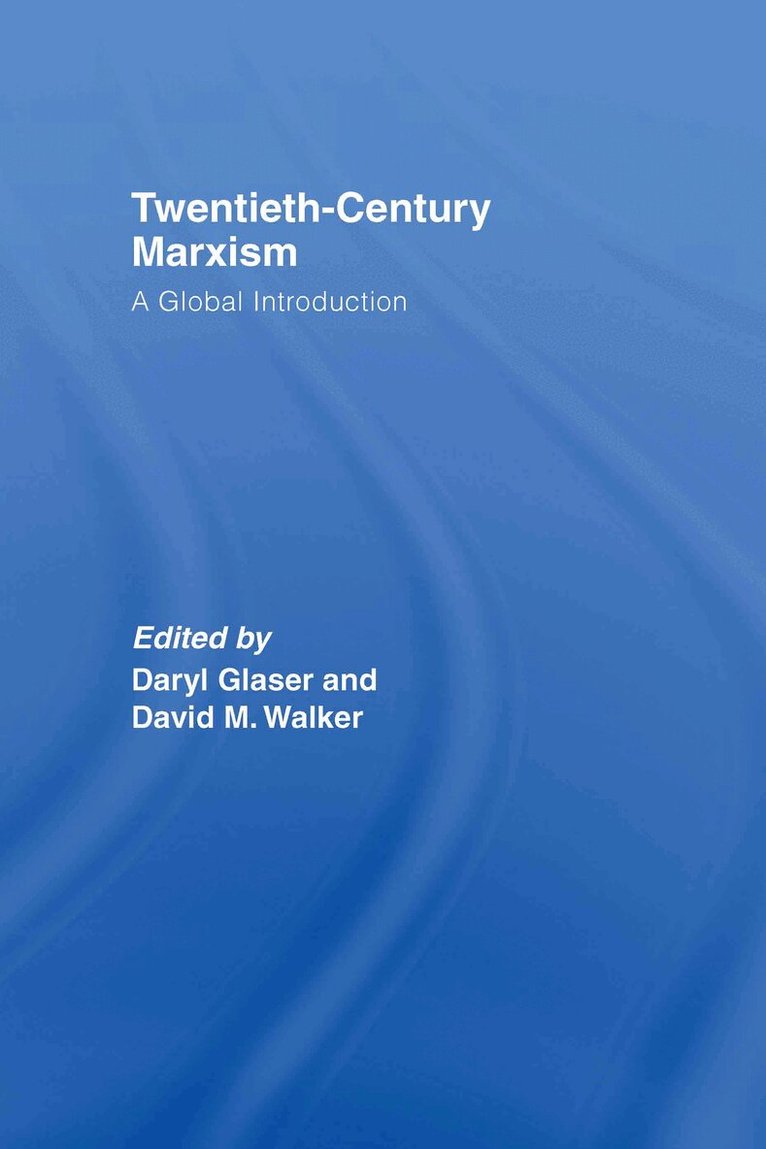
This book outlines and assesses the Marxist tradition as it developed in the twentieth century, and considers its place and standing as we move into the twenty-first century. It is divided into three parts examining Marxism historically, geographically and thematically:Part 1 analyzes early Marxism in Russia and Europe as it developed after the death of Marx. Lenin, Trotsky, Luxemburg, Kautsky, Bernstein and the school of thought associated with them are all examinedPart 2 deals with thinkers, debates and movements that followed the early Marxism focused on in part one, and includes chapters on Marxism in Europe, the Soviet Union, Africa, Asia and Latin AmericaPart 3 is concerned with more contemporary debates in relation to Marxism and its standing and role today. The chapters in this section consider various themes including the relationship between theory and practice in Marxism, democratic procedure and liberties, Marxism as an economic critique of capitalism and Marxist methodology. Twentieth Century Marxism is not an introspective discussion of Marxism that would be of interest only to a limited number of specialists. Rather, it provides a thoughtful and stimulating contribution to debates about the role of Marxism today and its future direction.
809 kr
Skickas inom 10-15 vardagar
This book outlines and assesses the Marxist tradition as it developed in the twentieth century, and considers its place and standing as we move into the twenty-first century. It is divided into three parts examining Marxism historically, geographically and thematically:Part 1 analyzes early Marxism in Russia and Europe as it developed after the death of Marx. Lenin, Trotsky, Luxemburg, Kautsky, Bernstein and the school of thought associated with them are all examinedPart 2 deals with thinkers, debates and movements that followed the early Marxism focused on in part one, and includes chapters on Marxism in Europe, the Soviet Union, Africa, Asia and Latin AmericaPart 3 is concerned with more contemporary debates in relation to Marxism and its standing and role today. The chapters in this section consider various themes including the relationship between theory and practice in Marxism, democratic procedure and liberties, Marxism as an economic critique of capitalism and Marxist methodology. Twentieth Century Marxism is not an introspective discussion of Marxism that would be of interest only to a limited number of specialists. Rather, it provides a thoughtful and stimulating contribution to debates about the role of Marxism today and its future direction.
310 kr
Skickas inom 7-10 vardagar
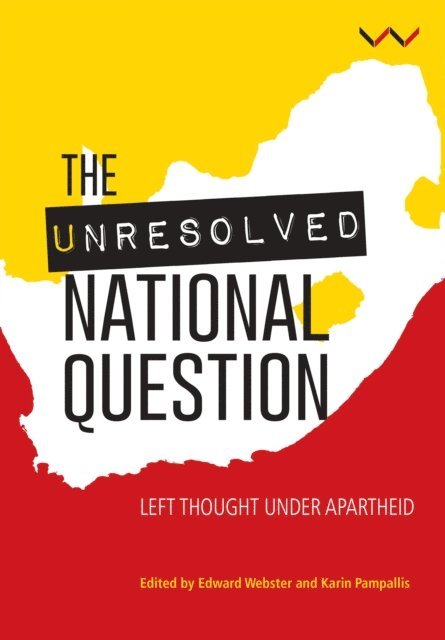
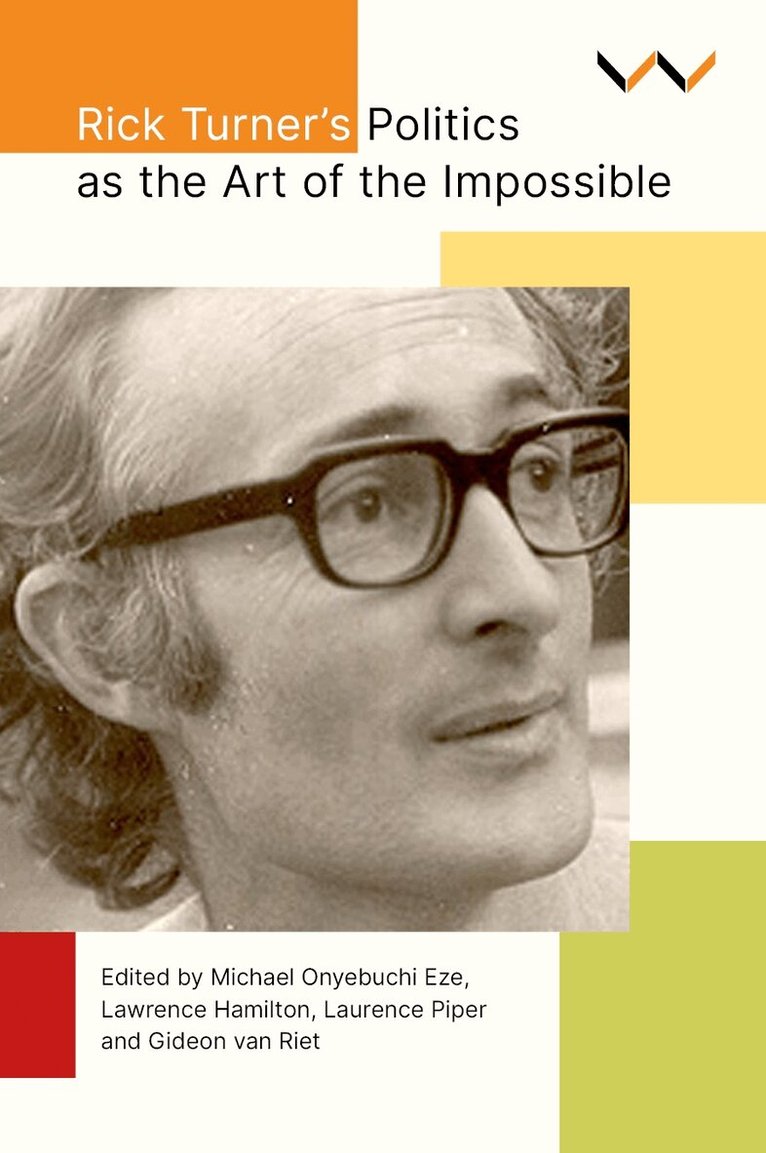
Revisits the work of Rick Turner, a South African political theorist, and addresses contemporary debatesRick Turner was a South African academic and anti-apartheid activist who rebelled against the apartheid state at the height of its power. For this he was assassinated in 1978, at just 32 years of age, but his life and work are testimony to the power of philosophical thinking for humans everywhere. Turner chose to live freely in an unfree time and argued for a non-racial, socialist future in a context where this seemed unimaginable.This book takes seriously Rick Turner's challenge that political theorising requires thinking in a utopian way. Turner's seminal book The Eye of the Need: Towards a Participatory Democracy laid out some of his most potent ideas on a radically different political and economic system. His demand was that we work to escape the limiting ideas of the present, carefully design a just future based on shared human values, and act to make it a reality, both politically and in our daily lives.The contributors to this volume engage critically with Turner's work on race relations, his relationship with Steve Biko, his views on religion, education and gender oppression, his participatory model of democracy, and his critique of enduring forms of poverty and economic inequality. They show how, in his life and work, Turner modeled how we can dare to be free and how hope can return, as the future always remains open to human construction. This book makes an important contribution to contemporary thinking and activism where the need for South Africans to define their understanding of their greater common good is of crucial importance.
943 kr
Skickas inom 7-10 vardagar
Revisits the work of Rick Turner, a South African political theorist, and addresses contemporary debatesRick Turner was a South African academic and anti-apartheid activist who rebelled against the apartheid state at the height of its power. For this he was assassinated in 1978, at just 32 years of age, but his life and work are testimony to the power of philosophical thinking for humans everywhere. Turner chose to live freely in an unfree time and argued for a non-racial, socialist future in a context where this seemed unimaginable.This book takes seriously Rick Turner's challenge that political theorising requires thinking in a utopian way. Turner's seminal book The Eye of the Need: Towards a Participatory Democracy laid out some of his most potent ideas on a radically different political and economic system. His demand was that we work to escape the limiting ideas of the present, carefully design a just future based on shared human values, and act to make it a reality, both politically and in our daily lives.The contributors to this volume engage critically with Turner's work on race relations, his relationship with Steve Biko, his views on religion, education and gender oppression, his participatory model of democracy, and his critique of enduring forms of poverty and economic inequality. They show how, in his life and work, Turner modeled how we can dare to be free and how hope can return, as the future always remains open to human construction. This book makes an important contribution to contemporary thinking and activism where the need for South Africans to define their understanding of their greater common good is of crucial importance.
374 kr
Skickas inom 7-10 vardagar
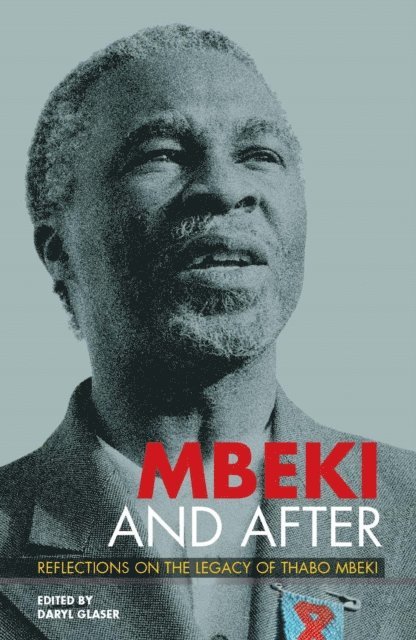
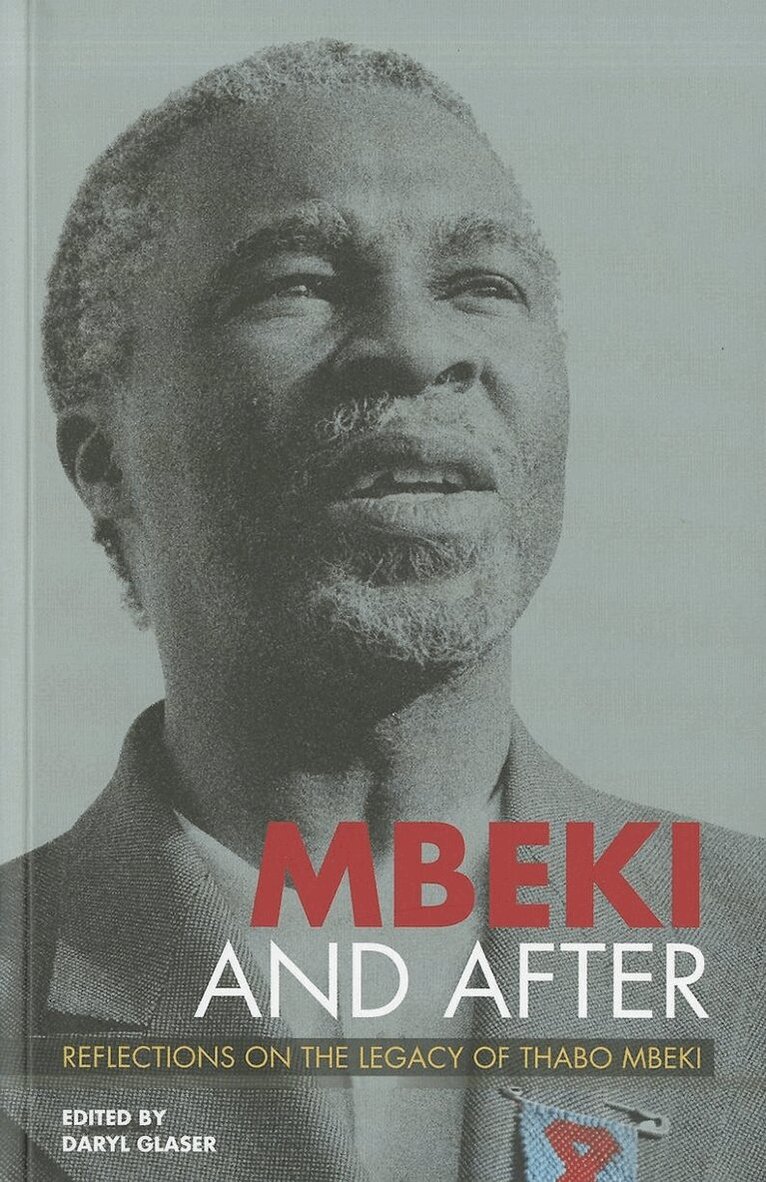
For nearly ten years – indeed more if we include his period of influence under Mandela's presidency – Thabo Mbeki bestrode South Africa's political stage. Despite attempts by some in the new ANC leadership to airbrush out his role, there can be little doubt that Mbeki was a seminal figure in South Africa's new democracy, one who left a huge mark in many fields, perhaps most controversially in state and party management, economic policy, public health intervention, foreign affairs and race relations. If we wish to understand the character and fate of post-1994 South Africa, we must therefore ask: What kind of political system, economy and society has the former President bequeathed to the government of Jacob Zuma and to the citizens of South Africa generally? This question is addressed head-on here by a diverse range of analysts, commentators and participants in the political process. Amongst the specific questions they seek to answer: What is Mbeki's legacy for patterns of inclusion and exclusion based on race, class and gender? How, if at all, did his presidency reshape relations within the state, between the state and the ruling party and between the state and society? How did he reposition South Africa on the continent and in the world? This book will be of interest to anyone wishing to understand the current political landscape in South Africa, and Mbeki's role in shaping it.