Martin Zelm – författare
2 911 kr
Läs direkt efter köp
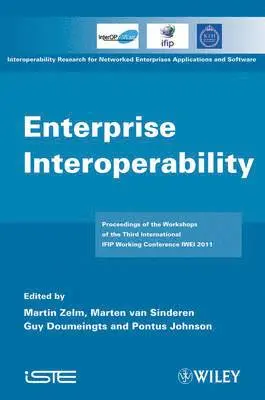
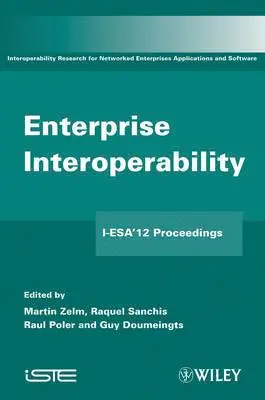
In a fast changing world governed by innovative Enterprise Services and the Future Internet, the issue of Enterprise Interoperability is no longer limited to the interoperation of systems within a single company, but has become a much greater multi-view issue of interoperability throughout a Network of Enterprises. This book contains the proceedings of 13 workshops presented as short papers and discussions held at each workshop. The workshops were co-located with the I-ESA’12 Conference organized by the Polytechnic University of Valencia, Spain. Complementary to the conference program, the workshops aimed at exploiting new issues, challenges and solutions for Enterprise Interoperability. The scope of the workshops spanned a wide range of interoperability issues in Service Science and Innovation, Model Driven Interoperability, Service Oriented Architectures, Factories of the Future, Enterprise Networks and Management, SME Aspects and Standards.
2 911 kr
Läs direkt efter köp
In a fast changing world governed by innovative Enterprise Services and the Future Internet, the issue of Enterprise Interoperability is no longer limited to the interoperation of systems within a single company, but has become a much greater multi-view issue of interoperability throughout a Network of Enterprises. This book contains the proceedings of 13 workshops presented as short papers and discussions held at each workshop. The workshops were co-located with the I-ESA’12 Conference organized by the Polytechnic University of Valencia, Spain. Complementary to the conference program, the workshops aimed at exploiting new issues, challenges and solutions for Enterprise Interoperability. The scope of the workshops spanned a wide range of interoperability issues in Service Science and Innovation, Model Driven Interoperability, Service Oriented Architectures, Factories of the Future, Enterprise Networks and Management, SME Aspects and Standards.
2 199 kr
Läs direkt efter köp
Contents
1 – Model Driven Services Engineering Architecture (MDSEA): A Result of MSEE Project An Architecture for Service Modelling in Servitization Context: MDSEA, Y. Ducq. A Set of Templates for MDSEA, D. Chen. 2 – Interoperability to Support Business–IT Alignment Report Workshop 2, I.-S. Fan, V. Taratoukhine, M. Matzner. Interoperability as a Catalyst for Business Innovation, J.H.P. Eloff, M.M. Eloff, M.T. Dlamini, E. Ngassam, D. Ras. Process-Oriented Business Modeling – An Application in the Printing Industry, A. Malsbender, K. Ortbach, R. Plattfaut, M. Voigt, B. Niehaves. A Comparative Study of Modelling Methodologies Using a Concept of Process Consistency, E. Babkin, E. Potapova, Y. Zelenova. Maintenance Support throughout the Life-Cycle of High Value Manufacturing Products. Interoperability Issues, A. Fedotova, V. Taratoukhine, Y. Kupriyanov. Using Enterprise Architecture to Align Business Intelligence Initiatives, I.-S. Fan, S. Warner. Towards Enterprise Architecture Using Solution Architecture Models, V. Agievich, R. Gimranov, V. Taratoukhine, J. Becker. 3 – Standardisation for Interoperability in the Service-Oriented Enterprise Report Workshop 3, M. Zelm, D. Chen. Standardisation in Manufacturing Service Engineering, M. Zelm, G. Doumeingts. Service Modelling Language and Potentials for a New Standard, D. Chen. An Approach to Standardise a Service Life Cycle Management, M. Freitag, D. Kremer, M. Hirsch, M. Zelm. Open Business Model, Process and Service Innovation with VDML and ServiceML, A. J. Berre, H. De Man, Y. Lew, B. Elvesæter, B.M. Ursin-Holm. Reference Ontologies for Manufacturing, R. Young, N. Hastilow, M. Imran, N. Chungoora, Z. Usman, A.-F. Cutting-Decelle. Standardisation Tools for Negotiating Interoperability Solutions, T. Santos, C. Coutinho, A. Cretan, M. Beca, R. Jardim-Goncalves. 4 – Case Studies on Enterprise Interoperability: How IT Managers Profit from EI Research Report Workshop 4, S. Kassel. Experiences of Transferring Approaches of Interoperability into SMEs, F. Gruner, S. Kassel. 5 – Selected New Applications of Enterprise Interoperability . 179 Report Workshop 5, L. Ferreira Pires, P. Johnson. Service-Oriented Enterprise Interoperability in Logistics, W. Hofman. An Ontological Approach to Logistics, L. Daniele, L. Ferreira Pires. Social Vision of Collaboration of Organizations on a Cloud Platform, A. Montarnal, W. Mu, F. Bénaben, A.-M. Barthe-Delanoë, J. Lamothe. Semantic Standards Quality Measured for Achieving Enterprise Interoperability: The Case of the SETU Standard for Flexible Staffing, E. Folmer, H. Wu. Requirements Formalization for Systems Engineering: An Approach for Interoperability Analysis in Collaborative Process Model, S. Mallek, N. Daclin, V. Chapurlat, B. Vallespir.
2 122 kr
Läs direkt efter köp
Contents
1 – Model Driven Services Engineering Architecture (MDSEA): A Result of MSEE Project An Architecture for Service Modelling in Servitization Context: MDSEA, Y. Ducq. A Set of Templates for MDSEA, D. Chen. 2 – Interoperability to Support Business–IT Alignment Report Workshop 2, I.-S. Fan, V. Taratoukhine, M. Matzner. Interoperability as a Catalyst for Business Innovation, J.H.P. Eloff, M.M. Eloff, M.T. Dlamini, E. Ngassam, D. Ras. Process-Oriented Business Modeling – An Application in the Printing Industry, A. Malsbender, K. Ortbach, R. Plattfaut, M. Voigt, B. Niehaves. A Comparative Study of Modelling Methodologies Using a Concept of Process Consistency, E. Babkin, E. Potapova, Y. Zelenova. Maintenance Support throughout the Life-Cycle of High Value Manufacturing Products. Interoperability Issues, A. Fedotova, V. Taratoukhine, Y. Kupriyanov. Using Enterprise Architecture to Align Business Intelligence Initiatives, I.-S. Fan, S. Warner. Towards Enterprise Architecture Using Solution Architecture Models, V. Agievich, R. Gimranov, V. Taratoukhine, J. Becker. 3 – Standardisation for Interoperability in the Service-Oriented Enterprise Report Workshop 3, M. Zelm, D. Chen. Standardisation in Manufacturing Service Engineering, M. Zelm, G. Doumeingts. Service Modelling Language and Potentials for a New Standard, D. Chen. An Approach to Standardise a Service Life Cycle Management, M. Freitag, D. Kremer, M. Hirsch, M. Zelm. Open Business Model, Process and Service Innovation with VDML and ServiceML, A. J. Berre, H. De Man, Y. Lew, B. Elvesæter, B.M. Ursin-Holm. Reference Ontologies for Manufacturing, R. Young, N. Hastilow, M. Imran, N. Chungoora, Z. Usman, A.-F. Cutting-Decelle. Standardisation Tools for Negotiating Interoperability Solutions, T. Santos, C. Coutinho, A. Cretan, M. Beca, R. Jardim-Goncalves. 4 – Case Studies on Enterprise Interoperability: How IT Managers Profit from EI Research Report Workshop 4, S. Kassel. Experiences of Transferring Approaches of Interoperability into SMEs, F. Gruner, S. Kassel. 5 – Selected New Applications of Enterprise Interoperability . 179 Report Workshop 5, L. Ferreira Pires, P. Johnson. Service-Oriented Enterprise Interoperability in Logistics, W. Hofman. An Ontological Approach to Logistics, L. Daniele, L. Ferreira Pires. Social Vision of Collaboration of Organizations on a Cloud Platform, A. Montarnal, W. Mu, F. Bénaben, A.-M. Barthe-Delanoë, J. Lamothe. Semantic Standards Quality Measured for Achieving Enterprise Interoperability: The Case of the SETU Standard for Flexible Staffing, E. Folmer, H. Wu. Requirements Formalization for Systems Engineering: An Approach for Interoperability Analysis in Collaborative Process Model, S. Mallek, N. Daclin, V. Chapurlat, B. Vallespir.
2 215 kr
Läs direkt efter köp
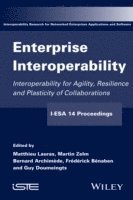
Enterprises and organizations of any kind embedded in today''s economic environment are deeply dependent on their ability to take part in collaborations. Consequently, it is strongly required for them to get actively involved for their own benefit in emerging, potentially opportunistic collaborative enterprise networks. The concept of “interoperability” has been defined by INTEROP-VLab as “The ability of an enterprise system or application to interact with others at a low cost in a flexible approach”. Consequently, interoperability of organizations appears as a major issue to succeed in building on the fly emerging enterprise networks.
The International Conference on Interoperability for Enterprise Systems and Applications (I-ESA 2014) was held under the motto “interoperability for agility, resilience and plasticity of collaborations” on March 26-28, 2014 and organized by the Ecole des Mines d’Albi-Carmaux, France on behalf of the European Laboratory for Enterprise Interoperability (INTEROP-VLab).
On March 24-25, co-located with the conference eight workshops and one doctoral symposium were held in four tracks complementing the program of the I-ESA’14 conference. The workshops and the doctoral symposium address areas of greatest current activity focusing on active discussions among the leading researchers in the area of Enterprise Interoperability. This part of the conference helps the community to operate effectively, building co-operative and supportive international links as well as providing new knowledge of on-going research to practitioners. The workshops and doctoral symposium aimed at exploiting new issues, challenges and solutions for Enterprise Interoperability (EI) and associated domains of innovation such as Smart Industry, Internet-Of-Things, Factories of the Future, EI Applications and Standardisation.
These proceedings include the short papers from the I-ESA’14 workshops and the doctoral symposium. The book is split up into 9 sections, one for each workshop and one for the doctoral symposium. All sections were organized following four tracks: (1) EI and Future Internet / Factory of the Future; (2) EI Application Domains and IT; (3) EI Standards; (4) EI Doctoral Symposium. For each section, a workshop report is provided summarizing the content and the issues discussed during the sessions.
The goal of the first track was to offer a discussion opportunity on interoperability issues regarding the use of Internet of Things on manufacturing environment (Workshops 1 and 3) on one hand, and regarding the potential of innovation derived from the use of digital methods, architectures and services such as Smart Networks (Workshops 2 and 4) on the other hand. The second track focused on particular application domains that are looking for innovative solutions to support their strong collaborative needs. Thus, the track developed one workshop on the use of EI solution for Future City-Logistics (Workshop 5) and one on the use of EI solutions for Crisis / Disaster Management (Workshop 6). The third track studied the recent developments in EI standardization. Two workshops were dedicated to this issue. The first one has proposed to focus on the management of standardization (Workshop 8) and the second one has chosen to work on the new knowledge on standardization developments in the manufacturing service domain (Workshop 9). The last track, the doctoral symposium presented research results from selected dissertations. The session discussed EI knowledge issues, notably in terms of gathering through social networks or Internet of Things and of exploitation through innovative decision support systems.
2 215 kr
Läs direkt efter köp
Enterprises and organizations of any kind embedded in today''s economic environment are deeply dependent on their ability to take part in collaborations. Consequently, it is strongly required for them to get actively involved for their own benefit in emerging, potentially opportunistic collaborative enterprise networks. The concept of “interoperability” has been defined by INTEROP-VLab as “The ability of an enterprise system or application to interact with others at a low cost in a flexible approach”. Consequently, interoperability of organizations appears as a major issue to succeed in building on the fly emerging enterprise networks.
The International Conference on Interoperability for Enterprise Systems and Applications (I-ESA 2014) was held under the motto “interoperability for agility, resilience and plasticity of collaborations” on March 26-28, 2014 and organized by the Ecole des Mines d’Albi-Carmaux, France on behalf of the European Laboratory for Enterprise Interoperability (INTEROP-VLab).
On March 24-25, co-located with the conference eight workshops and one doctoral symposium were held in four tracks complementing the program of the I-ESA’14 conference. The workshops and the doctoral symposium address areas of greatest current activity focusing on active discussions among the leading researchers in the area of Enterprise Interoperability. This part of the conference helps the community to operate effectively, building co-operative and supportive international links as well as providing new knowledge of on-going research to practitioners. The workshops and doctoral symposium aimed at exploiting new issues, challenges and solutions for Enterprise Interoperability (EI) and associated domains of innovation such as Smart Industry, Internet-Of-Things, Factories of the Future, EI Applications and Standardisation.
These proceedings include the short papers from the I-ESA’14 workshops and the doctoral symposium. The book is split up into 9 sections, one for each workshop and one for the doctoral symposium. All sections were organized following four tracks: (1) EI and Future Internet / Factory of the Future; (2) EI Application Domains and IT; (3) EI Standards; (4) EI Doctoral Symposium. For each section, a workshop report is provided summarizing the content and the issues discussed during the sessions.
The goal of the first track was to offer a discussion opportunity on interoperability issues regarding the use of Internet of Things on manufacturing environment (Workshops 1 and 3) on one hand, and regarding the potential of innovation derived from the use of digital methods, architectures and services such as Smart Networks (Workshops 2 and 4) on the other hand. The second track focused on particular application domains that are looking for innovative solutions to support their strong collaborative needs. Thus, the track developed one workshop on the use of EI solution for Future City-Logistics (Workshop 5) and one on the use of EI solutions for Crisis / Disaster Management (Workshop 6). The third track studied the recent developments in EI standardization. Two workshops were dedicated to this issue. The first one has proposed to focus on the management of standardization (Workshop 8) and the second one has chosen to work on the new knowledge on standardization developments in the manufacturing service domain (Workshop 9). The last track, the doctoral symposium presented research results from selected dissertations. The session discussed EI knowledge issues, notably in terms of gathering through social networks or Internet of Things and of exploitation through innovative decision support systems.
2 199 kr
Läs direkt efter köp
The ability of future industry to create interactive, flexible and always-on connections between design, manufacturing and supply is an ongoing challenge, affecting competitiveness, efficiency and resourcing. The goal of enterprise interoperability (EI) research is therefore to address the effectiveness of solutions that will successfully prepare organizations for the advent and uptake of new technologies. This volume outlines results and practical concepts from recent and ongoing European research studies in EI, and examines the results of research and discussions cultivated at the I-ESA 2018 conference, “Smart services and business impact of enterprise interoperability”. The conference, designed to encourage collaboration between academic inquiry and real-world industry applications, addressed a number of advanced multidisciplinary topics including Industry 4.0, Big Data, the Internet of Things, Cloud computing, ontology, artificial intelligence, virtual reality and enterprise modelling for future “smart” manufacturing. Readers will find this book to be a source of invaluable knowledge for enterprise architects in a range of industries and organizations.
2 122 kr
Läs direkt efter köp
The ability of future industry to create interactive, flexible and always-on connections between design, manufacturing and supply is an ongoing challenge, affecting competitiveness, efficiency and resourcing. The goal of enterprise interoperability (EI) research is therefore to address the effectiveness of solutions that will successfully prepare organizations for the advent and uptake of new technologies. This volume outlines results and practical concepts from recent and ongoing European research studies in EI, and examines the results of research and discussions cultivated at the I-ESA 2018 conference, “Smart services and business impact of enterprise interoperability”. The conference, designed to encourage collaboration between academic inquiry and real-world industry applications, addressed a number of advanced multidisciplinary topics including Industry 4.0, Big Data, the Internet of Things, Cloud computing, ontology, artificial intelligence, virtual reality and enterprise modelling for future “smart” manufacturing. Readers will find this book to be a source of invaluable knowledge for enterprise architects in a range of industries and organizations.
3 221 kr
Skickas inom 11-20 vardagar
1 830 kr
Skickas inom 5-8 vardagar
Enterprise Interoperability II
New Challenges and Approaches
3 321 kr
Skickas inom 10-15 vardagar
3 948 kr
Läs direkt efter köp
Interoperability: the ability of a system or a product to work with other systems or products without special effort from the user is a key issue in manufacturing and industrial enterprise generally. It is fundamental to the production of goods and services quickly and at low cost at the same time as maintaining levels of quality and customisation.
Composed of over 90 papers, Enterprise Interoperability II ranges from academic research through case studies to industrial and administrative experience of interoperability. The international nature of the authorship continues to broaden. Many of the papers have examples and illustrations calculated to deepen understanding and generate new ideas.
A concise reference to the state of the art in software interoperability, Enterprise Interoperability II will be of great value to engineers and computer scientists working in manufacturing and other process industries and to software engineers and electronic and manufacturing engineers working in the academic environment.
1 863 kr
Skickas inom 11-20 vardagar
2 464 kr
Skickas inom 11-20 vardagar
1 830 kr
Skickas inom 5-8 vardagar
1 850 kr
Skickas inom 5-8 vardagar