Mary J. Schleppegrell – författare
Visar alla böcker från författaren Mary J. Schleppegrell. Handla med fri frakt och snabb leverans.
15 produkter
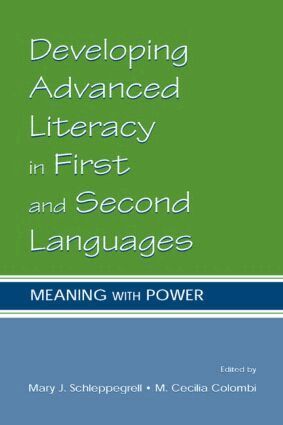
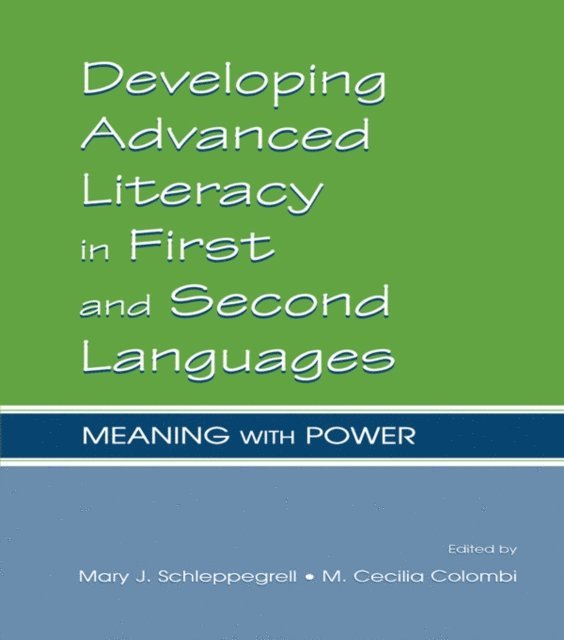
Developing Advanced Literacy in First and Second Languages
Meaning With Power
Av Mary J. Schleppegrell, M. Cecilia Colombi
Inbunden, 2002
2601 kr
Lägg i varukorg
This book addresses the linguistic challenges faced by diverse populations of students at the secondary and post-secondary levels as they engage in academic tasks requiring advanced levels of reading and writing. Learning to use language in ways that meet academic expectations is a challenge for …
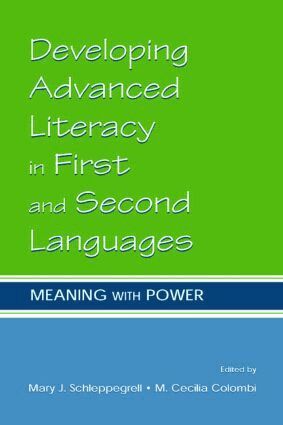
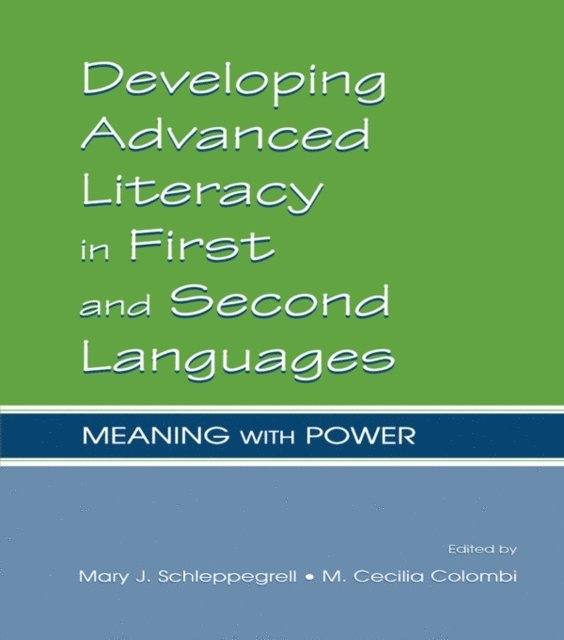
Developing Advanced Literacy in First and Second Languages
Meaning With Power
Av Mary J. Schleppegrell, M. Cecilia Colombi
Häftad, 2002
716 kr
Lägg i varukorg
This book addresses the linguistic challenges faced by diverse populations of students at the secondary and post-secondary levels as they engage in academic tasks requiring advanced levels of reading and writing. Learning to use language in ways that meet academic expectations is a challenge for …
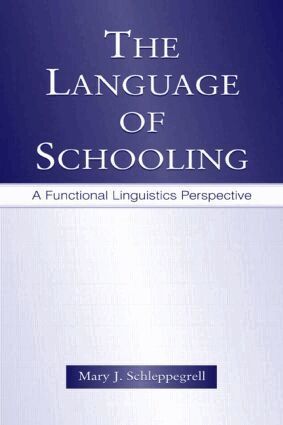
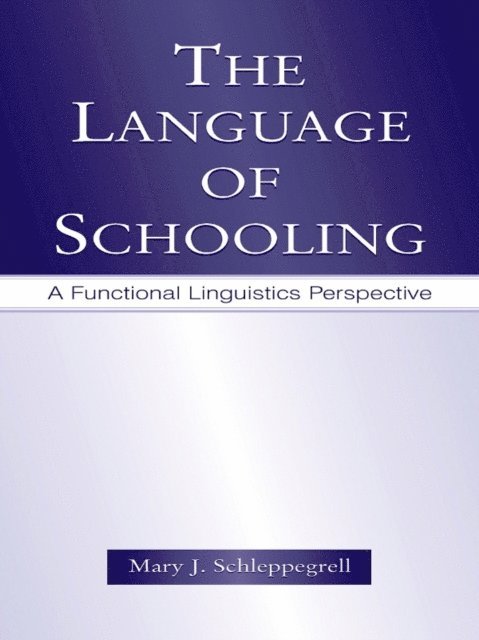
Language of Schooling
A Functional Linguistics Perspective
Inbunden, 2004
2455 kr
Lägg i varukorg
This book is about how language is used in the context of schooling. It demonstrates that the variety of English expected at school differs from the interactional language that students use for social purposes outside of school, and provides a linguistic analysis of the challenges of the school …
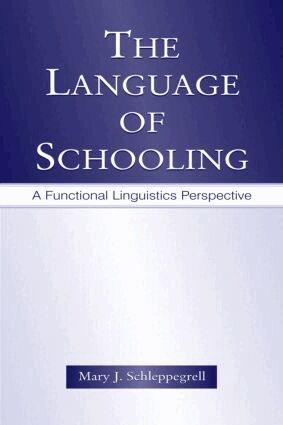
Language of Schooling
A Functional Linguistics Perspective
Häftad, 2004
3,0 utav 5 stjärnor. Totalt antal röster: (1)
590 kr
Lägg i varukorg
This book is about how language is used in the context of schooling. It demonstrates that the variety of English expected at school differs from the interactional language that students use for social purposes outside of school, and provides a linguistic analysis of the challenges of the school …
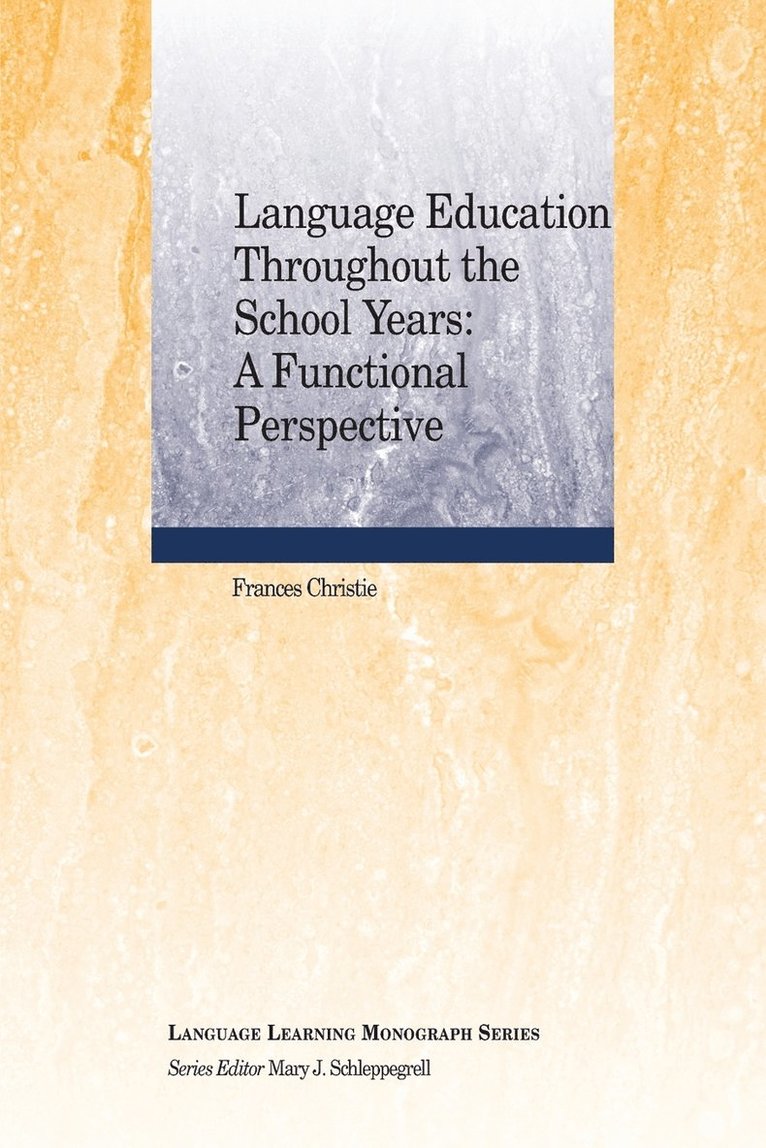
Language Education Throughout the School Years
A Functional Perspective
Av Frances Christie, Mary J. Schleppegrell
Häftad, 2012
5,0 utav 5 stjärnor. Totalt antal röster: (1)
540 kr
Lägg i varukorg
This volume explores the evolution in language use experienced by children and young people throughout school, and the ways they become more conscious about its multi-functionality and the choices open to them in making meaning. Describes a trajectory of language development in schooling from age 6 …
Language as Social Semiotic-Based Approach to Teaching and Learning in Higher Education
Av Caroline Coffin, Jim Donohue m. fl.
Häftad, 2014
510 kr
Lägg i varukorg
This monograph offers research-based perspectives and linguistically informed approaches to supporting language and literacy development in higher education.
Language of Schooling
A Functional Linguistics Perspective
E-bok, 2004
606 kr
Lägg i varukorg
This book is about how language is used in the context of schooling. It demonstrates that the variety of English expected at school differs from the interactional language that students use for social purposes outside of school, and provides a linguistic analysis of the challenges of the school …
Language of Schooling
A Functional Linguistics Perspective
E-bok, 2004
642 kr
Lägg i varukorg
This book is about how language is used in the context of schooling. It demonstrates that the variety of English expected at school differs from the interactional language that students use for social purposes outside of school, and provides a linguistic analysis of the challenges of the school …
Developing Advanced Literacy in First and Second Languages
Meaning With Power
Av M. Cecilia Colombi, Mary J. Schleppegrell
E-bok, 2005
838 kr
Lägg i varukorg
This book addresses the linguistic challenges faced by diverse populations of students at the secondary and post-secondary levels as they engage in academic tasks requiring advanced levels of reading and writing. Learning to use language in ways that meet academic expectations is a challenge for …
Developing Advanced Literacy in First and Second Languages
Meaning With Power
Av M. Cecilia Colombi, Mary J. Schleppegrell
E-bok, 2005
791 kr
Lägg i varukorg
This book addresses the linguistic challenges faced by diverse populations of students at the secondary and post-secondary levels as they engage in academic tasks requiring advanced levels of reading and writing. Learning to use language in ways that meet academic expectations is a challenge for …
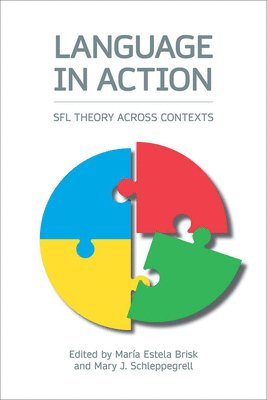
Language in Action
SFL Theory Across Contexts
Av Maria Estela Brisk, Mary J. Schleppegrell
Inbunden, 2021
1112 kr
Lägg i varukorg
Language in Action
SFL Theory Across Contexts
Av Maria Estela Brisk, Mary J. Schleppegrell
Häftad, 2021
526 kr
Lägg i varukorg
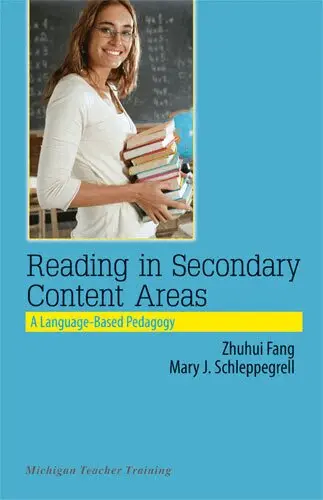
Reading in Secondary Content Areas
A Language-Based Pedagogy
Av Mary J. Schleppegrell, Zhihui Fang
Häftad, 2008
350 kr
Tillfälligt slut
What does it mean to teach reading in the context of the middle and high school classroom? Don’t students already know how to read by the time they get to secondary school? And how can a busy teacher take time away from the packed curriculum of science, history, mathematics, or language arts to …
Language of Schooling
A Functional Linguistics Perspective
E-bok, 2004
278 kr
Tillfälligt slut
This book is about how language is used in the context of schooling. It demonstrates that the variety of English expected at school differs from the interactional language that students use for social purposes outside of school, and provides a linguistic analysis of the challenges of the school …
Developing Advanced Literacy in First and Second Languages
Meaning With Power
Av M. Cecilia Colombi, Mary J. Schleppegrell
E-bok, 2002
360 kr
Tillfälligt slut
This book addresses the linguistic challenges faced by diverse populations of students at the secondary and post-secondary levels as they engage in academic tasks requiring advanced levels of reading and writing. Learning to use language in ways that meet academic expectations is a challenge for …