Mary McAuliffe – författare
Visar alla böcker från författaren Mary McAuliffe. Handla med fri frakt och snabb leverans.
16 produkter
16 produkter
Häftad, Engelska, 2014
263 kr
Skickas inom 10-15 vardagar
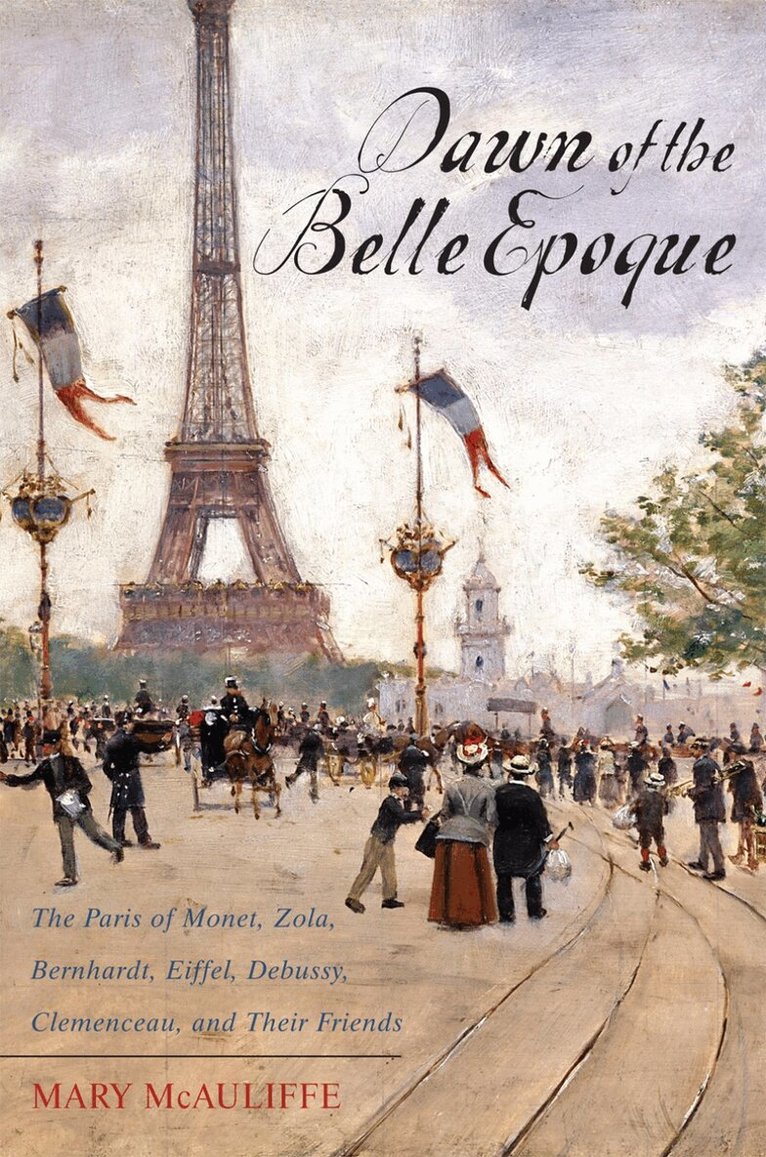
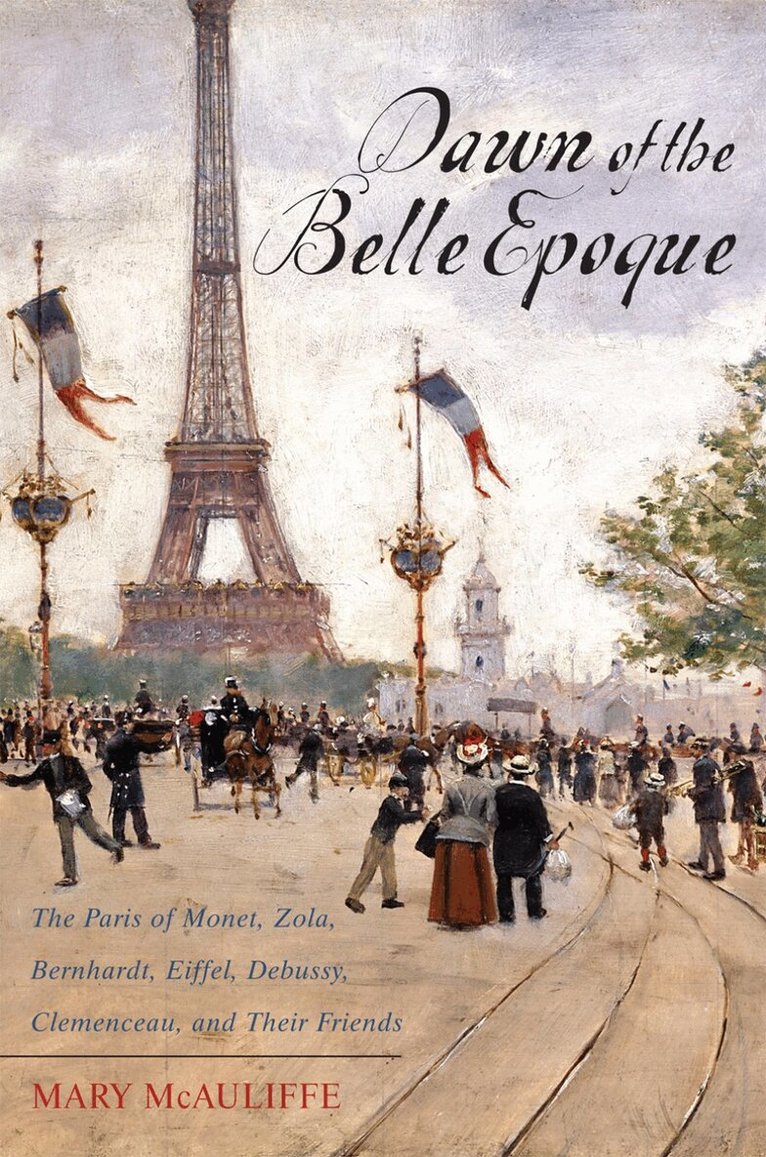
A humiliating military defeat by Bismarck's Germany, a brutal siege, and a bloody uprising—Paris in 1871 was a shambles, and the question loomed, "Could this extraordinary city even survive?" With the addition of an evocative new preface, Mary McAuliffe takes the reader back to these perilous years following the abrupt collapse of the Second Empire and France's uncertain venture into the Third Republic. By 1900, Paris had recovered and the Belle Epoque was in full flower, but the decades between were difficult, marked by struggles between republicans and monarchists, the Republic and the Church, and an ongoing economic malaise, darkened by a rising tide of virulent anti-Semitism. Yet these same years also witnessed an extraordinary blossoming in art, literature, poetry, and music, with the Parisian cultural scene dramatically upended by revolutionaries such as Monet, Zola, Rodin, and Debussy, even while Gustave Eiffel was challenging architectural tradition with his iconic tower. Through the eyes of these pioneers and others, including Sarah Bernhardt, Georges Clemenceau, Marie Curie, and César Ritz, we witness their struggles with the forces of tradition during the final years of a century hurtling towards its close. Through rich illustrations and vivid narrative, McAuliffe brings this vibrant and seminal era to life.
Inbunden, Engelska, 2012
291 kr
Skickas inom 10-15 vardagar
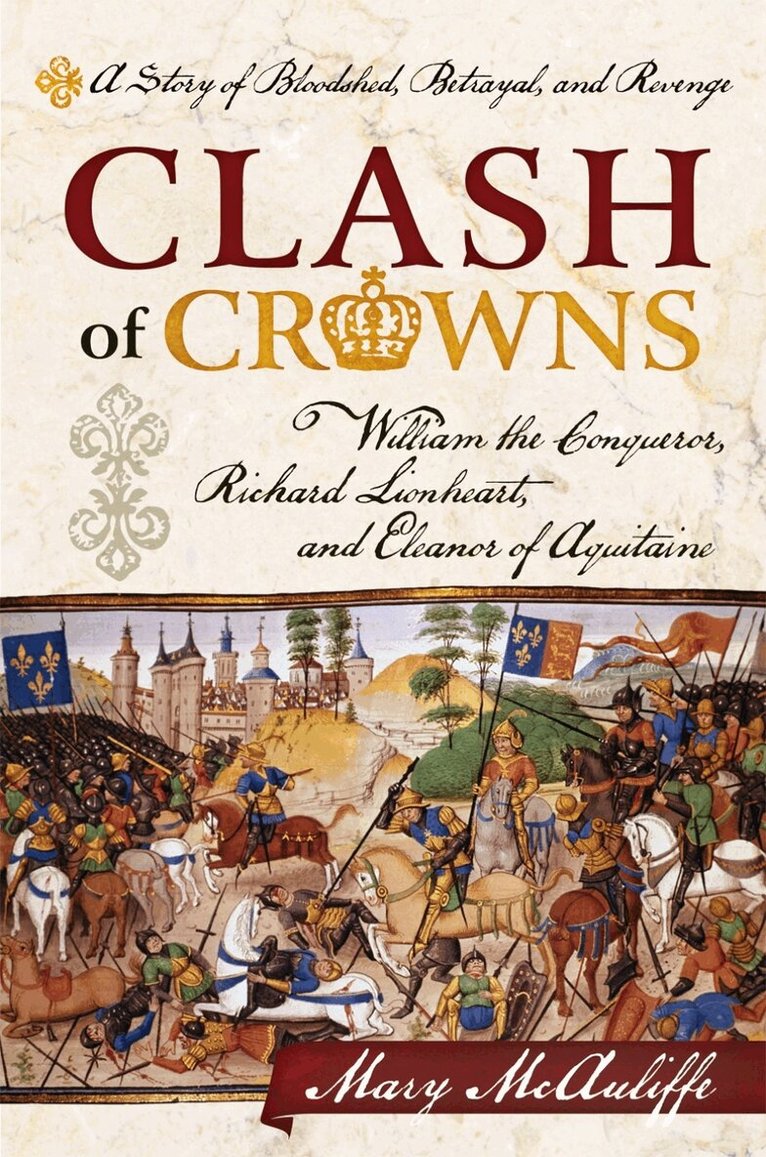
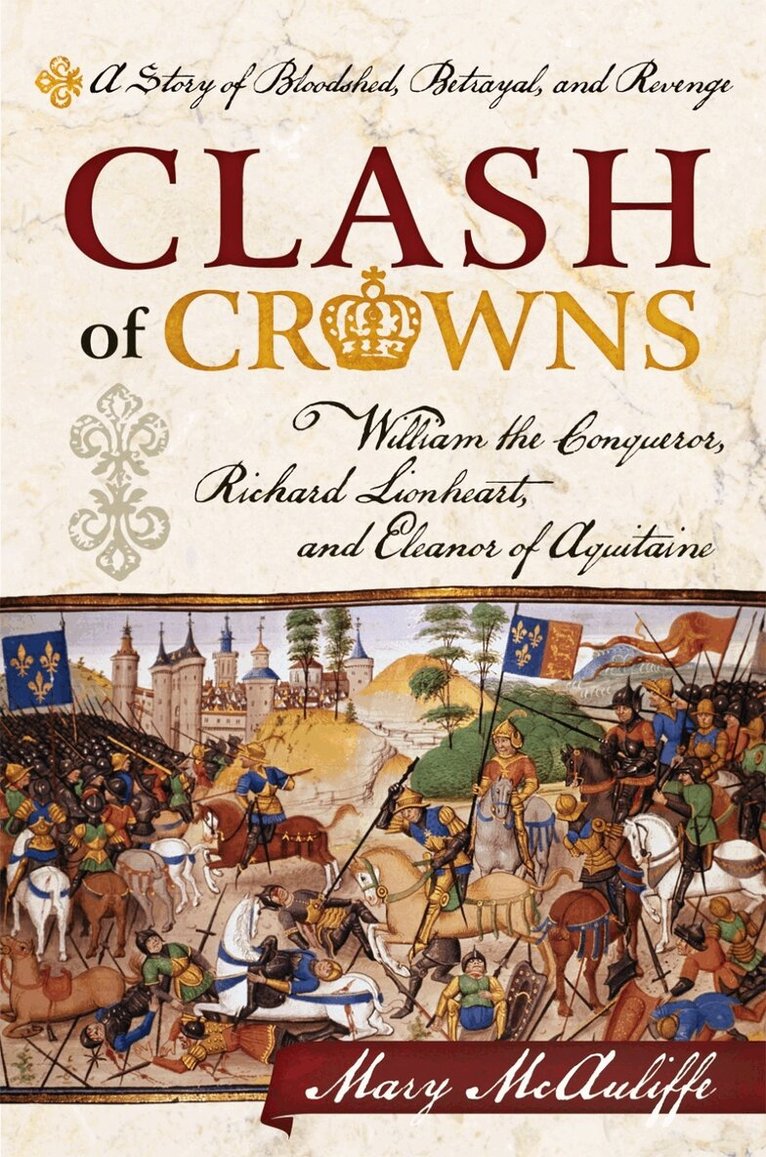
Conflict between England and France was a fact of life for centuries, but few realize that its origins date from the time of the Vikings, when a Norse chieftain named Rollo established himself and his progeny in Normandy. In this compelling and entertaining history, Mary McAuliffe takes the reader back to those dark and turbulent times when Rollo’s descendants, the dukes of Normandy, asserted their dominance over the weak French monarchy—a dominance that became especially threatening after Duke William conquered England in 1066, giving him a royal crown.Despite this crown, William the Conqueror and his royal successors remained dukes of Normandy, with feudal obligations to their overlord, the king of France. This naturally fostered an ongoing hostility between the French and English crowns that, as McAuliffe convincingly shows, became ever more explosive as the strength and territorial holdings of the English monarchs grew. Conflict erupted regularly over the years, and Eleanor of Aquitaine’s desertion of one camp for the other only added fuel to the long-simmering feud. McAuliffe takes the reader back to this dramatic era, providing the fascinating background and context for this “clash of crowns.” She offers colorful insights into Richard Lionheart and Eleanor of Aquitaine as well as lesser-known French and English monarchs, especially Philip II of France. Philip proved a determined opponent of Richard Lionheart, and their cutthroat rivalry not only created fatal divisions within the Third Crusade but also culminated in an incendiary faceoff at Richard’s newly built Château-Gaillard, the seemingly impregnable gateway to empire. The outcome would shape the course of English and French history throughout the centuries that followed.
Häftad, Engelska, 2015
220 kr
Skickas inom 10-15 vardagar
Conflict between England and France was a fact of life for centuries, but few realize that its origins date from the time of the Vikings, when a Norse chieftain named Rollo established himself and his progeny in Normandy. In this compelling and entertaining history, Mary McAuliffe takes the reader back to those dark and turbulent times when Rollo’s descendants, the dukes of Normandy, asserted their dominance over the weak French monarchy—a dominance that became especially threatening after Duke William conquered England in 1066, giving him a royal crown.Despite this crown, William the Conqueror and his royal successors remained dukes of Normandy, with feudal obligations to their overlord, the king of France. This naturally fostered an ongoing hostility between the French and English crowns that, as McAuliffe convincingly shows, became ever more explosive as the strength and territorial holdings of the English monarchs grew. Conflict erupted regularly over the years, and Eleanor of Aquitaine’s desertion of one camp for the other only added fuel to the long-simmering feud. McAuliffe takes the reader back to this dramatic era, providing the fascinating background and context for this “clash of crowns.” She offers colorful insights into Richard Lionheart and Eleanor of Aquitaine as well as lesser-known French and English monarchs, especially Philip II of France. Philip proved a determined opponent of Richard Lionheart, and their cutthroat rivalry not only created fatal divisions within the Third Crusade but also culminated in an incendiary faceoff at Richard’s newly built Château-Gaillard, the seemingly impregnable gateway to empire. The outcome would shape the course of English and French history throughout the centuries that followed.
Inbunden, Engelska, 2016
557 kr
Skickas inom 3-6 vardagar
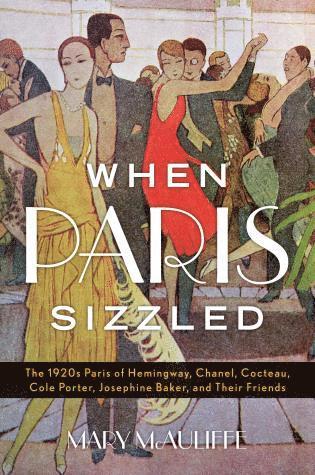
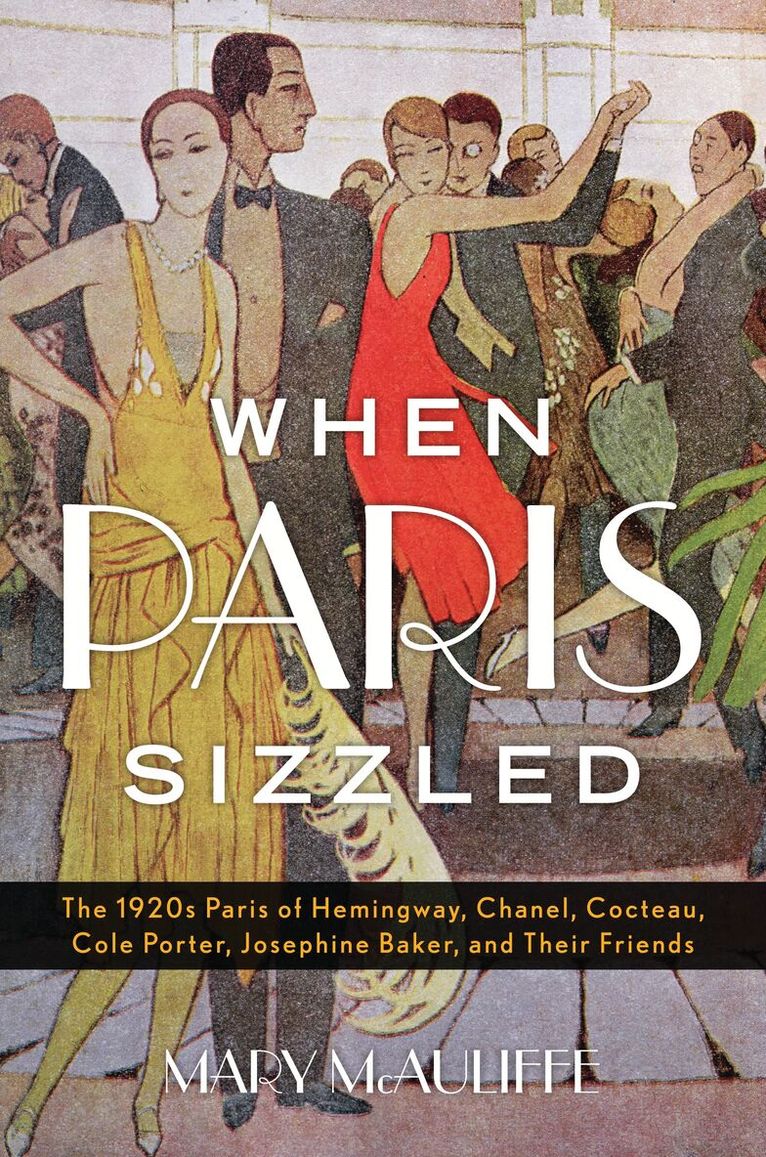
When Paris Sizzled vividly portrays the City of Light during the fabulous 1920s, les Années folles, when Parisians emerged from the horrors of war to find that a new world greeted them—one that reverberated with the hard metallic clang of the assembly line, the roar of automobiles, and the beat of jazz. Mary McAuliffe traces a decade that saw seismic change on almost every front, from art and architecture to music, literature, fashion, entertainment, transportation, and, most notably, behavior. The epicenter of all this creativity, as well as of the era’s good times, was Montparnasse, where impoverished artists and writers found colleagues and cafés, and tourists discovered the Paris of their dreams. Major figures on the Paris scene—such as Gertrude Stein, Jean Cocteau, Picasso, Stravinsky, Diaghilev, and Proust—continued to hold sway, while others now came to prominence—including Ernest Hemingway, Coco Chanel, Cole Porter, and Josephine Baker, as well as André Citroën, Le Corbusier, Man Ray, Sylvia Beach, James Joyce, and the irrepressible Kiki of Montparnasse.Paris of the 1920s unquestionably sizzled. Yet rather than being a decade of unmitigated bliss, les Années folles also saw an undercurrent of despair as well as the rise of ruthless organizations of the extreme right, aimed at annihilating whatever threatened tradition and order—a struggle that would escalate in the years ahead. Through rich illustrations and evocative narrative, Mary McAuliffe brings this vibrant era to life.
Häftad, Engelska, 2017
277 kr
Skickas inom 10-15 vardagar
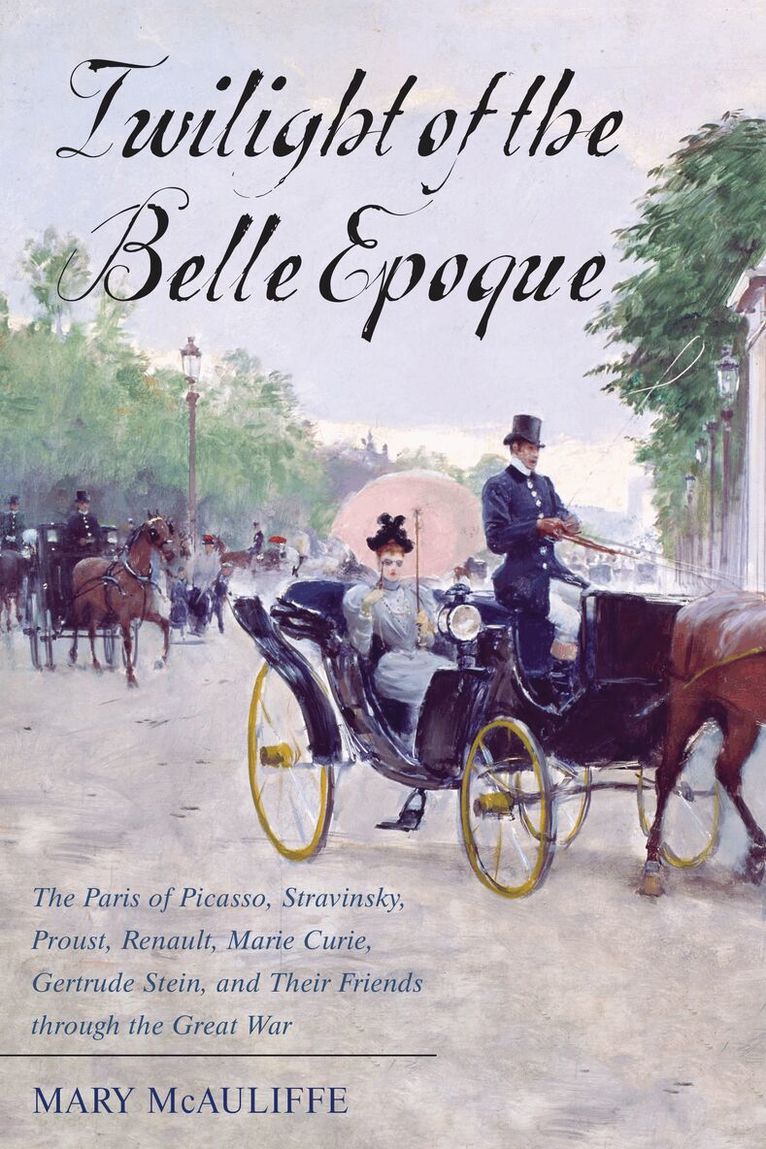
Mary McAuliffe’s Dawn of the Belle Epoque took the reader from the multiple disasters of 1870–1871 through the extraordinary re-emergence of Paris as the cultural center of the Western world. Now, in Twilight of the Belle Epoque, McAuliffe portrays Paris in full flower at the turn of the twentieth century, where creative dynamos such as Picasso, Matisse, Stravinsky, Debussy, Ravel, Proust, Marie Curie, Gertrude Stein, Jean Cocteau, and Isadora Duncan set their respective circles on fire with a barrage of revolutionary visions and discoveries. Such dramatic breakthroughs were not limited to the arts or sciences, as innovators and entrepreneurs such as Louis Renault, André Citroën, Paul Poiret, François Coty, and so many others—including those magnificent men and women in their flying machines—emphatically demonstrated. But all was not well in this world, remembered in hindsight as a golden age, and wrenching struggles between Church and state as well as between haves and have-nots shadowed these years, underscored by the ever-more-ominous drumbeat of the approaching Great War—a cataclysm that would test the mettle of the City of Light, even as it brutally brought the Belle Epoque to its close. Through rich illustrations and evocative narrative, McAuliffe brings this remarkable era from 1900 through World War I to vibrant life.
Inbunden, Engelska, 2021
1 253 kr
Skickas inom 5-8 vardagar
This collection raises incisive questions about the links between the postcolonial carceral system, which thrived in Ireland after 1922, and larger questions of gender, sexuality, identity, class, race and religion. This kind of intersectional history is vital not only in looking back but, in looking forward, to identify the ways in which structural callousness still marks Irish society. Essays include historical analysis of the ways in which women and children were incarcerated in residential institutions, Ireland’s Direct Provision system, the policing of female bodily autonomy though legislation on prostitution and abortion, in addition to the legacies of the Magdalen laundries. This collection also considers how artistic practice and commemoration have acted as vital interventions in social attitudes and public knowledge, helping to create knowledge and re-shape social attitudes towards this history.
Inbunden, Engelska, 2020
351 kr
Skickas
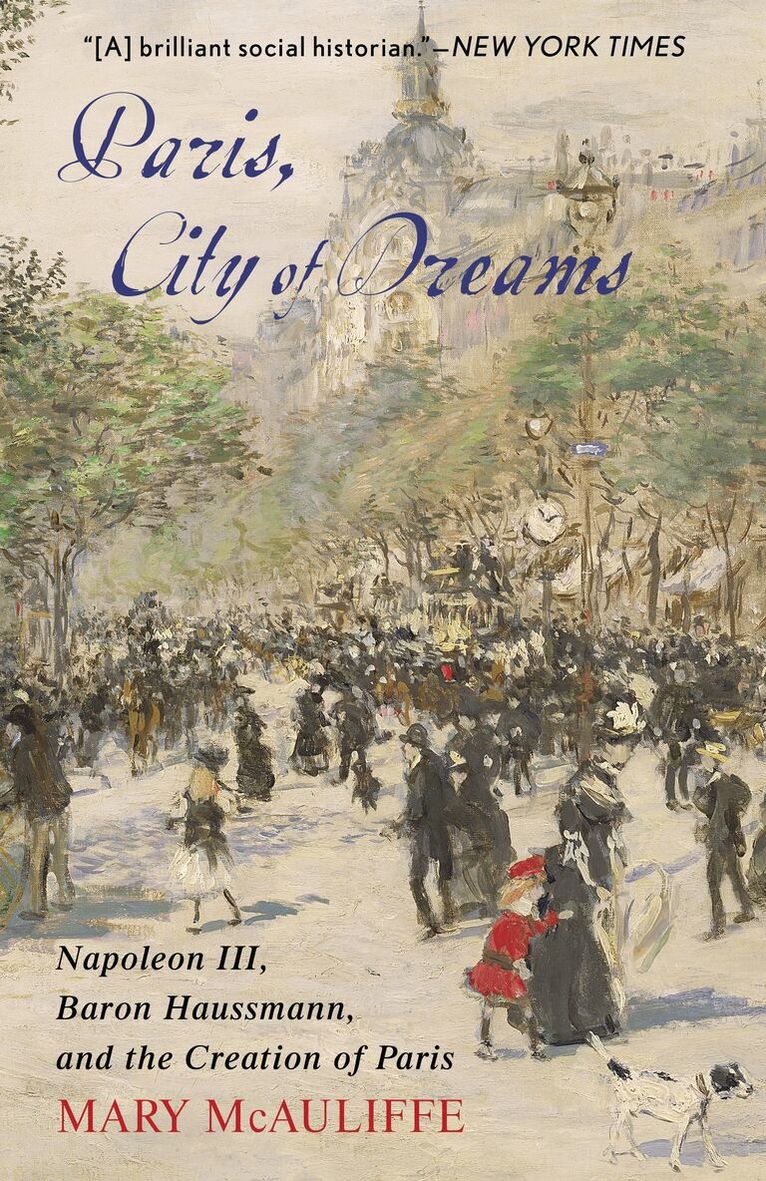
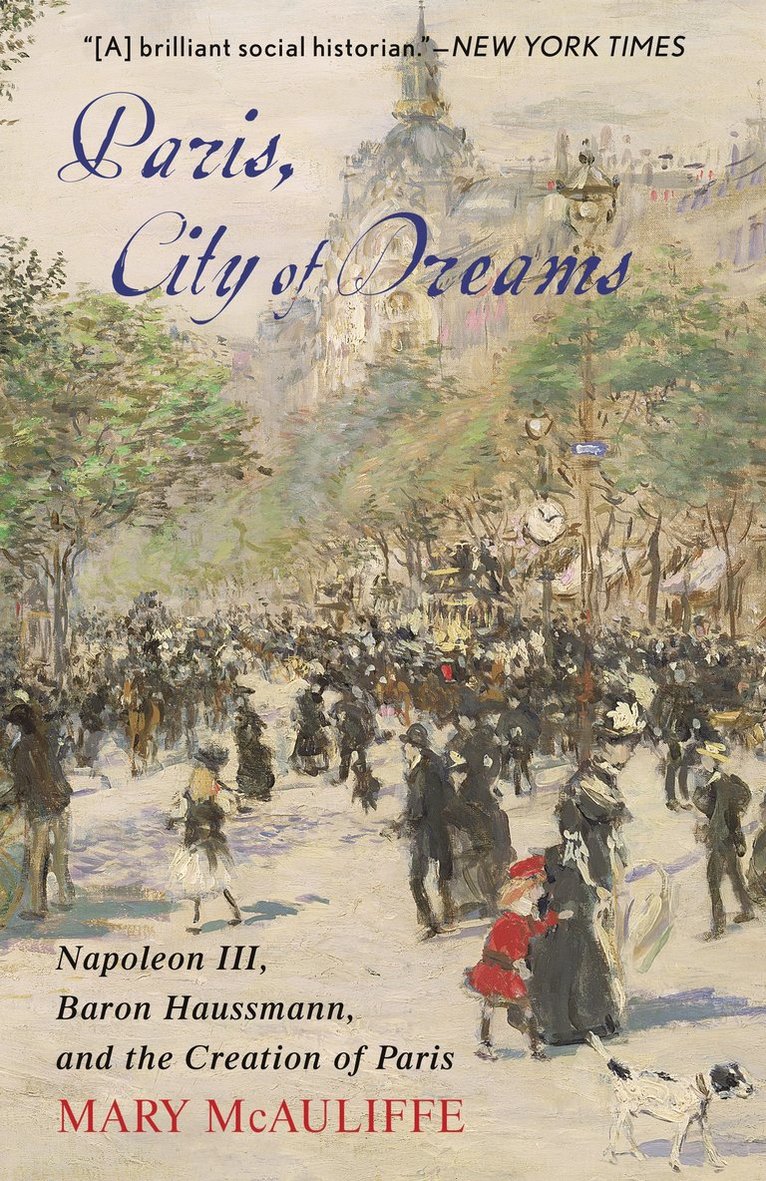
"Armchair historians in particular will appreciate McAuliffe’s readable yet detailed history supplemented with illustrations and bibliography." Booklist, Starred ReviewAcclaimed historian Mary McAuliffe vividly recaptures the Paris of Napoleon III, Claude Monet, and Victor Hugo as Georges Haussmann tore down and rebuilt Paris into the beautiful City of Light we know today.Paris, City of Dreams traces the transformation of the City of Light during Napoleon III’s Second Empire into the beloved city of today. Together, Napoleon III and his right-hand man, Georges Haussmann, completely rebuilt Paris in less than two decades—a breathtaking achievement made possible not only by the emperor’s vision and Haussmann’s determination but by the regime’s unrelenting authoritarianism, augmented by the booming economy that Napoleon fostered.Yet a number of Parisians refused to comply with the restrictions that censorship and entrenched institutional taste imposed. Mary McAuliffe follows the lives of artists such as Edouard Manet, Berthe Morisot, and Claude Monet, as well as writers such as Emile Zola, Gustave Flaubert, and the poet Charles Baudelaire, while from exile, Victor Hugo continued to fire literary broadsides at the emperor he detested. McAuliffe brings to life a pivotal era encompassing not only the physical restructuring of Paris but also the innovative forms of banking and money-lending that financed industrialization as well as the city’s transformation. This in turn created new wealth and lavish excess, even while producing extreme poverty. More deeply, change was occurring in the way people looked at and understood the world around them, given the new ease of transportation and communication, the popularization of photography, and the emergence of what would soon be known as Impressionism in art and Naturalism and Realism in literature—artistic yearnings that would flower in the Belle Epoque.Napoleon III, whose reign abruptly ended after he led France into a devastating war against Germany, has been forgotten. But the Paris that he created has endured, brought to vivid life through McAuliffe’s rich illustrations and evocative narrative.
Häftad, Engelska, 2020
199 kr
Skickas inom 10-15 vardagar
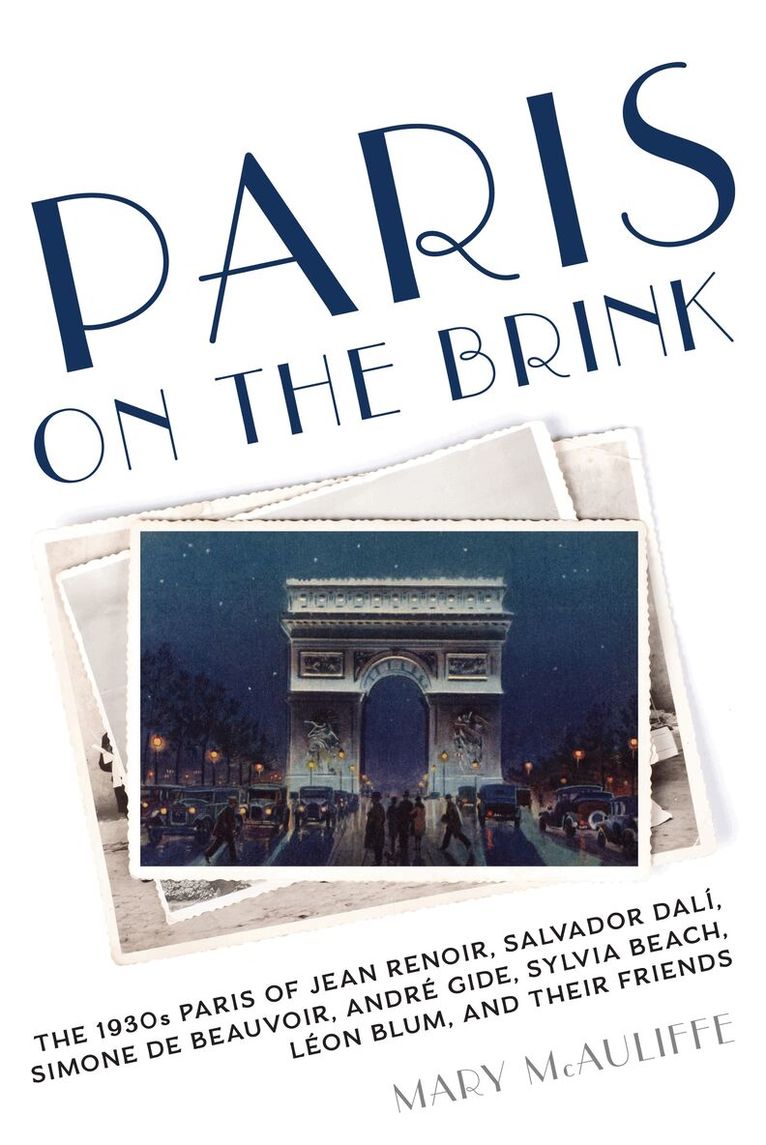
Paris on the Brink vividly portrays the City of Light during the tumultuous 1930s, from the Wall Street Crash of 1929 to war and German Occupation. This was a dangerous and turbulent decade, during which workers flexed their economic muscle and their opponents struck back with increasing violence. As the divide between haves and have-nots widened, so did the political split between left and right, with animosities exploding into brutal clashes, intensified by the paramilitary leagues of the extreme right. Hitler, Stalin, and Mussolini escalated the increasingly hazardous international environment, while the civil war in Spain added to the instability of the times.Yet throughout the decade, Paris remained at the center of cultural creativity. Major figures on the Paris scene, such as Gertrude Stein, Ernest Hemingway, André Gide, Marie Curie, Pablo Picasso, Igor Stravinsky, and Coco Chanel, continued to hold sway, in addition to Josephine Baker, Sylvia Beach, James Joyce, Man Ray, and Le Corbusier. Simone de Beauvoir and Jean-Paul Sartre could now be seen at their favorite cafés, while Jean Renoir, Salvador Dalí, and Elsa Schiaparelli came to prominence, along with France’s first Socialist prime minister, Léon Blum.Despite the decade’s creativity and glamour, it remained a difficult and dangerous time, and Parisians responded with growing nativism and anti-Semitism, while relying on their Maginot Line to protect them from external harm. Through rich illustrations and evocative narrative, Mary McAuliffe brings this extraordinary era to life.
Häftad, Engelska, 2019
251 kr
Skickas inom 5-8 vardagar
When Paris Sizzled vividly portrays the City of Light during the fabulous 1920s, les Années folles, when Parisians emerged from the horrors of war to find that a new world greeted them—one that reverberated with the hard metallic clang of the assembly line, the roar of automobiles, and the beat of jazz. Mary McAuliffe traces a decade that saw seismic change on almost every front, from art and architecture to music, literature, fashion, entertainment, transportation, and, most notably, behavior. The epicenter of all this creativity, as well as of the era’s good times, was Montparnasse, where impoverished artists and writers found colleagues and cafés, and tourists discovered the Paris of their dreams. Major figures on the Paris scene—such as Gertrude Stein, Jean Cocteau, Picasso, Stravinsky, Diaghilev, and Proust—continued to hold sway, while others now came to prominence—including Ernest Hemingway, Coco Chanel, Cole Porter, and Josephine Baker, as well as André Citroën, Le Corbusier, Man Ray, Sylvia Beach, James Joyce, and the irrepressible Kiki of Montparnasse.Paris of the 1920s unquestionably sizzled. Yet rather than being a decade of unmitigated bliss, les Années folles also saw an undercurrent of despair as well as the rise of ruthless organizations of the extreme right, aimed at annihilating whatever threatened tradition and order—a struggle that would escalate in the years ahead. Through rich illustrations and evocative narrative, Mary McAuliffe brings this vibrant era to life.
Inbunden, Engelska, 2023
287 kr
Skickas inom 5-8 vardagar
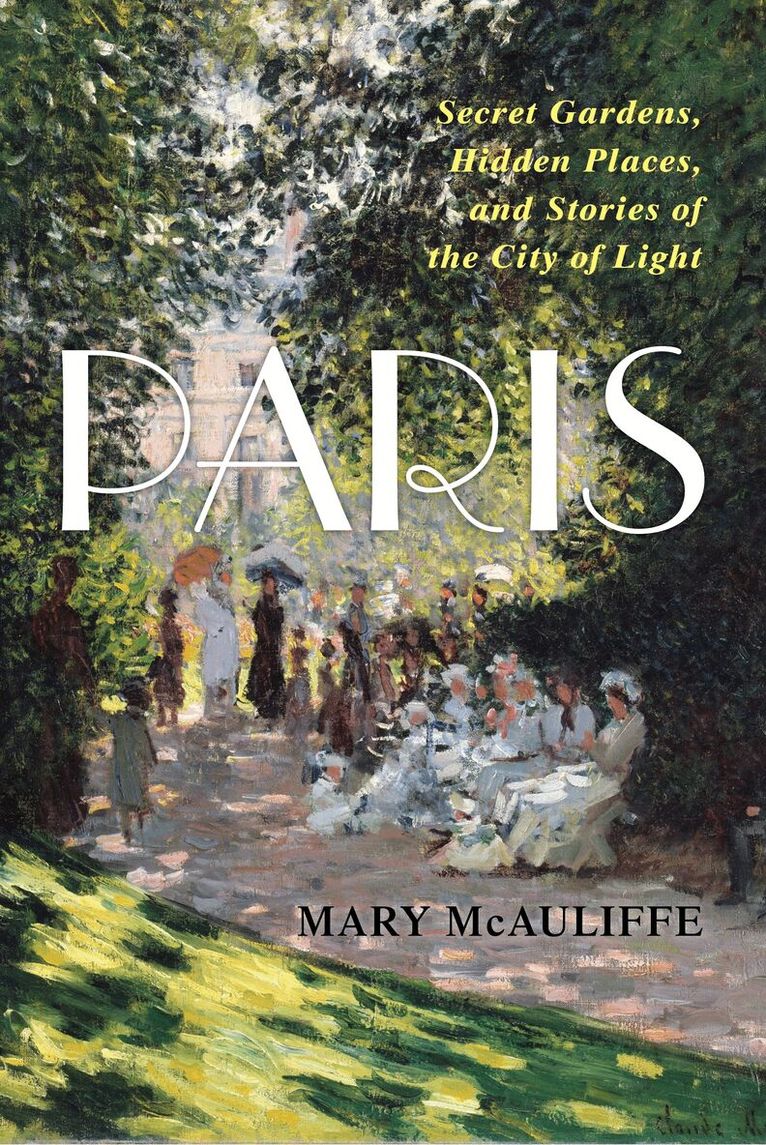
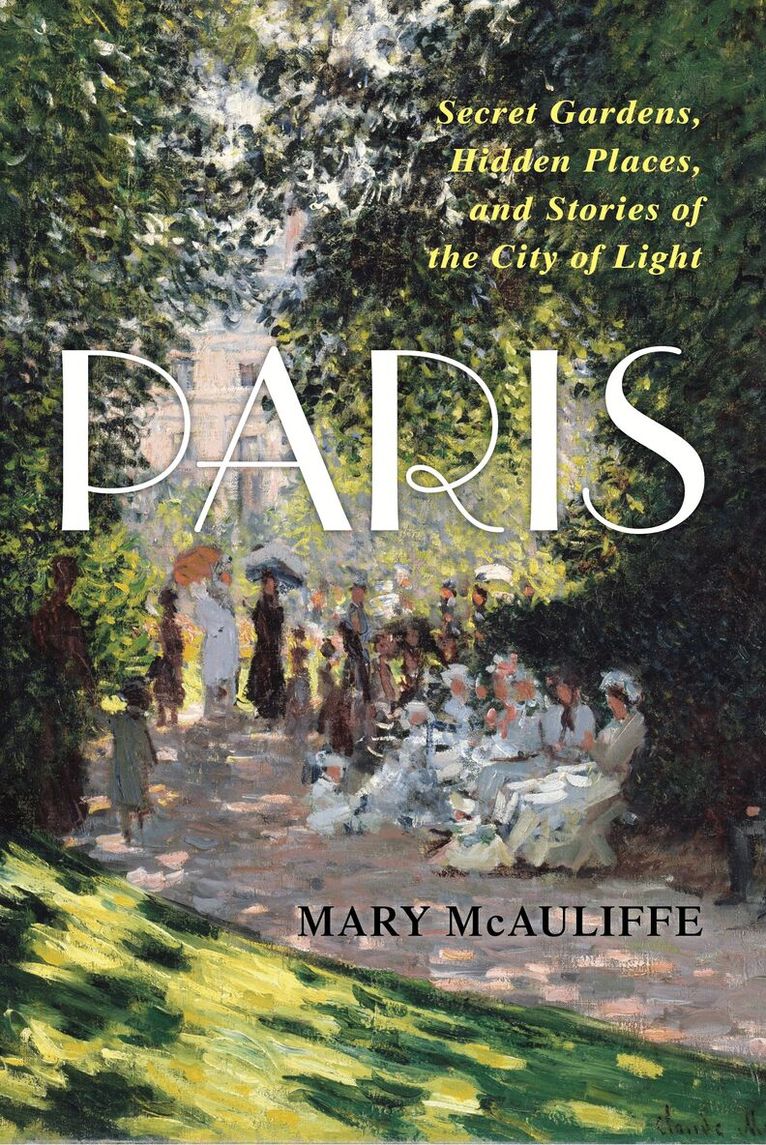
Follow in the footsteps of history to discover the hidden places, extraordinary people, and captivating stories of Paris.Paris: Secret Gardens, Hidden Places, and Stories of the City of Light, Mary McAuliffe’s multilayered exploration of Paris, weaves a narrative that takes the reader into secret and hidden places, even in the midst of the most well-known Paris destinations. McAuliffe’s hidden places can be small but are always revealing, whether a bas-relief on an ignored corner of Notre-Dame or an overlooked courtyard inside an ancient and busy hospital. She takes the reader below the streets and sidewalks of Paris to discover ancient aqueducts and a lost river, and she prompts the reader to notice overlooked treasures in the most trafficked of museums. Always, McAuliffe’s focus is on people and their stories. Evil queens, designing noblemen, bold chevaliers, and desperate lovers mingle with Resistance fighters and obsessed artists rising out of abject poverty into unexpected fame and fortune, adding to the tidal wave of creativity that is the lifeblood of the City of Light. One person, place, and story lead to another, each linked by a common thread within the layered richness of Paris’s past. The story of Paris is not a chronology but an exploration of the many layers of this remarkable city throughout the ages.
Häftad, Engelska, 2024
208 kr
Skickas
"Armchair historians in particular will appreciate McAuliffe’s readable yet detailed history supplemented with illustrations and bibliography." Booklist, Starred ReviewAcclaimed historian Mary McAuliffe vividly recaptures the Paris of Napoleon III, Claude Monet, and Victor Hugo as Georges Haussmann tore down and rebuilt Paris into the beautiful City of Light we know today.Paris, City of Dreams traces the transformation of the City of Light during Napoleon III’s Second Empire into the beloved city of today. Together, Napoleon III and his right-hand man, Georges Haussmann, completely rebuilt Paris in less than two decades—a breathtaking achievement made possible not only by the emperor’s vision and Haussmann’s determination but by the regime’s unrelenting authoritarianism, augmented by the booming economy that Napoleon fostered.Yet a number of Parisians refused to comply with the restrictions that censorship and entrenched institutional taste imposed. Mary McAuliffe follows the lives of artists such as Edouard Manet, Berthe Morisot, and Claude Monet, as well as writers such as Emile Zola, Gustave Flaubert, and the poet Charles Baudelaire, while from exile, Victor Hugo continued to fire literary broadsides at the emperor he detested. McAuliffe brings to life a pivotal era encompassing not only the physical restructuring of Paris but also the innovative forms of banking and money-lending that financed industrialization as well as the city’s transformation. This in turn created new wealth and lavish excess, even while producing extreme poverty. More deeply, change was occurring in the way people looked at and understood the world around them, given the new ease of transportation and communication, the popularization of photography, and the emergence of what would soon be known as Impressionism in art and Naturalism and Realism in literature—artistic yearnings that would flower in the Belle Epoque.Napoleon III, whose reign abruptly ended after he led France into a devastating war against Germany, has been forgotten. But the Paris that he created has endured, brought to vivid life through McAuliffe’s rich illustrations and evocative narrative.
Häftad, Engelska, 2024
401 kr
Skickas
Häftad, Engelska, 2025
302 kr
Skickas
Häftad, Engelska, 2016
274 kr
Skickas inom 5-8 vardagar
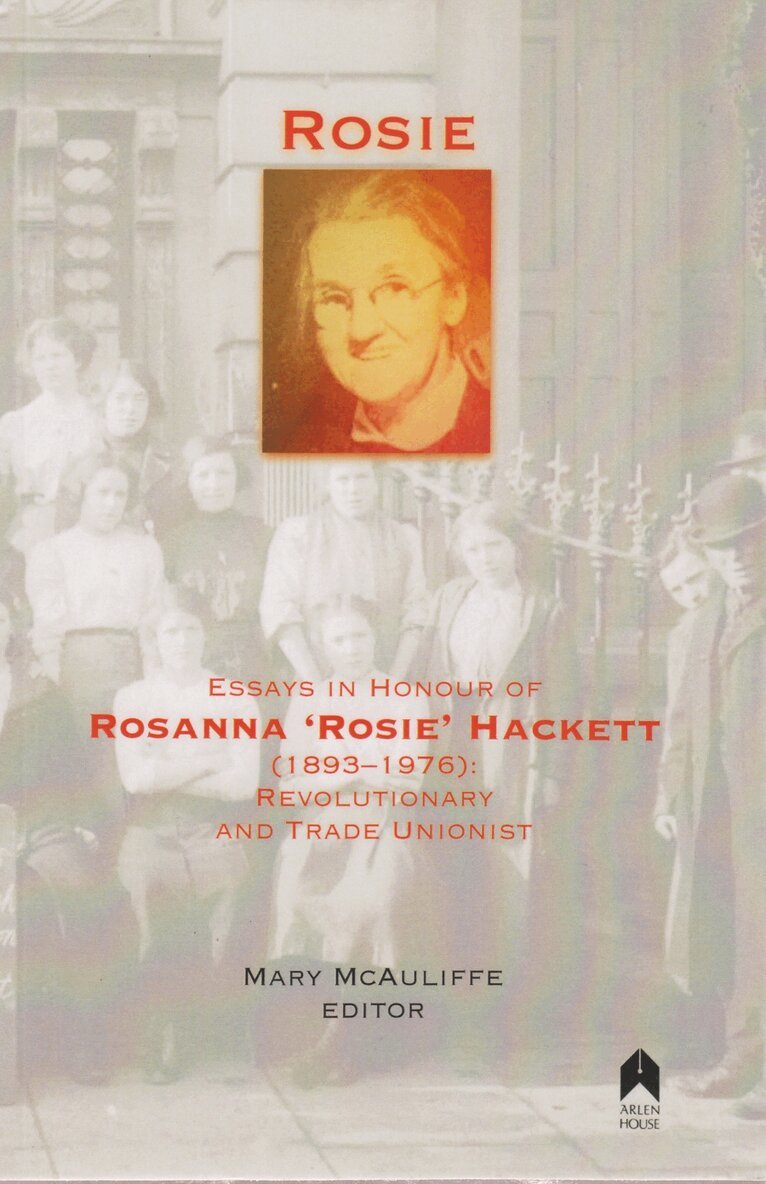
In this collection, historians and activists pay tribute to Hackett by bringing to light the littleknown history of Irish women’s political, militant, and trade union activism.
Häftad, Engelska, 2026
186 kr
Kommande
Follow in the footsteps of history to discover the hidden places, extraordinary people, and captivating stories of Paris.Paris: Secret Gardens, Hidden Places, and Stories of the City of Light, Mary McAuliffe’s multilayered exploration of Paris, weaves a narrative that takes the reader into secret and hidden places, even in the midst of the most well-known Paris destinations.McAuliffe’s hidden places can be small but are always revealing, whether a bas-relief on an ignored corner of Notre-Dame or an overlooked courtyard inside an ancient and busy hospital. She takes the reader below the streets and sidewalks of Paris to discover ancient aqueducts and a lost river, and she prompts the reader to notice overlooked treasures in the most trafficked of museums.Always, McAuliffe’s focus is on people and their stories. Evil queens, designing noblemen, bold chevaliers, and desperate lovers mingle with Resistance fighters and obsessed artists rising out of abject poverty into unexpected fame and fortune, adding to the tidal wave of creativity that is the lifeblood of the City of Light.One person, place, and story lead to another, each linked by a common thread within the layered richness of Paris’s past. The story of Paris is not a chronology but an exploration of the many layers of this remarkable city throughout the ages.
Inbunden, Engelska, 2011
408 kr
Tillfälligt slut
A humiliating military defeat by Bismarck's Germany, a brutal siege, and a bloody uprising—Paris in 1871 was a shambles, and the question loomed, "Could this extraordinary city even survive?" Mary McAuliffe takes the reader back to these perilous years following the abrupt collapse of the Second Empire and France's uncertain venture into the Third Republic. By 1900, Paris had recovered and the Belle Epoque was in full flower, but the decades between were difficult, marked by struggles between republicans and monarchists, the Republic and the Church, and an ongoing economic malaise, darkened by a rising tide of virulent anti-Semitism. Yet these same years also witnessed an extraordinary blossoming in art, literature, poetry, and music, with the Parisian cultural scene dramatically upended by revolutionaries such as Monet, Zola, Rodin, and Debussy, even while Gustave Eiffel was challenging architectural tradition with his iconic tower. Through the eyes of these pioneers and others, including Sarah Bernhardt, Georges Clemenceau, Marie Curie, and César Ritz, we witness their struggles with the forces of tradition during the final years of a century hurtling towards its close. Through rich illustrations and evocative narrative, McAuliffe brings this vibrant and seminal era to life.