Mary P. McKeown-Moak – författare
Visar alla böcker från författaren Mary P. McKeown-Moak. Handla med fri frakt och snabb leverans.
5 produkter
5 produkter
E-bok
PDF, Engelska, 2010297 kr
Läs direkt efter köp
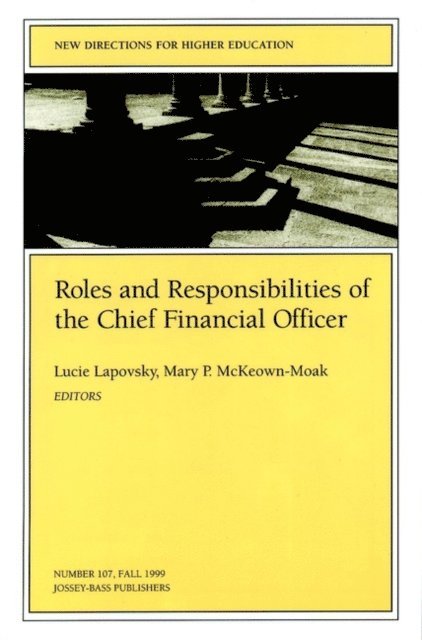
With demands for improved quality, increasing competition for state and federal funds, and the challenges of integrating technology into the curriculum, higher education faces greater economic uncertainties than ever before. The chief financial officer (CFO) of any higher education institution stands squarely in the middle of this maelstrom. This issue of New Directions for Higher Education offers CFOs proven strategies for balancing the operating and capital budgets, maximizing net enrollment revenues, containing costs, planning for the resource needs of technology, identifying and managing risks, and investing the endowment wisely. The contributors discuss how CFOs can build positive relationships with key players in the campus?s financial planning and budget, including admissions and financial aid staff, state legislatures, and the board investment committee.
This is the 107th issue of the quarterly journal New Directions for Higher Education.
Häftad, Engelska, 2014
667 kr
Skickas inom 5-8 vardagar
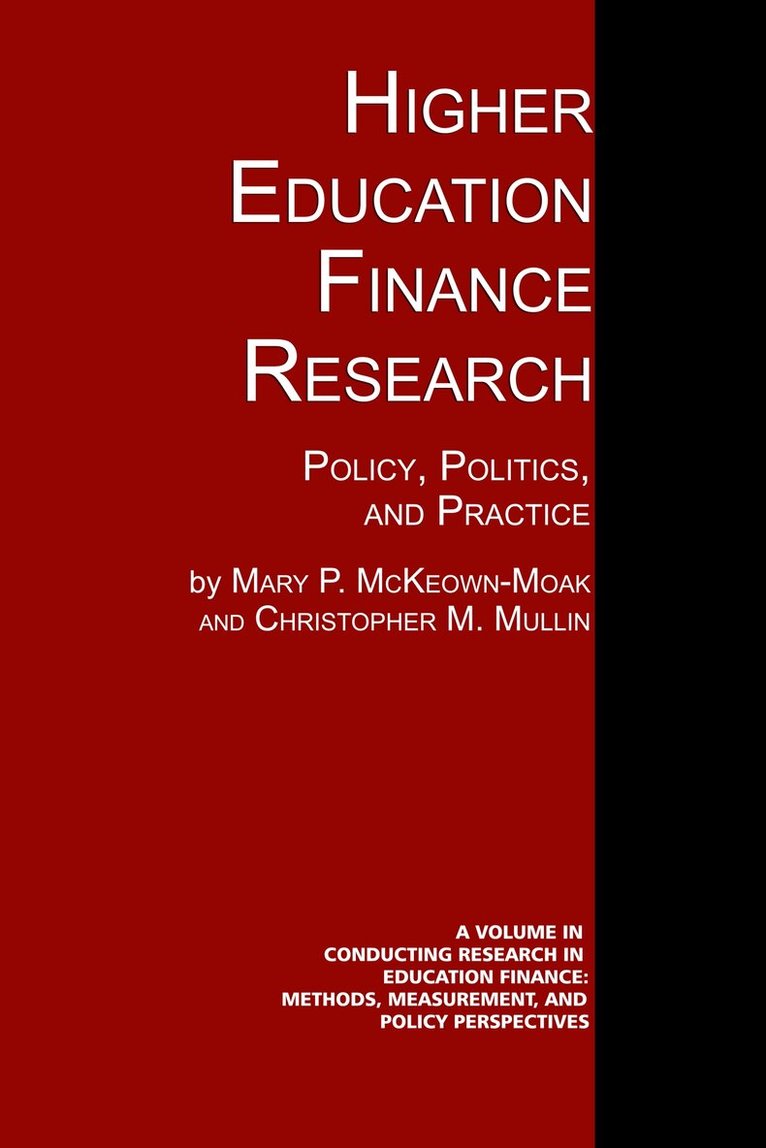
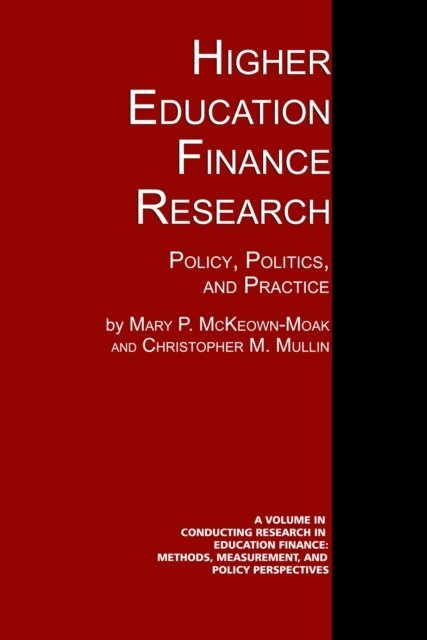
There is a void in the literature on how to conduct research in the finance and economics of higher education. Students, professors, and practitioners have no concise document that examines the field, provides history, definitions of terms, sources of data, and research methods. Higher Education Finance Research: Policy, Politics, and Practice fills that void.The book is structured in four parts. The first section provides a brief history and description of the general organization of American higher education, the sources and uses of funds over the last 100 years, and who is served in what types of institutions. Definitions of terms that are unique to higher education are provided, and some basic rules for conducting research on the economics and finance of higher education are established. Although in some ways, conducting research in higher education funding is similar to that for elementary/secondary education, there are some important distinctions that also are provided. The second section introduces guiding philosophies, sources of data, data elements/vocabulary, metrics, and analytics related to institutional revenues and expenditures. Chapters in this section focus on student oriented revenues, institutionally-oriented revenues, and funding formulas. The third section introduces accountability-related concepts by first examining the accountability movement in higher education and performance-based approaches applied in budgeting and funding, then looking at methods to determine public and private returns on investment in postsecondary education, and closing with an examination of finance from the perspective of the primary consumer: students. The fourth and last section of the book focuses on presenting postsecondary finance research to policy audiences to assist in connecting academic research and policy making. Chapters focus on accounting for time considerations in analysis, the placing of data in context to make the data and findings relevant, and ways to effectively communicate findings to various policy-making audiences.
Inbunden, Engelska, 2014
1 130 kr
Skickas inom 5-8 vardagar
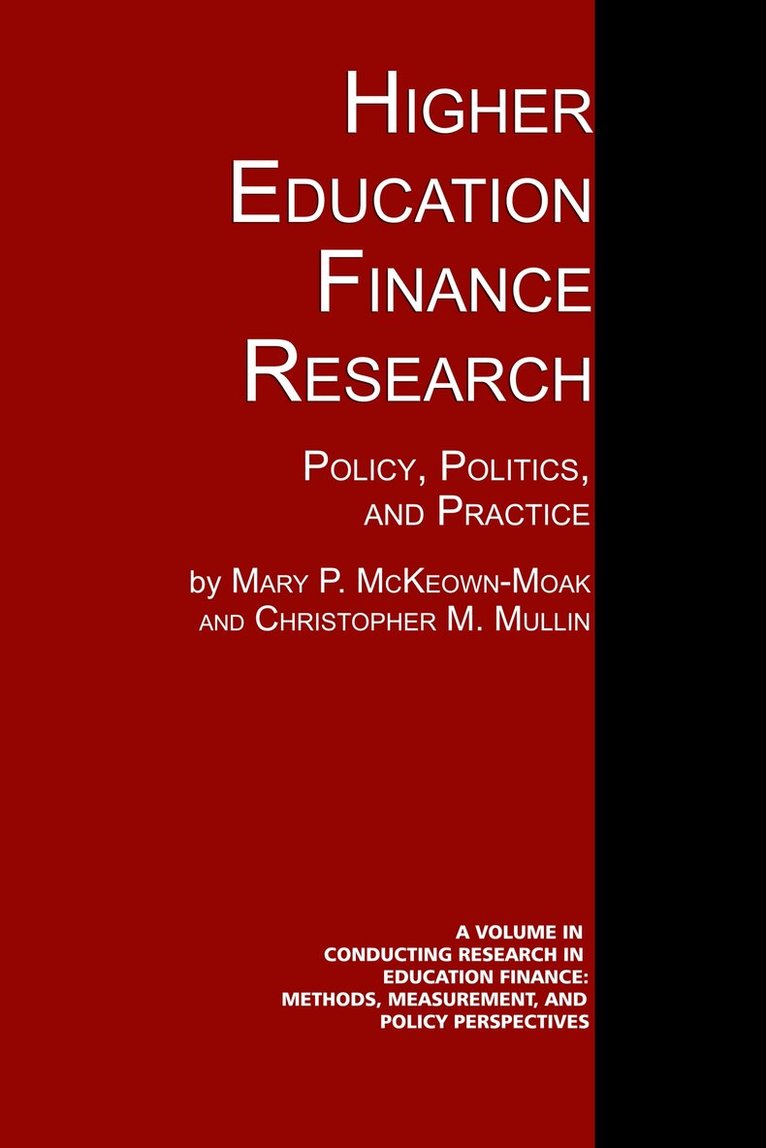
There is a void in the literature on how to conduct research in the finance and economics of higher education. Students, professors, and practitioners have no concise document that examines the field, provides history, definitions of terms, sources of data, and research methods. Higher Education Finance Research: Policy, Politics, and Practice fills that void.The book is structured in four parts. The first section provides a brief history and description of the general organization of American higher education, the sources and uses of funds over the last 100 years, and who is served in what types of institutions. Definitions of terms that are unique to higher education are provided, and some basic rules for conducting research on the economics and finance of higher education are established. Although in some ways, conducting research in higher education funding is similar to that for elementary/secondary education, there are some important distinctions that also are provided. The second section introduces guiding philosophies, sources of data, data elements/vocabulary, metrics, and analytics related to institutional revenues and expenditures. Chapters in this section focus on student oriented revenues, institutionally-oriented revenues, and funding formulas. The third section introduces accountability-related concepts by first examining the accountability movement in higher education and performance-based approaches applied in budgeting and funding, then looking at methods to determine public and private returns on investment in postsecondary education, and closing with an examination of finance from the perspective of the primary consumer: students. The fourth and last section of the book focuses on presenting postsecondary finance research to policy audiences to assist in connecting academic research and policy making. Chapters focus on accounting for time considerations in analysis, the placing of data in context to make the data and findings relevant, and ways to effectively communicate findings to various policy-making audiences.
E-bok
Engelska, 2014464 kr
Läs direkt efter köp
There is a void in the literature on how to conduct research in the finance and economics of higher education. Students, professors, and practitioners have no concise document that examines the field, provides history, definitions of terms, sources of data, and research methods. Higher Education Finance Research: Policy, Politics, and Practice fills that void.The book is structured in four parts. The first section provides a brief history and description of the general organization of American higher education, the sources and uses of funds over the last 100 years, and who is served in what types of institutions. Definitions of terms that are unique to higher education are provided, and some basic rules for conducting research on the economics and finance of higher education are established. Although in some ways, conducting research in higher education funding is similar to that for elementary/secondary education, there are some important distinctions that also are provided. The second section introduces guiding philosophies, sources of data, data elements/vocabulary, metrics, and analytics related to institutional revenues and expenditures. Chapters in this section focus on student oriented revenues, institutionally-oriented revenues, and funding formulas. The third section introduces accountability-related concepts by first examining the accountability movement in higher education and performance-based approaches applied in budgeting and funding, then looking at methods to determine public and private returns on investment in postsecondary education, and closing with an examination of finance from the perspective of the primary consumer: students. The fourth and last section of the book focuses on presenting postsecondary finance research to policy audiences to assist in connecting academic research and policy making. Chapters focus on accounting for time considerations in analysis, the placing of data in context to make the data and findings relevant, and ways to effectively communicate findings to various policy-making audiences.
E-bok
Engelska, 2014696 kr
Läs direkt efter köp
There is a void in the literature on how to conduct research in the finance and economics of higher education. Students, professors, and practitioners have no concise document that examines the field, provides history, definitions of terms, sources of data, and research methods. Higher Education Finance Research: Policy, Politics, and Practice fills that void.The book is structured in four parts. The first section provides a brief history and description of the general organization of American higher education, the sources and uses of funds over the last 100 years, and who is served in what types of institutions. Definitions of terms that are unique to higher education are provided, and some basic rules for conducting research on the economics and finance of higher education are established. Although in some ways, conducting research in higher education funding is similar to that for elementary/secondary education, there are some important distinctions that also are provided. The second section introduces guiding philosophies, sources of data, data elements/vocabulary, metrics, and analytics related to institutional revenues and expenditures. Chapters in this section focus on student oriented revenues, institutionally-oriented revenues, and funding formulas. The third section introduces accountability-related concepts by first examining the accountability movement in higher education and performance-based approaches applied in budgeting and funding, then looking at methods to determine public and private returns on investment in postsecondary education, and closing with an examination of finance from the perspective of the primary consumer: students. The fourth and last section of the book focuses on presenting postsecondary finance research to policy audiences to assist in connecting academic research and policy making. Chapters focus on accounting for time considerations in analysis, the placing of data in context to make the data and findings relevant, and ways to effectively communicate findings to various policy-making audiences.