Masayuki Otaki – författare
Visar alla böcker från författaren Masayuki Otaki. Handla med fri frakt och snabb leverans.
12 produkter
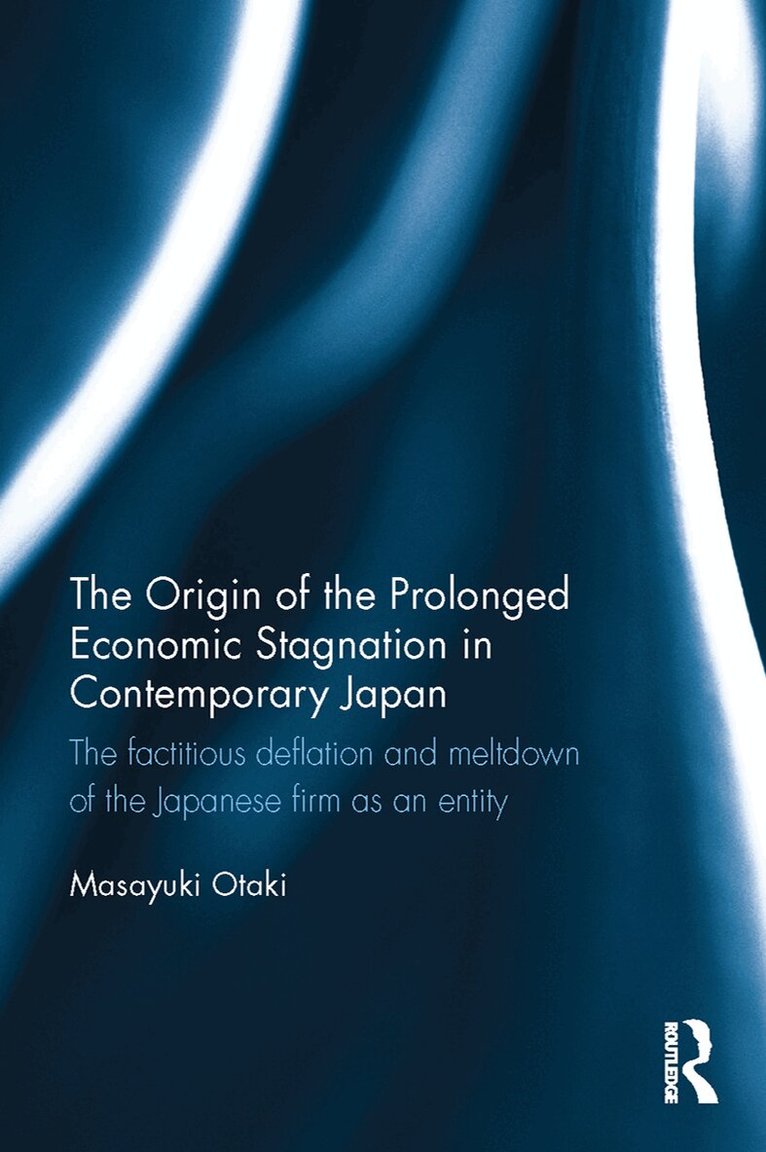
Origin of the Prolonged Economic Stagnation in Contemporary Japan
The factitious deflation and meltdown of the Japanese firm as an entity
Inbunden, 2015
1521 kr
Lägg i varukorg
The deflationary Japanese economy is a spurious observation and a precarious political propaganda, which tacitly connects with the fanatic diagnosis urging an inflation-prompting macroeconomic policy. This book provides an overview of the prolonged stagnation of the current Japanese economy. It …
Origin of the Prolonged Economic Stagnation in Contemporary Japan
The factitious deflation and meltdown of the Japanese firm as an entity
Häftad, 2018
473 kr
Lägg i varukorg
The deflationary Japanese economy is a spurious observation and a precarious political propaganda, which tacitly connects with the fanatic diagnosis urging an inflation-prompting macroeconomic policy. This book provides an overview of the prolonged stagnation of the current Japanese economy. It …
Origin of the Prolonged Economic Stagnation in Contemporary Japan
The factitious deflation and meltdown of the Japanese firm as an entity
E-bok, 2015
554 kr
Lägg i varukorg
The deflationary Japanese economy is a spurious observation and a precarious political propaganda, which tacitly connects with the fanatic diagnosis urging an inflation-prompting macroeconomic policy. This book provides an overview of the prolonged stagnation of the current Japanese economy. It …
Origin of the Prolonged Economic Stagnation in Contemporary Japan
The factitious deflation and meltdown of the Japanese firm as an entity
E-bok, 2015
554 kr
Lägg i varukorg
The deflationary Japanese economy is a spurious observation and a precarious political propaganda, which tacitly connects with the fanatic diagnosis urging an inflation-prompting macroeconomic policy. This book provides an overview of the prolonged stagnation of the current Japanese economy. It …
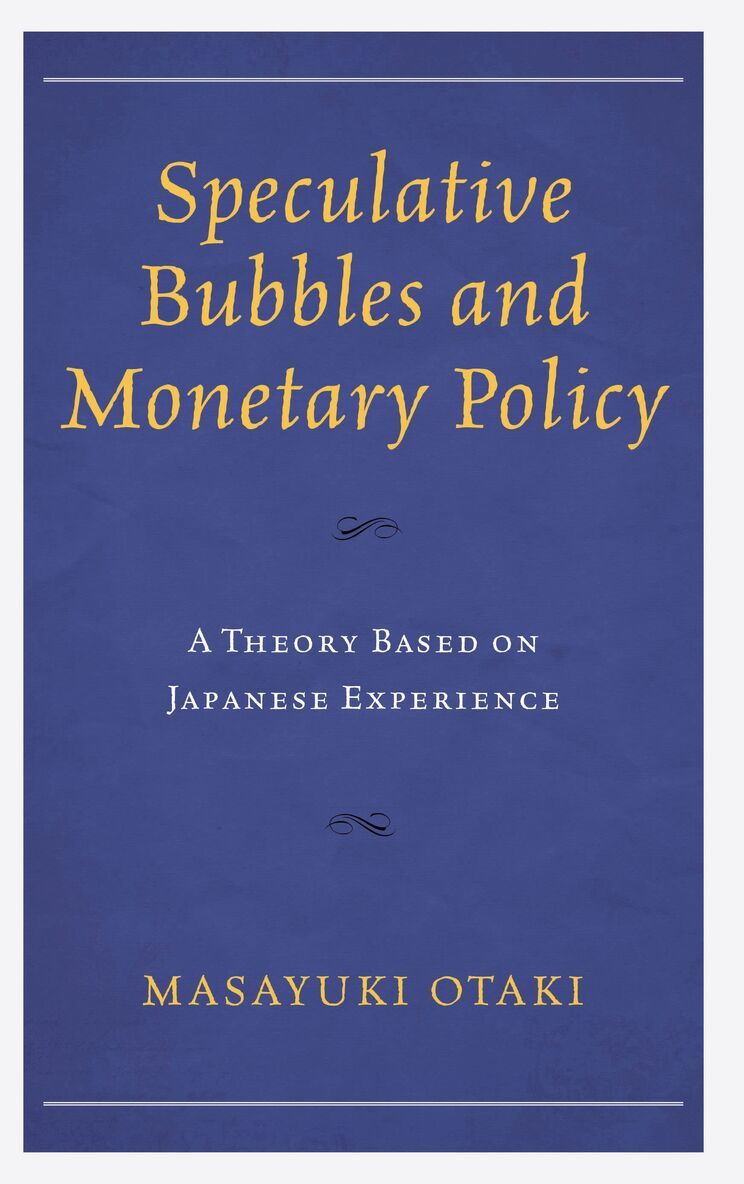
Speculative Bubbles and Monetary Policy
A Theory Based on Japanese Experience
Inbunden, 2018
1248 kr
Lägg i varukorg
Speculative Bubbles and Monetary Policy works at the intersection of economic theory history. While the consistent and penetrating perspective of theory is necessary for interpreting economic history, existing macroeconomic theories are fragile an ineffective at narrating an economic history that …
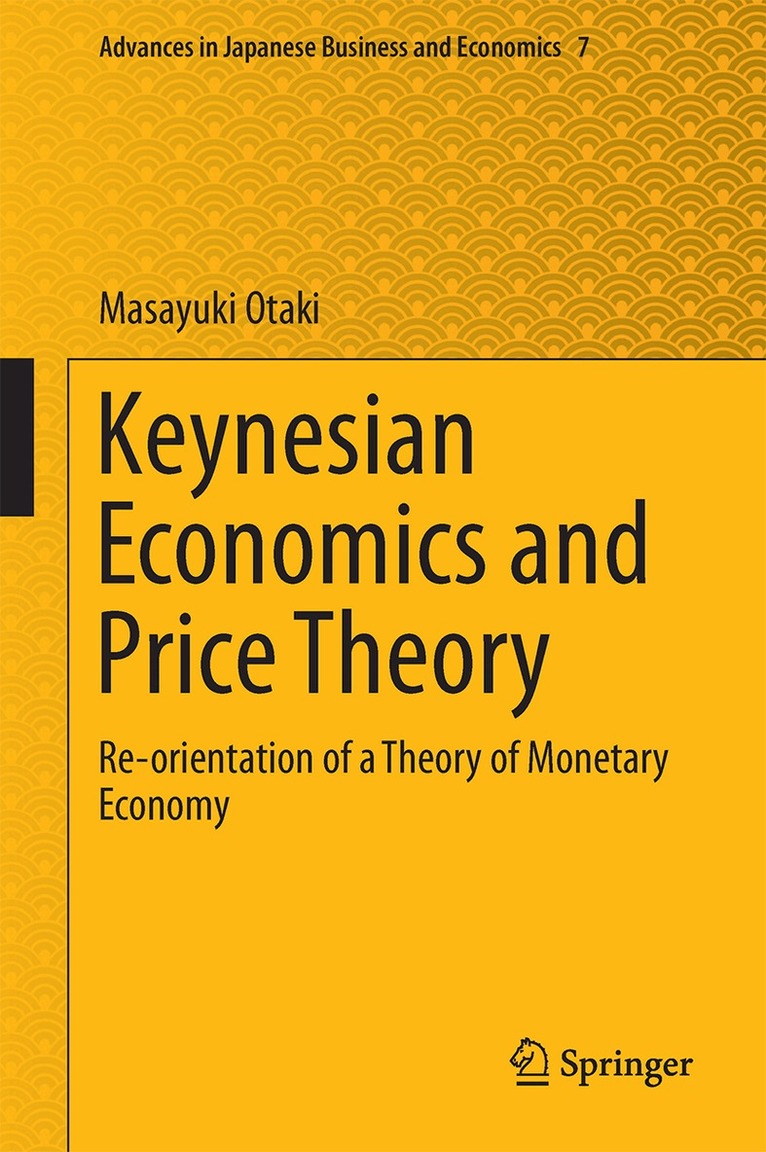
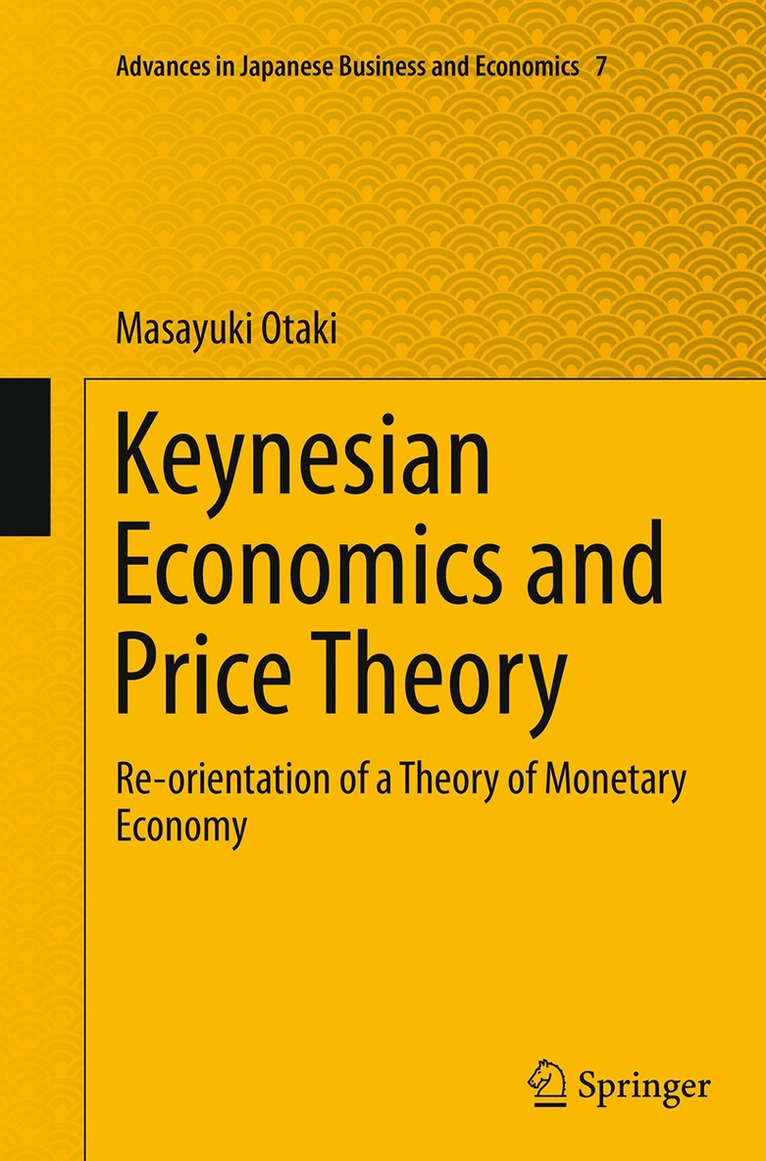
Keynesian Economics and Price Theory
Re-orientation of a Theory of Monetary Economy
Inbunden, 2015
569 kr
Lägg i varukorg
This book reconstructs Keynesian macroeconomics so that it is compatible with the neoclassical dynamic microeconomic theory. This theory adopts three postulates: rational expectations, perfect price flexibility, and exclusion of the money in utility function (MIU). Based on the new theoretical …
Keynesian Economics and Price Theory
Re-orientation of a Theory of Monetary Economy
E-bok, 2015
732 kr
Lägg i varukorg
This book reconstructs Keynesian macroeconomics so that it is compatible with the neoclassical dynamic microeconomic theory. This theory adopts three postulates: rational expectations, perfect price flexibility, and exclusion of the money in utility function (MIU). Based on the new theoretical …
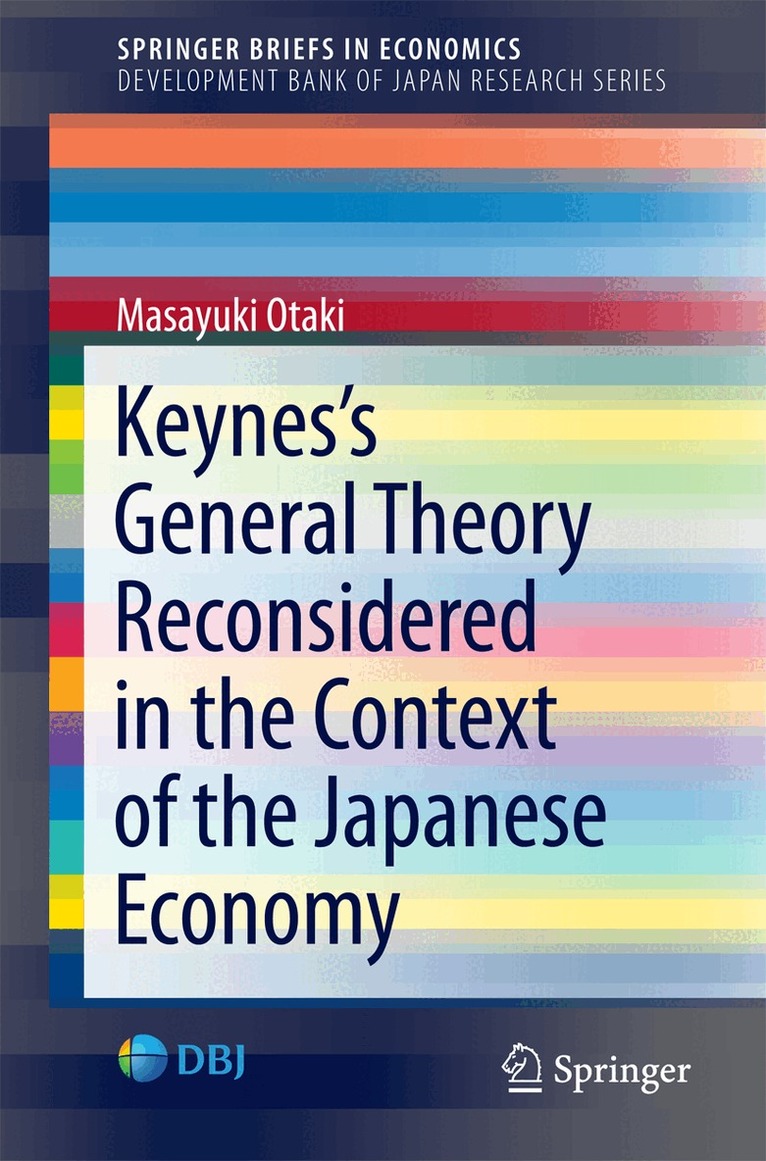
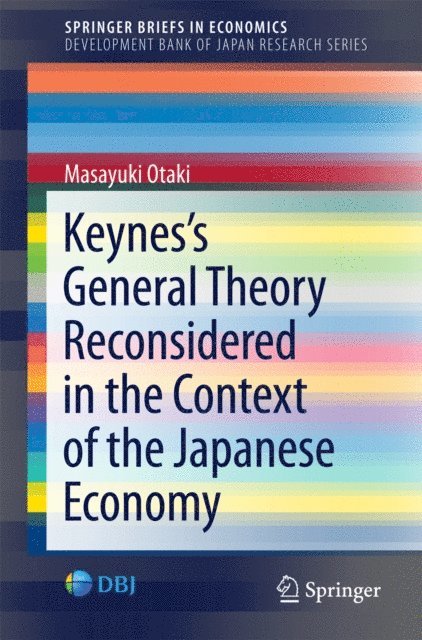
Keynes’s General Theory Reconsidered in the Context of the Japanese Economy
Häftad, 2016
569 kr
Lägg i varukorg
This book reconsiders Keynes’s The General Theory of Employment, Interest and Money and establishes a new interpretation. In contrast to the existing models, this book finds that the stickiness in the nominal wage is not crucial for his theory. Moreover, the author has also succeeds in capturing …
Keynes's General Theory Reconsidered in the Context of the Japanese Economy
E-bok, 2016
755 kr
Lägg i varukorg
This book reconsiders Keynes’s The General Theory of Employment, Interest and Money and establishes a new interpretation. In contrast to the existing models, this book finds that the stickiness in the nominal wage is not crucial for his theory. Moreover, the author has also succeeds in capturing …
Keynesian Economics and Price Theory
Re-orientation of a Theory of Monetary Economy
Häftad, 2016
569 kr
Lägg i varukorg
This book reconstructs Keynesian macroeconomics so that it is compatible with the neoclassical dynamic microeconomic theory. This theory adopts three postulates: rational expectations, perfect price flexibility, and exclusion of the money in utility function (MIU). Based on the new theoretical …
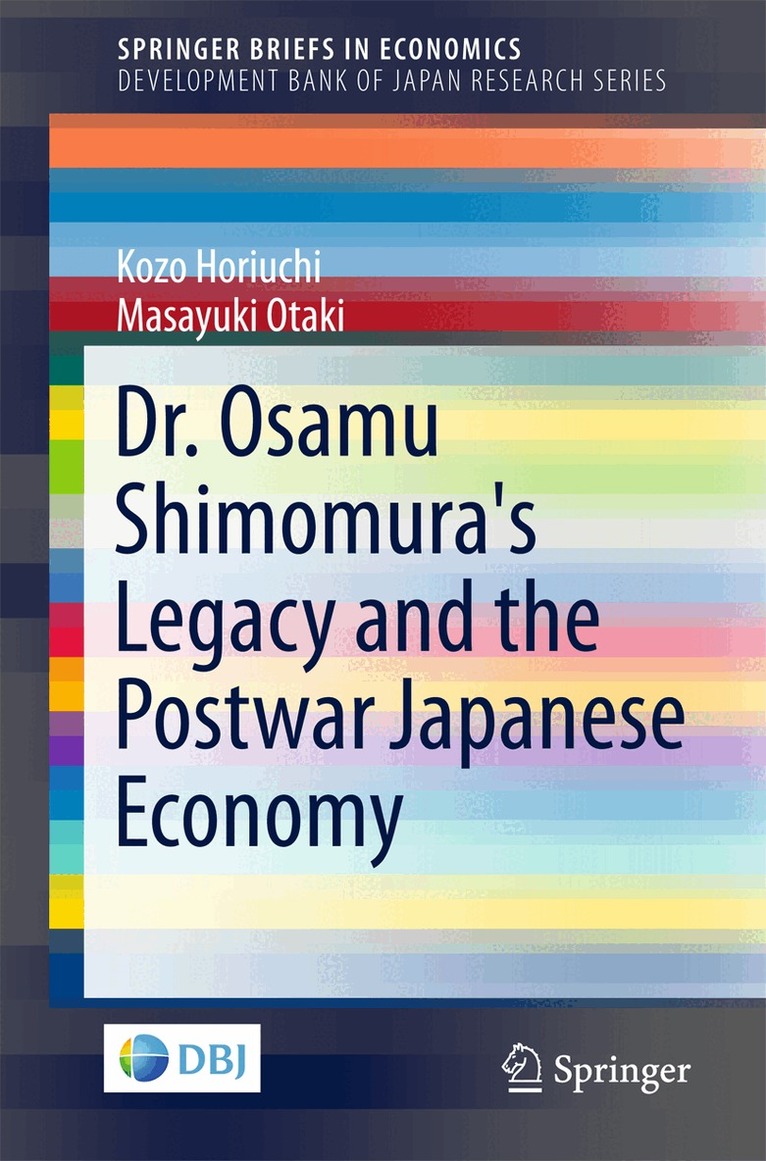
Dr. Osamu Shimomura's Legacy and the Postwar Japanese Economy
Av Kozo Horiuchi, Masayuki Otaki
Häftad, 2017
625 kr
Lägg i varukorg
This book elucidates the economic conditions and policies during the post War Japanese economy from the view point of an influential policy maker. Dr. Osamu Shimomura is one of the most eminent economists in Japan. He entered the Ministry of Finance and played a crucial role in actualizing the …
Dr. Osamu Shimomura's Legacy and the Postwar Japanese Economy
Av Masayuki Otaki, Kozo Horiuchi
E-bok, 2017
839 kr
Lägg i varukorg
This book elucidates the economic conditions and policies during the post War Japanese economy from the view point of an influential policy maker. Dr. Osamu Shimomura is one of the most eminent economists in Japan. He entered the Ministry of Finance and played a crucial role in actualizing the …