Inbunden, Engelska, 2018
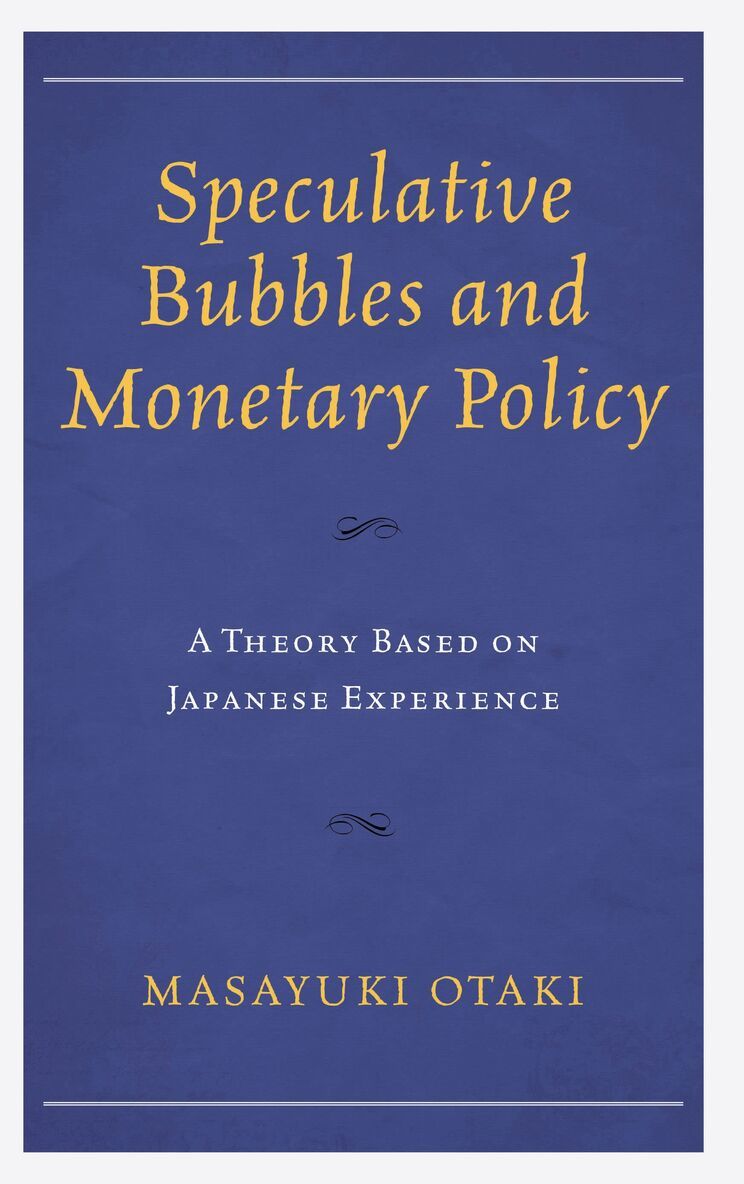
Speculative Bubbles and Monetary Policy
A Theory Based on Japanese Experience
1239 kr
Beställningsvara. Skickas inom 10-15 vardagar. Fri frakt över 249 kr.
Beskrivning
Produktinformation
- Utgivningsdatum: 2018-12-17
- Mått: 154 x 236 x 16 mm
- Vikt: 358 g
- Format: Inbunden
- Språk: Engelska
- Antal sidor: 140
- Förlag: Bloomsbury Publishing Plc
- ISBN: 9781498549141
Mer om författaren
Masayuki Otaki (1957–2018) was professor of economics at the University of Tokyo. He completed this book shortly before passing.
Recensioner i media
Ohtaki, one of the most distinguished macro-economists in contemporary Japan, provides a penetrating analysis in the macro-economic history of Japan during the 1980s and 2010s. Combining monetary theory related to speculative bubbles, quantitative easing monetary policy and disinflation process with supply-side analysis of labor productivity stagnation, the book presents a concise overview, and mutually cohesive and consistent theoretical models for the history. The plight of the Japanese economy after the Asian crisis is analyzed with the background of a careful search for the seeds of disaster sowed during the prosperous and babbly 1980s. Most fascinating is the analysis of the effects of structural reform policy of Koizumi regime on the micro-structure of employment system. Ohtaki condemns the policy relying on neoliberal thought in that it decomposed the Japanese firm from an organic entity into a simple assembly of production resources, destroying efficiency of Japanese firms based on information processing skills. Market failures in the late 1980s was replaced by policy failures in the early 2000s. There is no doubt that this book is a most valuable contribution to the analysis of the macroeconomic history of Japan that appeared during the past twenty years and is recommended to both Japanese and overseas readers.
Betyg & recensioner
0 recensioner
Inga recensioner tillgängliga.