Massimo Marraffa – författare
Visar alla böcker från författaren Massimo Marraffa. Handla med fri frakt och snabb leverans.
10 produkter
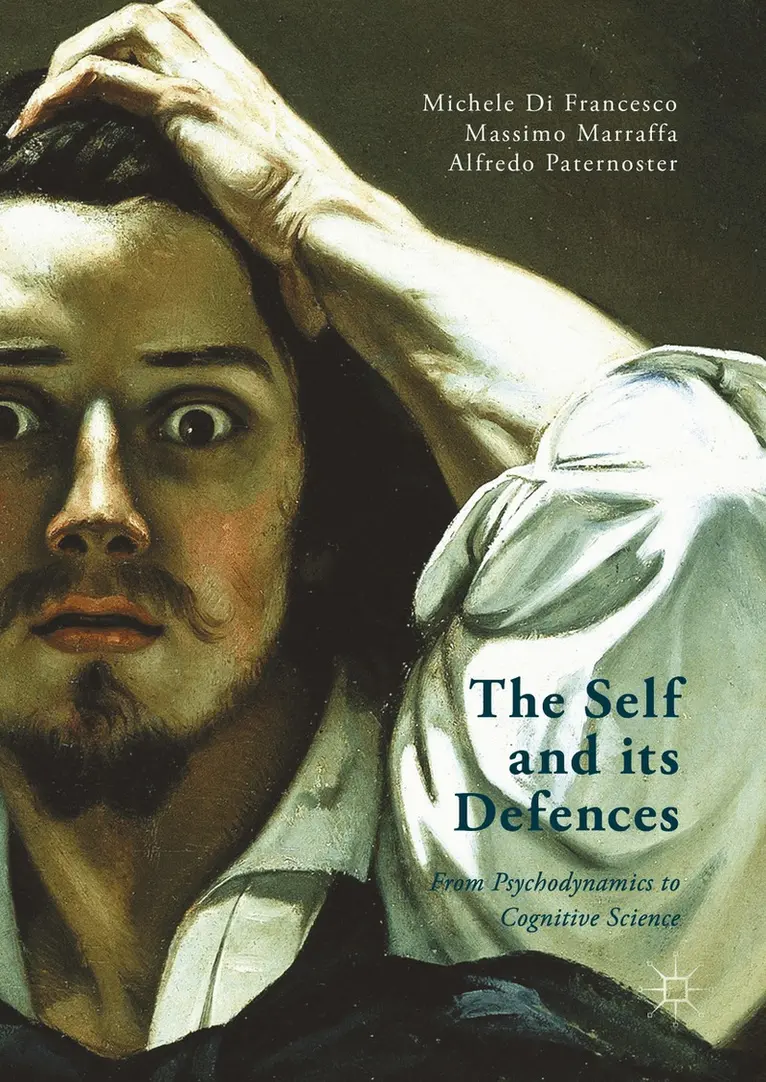
Self and its Defenses
From Psychodynamics to Cognitive Science
Av Massimo Marraffa, Michele Di Francesco m. fl.
Inbunden, 2016
950 kr
Lägg i varukorg
This book presents a theory of the self whose core principle is that the consciousness of the self is a process of self-representing that runs throughout our life. This process aims primarily at defending the self-conscious subject against the threat of its metaphysical inconsistence. In other …
Self and its Defenses
From Psychodynamics to Cognitive Science
Av Alfredo Paternoster, Michele Di Francesco m. fl.
E-bok, 2016
953 kr
Lägg i varukorg
This book presents a theory of the self whose core principle is that the consciousness of the self is a process of self-representing that runs throughout our life. This process aims primarily at defending the self-conscious subject against the threat of its metaphysical inconsistence. In other …
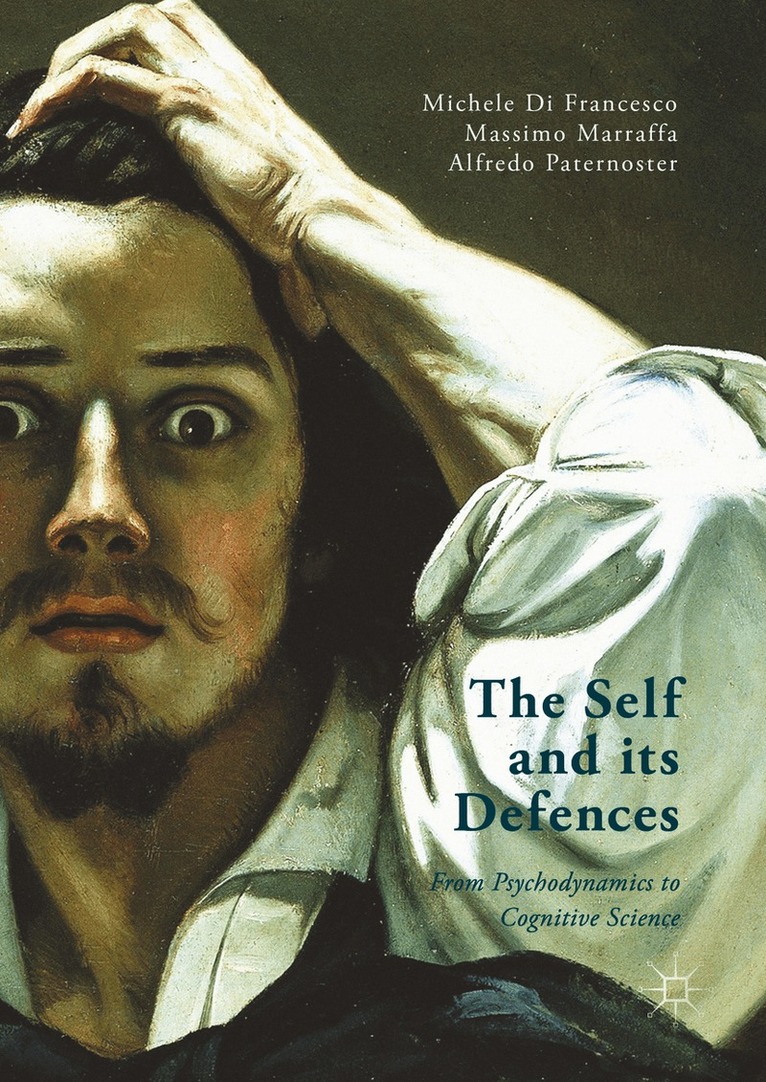
Self and its Defenses
From Psychodynamics to Cognitive Science
Av Massimo Marraffa, Michele Di Francesco m. fl.
Häftad, 2021
715 kr
Lägg i varukorg
This book presents a theory of the self whose core principle is that the consciousness of the self is a process of self-representing that runs throughout our life. This process aims primarily at defending the self-conscious subject against the threat of its metaphysical inconsistence. In other …
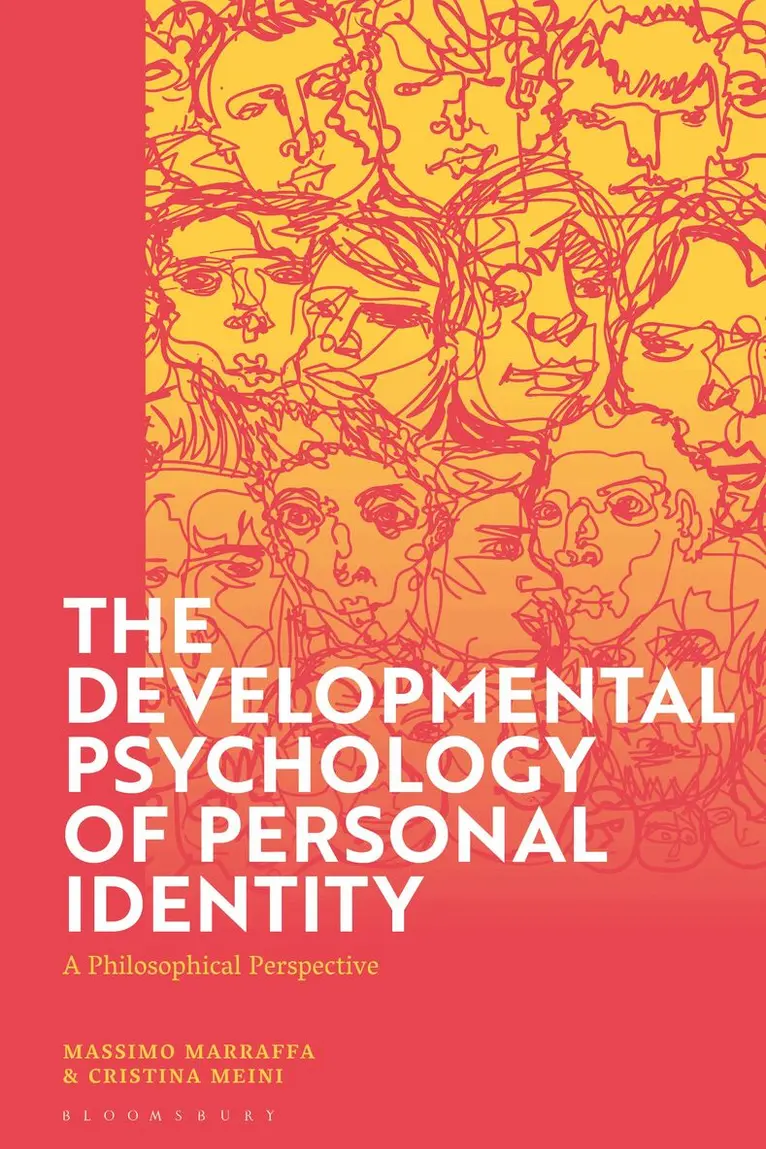
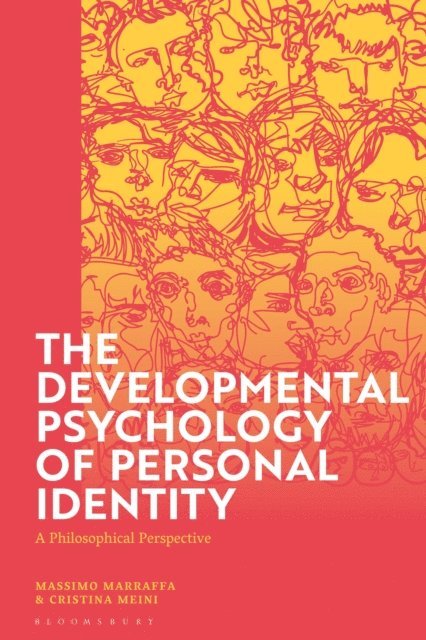
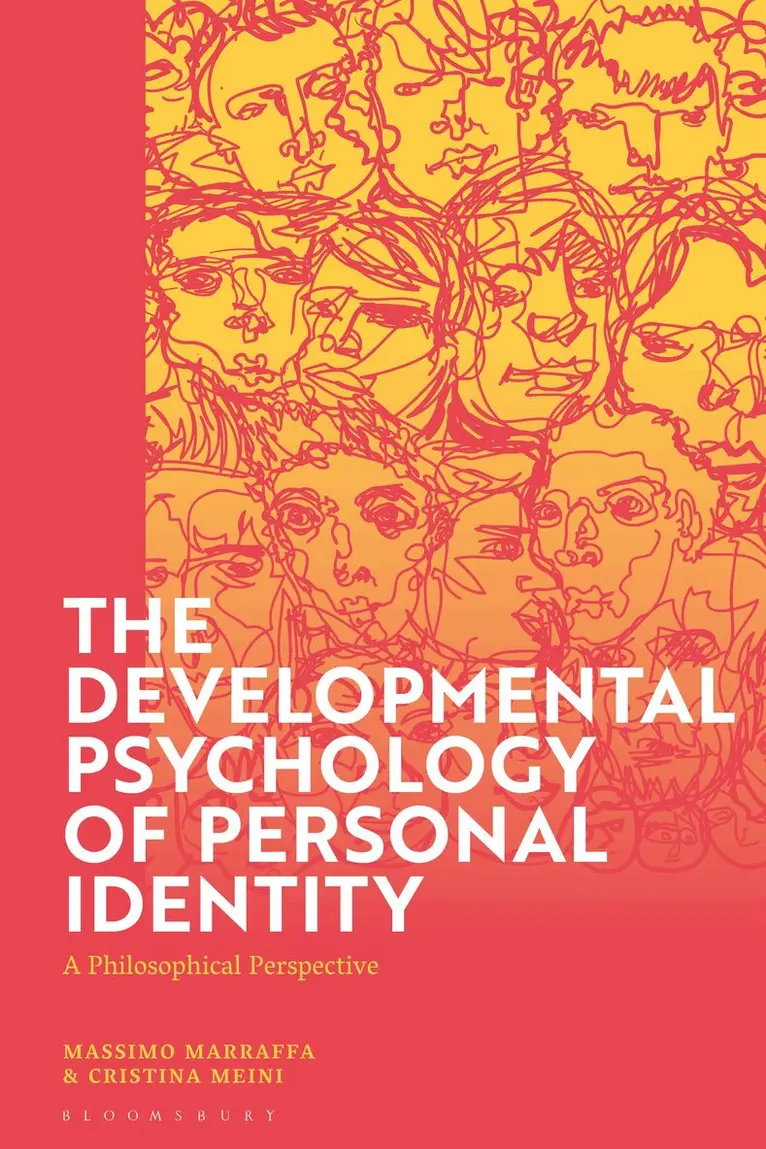
Developmental Psychology of Personal Identity
A Philosophical Perspective
Av Massimo Marraffa, Cristina Meini
Inbunden, 2024
1280 kr
Lägg i varukorg
Massimo Marraffa and Cristina Meini re-connect the psychology of identity with its philosophical roots in this study. They trace the contemporary problem of the self to John Locke and William James’ foundational theories on personal identity. By integrating the philosophy of identity with empirical …
Developmental Psychology of Personal Identity
A Philosophical Perspective
Av Massimo Marraffa, Cristina Meini
E-bok, 2024
452 kr
Lägg i varukorg
Massimo Marraffa and Cristina Meini re-connect the psychology of identity with its philosophical roots in this study. They trace the contemporary problem of the self to John Locke and William James'' foundational theories on personal identity. By integrating the philosophy of identity with …
Developmental Psychology of Personal Identity
A Philosophical Perspective
Av Massimo Marraffa, Cristina Meini
E-bok, 2024
452 kr
Lägg i varukorg
Massimo Marraffa and Cristina Meini re-connect the psychology of identity with its philosophical roots in this study. They trace the contemporary problem of the self to John Locke and William James'' foundational theories on personal identity. By integrating the philosophy of identity with …
Developmental Psychology of Personal Identity
A Philosophical Perspective
Av Massimo Marraffa, Cristina Meini
Häftad, 2025
417 kr
Lägg i varukorg
Massimo Marraffa and Cristina Meini re-connect the psychology of identity with its philosophical roots in this study. They trace the contemporary problem of the self to John Locke and William James’ foundational theories on personal identity. By integrating the philosophy of identity with empirical …
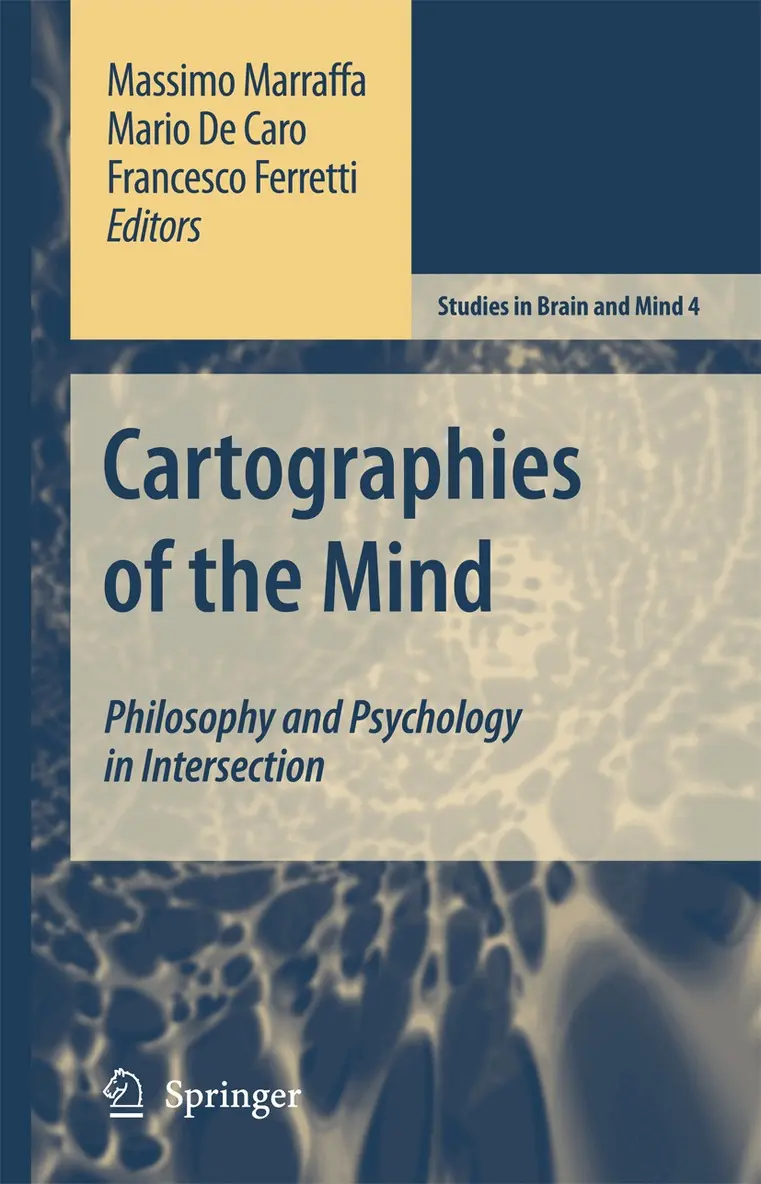
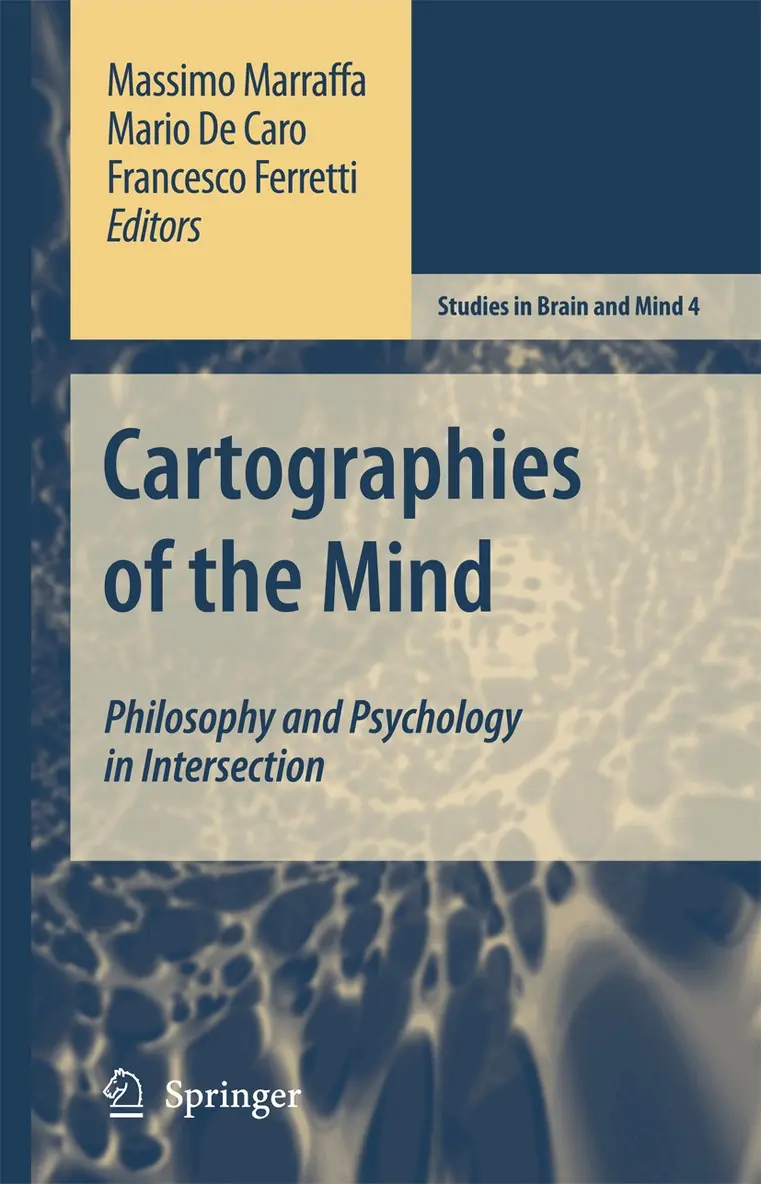
Cartographies of the Mind
Philosophy and Psychology in Intersection
Av Massimo Marraffa, Mario De Caro m. fl.
Inbunden, 2007
1967 kr
Lägg i varukorg
In the last three decades, the level of interaction between philosophy and psychology has increased dramatically. As a contribution to this trend, this book explores some areas in which this interaction has been very productive – or, at least, highly provocative.The interaction between philosophy …
Cartographies of the Mind
Philosophy and Psychology in Intersection
Av Francesco Ferretti, Mario De Caro m. fl.
E-bok, 2007
2543 kr
Lägg i varukorg
In the last three decades, the level of interaction between philosophy and psychology has increased dramatically. As a contribution to this trend, this book explores some areas in which this interaction has been very productive – or, at least, highly provocative. The interaction between philosophy …
Cartographies of the Mind
Philosophy and Psychology in Intersection
Av Massimo Marraffa, Mario De Caro m. fl.
Häftad, 2010
1967 kr
Lägg i varukorg
In the last three decades, the level of interaction between philosophy and psychology has increased dramatically. As a contribution to this trend, this book explores some areas in which this interaction has been very productive – or, at least, highly provocative.The interaction between philosophy …