Matt Andrews – författare
Visar alla böcker från författaren Matt Andrews. Handla med fri frakt och snabb leverans.
14 produkter
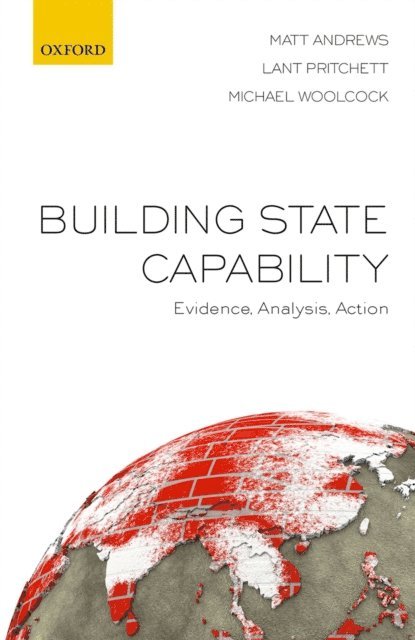
Building State Capability
Evidence, Analysis, Action
Av Michael Woolcock, Lant Pritchett m. fl.
E-bok, 2017
54 kr
Lägg i varukorg
This is an open access title available under the terms of a CC BY-NC-ND 4.0 licence. It is free to read at Oxford Scholarship Online and offered as a free PDF download from OUP and selected open access locations. Governments play a major role in the development process, and constantly introduce …
Building State Capability
Evidence, Analysis, Action
Av Matt Andrews, Lant Pritchett m. fl.
Inbunden, 2017
1536 kr
Lägg i varukorg
This is an open access title available under the terms of a CC BY-NC-ND 4.0 licence. It is free to read at Oxford Scholarship Online and offered as a free PDF download from OUP and selected open access locations. Governments play a major role in the development process, and constantly introduce …
Building State Capability
Evidence, Analysis, Action
Av Matt Andrews, Lant Pritchett m. fl.
Häftad, 2019
565 kr
Lägg i varukorg
Governments play a major role in the development process, and constantly introduce reforms and policies to achieve developmental objectives. Many of these interventions have limited impact, however; schools get built but children don't learn, IT systems are introduced but not used, plans are …
Textastrophe
Av Matt Andrews
E-bok, 2014
147 kr
Lägg i varukorg
Prank text messaging. You knew it was going to happen someday. It was inevitable, almost destined. From corkboards at your local supermarket to Craigslist, people confidently post their phone numbers everywhere in the hope it will lead to more business. Textastrophe explores the relationships one …
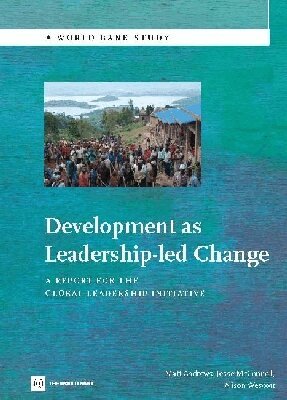
Development As Leadership-led Change
A Report for the Global Leadership Initiative
Av Matt Andrews, Jesse McConnell
Häftad, 2010
233 kr
Lägg i varukorg
Development as Leadership-led Change presents the findings of the "Global Leadership Initiative Research Study," which examines leadership in the change processes of fourteen capacity development interventions in eight developing countries. The paper explores what it takes to make change happen in …
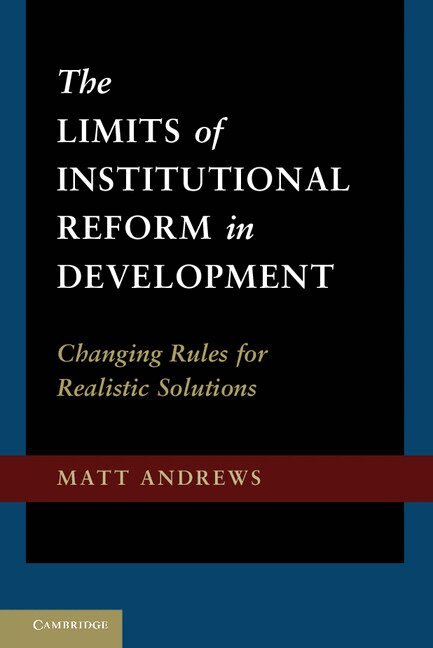
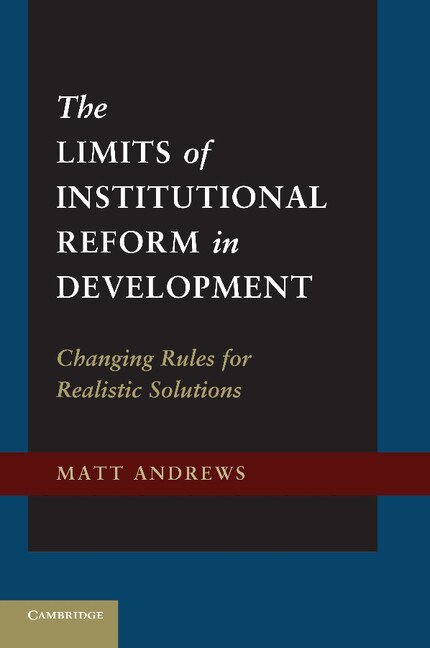
The Limits of Institutional Reform in Development
Changing Rules for Realistic Solutions
Av Matt Andrews
Inbunden, 2013
1739 kr
Lägg i varukorg
Developing countries commonly adopt reforms to improve their governments yet they usually fail to produce more functional and effective governments. Andrews argues that reforms often fail to make governments better because they are introduced as signals to gain short-term support. These signals …
The Limits of Institutional Reform in Development
Changing Rules for Realistic Solutions
Av Matt Andrews
Häftad, 2014
738 kr
Lägg i varukorg
Developing countries commonly adopt reforms to improve their governments yet they usually fail to produce more functional and effective governments. Andrews argues that reforms often fail to make governments better because they are introduced as signals to gain short-term support. These signals …
Real Estate Investor's Guide to Flipping Bank-Owned Properties: How to Wholesale REOs for Maximum Profit
Av Matt Andrews
E-bok, 2011
44 kr
Lägg i varukorg
Want to make money in real estate with no money and no experience? A lot has changed in the last year in real estate investment. I've released this 2013 edition because the market is moving so fast and what worked last year won't necessarily work this year. The investors that stay on top of what …
Real Estate Investor's Guide: Using Facebook to Generate Leads, Flip Properties & Make Money
Av Matt Andrews
E-bok, 2012
44 kr
Lägg i varukorg
A message from the author: These are methods that I am using right now to find qualified buyer leads for investment real estate. This blueprint is easy to understand & implement. It can be used by real estate investors, Realtors, property managers and anyone else looking to make money in real …
Real Estate Investor's Guide: Using LinkedIn to Generate Leads, Flip Properties & Make Money
Av Matt Andrews
E-bok, 2012
45 kr
Lägg i varukorg
HEY YOU . . . REAL ESTATE INVESTOR! Tired of chasing leads? You should have them chasing you instead! These are methods that I am using right now to find qualified buyer leads on LinkedIn for investment real estate. This blueprint is easy to understand & implement. It can be used by real estate …
Real Estate Investor's Guide: Using YouTube To Generate Leads, Flip Properties & Make Money
Av Matt Andrews
E-bok, 2013
45 kr
Lägg i varukorg
A message from the author: These are methods that I am using right now to find qualified buyer leads for investment real estate. This blueprint is easy to understand & implement. It can be used by real estate investors, Realtors, property managers and anyone else looking to make money in real …
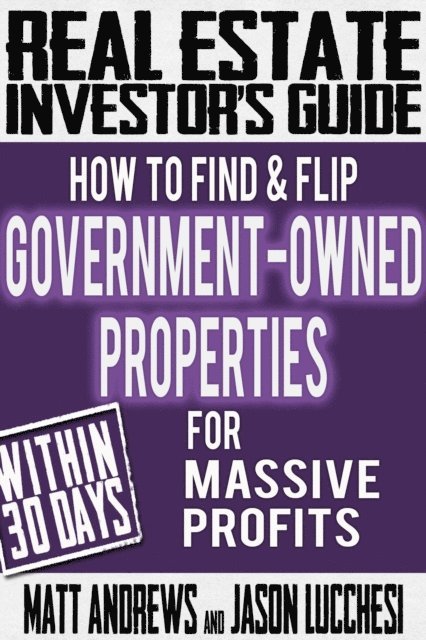
Real Estate Investor's Guide: How to Find & Flip Government-Owned Properties for Massive Profits
Av Matt Andrews
E-bok, 2014
15 kr
Lägg i varukorg
The latest book in the "Real Estate Investor's Guide" series by Matt Andrews dives into the world of Government Owned (HUD) Properties. This book reveals the strategies that he uses in his business to Find and Flip houses from this lucrative property source. This book is direct and straight to the …
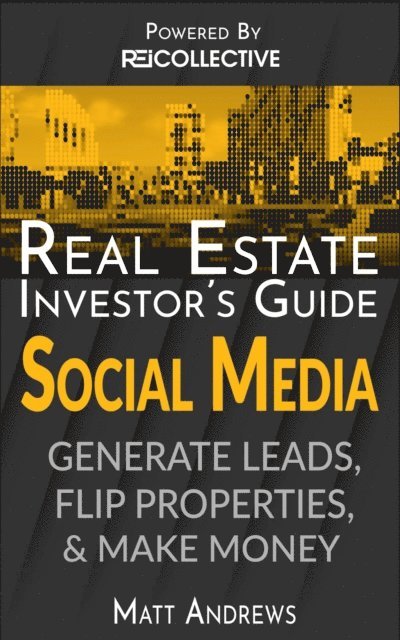
Real Estate Investor's Guide
Using Social Media To Generate Leads, Flip Properties, & Make Money
Av Matt Andrews
E-bok, 2019
46 kr
Lägg i varukorg
These are the social media methods that I am using right now to find qualified buyer leads for investment real estate. This Social Media blueprint is easy to understand & implement. It can be used by real estate investors, Realtors, property managers and anyone else looking to make money in real …