Matt Losada - Böcker
Visar alla böcker från författaren Matt Losada. Handla med fri frakt och snabb leverans.
4 produkter
4 produkter
1 545 kr
Skickas inom 3-6 vardagar
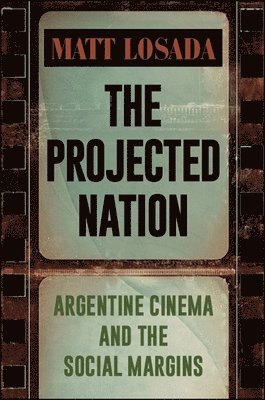
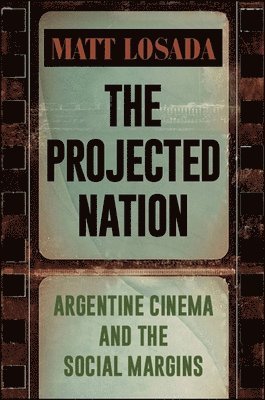
Investigates how Argentine cinema has represented rural spaces and urban margins from the 1910s to the present.The Projected Nation examines the representation of rural spaces and urban margins in Argentine cinema from the 1910s to the present. The literary and visual culture of the nineteenth and early-twentieth centuries formulated a spatial imaginary-often articulated as an opposition between civilization and barbarism, or its inversion-into which the cinema intervened. As the twentieth century progressed, the new medium integrated these ideas with its own images in various ways. At times cinema limited itself to reproducing inherited representations that reassure the viewer that all is well in the nation, while at others it powerfully reformulated them by filming spaces and peoples previously excluded from the national culture and left behind in the nation's modernizing process. Matt Losada accounts for historical events, technological factors, and the politics of film form and viewing in assessing a selection of works ranging from mass-marketed cinema to the political avant-garde, and from the canonical to the nearly unknown.
601 kr
Skickas inom 3-6 vardagar
Investigates how Argentine cinema has represented rural spaces and urban margins from the 1910s to the present.The Projected Nation examines the representation of rural spaces and urban margins in Argentine cinema from the 1910s to the present. The literary and visual culture of the nineteenth and early-twentieth centuries formulated a spatial imaginary-often articulated as an opposition between civilization and barbarism, or its inversion-into which the cinema intervened. As the twentieth century progressed, the new medium integrated these ideas with its own images in various ways. At times cinema limited itself to reproducing inherited representations that reassure the viewer that all is well in the nation, while at others it powerfully reformulated them by filming spaces and peoples previously excluded from the national culture and left behind in the nation's modernizing process. Matt Losada accounts for historical events, technological factors, and the politics of film form and viewing in assessing a selection of works ranging from mass-marketed cinema to the political avant-garde, and from the canonical to the nearly unknown.
388 kr
Skickas inom 7-10 vardagar
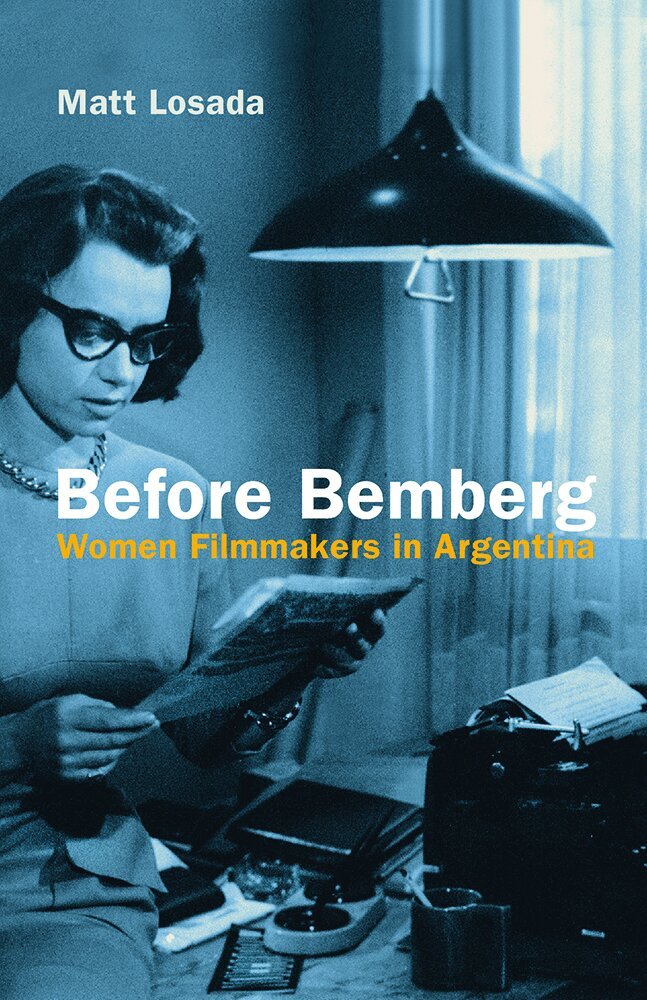
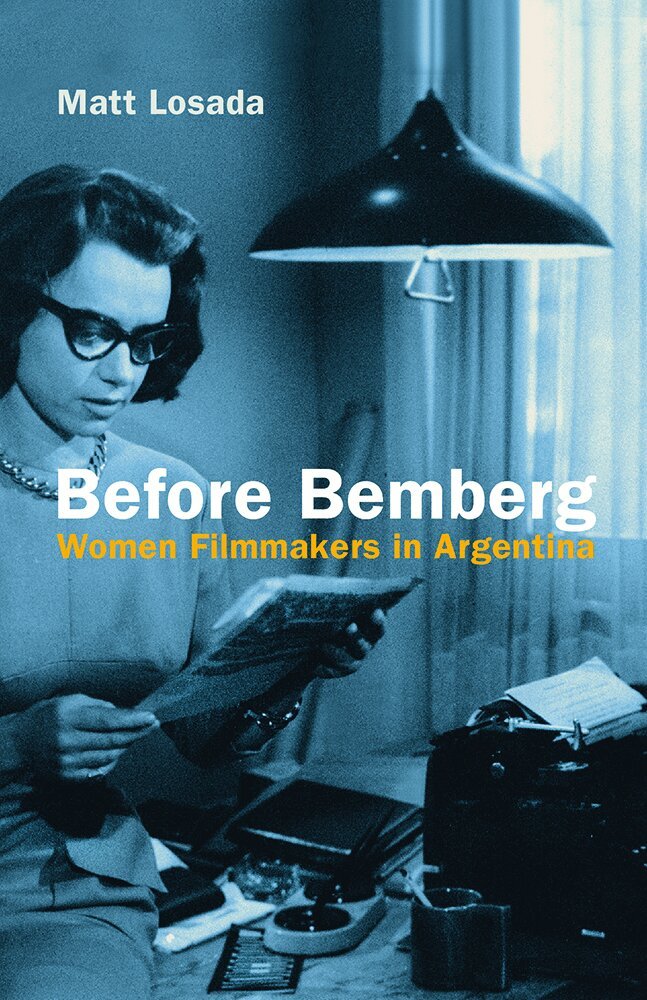
Before Bemberg: Argentine Women Filmmakers calls into question the historiography of Argentine women filmmakers that has centered on María Luisa Bemberg to the exclusion of her predecessors. Its introductory discussion of the abundant initial participation by women in film production in the 1910s is followed by an account of their exclusion from creative roles in the studio cinema, which was only altered by the opportunities opened by a boom in short filmmaking in the 1960s. The book then discusses in depth the six sound features directed by women before 1980, which, despite their trailblazing explorations of the perspectives of female characters, daring denunciations of authoritarianism and censorship, and modernizing formal invention, have been forgotten by Argentine film history. Looking at the work and roles of Eva Landeck, Vlasta Lah, María Herminia Avellaneda and María Elena Walsh and Maria Bemberg, the book recognizes these filmmakers' contributions at a significant moment in which movements to eliminate gender-based oppression and violence in Argentina and elsewhere are surging. Watch some of the films discussed in the book with English subtitles (https://www.youtube.com/channel/UCF_6F4am5024rklIWwExUVA?view_as=subscriber).
1 624 kr
Skickas inom 7-10 vardagar
Before Bemberg: Argentine Women Filmmakers calls into question the historiography of Argentine women filmmakers that has centered on María Luisa Bemberg to the exclusion of her predecessors. Its introductory discussion of the abundant initial participation by women in film production in the 1910s is followed by an account of their exclusion from creative roles in the studio cinema, which was only altered by the opportunities opened by a boom in short filmmaking in the 1960s. The book then discusses in depth the six sound features directed by women before 1980, which, despite their trailblazing explorations of the perspectives of female characters, daring denunciations of authoritarianism and censorship, and modernizing formal invention, have been forgotten by Argentine film history. Looking at the work and roles of Eva Landeck, Vlasta Lah, María Herminia Avellaneda and María Elena Walsh and Maria Bemberg, the book recognizes these filmmakers' contributions at a significant moment in which movements to eliminate gender-based oppression and violence in Argentina and elsewhere are surging. Watch some of the films discussed in the book with English subtitles (https://www.youtube.com/channel/UCF_6F4am5024rklIWwExUVA?view_as=subscriber).