Matteo Mossio - Böcker
Visar alla böcker från författaren Matteo Mossio. Handla med fri frakt och snabb leverans.
4 produkter
4 produkter
535 kr
Skickas inom 10-15 vardagar
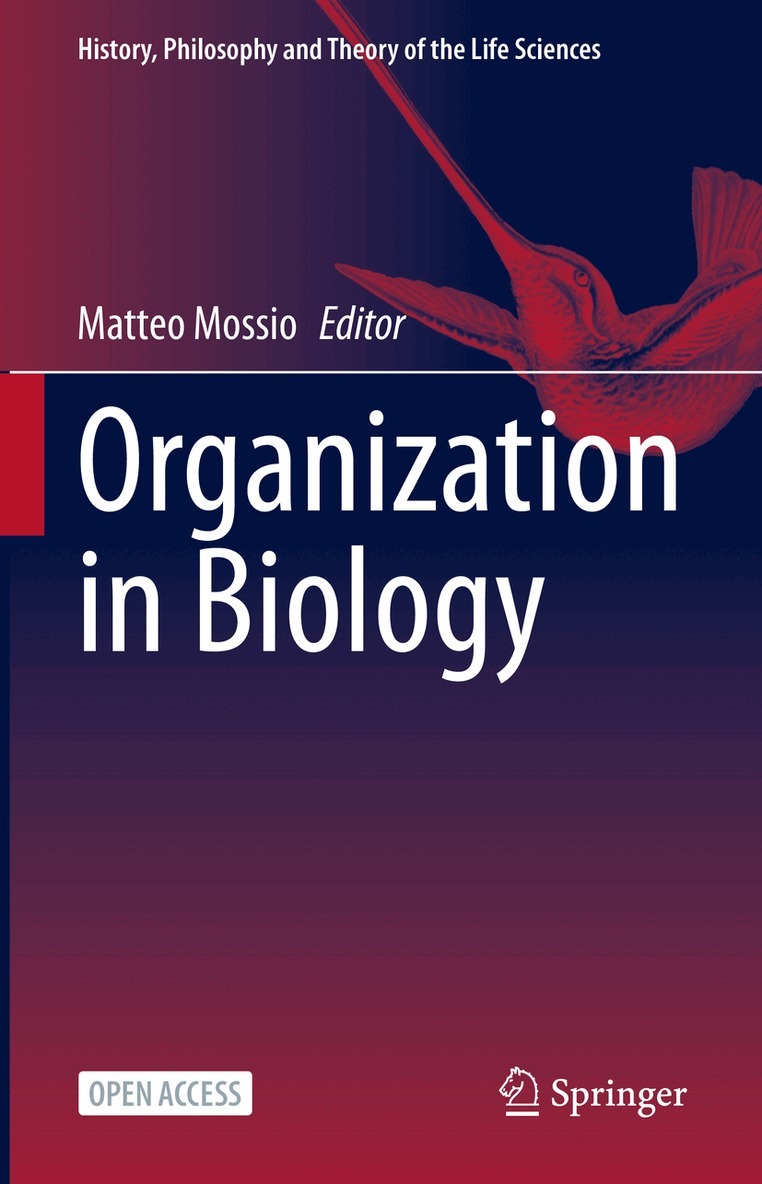
This open access book assesses the prospects of (re)adopting organization as a pivotal concept in biology. It shows how organization can nourish biological thinking and practice, by reconnecting with the idea of biology as the science of organized systems. The book provides a comprehensive state-of-the-art picture of the characterizations and uses of the concept of organization in both biological science and philosophy of biology. It also deals with a variety of themes – including evolution, organogenesis, heredity, cognition and ecology – with respect to which the concept of organization can guide the elaboration of original models and new experimental protocols. It will be of interest to biologists and scholars working in philosophy of science alike.
430 kr
Skickas inom 10-15 vardagar
This open access book assesses the prospects of (re)adopting organization as a pivotal concept in biology. It shows how organization can nourish biological thinking and practice, by reconnecting with the idea of biology as the science of organized systems. The book provides a comprehensive state-of-the-art picture of the characterizations and uses of the concept of organization in both biological science and philosophy of biology. It also deals with a variety of themes – including evolution, organogenesis, heredity, cognition and ecology – with respect to which the concept of organization can guide the elaboration of original models and new experimental protocols. It will be of interest to biologists and scholars working in philosophy of science alike.
Del 12 - History, Philosophy and Theory of the Life Sciences
Biological Autonomy
A Philosophical and Theoretical Enquiry
Inbunden, Engelska, 2015
1 169 kr
Skickas inom 10-15 vardagar
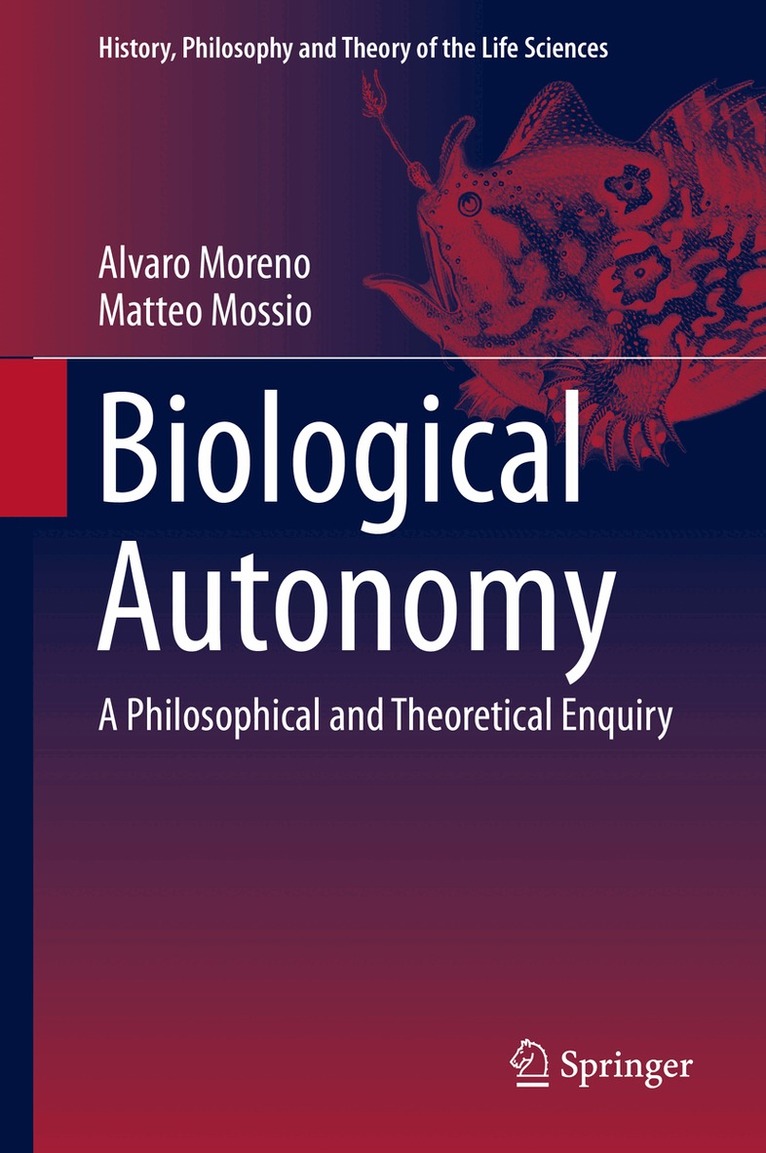
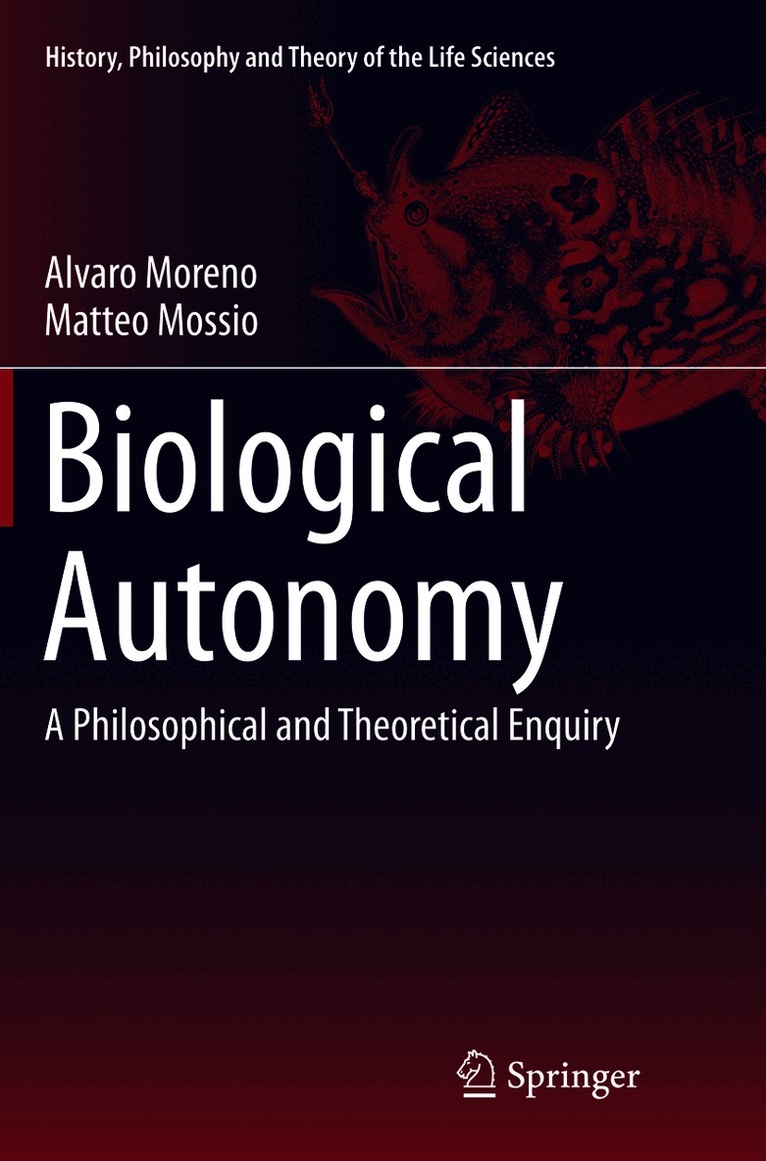
Since Darwin, Biology has been framed on the idea of evolution by natural selection, which has profoundly influenced the scientific and philosophical comprehension of biological phenomena and of our place in Nature. This book argues that contemporary biology should progress towards and revolve around an even more fundamental idea, that of autonomy. Biological autonomy describes living organisms as organised systems, which are able to self-produce and self-maintain as integrated entities, to establish their own goals and norms, and to promote the conditions of their existence through their interactions with the environment.Topics covered in this book include organisation and biological emergence, organisms, agency, levels of autonomy, cognition, and a look at the historical dimension of autonomy. The current development of scientific investigations on autonomous organisation calls for a theoretical and philosophical analysis. This can contribute to the elaboration of an original understanding of life - including human life - on Earth, opening new perspectives and enabling fecund interactions with other existing theories and approaches. This book takes up the challenge.
Del 12 - History, Philosophy and Theory of the Life Sciences
Biological Autonomy
A Philosophical and Theoretical Enquiry
Häftad, Engelska, 2016
1 169 kr
Skickas inom 10-15 vardagar
Since Darwin, Biology has been framed on the idea of evolution by natural selection, which has profoundly influenced the scientific and philosophical comprehension of biological phenomena and of our place in Nature. This book argues that contemporary biology should progress towards and revolve around an even more fundamental idea, that of autonomy. Biological autonomy describes living organisms as organised systems, which are able to self-produce and self-maintain as integrated entities, to establish their own goals and norms, and to promote the conditions of their existence through their interactions with the environment.Topics covered in this book include organisation and biological emergence, organisms, agency, levels of autonomy, cognition, and a look at the historical dimension of autonomy. The current development of scientific investigations on autonomous organisation calls for a theoretical and philosophical analysis. This can contribute to the elaboration of an original understanding of life - including human life - on Earth, opening new perspectives and enabling fecund interactions with other existing theories and approaches. This book takes up the challenge.