Matthew S. Harmon – författare
Visar alla böcker från författaren Matthew S. Harmon. Handla med fri frakt och snabb leverans.
15 produkter
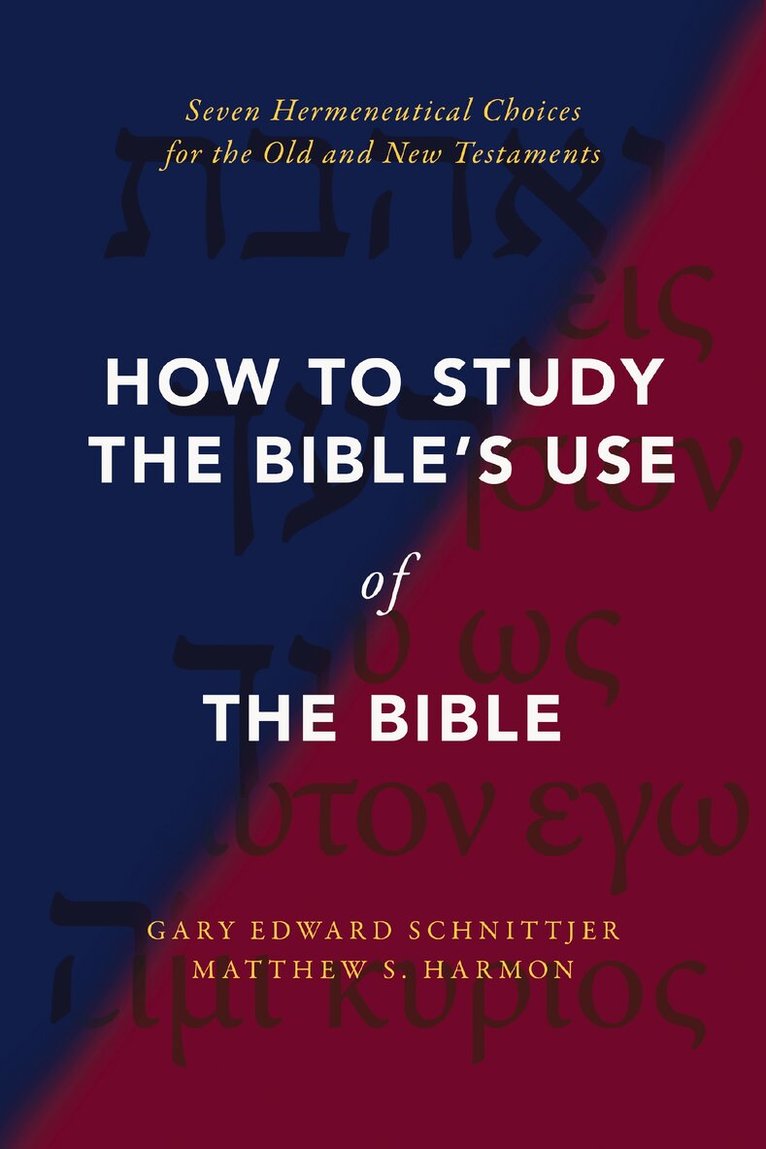
How to Study the Bible's Use of the Bible
Seven Hermeneutical Choices for the Old and New Testaments
Av Gary Edward Schnittjer, Matthew S. Harmon
Inbunden, 2024
324 kr
Lägg i varukorg
How to Study the Bible's Use of the Bible: Seven Hermeneutical Choices for the Old and New Testaments by Gary Edward Schnittjer and Matthew S. Harmon is an essential resource aimed at teaching a hermeneutic for understanding the Bible's use of the Bible. Intended for students of both testaments, …
How to Study the Bible's Use of the Bible
Seven Hermeneutical Choices for the Old and New Testaments
Av Matthew S. Harmon, Gary Edward Schnittjer
E-bok, 2024
272 kr
Lägg i varukorg
How to Study the Bible''s Use of the Bible: Seven Hermeneutical Choices for the Old and New Testaments by Gary Edward Schnittjer and Matthew S. Harmon is an essential resource aimed at teaching a hermeneutic for understanding the Bible''s use of the Bible. Intended for students of both testaments, …
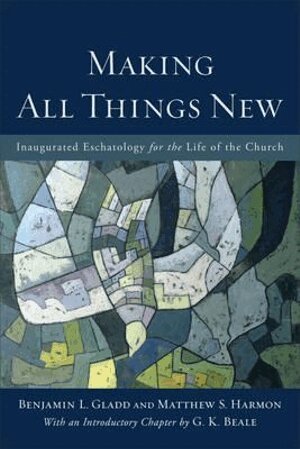
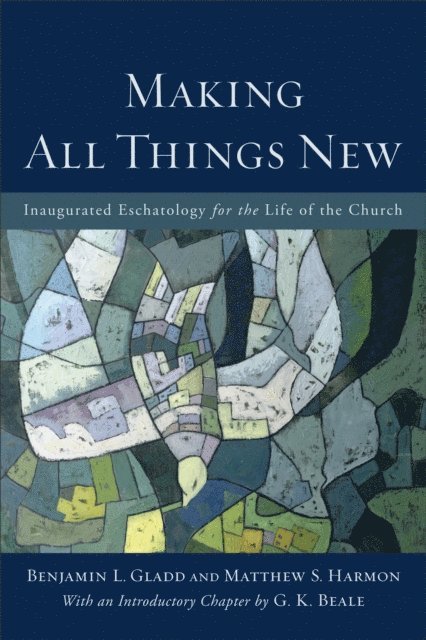
Making All Things New – Inaugurated Eschatology for the Life of the Church
Av Benjamin L. Gladd, Matthew S. Harmon m. fl.
Häftad, 2016
244 kr
Lägg i varukorg
Many people think eschatology refers to events occurring at the end of history. In this book, two scholars with expertise in biblical eschatology argue that God's kingdom breaking into this world through Jesus Christ has inaugurated a new creation, a reality that should shape pastoral leadership …
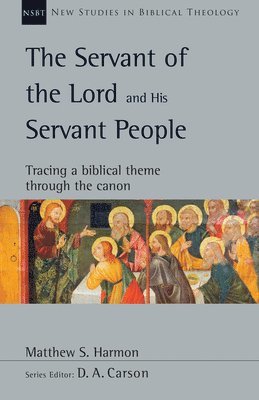
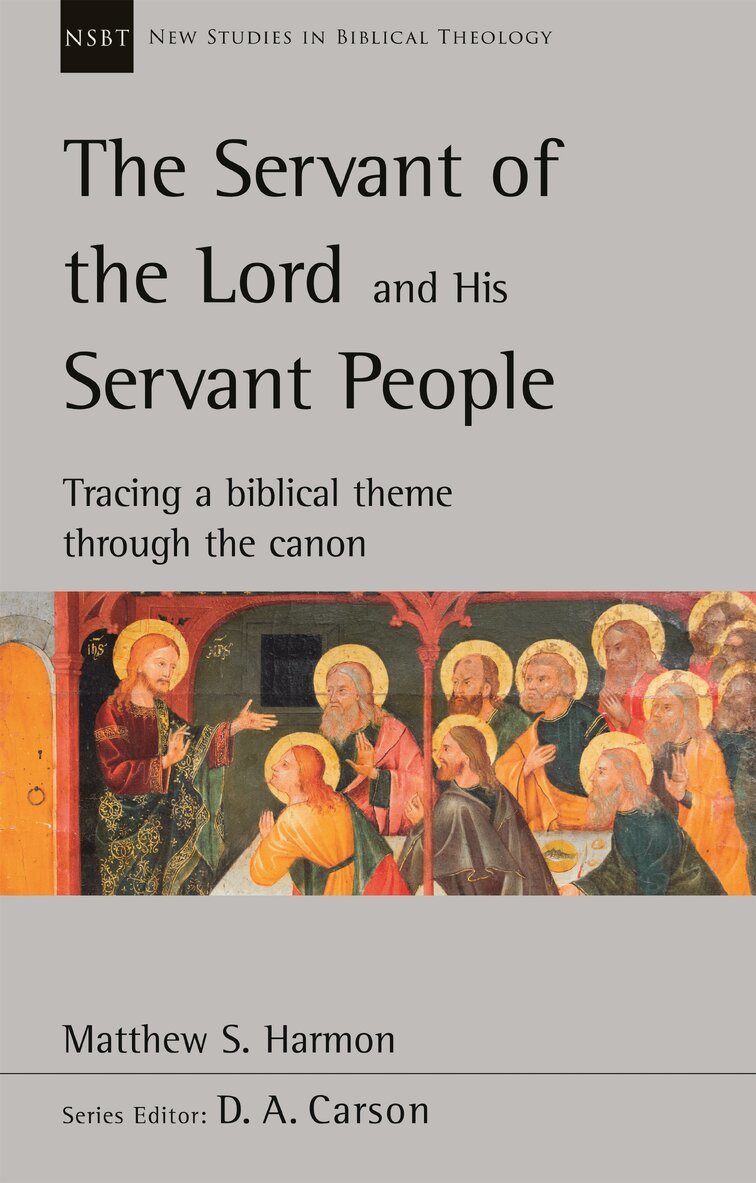
Servant of the Lord and His Servant People
Tracing a Biblical Theme Through the Canon
Av Matthew S. Harmon, D. A. Carson m. fl.
Häftad, 2021
328 kr
Lägg i varukorg
Rebels and Exiles
A Biblical Theology of Sin and Restoration
E-bok, 2020
255 kr
Lägg i varukorg
Biblical Foundations Book Awards FinalistDeep within the human psyche lies a sense that we were made for something more than this broken world. We all share an experience of exile—of longing for our true home.In this ESBT volume, Matthew S. Harmon explores how the theme of sin and exile is …
Rebels and Exiles – A Biblical Theology of Sin and Restoration
Av Matthew S. Harmon, Benjamin L. Gladd m. fl.
Häftad, 2020
320 kr
Lägg i varukorg
Biblical Foundations Book Awards Finalist Deep within the human psyche lies a sense that we were made for something more than this broken world. We all share an experience of exile-of longing for our true home. In this ESBT volume, Matthew S. Harmon explores how the theme of sin and exile is …
Jeremiah
A 12-Week Study
Av Matthew S. Harmon, J. I. Packer m. fl.
Häftad, 2016
105 kr
Lägg i varukorg
"A tremendous resource for those wanting to study and teach the Bible with an understanding of how the gospel is woven throughout Scripture." —Bryan Chapell, Pastor, Grace Presbyterian ChurchThe Knowing the Bible series is a resource designed to help Bible readers better understand and apply God’s …
Asking the Right Questions
A Practical Guide to Understanding and Applying the Bible
Häftad, 2017
147 kr
Lägg i varukorg
Simple Questions to Ask Every Time You Open Your BibleWe all know that we should read our Bibles—yet at times we struggle with knowing exactly how, no matter how long we’ve followed Jesus. In this empowering book, Professor Matthew Harmon walks us through two simple sets of questions to ask every …
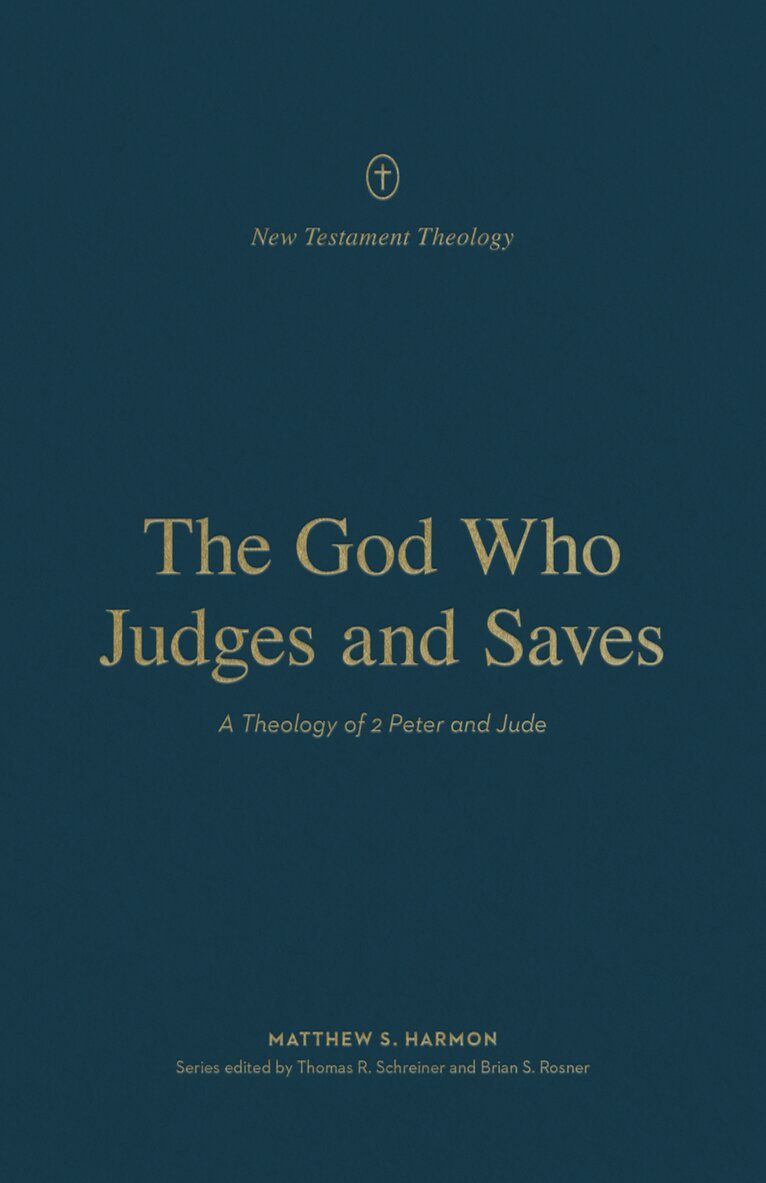
God Who Judges and Saves
A Theology of 2 Peter and Jude
Av Matthew S. Harmon, Thomas R. Schreiner m. fl.
Häftad, 2023
176 kr
Lägg i varukorg
An Introduction to the Theology of 2 Peter and Jude from Matthew S. HarmonEven though Peter and Jude wrote their canonical letters almost 2,000 years ago, the church today still faces similar challenges as their original readers. What do these short, overlooked books have to teach Christians today …
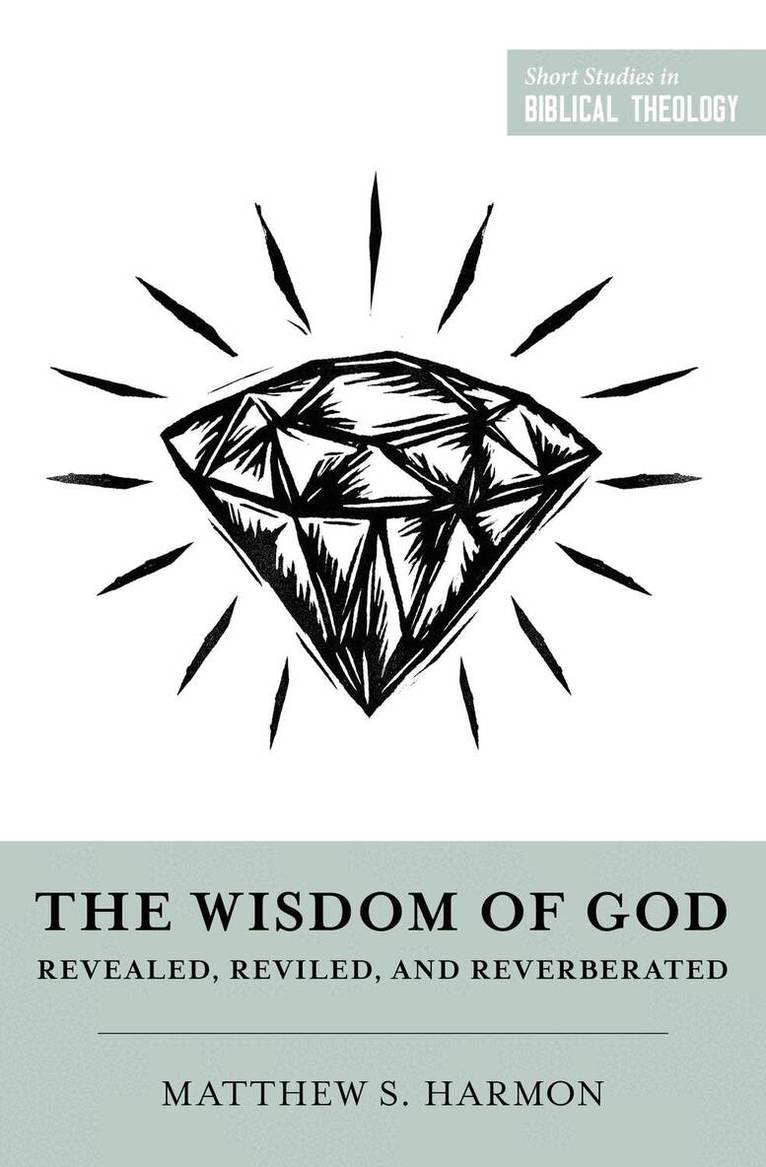
Wisdom of God
Av Matthew S. Harmon, Dane Ortlund m. fl.
Häftad, 2026
189 kr
Lägg i varukorg
Tracing God’s Wisdom Throughout ScriptureIn an age saturated with breaking news and endless search results, we are overwhelmed with information but starved for wisdom. Where can we turn for guidance that lasts? In this volume from the Short Studies in Biblical Theology series, biblical scholar …
Making All Things New
Inaugurated Eschatology for the Life of the Church
Av Matthew S. Harmon, Benjamin L. Gladd
E-bok, 2016
274 kr
Lägg i varukorg
Many people think eschatology refers to events occurring at the end of history. In this book, two scholars with expertise in biblical eschatology argue that God''s kingdom breaking into this world through Jesus Christ has inaugurated a new creation, a reality that should shape pastoral leadership …
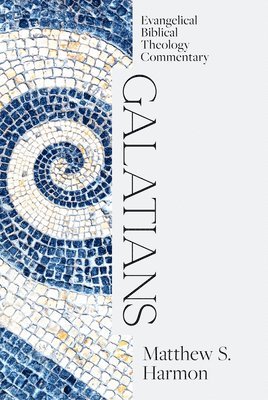
Galatians: Evangelical Biblical Theology Commentar y
Av Matthew S. Harmon, T. Desmond Alexander m. fl.
Inbunden, 2021
457 kr
Lägg i varukorg
Galatians reveals how Christ changes everything. Matthew S. Harmon traces the argument of Paul's most polemic letter. In Galatians, Paul defends his authority and attacks his opponents' arguments--and in both cases, the decisive factor is the Gospel. History and Scripture must be interpreted in …
Servant of the Lord and his Servant People: Tracing A Biblical Theme Through The Canon
Tracing A Biblical Theme Through The Canon
Av Matthew S. Harmon, D. A. Carson
Häftad, 2020
252 kr
Lägg i varukorg
It is often recognized that the title ‘servant’ is applied to key figures throughout the Bible, culminating in Jesus Christ. Matthew Harmon carefully traces this theme from Genesis to Revelation, examining how earlier ‘servants’ point forwards to the ultimate Servant. While this theme is …
She Must and Shall Go Free
Paul's Isaianic Gospel in Galatians
Inbunden, 2010
2679 kr
Lägg i varukorg
Scholars have long recognized the importance of Paul’s citations from the Pentateuch for understanding the argument of Galatians. But what has not been fully appreciated is the key role that Isaiah plays in shaping what Paul says and how he says it, even though he cites Isaiah explicitly only once …
She Must and Shall Go Free
Paul''s Isaianic Gospel in Galatians
E-bok, 2010
2717 kr
Lägg i varukorg
Scholars have long recognized the importance of Paul’s citations from the Pentateuch for understanding the argument of Galatians. But what has not been fully appreciated is the key role that Isaiah plays in shaping what Paul says and how he says it, even though he cites Isaiah explicitly only once …