Matthew Steggle – författare
755 kr
Skickas inom 10-15 vardagar
1 227 kr
Skickas inom 5-8 vardagar
2 609 kr
Skickas inom 10-15 vardagar
487 kr
Skickas inom 10-15 vardagar
647 kr
Skickas inom 10-15 vardagar
1 765 kr
Skickas inom 10-15 vardagar
375 kr
Skickas inom 10-15 vardagar
1 370 kr
Skickas inom 10-15 vardagar
982 kr
Skickas inom 10-15 vardagar
890 kr
Läs direkt efter köp
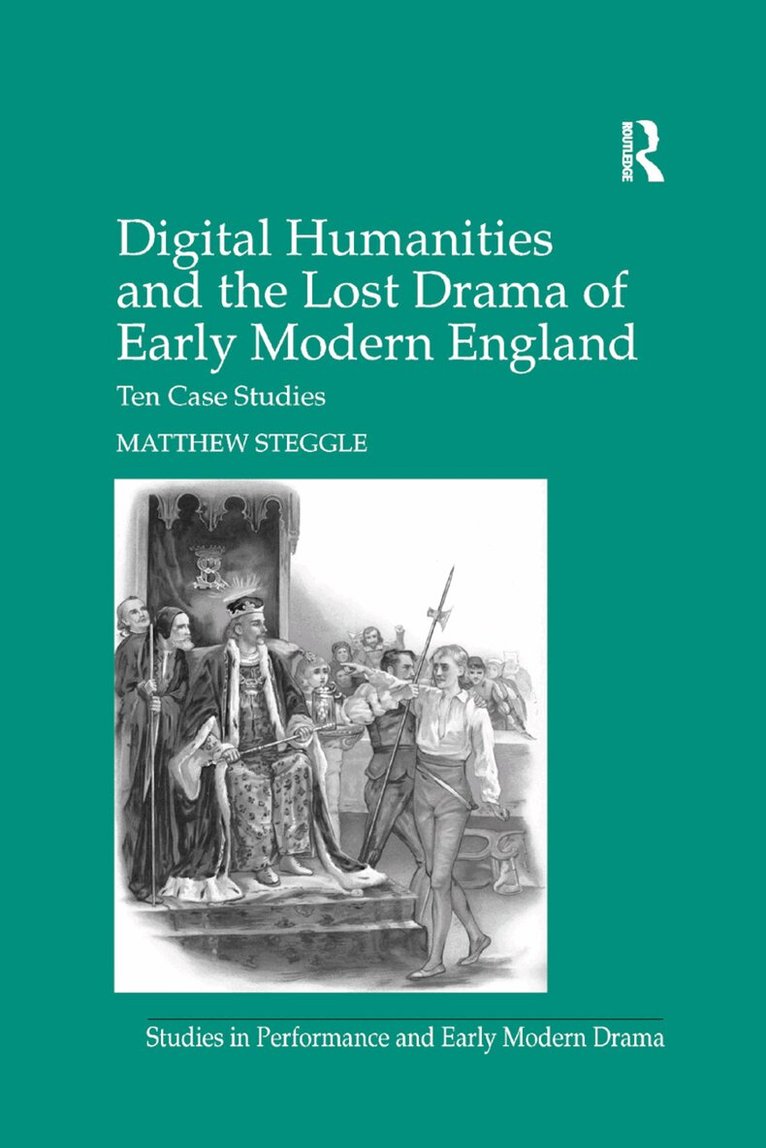
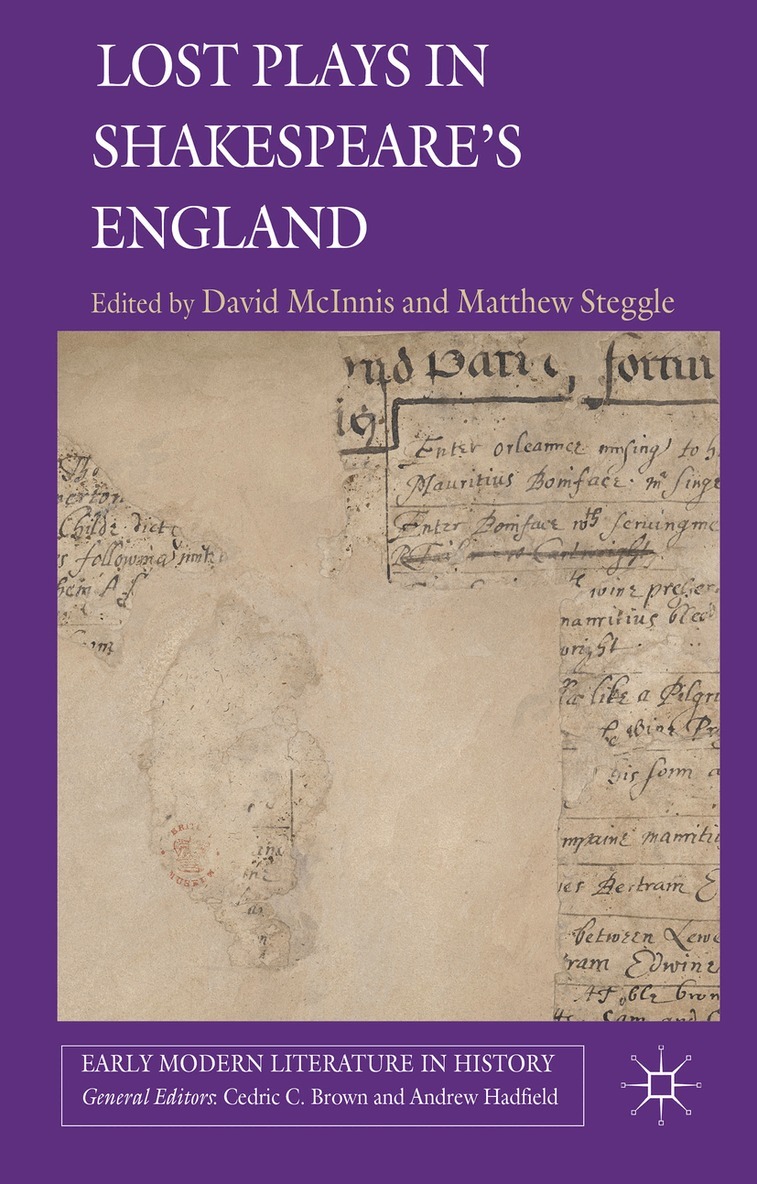
This book establishes new information about the likely content of ten lost plays from the period 1580-1642. These plays’ authors include Nashe, Heywood, and Dekker; and the plays themselves connect in direct ways to some of the most canonical dramas of English literature, including Hamlet, King Lear, The Changeling, and The Duchess of Malfi. The lost plays in question are: Terminus & Non Terminus (1586-8); Richard the Confessor (1593); Cutlack (1594); Bellendon (1594); Truth''s Supplication to Candlelight (1600); Albere Galles (1602); Henry the Una (c. 1619); The Angel King (1624); The Duchess of Fernandina (c. 1630-42); and The Cardinal''s Conspiracy (bef. 1639). From this list of bare titles, it is argued, can be reconstructed comedies, tragedies, and histories, whose leading characters included a saint, a robber, a Medici duchess, an impotent king, at least one pope, and an angel. In each case, newly-available digital research resources make it possible to interrogate the title and to identify the play''s subject-matter, analogues, and likely genre. But these concrete examples raise wider theoretical problems: What is a lost play? What can, and cannot, be said about objects in this problematic category? Known lost plays from the early modern commercial theatre outnumber extant plays from that theatre: but how, in practice, can one investigate them? This book offers an innovative theoretical and practical frame for such work, putting digital humanities into action in the emerging field of lost play studies.
890 kr
Läs direkt efter köp
This book establishes new information about the likely content of ten lost plays from the period 1580-1642. These plays’ authors include Nashe, Heywood, and Dekker; and the plays themselves connect in direct ways to some of the most canonical dramas of English literature, including Hamlet, King Lear, The Changeling, and The Duchess of Malfi. The lost plays in question are: Terminus & Non Terminus (1586-8); Richard the Confessor (1593); Cutlack (1594); Bellendon (1594); Truth''s Supplication to Candlelight (1600); Albere Galles (1602); Henry the Una (c. 1619); The Angel King (1624); The Duchess of Fernandina (c. 1630-42); and The Cardinal''s Conspiracy (bef. 1639). From this list of bare titles, it is argued, can be reconstructed comedies, tragedies, and histories, whose leading characters included a saint, a robber, a Medici duchess, an impotent king, at least one pope, and an angel. In each case, newly-available digital research resources make it possible to interrogate the title and to identify the play''s subject-matter, analogues, and likely genre. But these concrete examples raise wider theoretical problems: What is a lost play? What can, and cannot, be said about objects in this problematic category? Known lost plays from the early modern commercial theatre outnumber extant plays from that theatre: but how, in practice, can one investigate them? This book offers an innovative theoretical and practical frame for such work, putting digital humanities into action in the emerging field of lost play studies.
1 160 kr
Läs direkt efter köp
1 160 kr
Läs direkt efter köp
2 524 kr
Skickas inom 10-15 vardagar
400 kr
Läs direkt efter köp
522 kr
Läs direkt efter köp
522 kr
Läs direkt efter köp
400 kr
Läs direkt efter köp
1 305 kr
Skickas inom 10-15 vardagar
1 622 kr
Läs direkt efter köp
1 305 kr
Skickas inom 10-15 vardagar
597 kr
Skickas inom 10-15 vardagar
734 kr
Läs direkt efter köp
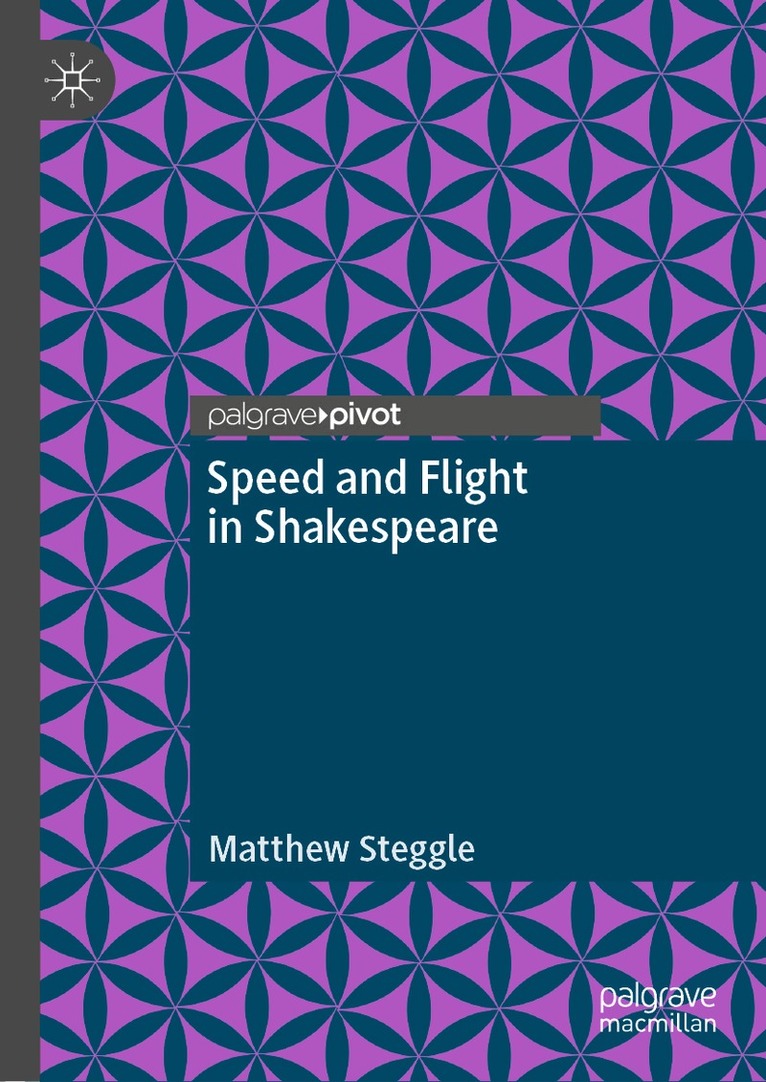
Shakespeare''s plays are fascinated by the problems of speed and flight. They are repeatedly interested in humans, spirits, and objects that move very fast; become airborne; and in some cases even travel into space. In Speed and Flight in Shakespeare, the first study of any kind on the subject, Steggle looks at how Shakespeare’s language explores ideas of speed and flight, and what theatrical resources his plays use to represent these states. Shakespeare has, this book argues, an aesthetic of speed and flight. Featuring chapters on The Comedy of Errors, A Midsummer Night’s Dream, Romeo and Juliet, Henry V, Macbeth and The Tempest, this study opens up a new field around the ‘historical phenomenology’ of early modern speed.