Matthias Buschmeier – författare
Visar alla böcker från författaren Matthias Buschmeier. Handla med fri frakt och snabb leverans.
10 produkter
Guilt
A Force of Cultural Transformation
Av Katharina Von Kellenbach, Matthias Buschmeier
Häftad, 2022
488 kr
Lägg i varukorg
Across the globe guilt has become a contentious issue in discussions over historical accountability and reparation for past injustices. Guilt has become political, and it assumes a highly visible place in the public sphere and academic debate in fields ranging from cultural memory, to transitional …
Guilt
A Force of Cultural Transformation
Av Matthias Buschmeier, Katharina von Kellenbach
E-bok, 2021
391 kr
Lägg i varukorg
Across the globe guilt has become a contentious issue in discussions over historical accountability and reparation for past injustices. Guilt has become political, and it assumes a highly visible place in the public sphere and academic debate in fields ranging from cultural memory, to transitional …
Guilt
A Force of Cultural Transformation
Av Matthias Buschmeier, Katharina von Kellenbach
E-bok, 2021
391 kr
Lägg i varukorg
Across the globe guilt has become a contentious issue in discussions over historical accountability and reparation for past injustices. Guilt has become political, and it assumes a highly visible place in the public sphere and academic debate in fields ranging from cultural memory, to transitional …
Literaturgeschichte
Theorien - Modelle - Praktiken
Av Matthias Buschmeier, Walter Erhart m. fl.
Inbunden, 2014
1619 kr
Lägg i varukorg
In den letzten Jahrzehnten hat die heftige Auseinandersetzung um die Literaturgeschichte offenbar nur geringfügig dazu beigetragen, dass ihr in den Debatten der Philologien noch ein gehobener Stellenwert eingeräumt wurde. Die Literaturgeschichte galt als tot. Immer aber war sie präsent in einer …
Literaturgeschichte
Theorien - Modelle - Praktiken
Av Kai Kauffmann, Walter Erhart m. fl.
E-bok, 2014
1422 kr
Lägg i varukorg
In den letzten Jahrzehnten hat die heftige Auseinandersetzung um die Literaturgeschichte offenbar nur geringfügig dazu beigetragen, dass ihr in den Debatten der Philologien noch ein gehobener Stellenwert eingeräumt wurde. Die Literaturgeschichte galt als tot. Immer aber war sie präsent in einer …
Literaturgeschichte
Theorien - Modelle - Praktiken
Av Matthias Buschmeier, Walter Erhart m. fl.
Häftad, 2023
350 kr
Lägg i varukorg
In den letzten Jahrzehnten hat die heftige Auseinandersetzung um die Literaturgeschichte offenbar nur geringfügig dazu beigetragen, dass ihr in den Debatten der Philologien noch ein gehobener Stellenwert eingeräumt wurde. Die Literaturgeschichte galt als tot. Immer aber war sie präsent in einer …
Poesie und Philologie in der Goethe-Zeit
Studien zum Verhältnis der Literatur mit ihrer Wissenschaft
E-bok, 2008
2569 kr
Lägg i varukorg
Die Studien zu F.A Wolf, F. Ast, Herder, F. Schlegel, Arnim, den Grimms und Goethe untersuchen mit Rückgriff auf eine Vielzahl von enzyklopädischen, wissenschaftlichen und vor allem literarischen Texten von der Aufklärung bis zur Hochromantik das gegenseitige Wechselverhältnis von philologischem …
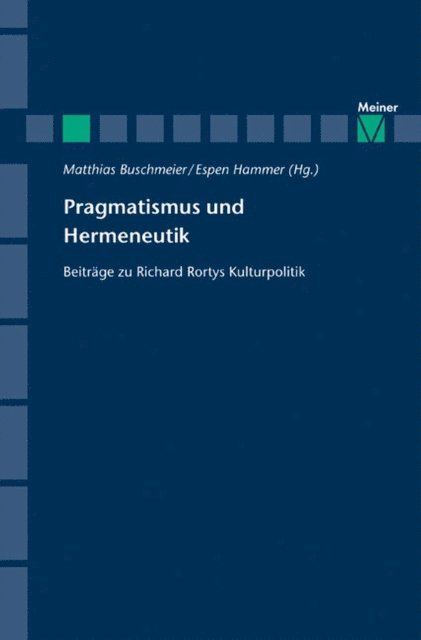
Pragmatismus und Hermeneutik
Beiträge zu Richard Rortys Kulturpolitik
Av Espen Hammer, Matthias Buschmeier
E-bok, 2011
827 kr
Lägg i varukorg
Wohl nur wenige andere zeitgenössische Philosophen haben die Geistes- und Kulturwissenschaften so stark beeinflusst wie Richard Rorty. Pragmatismus und Hermeneutik sucht Rortys Denken auf fundamentale Fragen der Geisteswissenschaften neu zu beziehen. Der Band untersucht neben seiner intellektuellen …
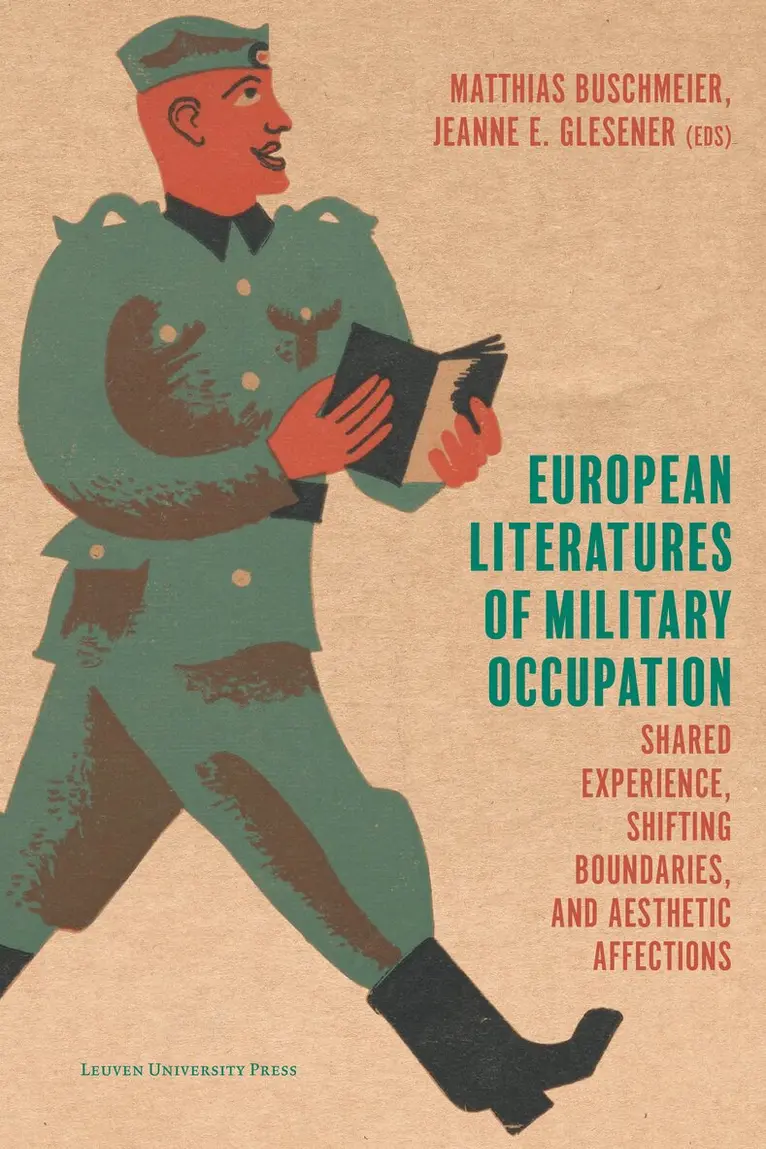
European Literatures of Military Occupation
Shared Experience, Shifting Boundaries, and Aesthetic Affections
Av Matthias Buschmeier, Jeanne E. Glesener
Häftad, 2024
593 kr
Lägg i varukorg
Occupation literature: a new perspective on European identitiesWhat does it mean to live under occupation? How does it shape the culture and identities of European nations? How does it affect the way we write and read literature? These are fundamental questions that set the stage for an in-depth …