Matthias Strohn – författare
Visar alla böcker från författaren Matthias Strohn. Handla med fri frakt och snabb leverans.
14 produkter
The German Army and the Defence of the Reich
Military Doctrine and the Conduct of the Defensive Battle 1918-1939
Inbunden, 2010
1677 kr
Lägg i varukorg
Historical research on the German army of the interwar period has concentrated on the development of the so-called 'Blitzkrieg'. However, Matthias Strohn shows that for most of the time the German army, restricted by the terms of the Versailles Treaty, was too weak to launch an offensive war or …
The German Army and the Defence of the Reich
Military Doctrine and the Conduct of the Defensive Battle 1918-1939
Häftad, 2017
539 kr
Lägg i varukorg
Historical research on the German army of the interwar period has concentrated on the development of the so-called 'Blitzkrieg'. However, Matthias Strohn shows that for most of the time the German army, restricted by the terms of the Versailles Treaty, was too weak to launch an offensive war or …
World War I Companion
E-bok, 2013
214 kr
Lägg i varukorg
A wide-ranging and incisive collection of articles covering all aspects of World War I, written by some of the leading academics in the field. World War I changed the face of the 20th century. For four long years the major European powers, later joined by America, fought in a life or death struggle …
World War I Companion
E-bok, 2013
216 kr
Lägg i varukorg
A wide-ranging and incisive collection of articles covering all aspects of World War I, written by some of the leading academics in the field. World War I changed the face of the 20th century. For four long years the major European powers, later joined by America, fought in a life or death struggle …
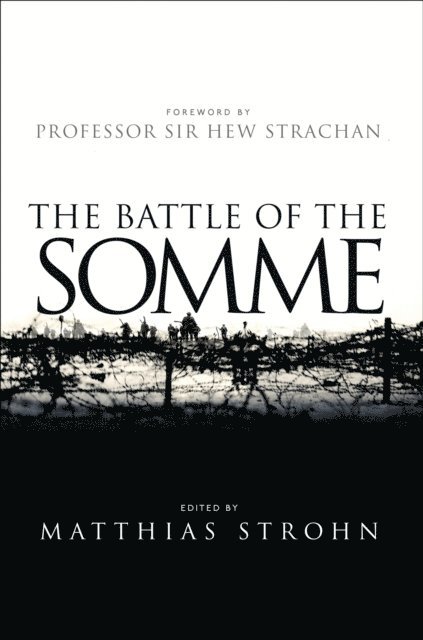
Battle of the Somme
E-bok, 2016
270 kr
Lägg i varukorg
The Battle of the Somme is the most famous battle of World War I in the English-speaking world. Published to coincide with the centenary commemoration of the battle of the Somme, this study comprises 12 separate articles written by some of the foremost military historians, each of whom looks at a …
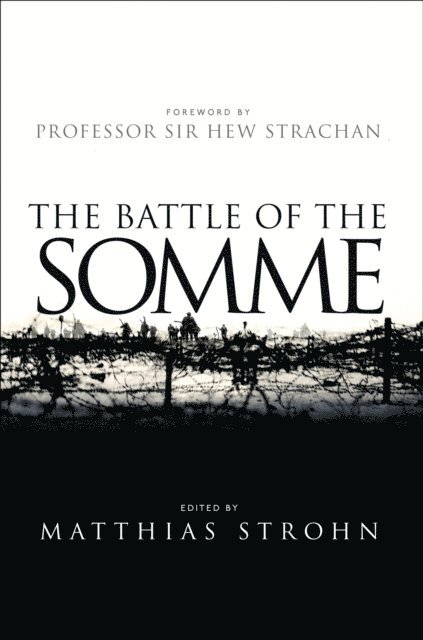
Battle of the Somme
E-bok, 2016
276 kr
Lägg i varukorg
The Battle of the Somme is the most famous battle of World War I in the English-speaking world. Published to coincide with the centenary commemoration of the battle of the Somme, this study comprises 12 separate articles written by some of the foremost military historians, each of whom looks at a …
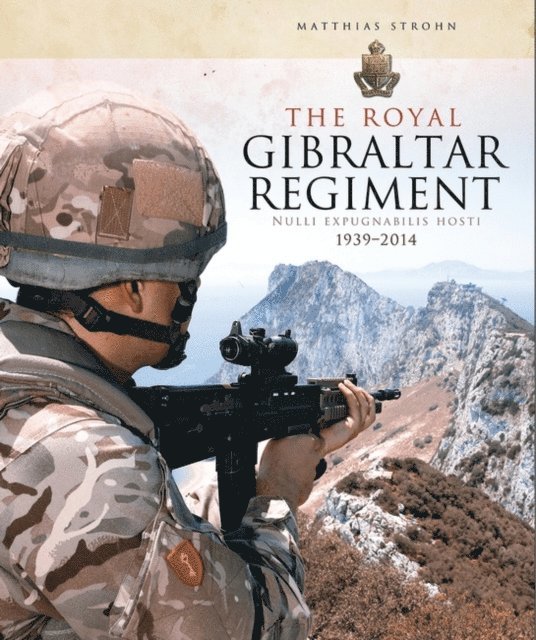
Royal Gibraltar Regiment
Nulli Expugnabilis Hosti
E-bok, 2016
441 kr
Lägg i varukorg
A unique tale of unbroken tradition and service documenting the Royal Gibraltar Regiment''s evolution from the civilian volunteers that fought in the Great Siege to the professional light-infantry force we know today. In 2014 the Royal Gibraltar Regiment celebrated its 75th anniversary. This is the …
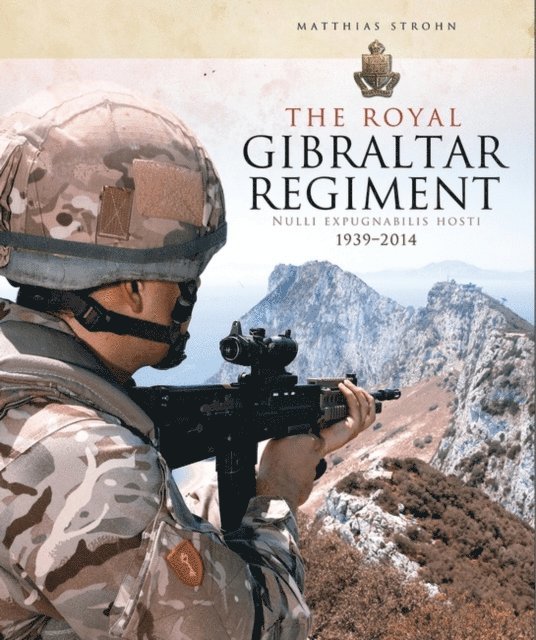
Royal Gibraltar Regiment
Nulli Expugnabilis Hosti
E-bok, 2016
427 kr
Lägg i varukorg
A unique tale of unbroken tradition and service documenting the Royal Gibraltar Regiment''s evolution from the civilian volunteers that fought in the Great Siege to the professional light-infantry force we know today. In 2014 the Royal Gibraltar Regiment celebrated its 75th anniversary. This is the …
1918
Winning the War, Losing the War
E-bok, 2018
276 kr
Lägg i varukorg
This wide-ranging collection of articles by some of the most renowned names in the subject explores the tumultuous events of the final year of the First World War. In 2018, the world commemorated the centenary of the end of the First World War. In many ways, 1918 was the most dramatic year of the …
1918
Winning the War, Losing the War
E-bok, 2018
276 kr
Lägg i varukorg
This wide-ranging collection of articles by some of the most renowned names in the subject explores the tumultuous events of the final year of the First World War. In 2018, the world commemorated the centenary of the end of the First World War. In many ways, 1918 was the most dramatic year of the …
Blade of a Sword
Ernst Jünger and the 73rd Fusilier Regiment on the Western Front, 1914–18
Inbunden, 2027
290 kr
Kommande
The enthralling story of the German 73rd Fusilier Regiment as it fought through the major campaigns of World War I’s Western Front.Combining traditional military history with a trench-level soldier’s view of the Great War, Dr Matthias Strohn tracks the experiences of an elite German regiment …
Rome to the Po River
The 362nd Infantry Division, 1944–45
Av Matthias Strohn, Heinz Greiner
E-bok, 2023
221 kr
Lägg i varukorg
"…this book shines when it comes to understanding the campaigns on a lower level than has normally shown us by authors." —A Wargamers Needful ThingsIn late 1943, 362. Infanterie-Division was formed around the remnants of 268. Infanterie-Division, which had been disbanded after high casualties on …
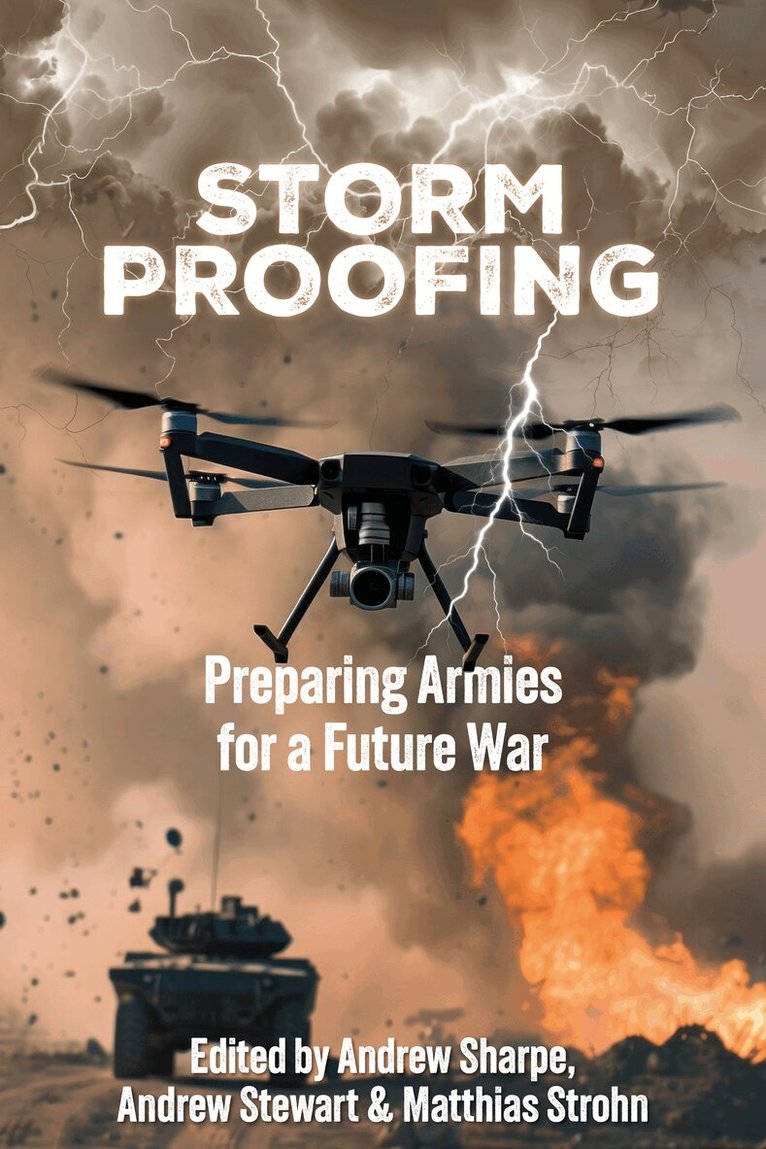
Storm Proofing
Preparing Armies for a Future War
Av Andrew Sharpe, Andrew Sharpe m. fl.
Inbunden, 2025
271 kr
Lägg i varukorg
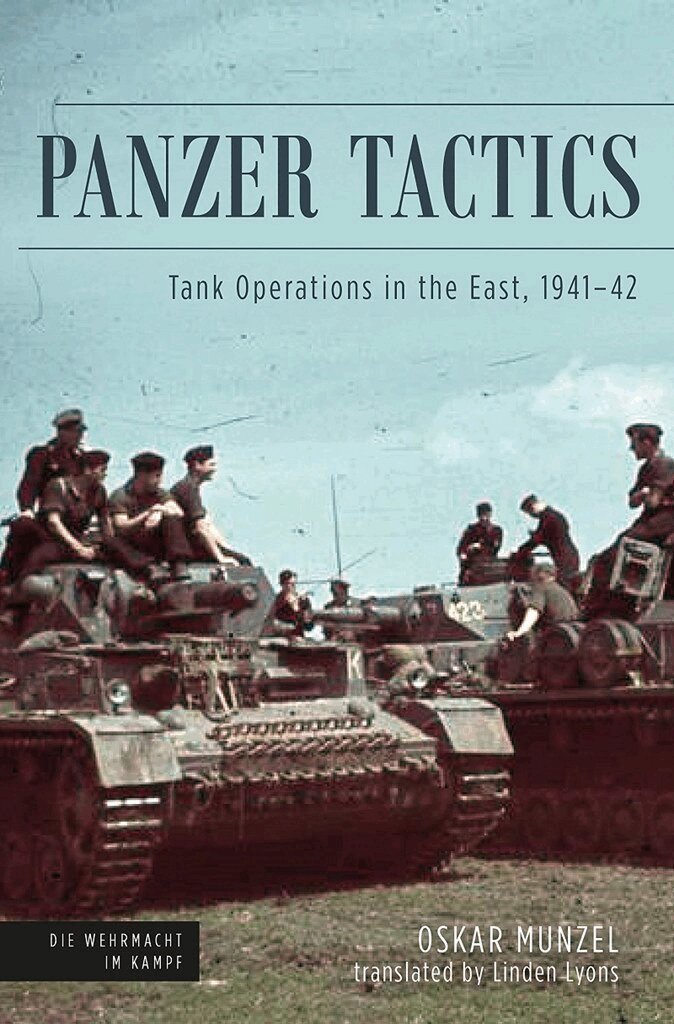
Panzer Tactics
Tank Operations in the East, 1941-42
Av Oskar Munzel, Linden Lyons m. fl.
Inbunden, 2021
380 kr
Tillfälligt slut
This book discusses a number of raids undertaken by XXXXVIII Panzer Corps near the Black Sea in 1941/2 to explore the tactics used and why they were successful, based upon the detailed combat reports prepared by the corps staff immediately after each battle. "Die Wehrmacht im Kampf" Battles and …