Maureen E. Ruprecht Fadem – författare
Visar alla böcker från författaren Maureen E. Ruprecht Fadem. Handla med fri frakt och snabb leverans.
10 produkter
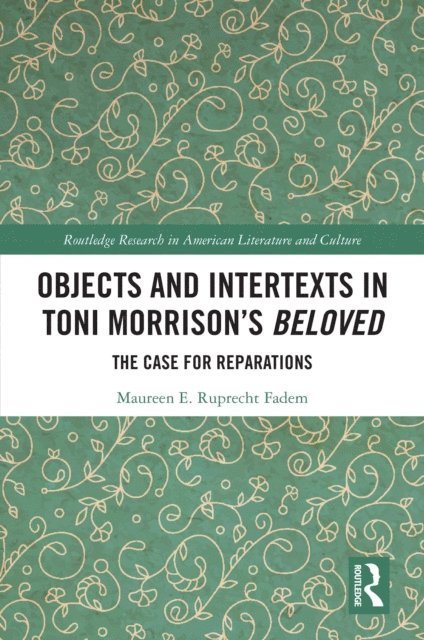
Objects and Intertexts in Toni Morrison’s "Beloved"
The Case for Reparations
Inbunden, 2020
2445 kr
Lägg i varukorg
Objects and Intertexts in Toni Morrison’s “Beloved”: The Case for Reparations is an inspired contribution to the scholarship on one of the most influential American novels and novelists. The author positions this contemporary classic as a meditation on historical justice and re-comprehends it as …
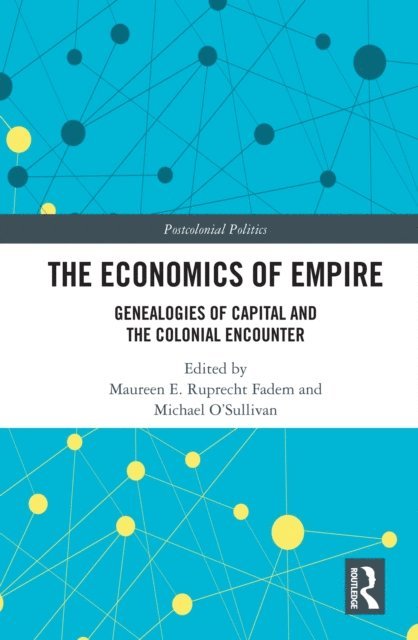
Economics of Empire
Genealogies of Capital and the Colonial Encounter
Av Maureen E. Ruprecht Fadem, Michael O'Sullivan
Inbunden, 2020
2879 kr
Lägg i varukorg
The Economics of Empire: Genealogies of Capital and the Colonial Encounter is a multidisciplinary intervention into postcolonial theory that constructs and theorizes a political economy of empire.This comprehensive collection traces the financial genealogies associated with the colonial enterprise, …
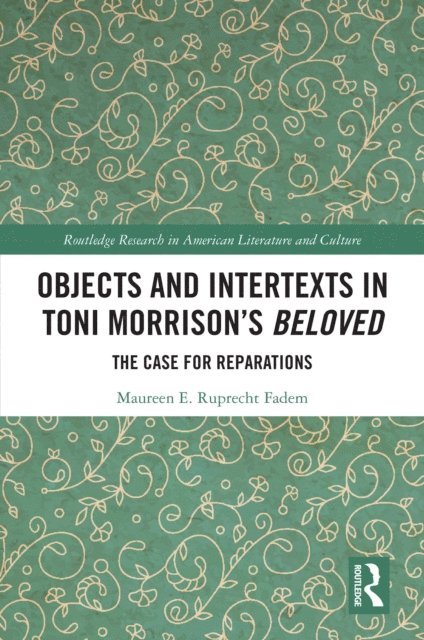
Objects and Intertexts in Toni Morrison’s "Beloved"
The Case for Reparations
Häftad, 2023
742 kr
Lägg i varukorg
Objects and Intertexts in Toni Morrison’s “Beloved”: The Case for Reparations is an inspired contribution to the scholarship on one of the most influential American novels and novelists. The author positions this contemporary classic as a meditation on historical justice and re-comprehends it as …
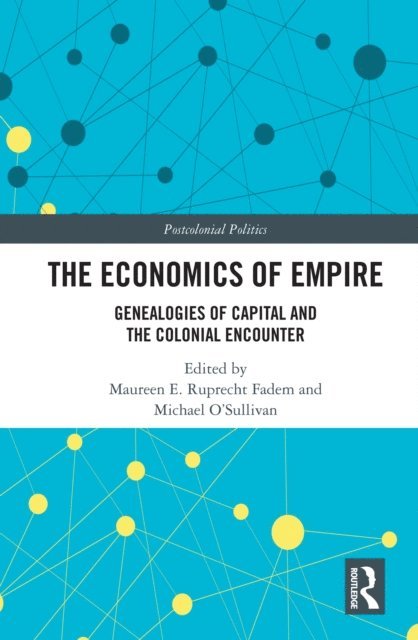
Economics of Empire
Genealogies of Capital and the Colonial Encounter
Av Maureen E. Ruprecht Fadem, Michael O'Sullivan
Häftad, 2022
793 kr
Lägg i varukorg
The Economics of Empire: Genealogies of Capital and the Colonial Encounter is a multidisciplinary intervention into postcolonial theory that constructs and theorizes a political economy of empire.This comprehensive collection traces the financial genealogies associated with the colonial enterprise, …
Objects and Intertexts in Toni Morrison's "e;Beloved"e;
The Case for Reparations
E-bok, 2020
857 kr
Lägg i varukorg
Objects and Intertexts in Toni Morrison’s “Belovedâ€: The Case for Reparations is an inspired contribution to the scholarship on one of the most influential American novels and novelists. The author positions this contemporary classic as a meditation on historical justice and re-comprehends it …
Objects and Intertexts in Toni Morrison's "e;Beloved"e;
The Case for Reparations
E-bok, 2020
857 kr
Lägg i varukorg
Objects and Intertexts in Toni Morrison’s “Belovedâ€: The Case for Reparations is an inspired contribution to the scholarship on one of the most influential American novels and novelists. The author positions this contemporary classic as a meditation on historical justice and re-comprehends it …
Economics of Empire
Genealogies of Capital and the Colonial Encounter
Av Michael O'Sullivan, Maureen E. Ruprecht Fadem
E-bok, 2020
936 kr
Lägg i varukorg
The Economics of Empire: Genealogies of Capital and the Colonial Encounter is a multidisciplinary intervention into postcolonial theory that constructs and theorizes a political economy of empire. This comprehensive collection traces the financial genealogies associated with the colonial …
Economics of Empire
Genealogies of Capital and the Colonial Encounter
Av Michael O'Sullivan, Maureen E. Ruprecht Fadem
E-bok, 2020
906 kr
Lägg i varukorg
The Economics of Empire: Genealogies of Capital and the Colonial Encounter is a multidisciplinary intervention into postcolonial theory that constructs and theorizes a political economy of empire. This comprehensive collection traces the financial genealogies associated with the colonial …
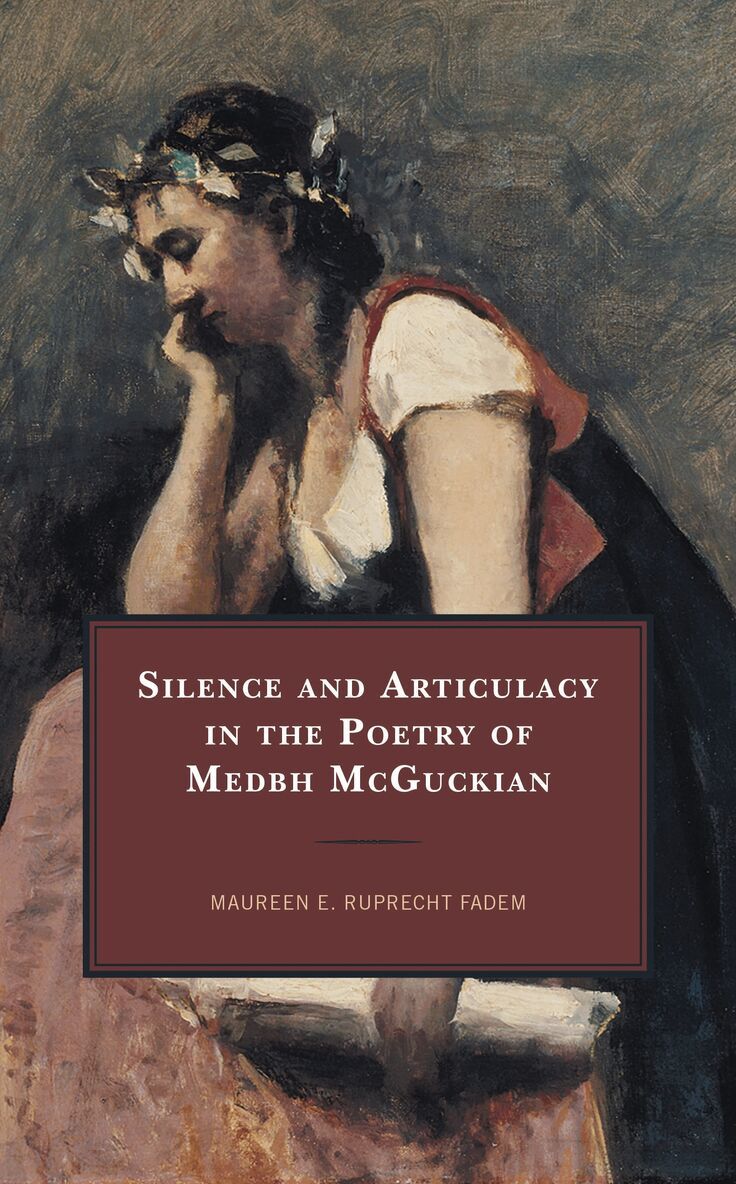
Silence and Articulacy in the Poetry of Medbh McGuckian
Inbunden, 2019
1790 kr
Lägg i varukorg
Silence and Articulacy in the Poetry of Medbh McGuckian is an innovative contribution to the scholarship on Belfast poet, Medbh McGuckian. This book considers the entire oeuvre of this globally respected Irish woman writer, a member of the contemporary avant-garde with now fifteen (U.S. published) …
Imperial Debt
Colonial Theft, Postcolonial Reparations
Inbunden, 2027
2306 kr
Kommande
Imperial Debt: Colonial Theft, Postcolonial Reparations is an inspired collection of scholarship in postcolonial studies and related research fields. Jacques Derrida once wrote that “being-with spectres would also be . . . a politics of memory, of inheritance, and of generations.” That idea is the …