Maurice Merleau-Ponty – författare
Visar alla böcker från författaren Maurice Merleau-Ponty. Handla med fri frakt och snabb leverans.
54 produkter
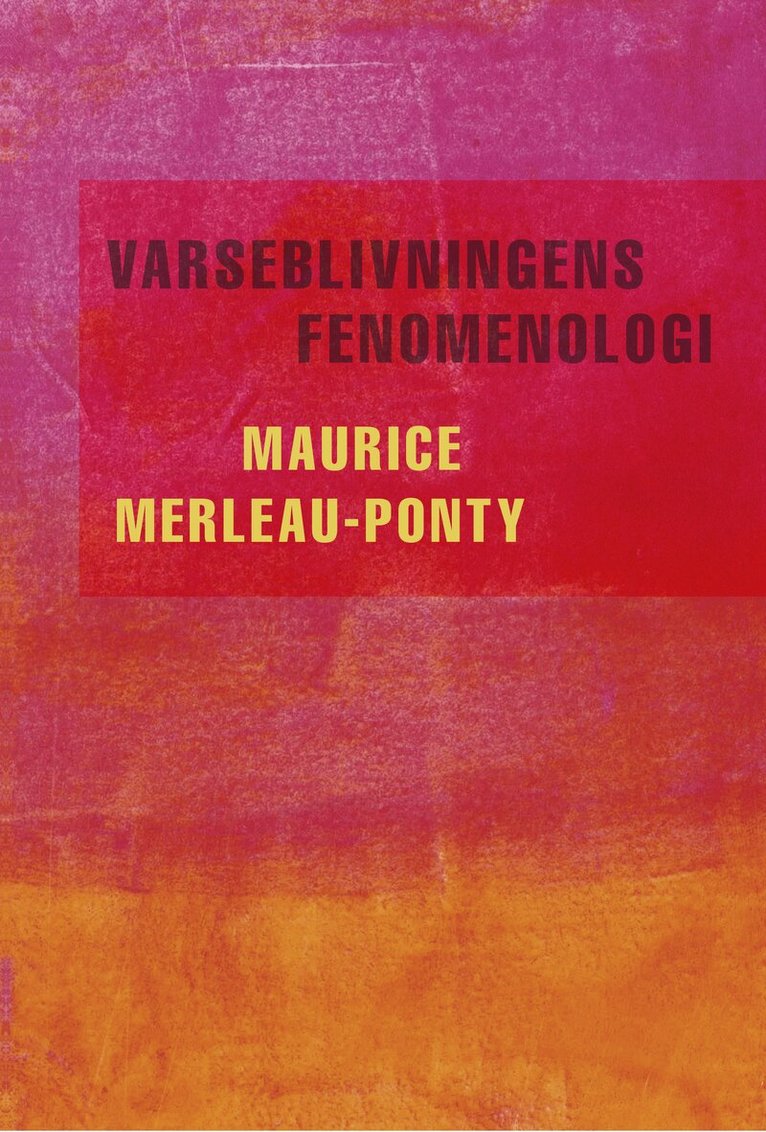
Varseblivningens fenomenologi
Häftad, 2023
285 kr
Lägg i varukorg
"Varseblivningens fenomenologi" är ett av den fenomenologiska traditionens centrala verk. Maurice Merleau-Ponty utarbetar här ett övergripande perspektiv på det mänskliga erfarenhetslivet. Han tar sin utgångspunkt i det till synes allra enklaste, den sinnliga förnimmelsen. Men enkelheten är …
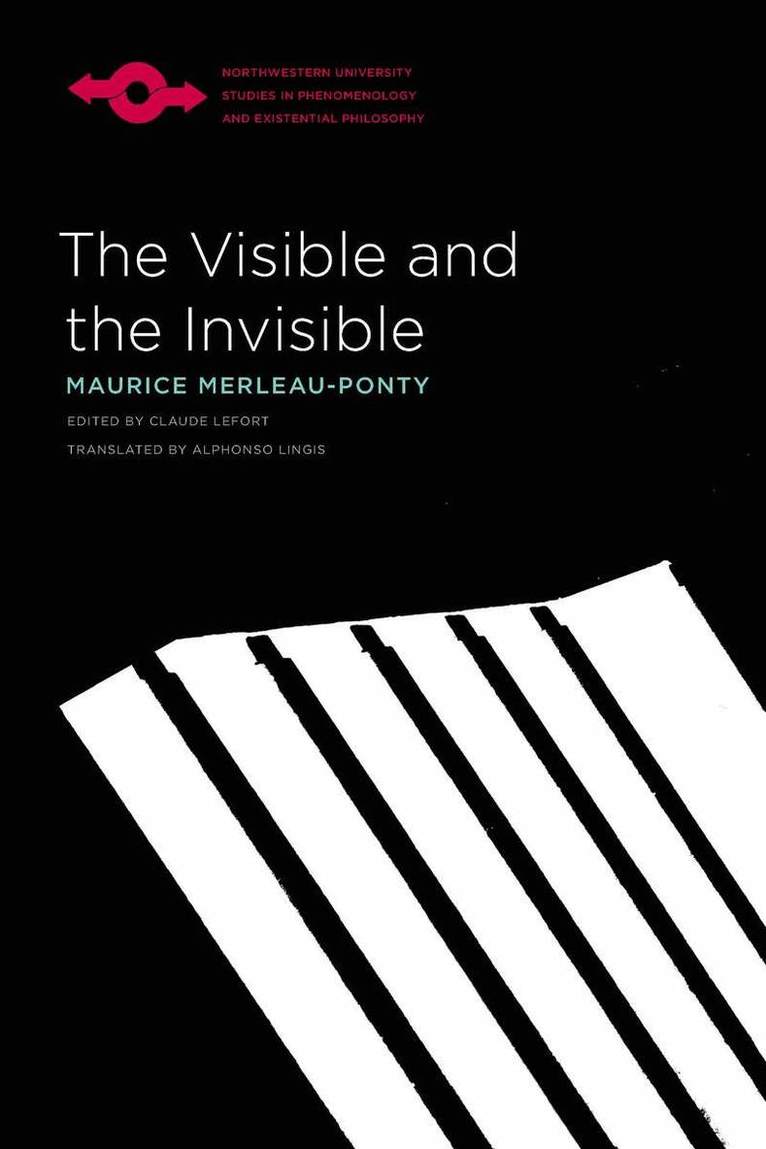
Visible and the Invisible
Häftad, 1969
328 kr
Lägg i varukorg
The Visible and the Invisible contains the unfinished manuscript and working notes of the book Merleau-Ponty was writing when he died. The text is devoted to a critical examination of Kantian, Husserlian, Bergsonian, and Sartrean method, followed by the extraordinary "The Intertwining - The …
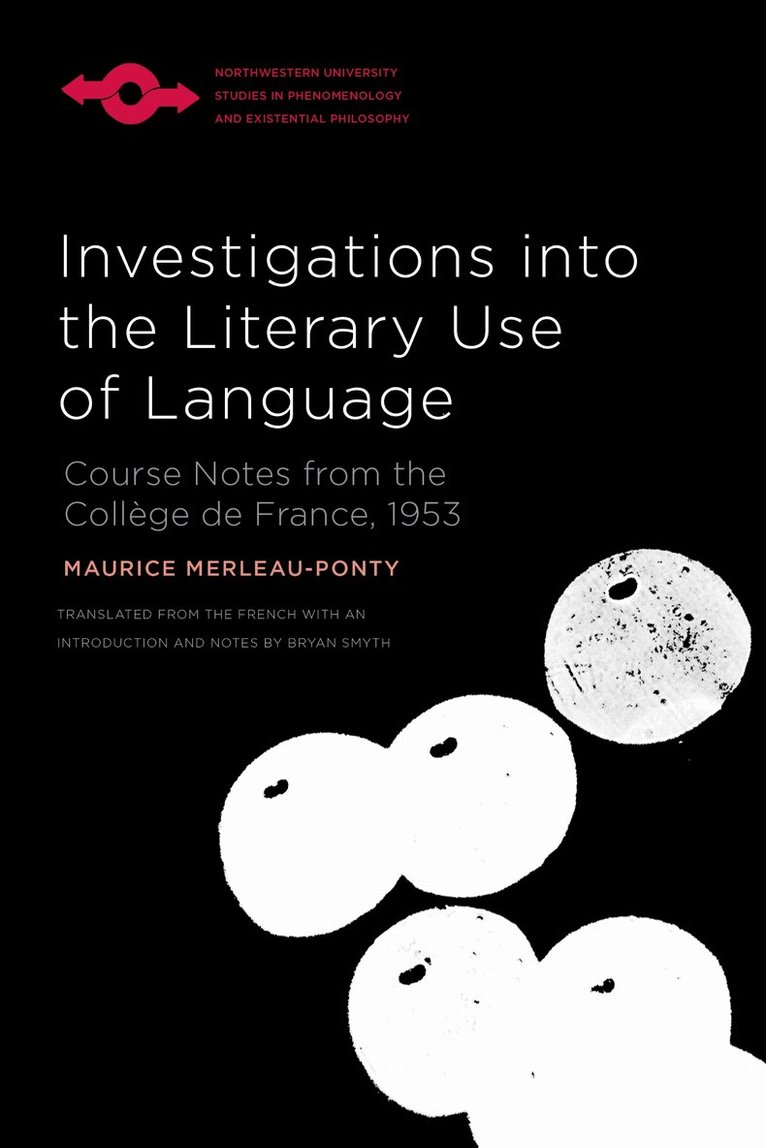
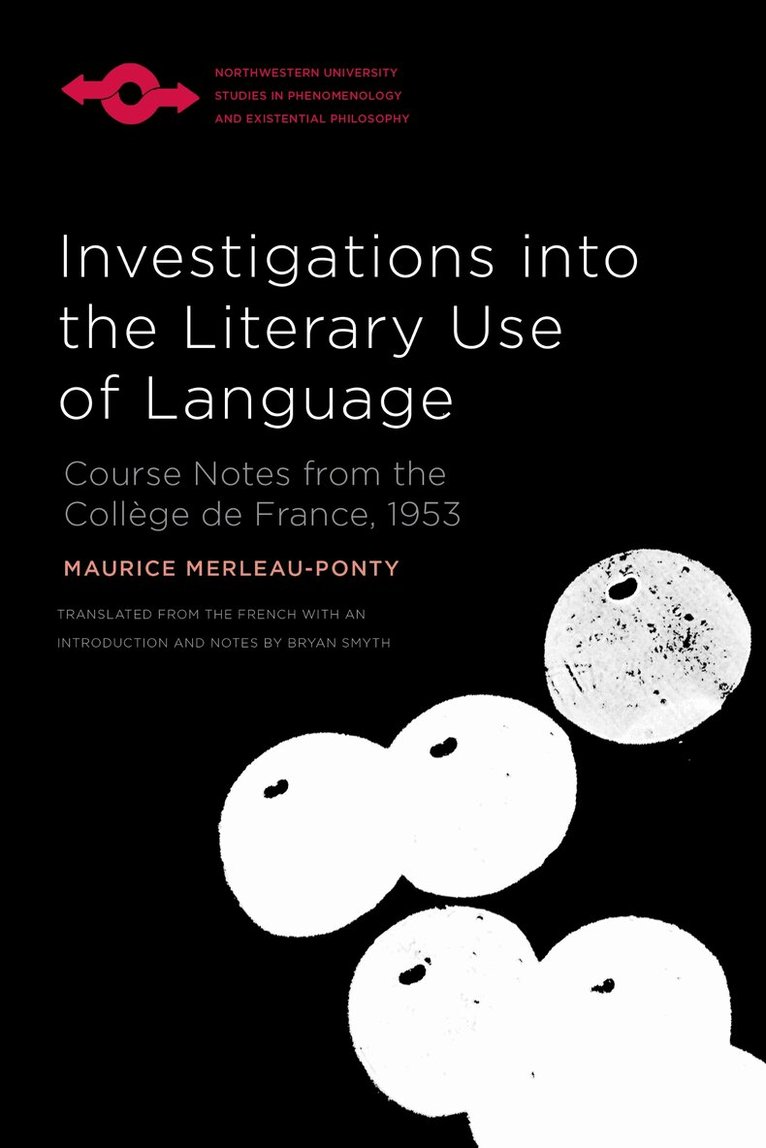
Investigations Into the Literary Use of Language
Course Notes from the Collège De France, 1953
Häftad, 2026
357 kr
Kommande
A closely annotated translation of Merleau-Ponty's lecture notes on literary languageInvestigations into the Literary Use of Language presents an annotated translation of Maurice Merleau-Ponty's lecture notes from one of the two courses that he gave during his inaugural year teaching at the Collège …
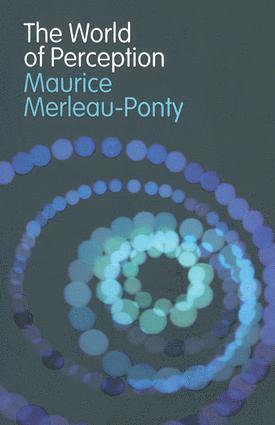
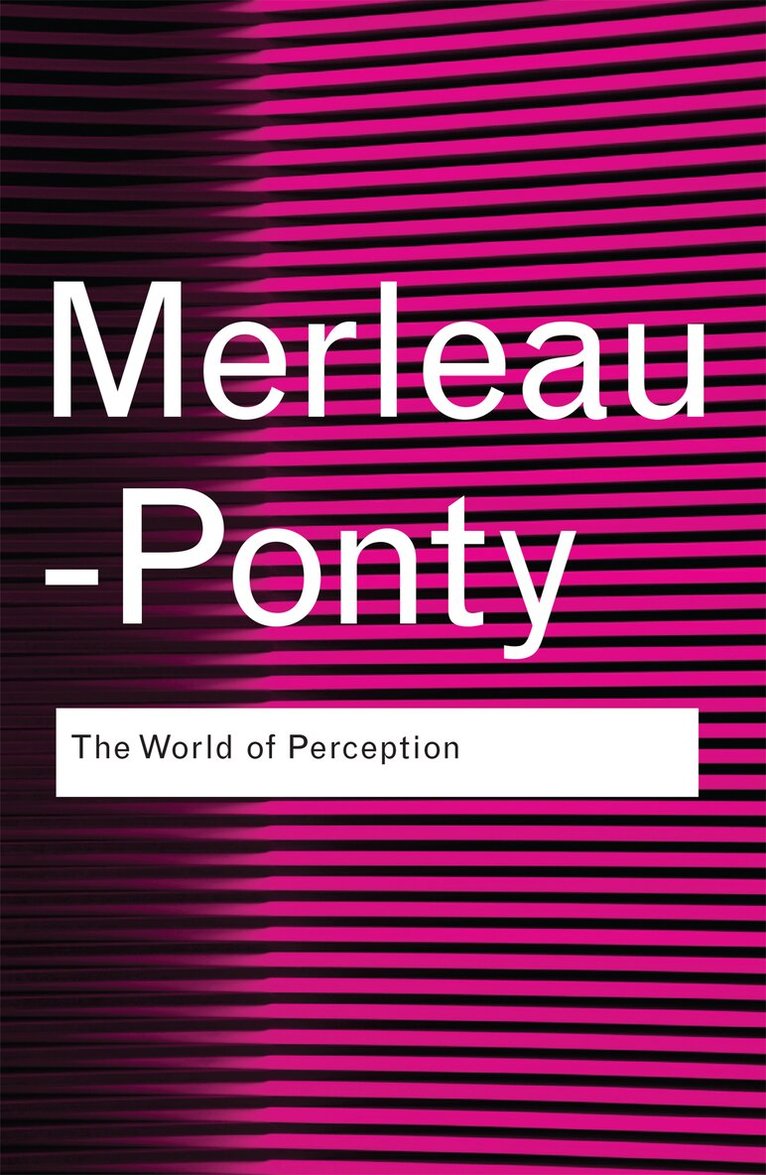
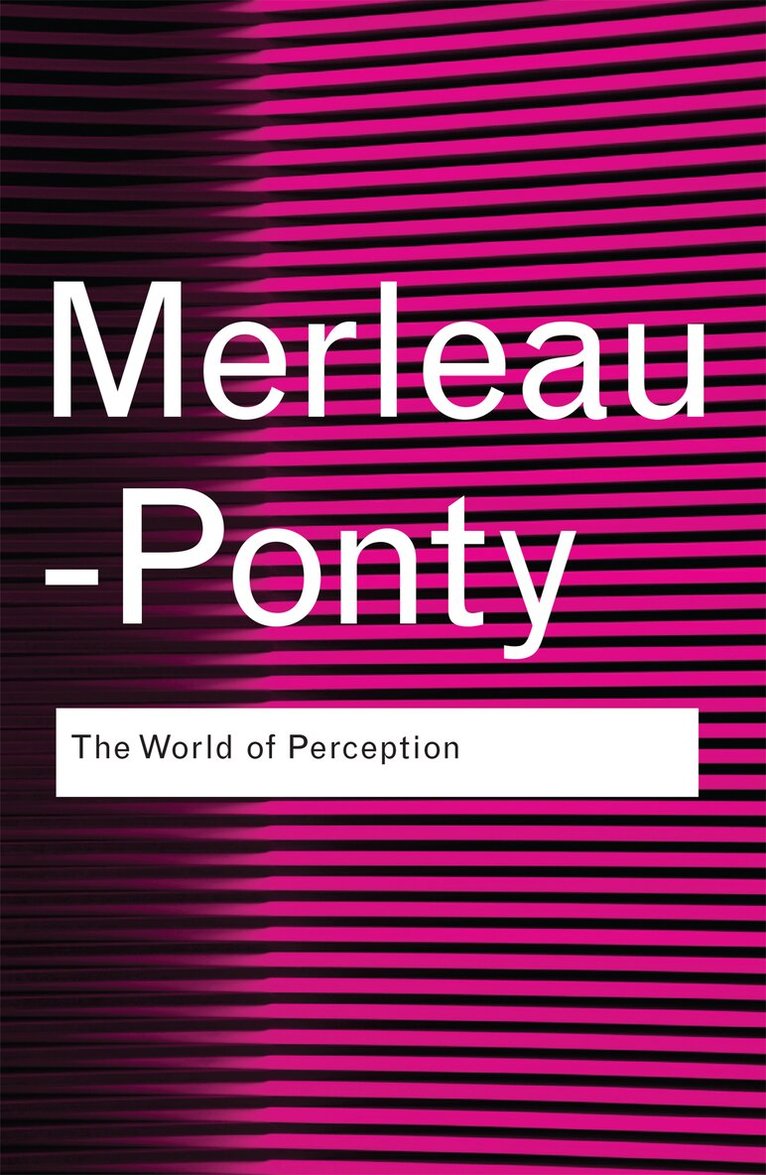
World of Perception
Inbunden, 2004
2126 kr
Lägg i varukorg
'Painting does not imitate the world, but is a world of its own.'In 1948, Maurice Merleau-Ponty wrote and delivered on French radio a series of seven lectures on the theme of perception. Translated here into English for the first time, they offer a lucid and concise insight into one of the great …
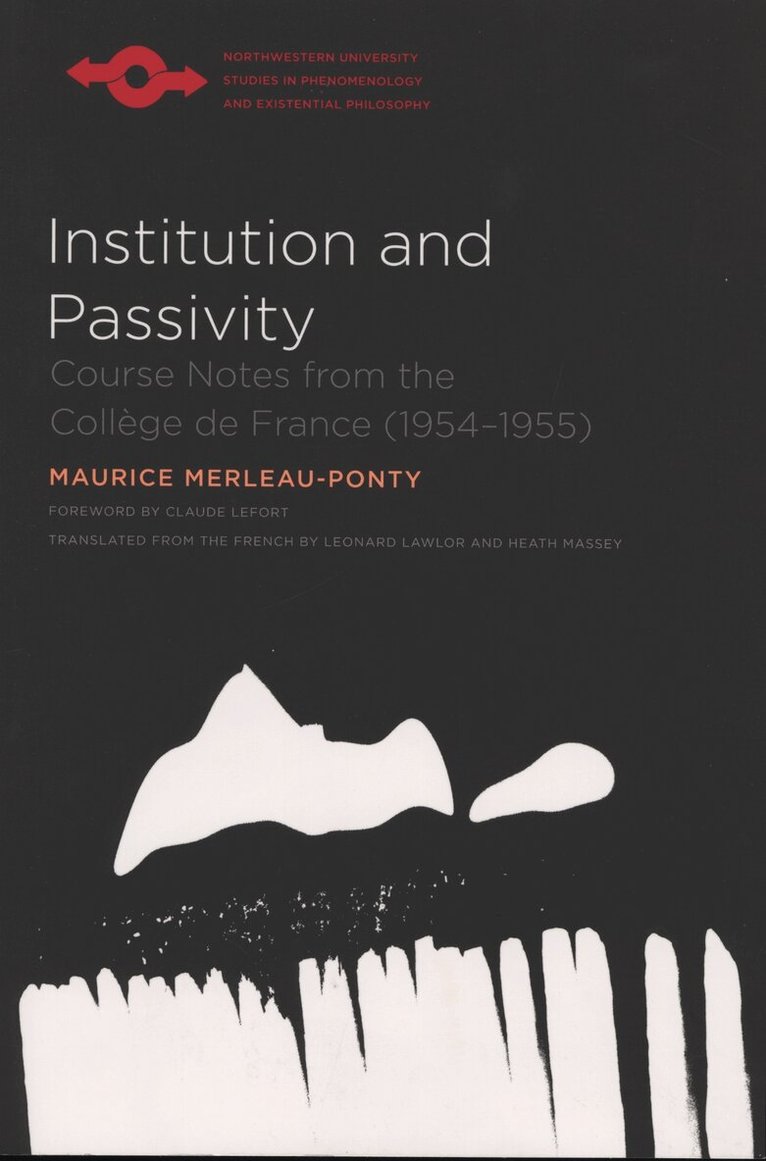
Institution and Passivity
Course Notes from the Collège De France (1954-1955)
Häftad, 2010
359 kr
Lägg i varukorg
Institution and Passivity is based on course notes for classes taught at the Bibliothèque Nationale de Paris. Philosophically, this collection connects the issue of passive constitution of meaning with the dimension of history, furthering discussions and completing arguments started in The Visible …
World of Perception
Häftad, 2008
283 kr
Lägg i varukorg
'In simple prose Merleau-Ponty touches on his principle themes. He speaks about the body and the world, the coexistence of space and things, the unfortunate optimism of science – and also the insidious stickiness of honey, and the mystery of anger.' - James ElkinsMaurice Merleau-Ponty was one of …
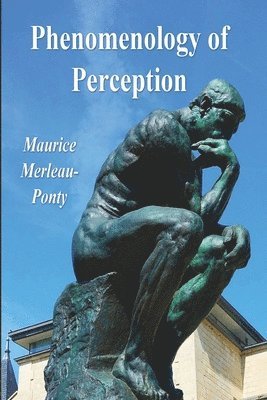
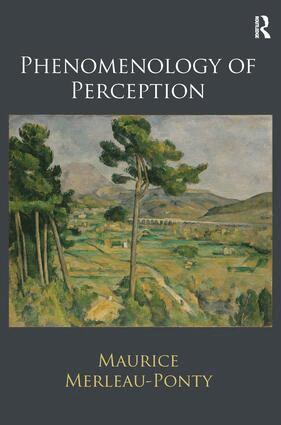
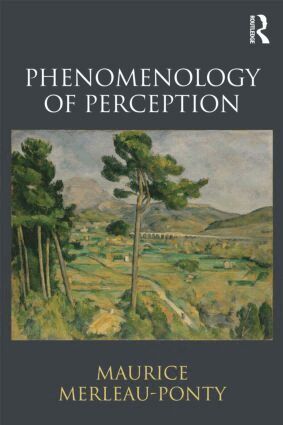
Phenomenology of Perception
Inbunden, 2011
1268 kr
Lägg i varukorg
First published in 1945, Maurice Merleau-Ponty’s monumental Phénoménologie de la perception signalled the arrival of a major new philosophical and intellectual voice in post-war Europe. Breaking with the prevailing picture of existentialism and phenomenology at the time, it has become one of the …
Phenomenology of Perception
Häftad, 2013
530 kr
Lägg i varukorg
First published in 1945, Maurice Merleau-Ponty’s monumental Phénoménologie de la perception signalled the arrival of a major new philosophical and intellectual voice in post-war Europe. Breaking with the prevailing picture of existentialism and phenomenology at the time, it has become one of the …
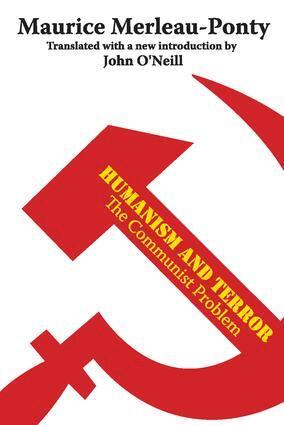
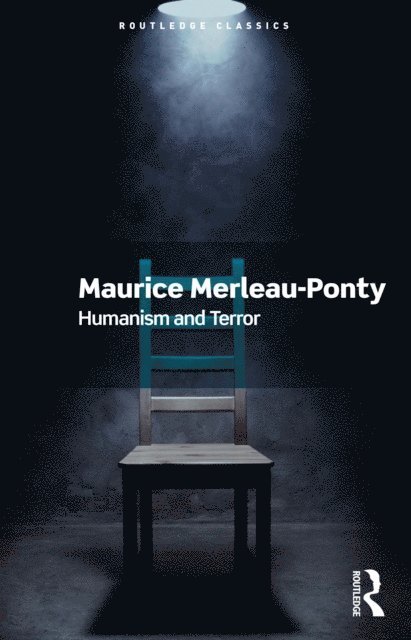
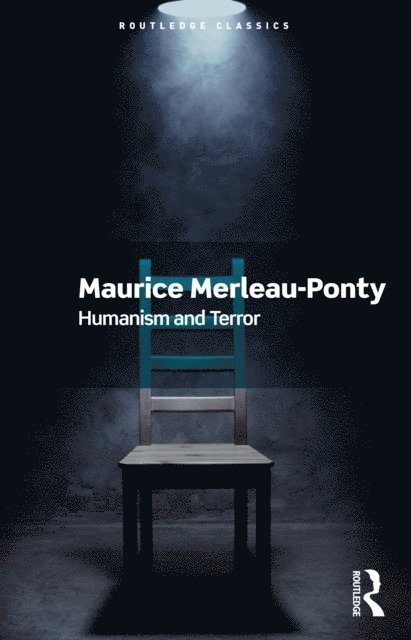
Humanism and Terror
The Communist Problem
Av Maurice Merleau-Ponty, Ithiel De Sola Pool
Häftad, 2000
791 kr
Lägg i varukorg
Raymond Aron called Merleau-Ponty "the most influential French philosopher of his generation." First published in France in 1947, Humanism and Terror was in part a response to Arthur Koestler's Darkness at Noon, and in a larger sense a contribution to the political and moral debates of a postwar …
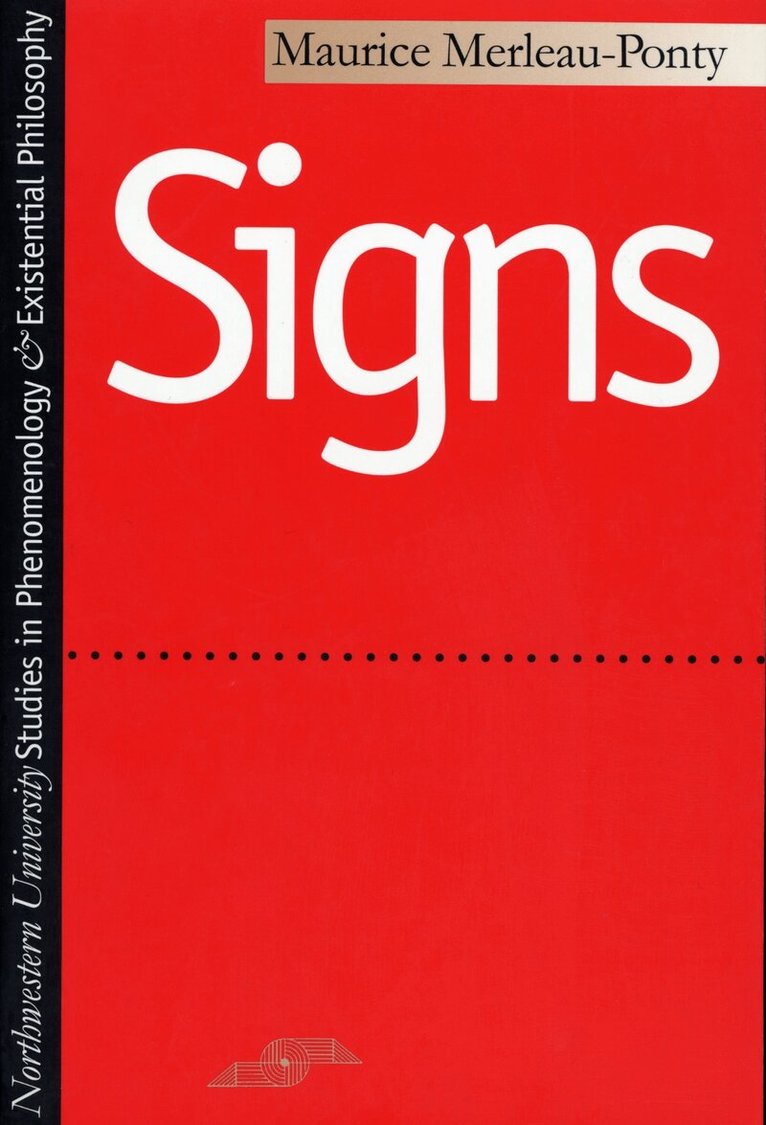
Signs
Häftad, 1964
5,0 utav 5 stjärnor. Totalt antal röster: (1)
356 kr
Lägg i varukorg
Speech is a way of tearing out a meaning from an undivided whole."Thus does Maurice Merleau-Ponty describe speech in this collection of his important writings on the philosophy of expression, composed during the last decade of his life. For him, expression is a category of human behavior and …
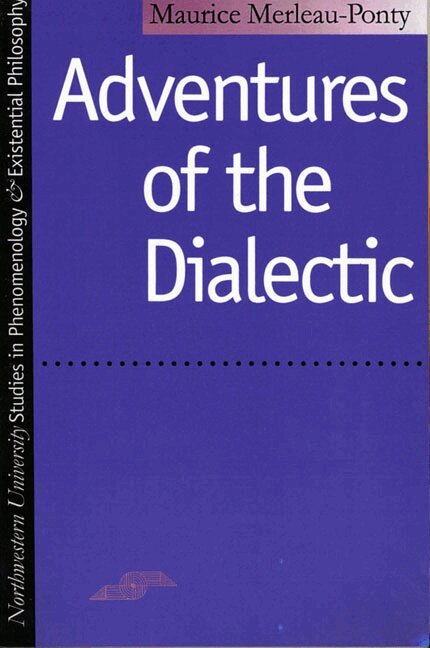
Adventures of the Dialectic
Häftad, 1973
366 kr
Lägg i varukorg
We need a philosophy of both history and spirit to deal with the problems we touch upon here. Yet we would be unduly rigorous if we were to wait for perfectly elaborated principles before speaking philosophically of politics." Thus Merleau-Ponty introduces Adventures of the Dialectic, his study of …
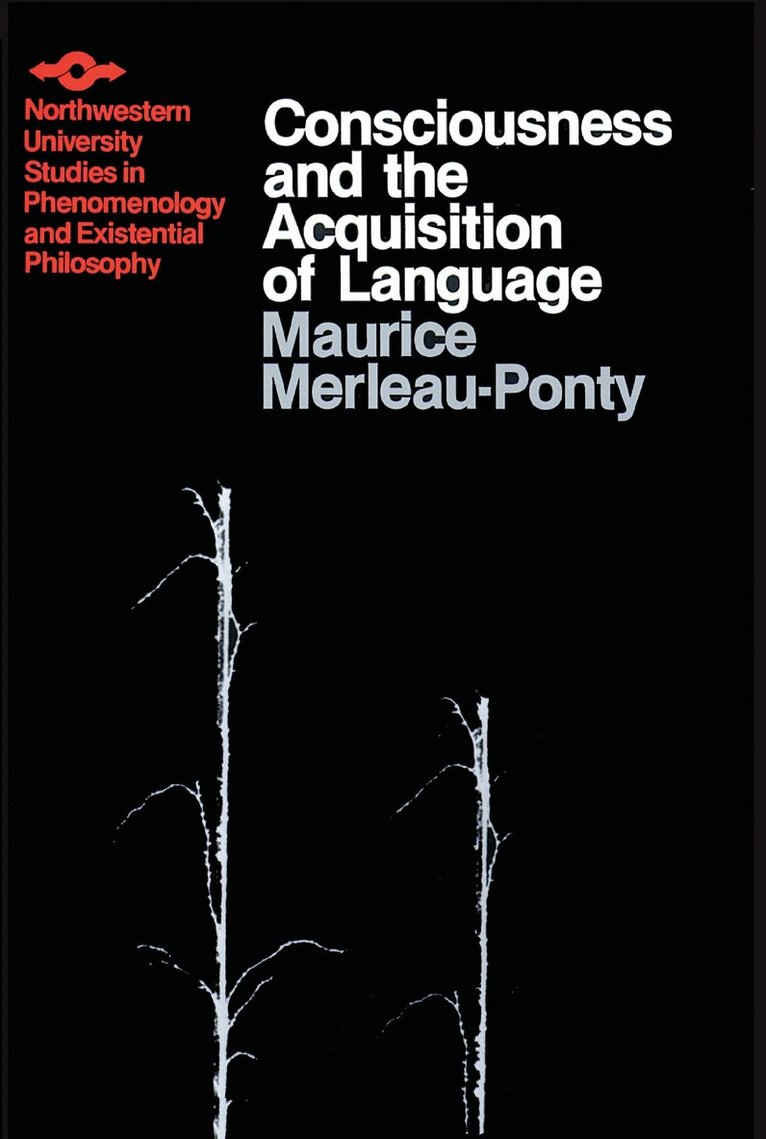
Consciousness and the Acquisition of Language
Häftad, 1979
272 kr
Lägg i varukorg
The tools, concepts, and vocabulary of phenomenology are used in this book to explore language in a multitude of contexts.
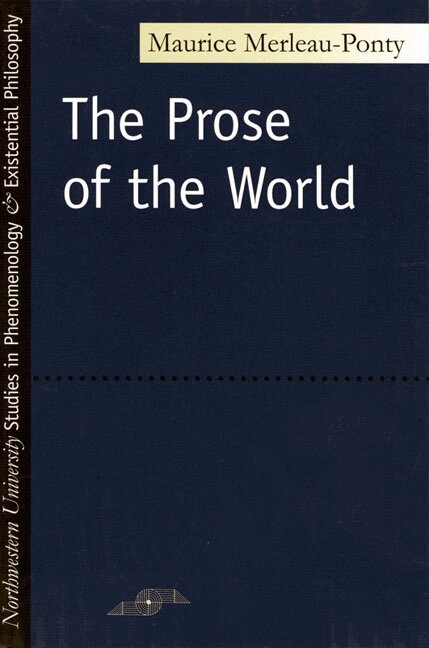
Prose of the World
Av Maurice Merleau-Ponty, Claude Lefort
Häftad, 1973
345 kr
Lägg i varukorg
The work that Maurice Merleau-Ponty planned to call The Prose of the World, or Introduction to the Prose of the World, was unfinished at the time of his death. The book was to constitute the first section of a two-part work whose aim was to offer, as an extension of his Phenomenology of Perception, …
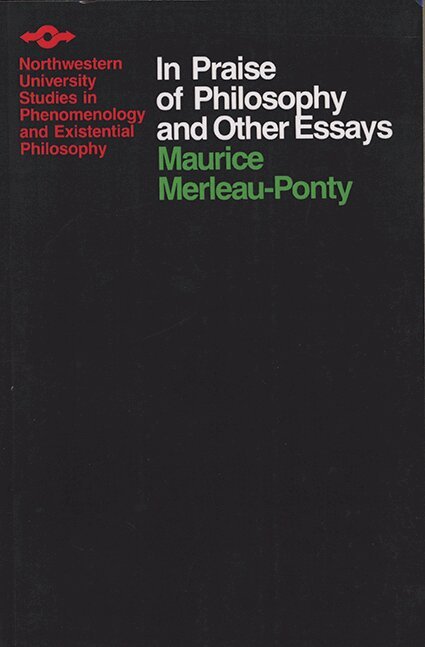
In Praise of Philosophy and Other Essays
Häftad, 1988
259 kr
Lägg i varukorg
Maurice Merleau-Ponty (French pronunciation: [mɔʁis mɛʁlopɔ̃ti]) (14 March 1908 – 3 May 1961) was a French phenomenological philosopher, strongly influenced by Karl Marx, Edmund Husserl and Martin Heidegger in addition to being closely associated with Jean-Paul Sartre (who later stated he had been …
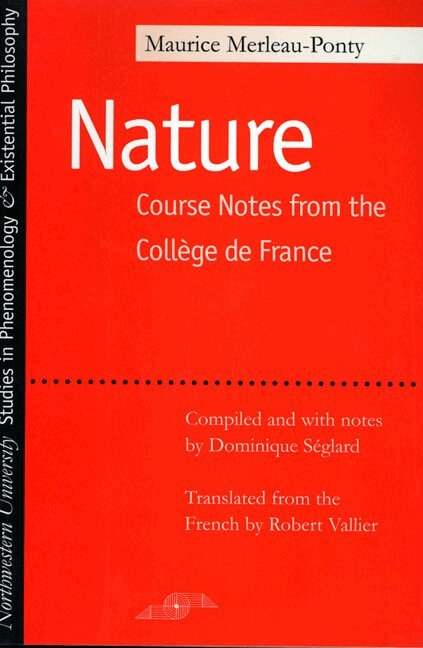
La Nature
Notes, Cours Du College De France
Av Maurice Merleau-Ponty, Dominique Seglard
Häftad, 2003
300 kr
Lägg i varukorg
Collected here are the written traces of courses on the concept of nature given by Maurice Merleau-Ponty at the Collège de France in the 1950s-notes that provide a window on the thinking of one of the most influential philosophers of the twentieth century. In two courses distilled by a student and …
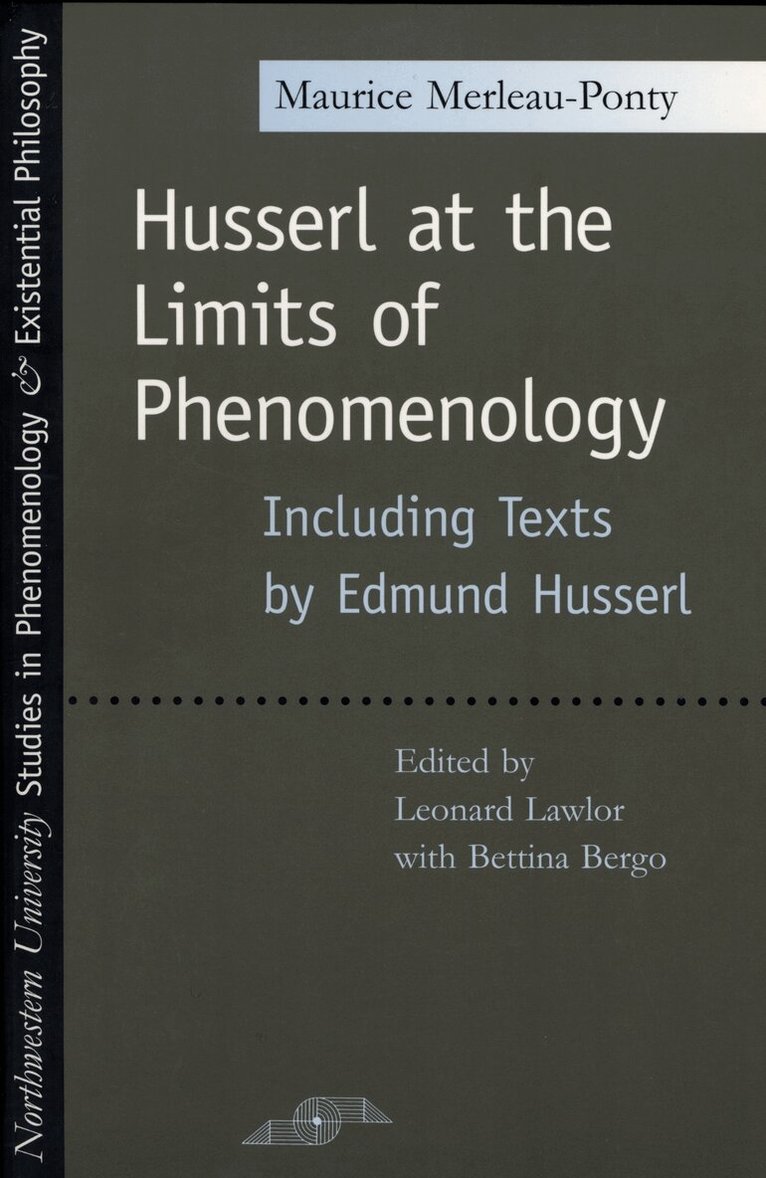
Husserl at the Limits of Phenomenology
Häftad, 2001
259 kr
Lägg i varukorg
Combining Maurice Merleau-Ponty's 1960 course notes on Edmund Husserl's The Origin of Geometry, his course summary, related texts, and critical essays, this collection offers a unique and welcome glimpse into both Merleau-Ponty's nuanced reading of Husserl's famed late writings and his persistent …
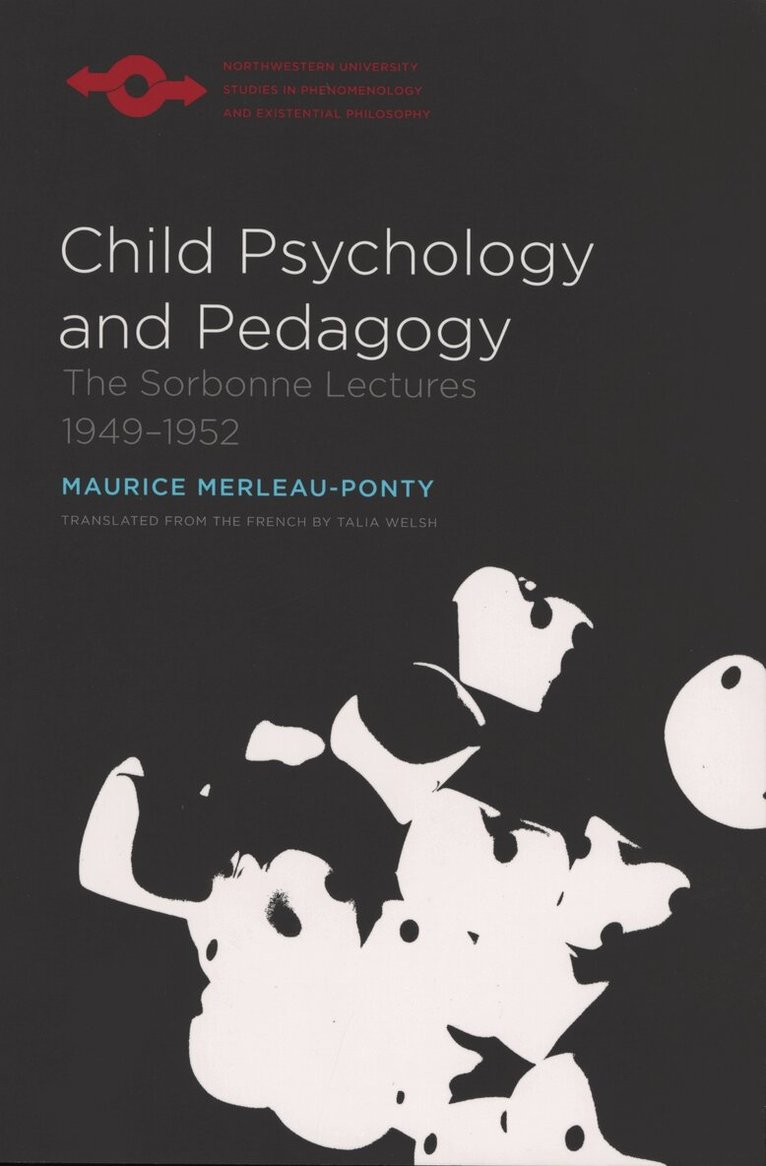
Child Psychology and Pedagogy
The Sorbonne Lectures 1949-1952
Av Maurice Merleau-Ponty, Talia Welsh
Häftad, 2010
3,0 utav 5 stjärnor. Totalt antal röster: (1)
384 kr
Lägg i varukorg
Maurice Merleau-Ponty is one of the few major phenomenologists to engage extensively with empirical research in the sciences, and the only one to examine child psychology with rigor and in such depth. His writings have recently become increasingly influential, as the findings of psychology and …
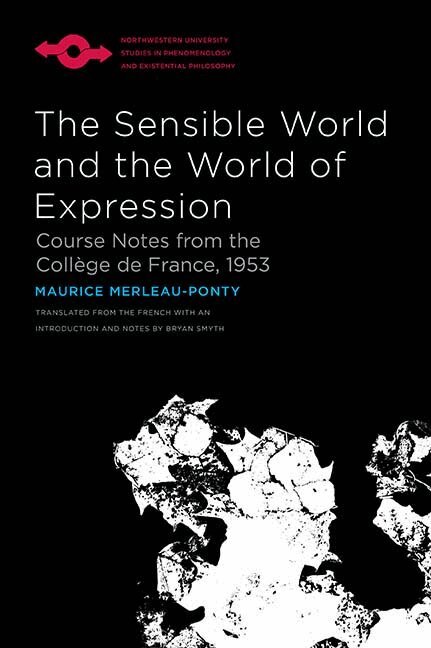
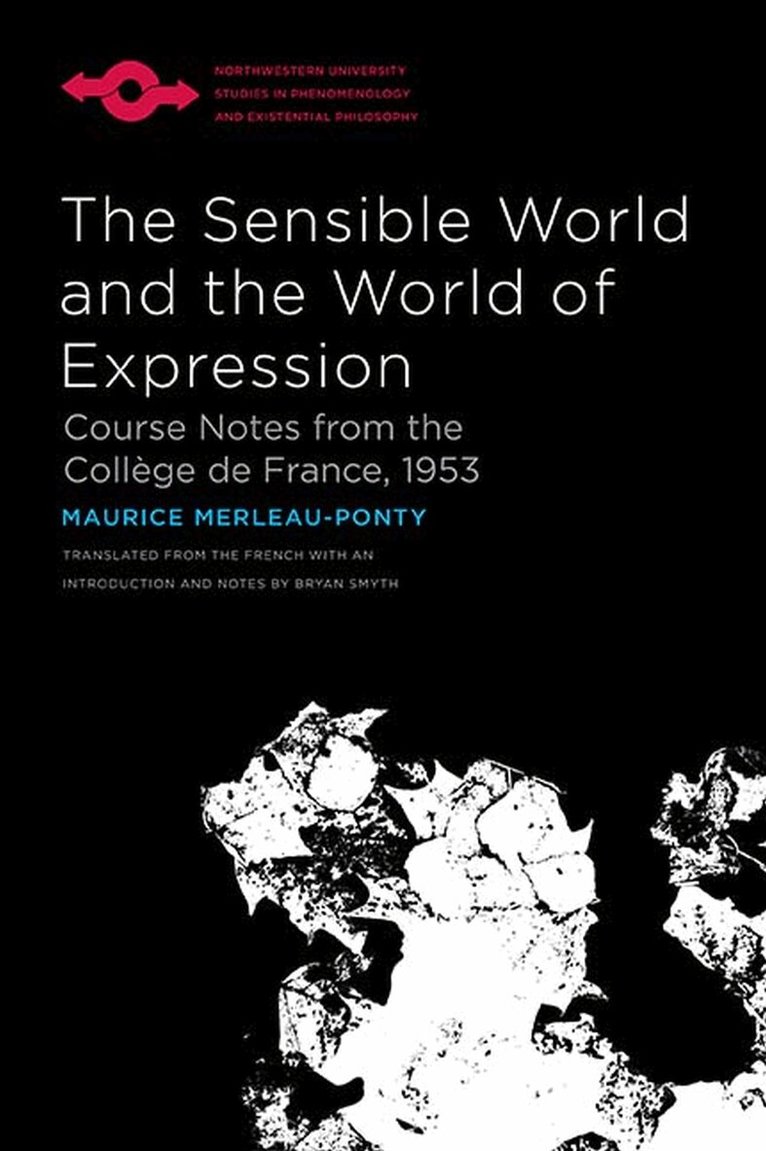
Sensible World and the World of Expression
Course Notes from the Collège De France, 1953
Häftad, 2020
384 kr
Lägg i varukorg
The Sensible World and the World of Expression was a course of lectures that Merleau-Ponty gave at the College de France after his election to the chair of philosophy in 1952. The publication and translation of Merleau-Ponty's notes from this course provide an exceptional view into the evolution of …
Sensible World and the World of Expression
Course Notes from the Collège De France, 1953
Inbunden, 2020
1134 kr
Lägg i varukorg
The Sensible World and the World of Expression was a course of lectures that Merleau-Ponty gave at the College de France after his election to the chair of philosophy in 1952. The publication and translation of Merleau-Ponty's notes from this course provide an exceptional view into the evolution of …
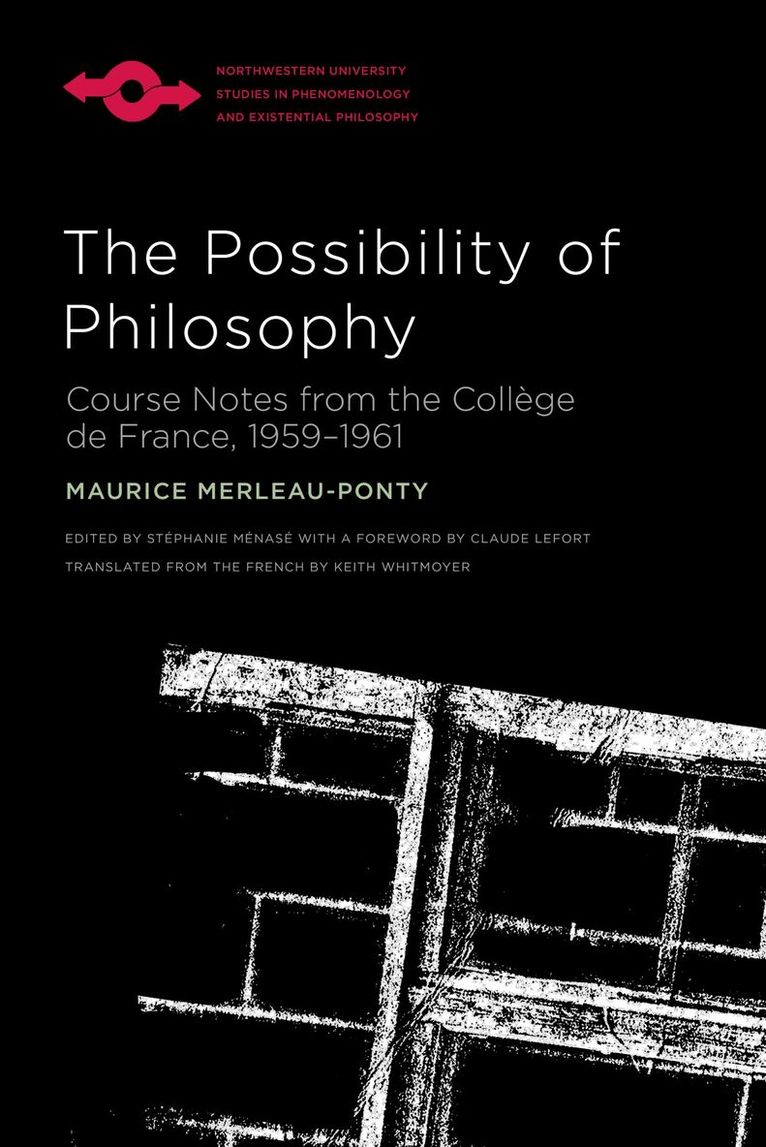
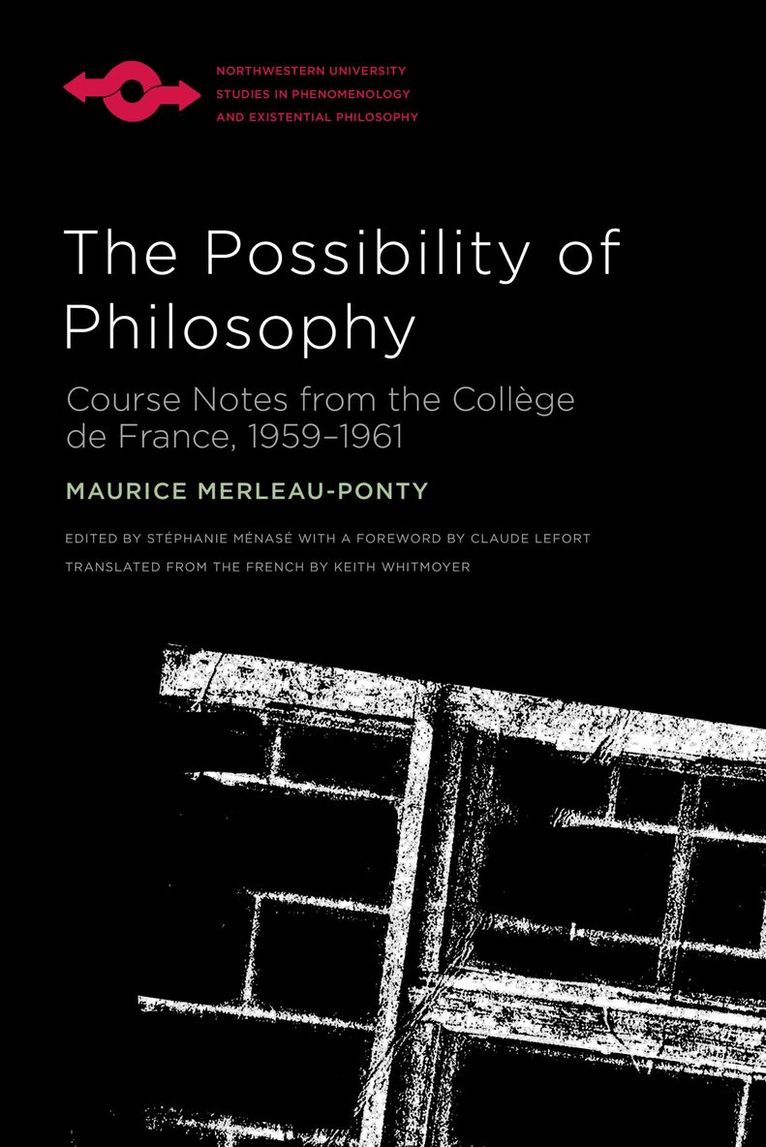
Possibility of Philosophy
Course Notes from the Collège De France, 1959–1961
Av Maurice Merleau-Ponty, Stéphanie Ménasé
Häftad, 2022
365 kr
Lägg i varukorg
The Possibility of Philosophy presents the notes that Maurice Merleau‑Ponty prepared for three courses he taught at the CollÈge de France: “The Possibility of Philosophy Today,” given in the spring semester of 1959; and “Cartesian Ontology and Ontology Today” and “Philosophy and Nonphilosophy since …
Possibility of Philosophy
Course Notes from the Collège De France, 1959–1961
Av Maurice Merleau-Ponty, Stéphanie Ménasé
Inbunden, 2022
1134 kr
Lägg i varukorg
The Possibility of Philosophy presents the notes that Maurice Merleau‑Ponty prepared for three courses he taught at the CollÈge de France: “The Possibility of Philosophy Today,” given in the spring semester of 1959; and “Cartesian Ontology and Ontology Today” and “Philosophy and Nonphilosophy since …
Investigations Into the Literary Use of Language
Course Notes from the Collège De France, 1953
Inbunden, 2026
1346 kr
Kommande
A closely annotated translation of Merleau-Ponty's lecture notes on literary languageInvestigations into the Literary Use of Language presents an annotated translation of Maurice Merleau-Ponty's lecture notes from one of the two courses that he gave during his inaugural year teaching at the Collège …
World of Perception
E-bok, 2020
322 kr
Lägg i varukorg
'In simple prose Merleau-Ponty touches on his principle themes. He speaks about the body and the world, the coexistence of space and things, the unfortunate optimism of science – and also the insidious stickiness of honey, and the mystery of anger.' - James ElkinsMaurice Merleau-Ponty was one of …
World of Perception
E-bok, 2020
329 kr
Lägg i varukorg
'In simple prose Merleau-Ponty touches on his principle themes. He speaks about the body and the world, the coexistence of space and things, the unfortunate optimism of science – and also the insidious stickiness of honey, and the mystery of anger.' - James ElkinsMaurice Merleau-Ponty was one of …
Humanism and Terror
E-bok, 2022
356 kr
Lägg i varukorg
First published in France in 1947, Humanism and Terror is a vital work of political philosophy by one of the leading French philosophers of the twentieth century. Attempting to understand what he called the "dislocated world" that followed immediately after the Second World War—including his own, …
Humanism and Terror
E-bok, 2022
364 kr
Lägg i varukorg
First published in France in 1947, Humanism and Terror is a vital work of political philosophy by one of the leading French philosophers of the twentieth century. Attempting to understand what he called the "dislocated world" that followed immediately after the Second World War—including his own, …