Max Gruenig – författare
Visar alla böcker från författaren Max Gruenig. Handla med fri frakt och snabb leverans.
5 produkter
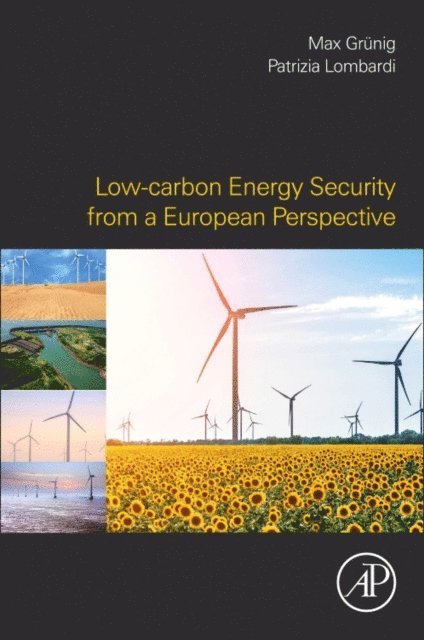
Low-carbon Energy Security from a European Perspective
Av Patrizia Lombardi, Max Gruenig
Häftad, 2016
623 kr
Lägg i varukorg
Low-Carbon Energy Security from a European Perspective draws on the European Commission's funded project MILESECURE-2050. It considers low-carbon energy security and energy geopolitics in Europe, with a focus on four thematic clusters: challenging the energy security paradigm; climate change and …
Low-carbon Energy Security from a European Perspective
Av Max Gruenig, Patrizia Lombardi
E-bok, 2016
812 kr
Lägg i varukorg
Low-Carbon Energy Security from a European Perspective draws on the European Commission''s funded project MILESECURE-2050. It considers low-carbon energy security and energy geopolitics in Europe, with a focus on four thematic clusters: challenging the energy security paradigm; climate change and …
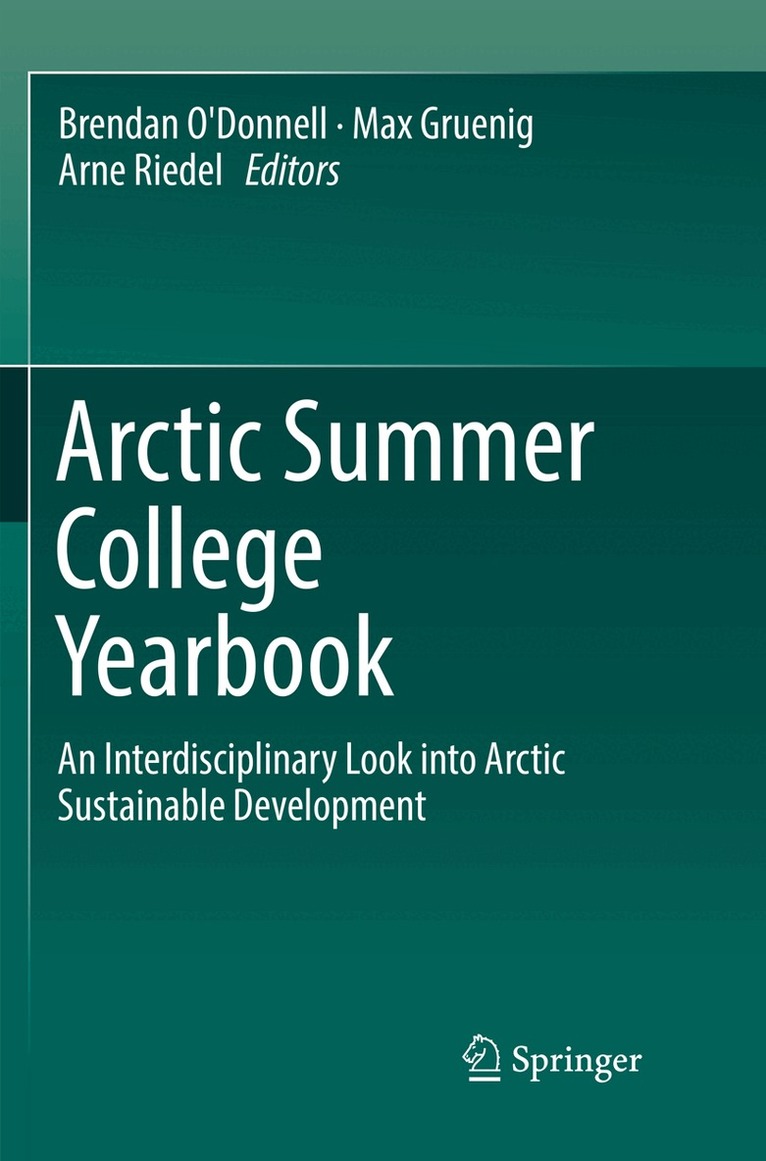
Arctic Summer College Yearbook
An Interdisciplinary Look into Arctic Sustainable Development
Av Brendan O'Donnell, Max Gruenig m. fl.
Inbunden, 2017
551 kr
Lägg i varukorg
This book highlights both the diversity of perspectives and approaches to Arctic research and the inherent interdisciplinary nature of studying and understanding this incomparable region. The chapters are divided into four liberally-defined sections to provide space for dynamic interpretation and …
Arctic Summer College Yearbook
An Interdisciplinary Look into Arctic Sustainable Development
Av Arne Riedel, Max Gruenig m. fl.
E-bok, 2017
734 kr
Lägg i varukorg
This book highlights both the diversity of perspectives and approaches to Arctic research and the inherent interdisciplinary nature of studying and understanding this incomparable region. The chapters are divided into four liberally-defined sections to provide space for dynamic interpretation and …
Arctic Summer College Yearbook
An Interdisciplinary Look into Arctic Sustainable Development
Av Brendan O'Donnell, Max Gruenig m. fl.
Häftad, 2018
551 kr
Lägg i varukorg
This book highlights both the diversity of perspectives and approaches to Arctic research and the inherent interdisciplinary nature of studying and understanding this incomparable region. The chapters are divided into four liberally-defined sections to provide space for dynamic interpretation and …