Max Silverman – författare
Visar alla böcker från författaren Max Silverman. Handla med fri frakt och snabb leverans.
20 produkter
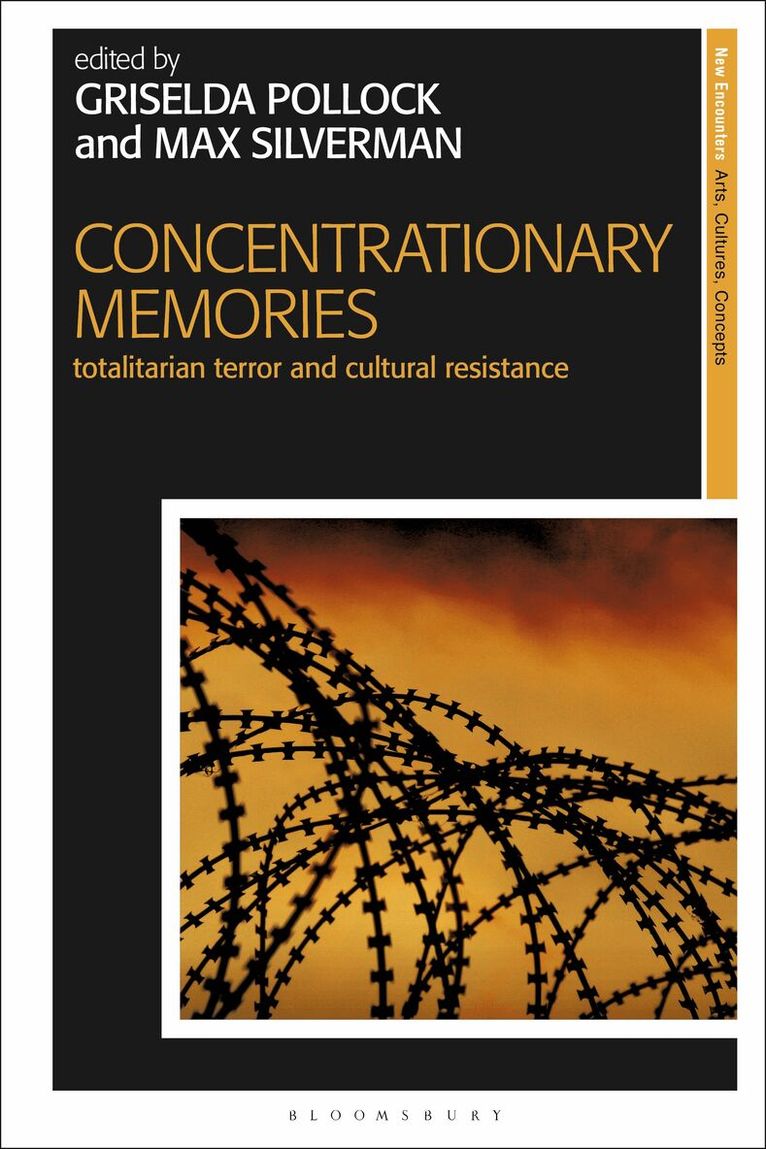
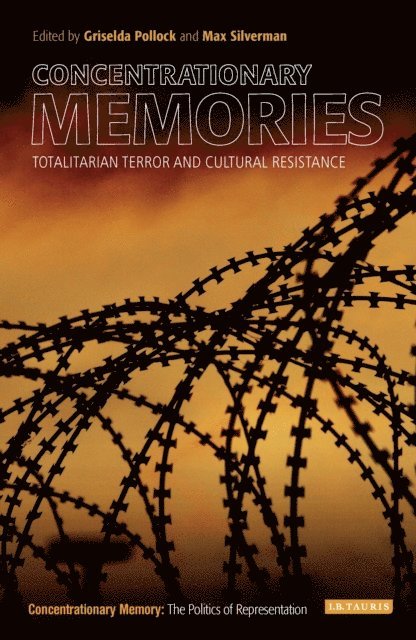
Concentrationary Memories
Totalitarian Terror and Cultural Resistance
Av Griselda Pollock, Max Silverman
Häftad, 2021
409 kr
Lägg i varukorg
Concentrationary Memories has, as its premise, the idea at the heart of Alain Resnais's film Night and Fog (1955) that the concentrationary plague unleashed on the world by the Nazis in the 1930s and 1940s is not simply confined to one place and one time but is now a permanent presence shadowing …
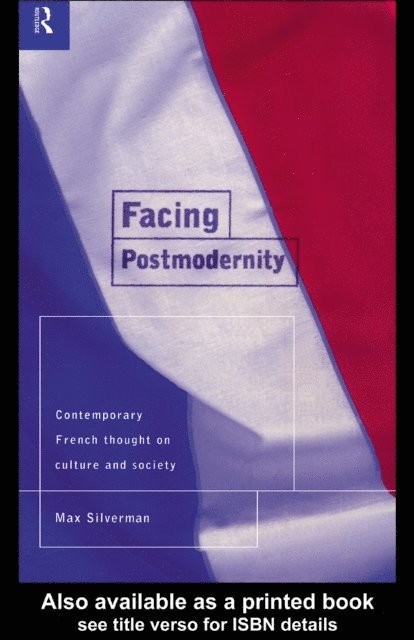
Facing Postmodernity
Contemporary French Thought
Häftad, 1999
820 kr
Lägg i varukorg
Facing Postmodernity explains French cultural theory by grounding it in the politics of the issues facing France today such as:* the breaking of the city* racism* the crisis of culture* new citizenship.It discusses some of the major responses to postmodernity by contemporary French thinkers, both …
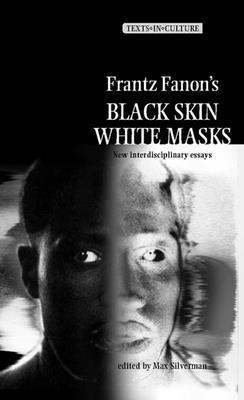
Frantz Fanon’s 'Black Skin, White Masks'
New Interdisciplinary essays
Häftad, 2012
345 kr
Lägg i varukorg
First published in 1952, Frantz Fanon's Black Skin, White Masks is one of the most important anti-colonial works of the post-war period. It is both a profound critique of the conscious and unconcious ways in which colonialism brutalises the colonised and a passionate cry from deep within a black …
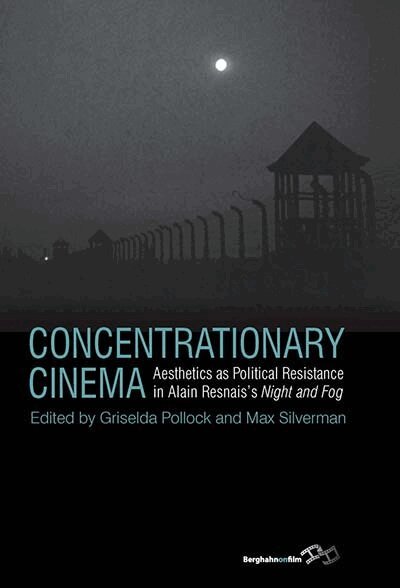
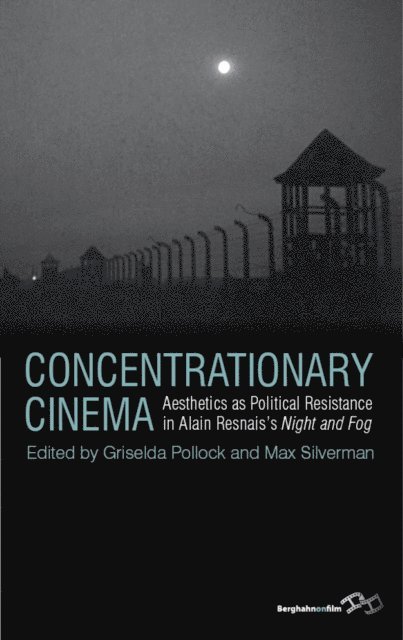
Concentrationary Cinema
Aesthetics as Political Resistance in Alain Resnais's <I>Night and Fog</I>
Av Griselda Pollock, Max Silverman
Inbunden, 2012
1979 kr
Lägg i varukorg
Since its release in 1955, Alain Resnais's Night and Fog (Nuit et Brouillard) has been considered one of the most important films to confront the catastrophe and atrocities of the Nazi era. But was it a film about the Holocaust that failed to recognize the racist genocide? Or was the film not about …
Concentrationary Cinema
Aesthetics as Political Resistance in Alain Resnais''s <I>Night and Fog</I>
Av Max Silverman, Griselda Pollock
E-bok, 2014
302 kr
Lägg i varukorg
Since its completion in 1955, Alain Resnais’s Night and Fog ( Nuit et Brouillard ) has been considered one of the most important films to confront the catastrophe and atrocities of the Nazi era. But was it a film about the Holocaust that failed to recognize the racist genocide? Or was the film not …
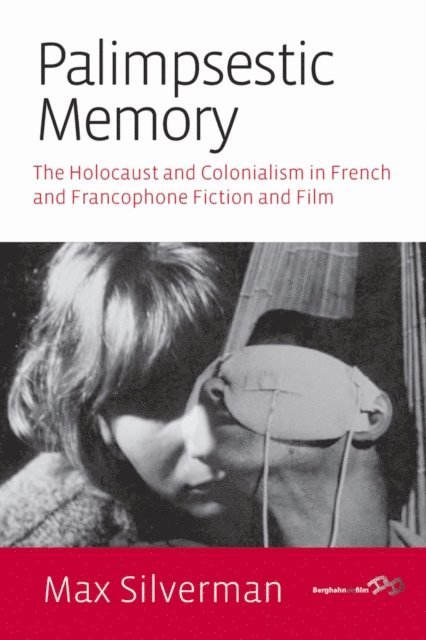
Palimpsestic Memory
The Holocaust and Colonialism in French and Francophone Fiction and Film
Inbunden, 2013
2209 kr
Lägg i varukorg
The interconnections between histories and memories of the Holocaust, colonialism and extreme violence in post-war French and Francophone fiction and film provide the central focus of this book. It proposes a new model of ‘palimpsestic memory’, which the author defines as the condensation of …
Palimpsestic Memory
The Holocaust and Colonialism in French and Francophone Fiction and Film
E-bok, 2013
335 kr
Lägg i varukorg
The interconnections between histories and memories of the Holocaust, colonialism and extreme violence in post-war French and Francophone fiction and film provide the central focus of this book. It proposes a new model of ‘palimpsestic memory’, which the author defines as the condensation of …
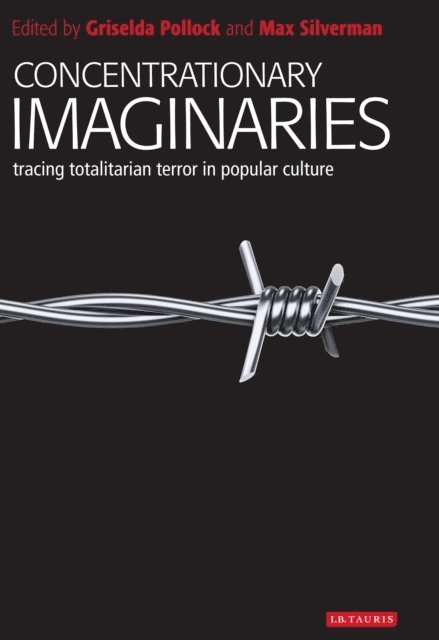
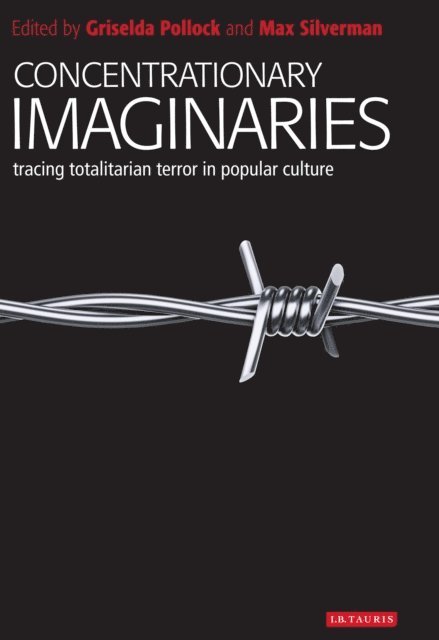
Concentrationary Imaginaries
Tracing Totalitarian Violence in Popular Culture
Av Griselda Pollock, Max Silverman
E-bok, 2015
463 kr
Lägg i varukorg
In 1945, French political prisoners returning from the concentration camps of Germany coined the phrase 'the concentrationary universe' to describe the camps as a terrible political experiment in the destruction of the human. This book shows how the unacknowledged legacy of a totalitarian mentality …
Concentrationary Imaginaries
Tracing Totalitarian Violence in Popular Culture
Av Griselda Pollock, Max Silverman
E-bok, 2015
453 kr
Lägg i varukorg
In 1945, French political prisoners returning from the concentration camps of Germany coined the phrase 'the concentrationary universe' to describe the camps as a terrible political experiment in the destruction of the human. This book shows how the unacknowledged legacy of a totalitarian mentality …
Facing Postmodernity
Contemporary French Thought
E-bok, 2012
970 kr
Lägg i varukorg
Facing Postmodernity explains French cultural theory by grounding it in the politics of the issues facing France today such as: * the breaking of the city * racism * the crisis of culture * new citizenship. It discusses some of the major responses to postmodernity by contemporary French thinkers, …
Facing Postmodernity
Contemporary French Thought
E-bok, 2012
970 kr
Lägg i varukorg
Facing Postmodernity explains French cultural theory by grounding it in the politics of the issues facing France today such as: * the breaking of the city * racism * the crisis of culture * new citizenship. It discusses some of the major responses to postmodernity by contemporary French thinkers, …
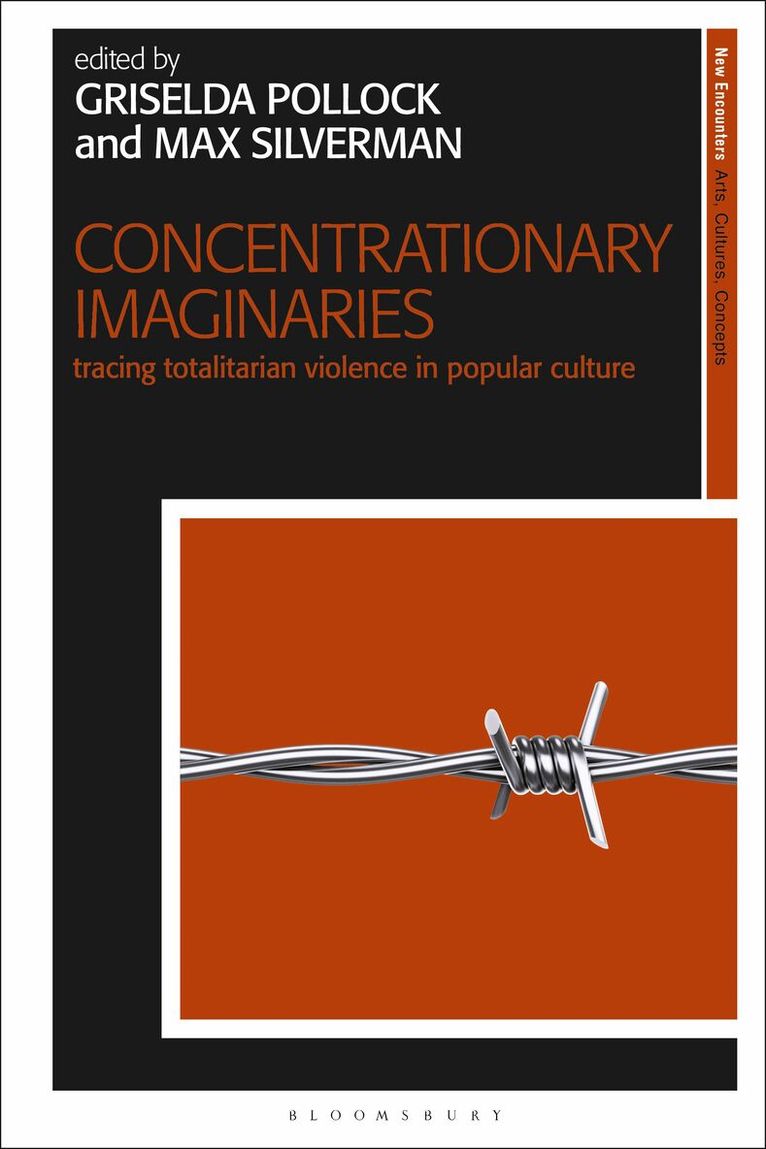
Concentrationary Imaginaries
Tracing Totalitarian Violence in Popular Culture
Av Griselda Pollock, Max Silverman
Häftad, 2021
413 kr
Lägg i varukorg
In 1945, French political prisoners returning from the concentration camps of Germany coined the phrase 'the concentrationary universe' to describe the camps as a terrible political experiment in the destruction of the human. This book shows how the unacknowledged legacy of a totalitarian mentality …
Concentrationary Memories
Totalitarian Terror and Cultural Resistance
Av Griselda Pollock, Max Silverman
Inbunden, 2012
2038 kr
Lägg i varukorg
Concentrationary Memories has, as its premise , the idea at the heart of Alain Resnais's film Night and Fog (1955) that the concentrationary plague unleashed on the world by the Nazis in the 1930s and 1940s is not simply confined to one place and one time but is now a permanent presence shadowing …
Concentrationary Cinema
Aesthetics as Political Resistance in Alain Resnais's Night and Fog
Av Griselda Pollock, Max Silverman
Häftad, 2014
467 kr
Lägg i varukorg
Since its completion in 1955, Alain Resnais’s Night and Fog (Nuit et Brouillard) has been considered one of the most important films to confront the catastrophe and atrocities of the Nazi era. But was it a film about the Holocaust that failed to recognize the racist genocide? Or was the film not …
Palimpsestic Memory
The Holocaust and Colonialism in French and Francophone Fiction and Film
Häftad, 2015
526 kr
Lägg i varukorg
The interconnections between histories and memories of the Holocaust, colonialism and extreme violence in post-war French and Francophone fiction and film provide the central focus of this book. It proposes a new model of ‘palimpsestic memory’, which the author defines as the condensation of …
Concentrationary Imaginaries
Tracing Totalitarian Violence in Popular Culture
Av Griselda Pollock, Max Silverman
Inbunden, 2015
1979 kr
Lägg i varukorg
In 1945, French political prisoners returning from the concentration camps of Germany coined the phrase 'the concentrationary universe' to describe the camps as a terrible political experiment in the destruction of the human. This book shows how the unacknowledged legacy of a totalitarian mentality …
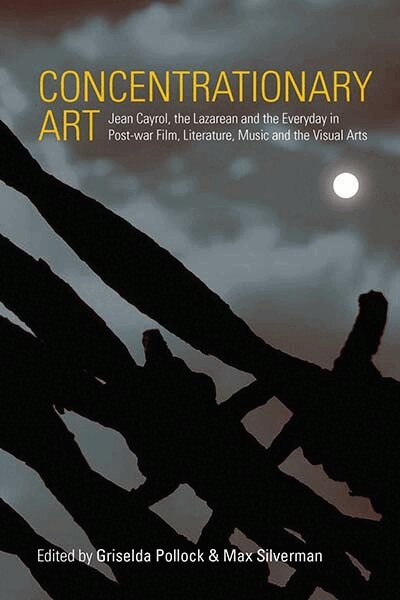
Concentrationary Art
Jean Cayrol, the Lazarean and the Everyday in Post-war Film, Literature, Music and the Visual Arts
Av Griselda Pollock, Max Silverman
Inbunden, 2019
2209 kr
Lägg i varukorg
Largely forgotten over the years, the seminal work of Jean Cayrol has experienced a revival in the French-speaking world since his death in 2005. His ideas on concentrationary art proved to be a major influence for Hannah Arendt and the Frankfurt School, as well as other writers and theorists …
Concentrationary Art
Jean Cayrol, the Lazarean and the Everyday in Post-war Film, Literature, Music and the Visual Arts
Av Max Silverman, Griselda Pollock
E-bok, 2019
374 kr
Lägg i varukorg
Largely forgotten over the years, the seminal work of French poet, novelist and camp survivor Jean Cayrol has experienced a revival in the French-speaking world since his death in 2005. His concept of a concentrationary art—the need for an urgent and constant aesthetic resistance to the continuing …
Concentrationary Memories
Totalitarian Terror and Cultural Resistance
Av Griselda Pollock, Max Silverman
E-bok, 2015
450 kr
Lägg i varukorg
In 1945, French political prisoners returning from the concentration camps of Germany coined the phrase 'the concentrationary universe' to describe the camps as a terrible political experiment in the destruction of the human. This book shows how the unacknowledged legacy of a totalitarian mentality …
Concentrationary Memories
Totalitarian Terror and Cultural Resistance
Av Griselda Pollock, Max Silverman
E-bok, 2015
450 kr
Lägg i varukorg
Concentrationary Memories has, as its premise , the idea at the heart of Alain Resnais's film Night and Fog (1955) that the concentrationary plague unleashed on the world by the Nazis in the 1930s and 1940s is not simply confined to one place and one time but is now a permanent presence shadowing …