Max Statkiewicz - Böcker
Visar alla böcker från författaren Max Statkiewicz. Handla med fri frakt och snabb leverans.
3 produkter
3 produkter
815 kr
Skickas inom 7-10 vardagar
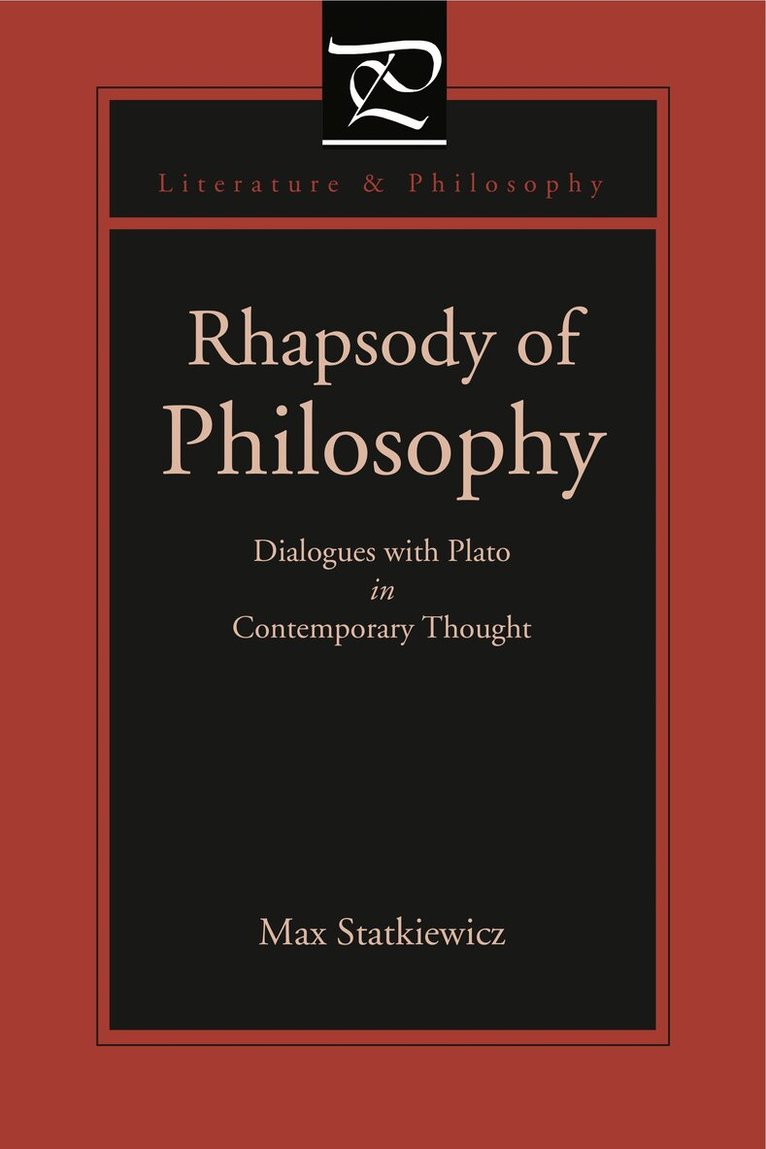
This book proposes to rethink the relationship between philosophy and literature through an engagement with Plato’s dialogues. The dialogues have been seen as the source of a long tradition that subordinates poetry to philosophy, but they may also be approached as a medium for understanding how to overcome this opposition. Paradoxically, Plato then becomes an ally in the attempt “to overturn Platonism,” which Gilles Deleuze famously defined as the task of modern philosophy. Max Statkiewicz identifies a “rhapsodic mode” initiated by Plato in the dialogues and pursued by many of his modern European commentators, including Nietzsche, Heidegger, Irigaray, Derrida, and Nancy. The book articulates this rhapsodic mode as a way of entering into true dialogue (dia-logos), which splits any univocal meaning and opens up a serious play of signification both within and between texts. This mode, he asserts, employs a reading of Plato that is distinguished from interpretations emphasizing the dialogues as a form of dogmatic treatise, as well as from the dramatic interpretations that have been explored in recent Plato scholarship—both of which take for granted the modern notion of the subject. Statkiewicz emphasizes the importance of the dialogic nature of the rhapsodic mode in the play of philosophy and poetry, of Platonic and modern thought—and, indeed, of seriousness and play. This highly original study of Plato explores the inherent possibilities of Platonic thought to rebound upon itself and engender further dialogues.
637 kr
Skickas inom 5-8 vardagar
This book proposes to rethink the relationship between philosophy and literature through an engagement with Plato’s dialogues. The dialogues have been seen as the source of a long tradition that subordinates poetry to philosophy, but they may also be approached as a medium for understanding how to overcome this opposition. Paradoxically, Plato then becomes an ally in the attempt “to overturn Platonism,” which Gilles Deleuze famously defined as the task of modern philosophy. Max Statkiewicz identifies a “rhapsodic mode” initiated by Plato in the dialogues and pursued by many of his modern European commentators, including Nietzsche, Heidegger, Irigaray, Derrida, and Nancy. The book articulates this rhapsodic mode as a way of entering into true dialogue (dia-logos), which splits any univocal meaning and opens up a serious play of signification both within and between texts. This mode, he asserts, employs a reading of Plato that is distinguished from interpretations emphasizing the dialogues as a form of dogmatic treatise, as well as from the dramatic interpretations that have been explored in recent Plato scholarship—both of which take for granted the modern notion of the subject. Statkiewicz emphasizes the importance of the dialogic nature of the rhapsodic mode in the play of philosophy and poetry, of Platonic and modern thought—and, indeed, of seriousness and play. This highly original study of Plato explores the inherent possibilities of Platonic thought to rebound upon itself and engender further dialogues.
499 kr
Skickas inom 10-15 vardagar
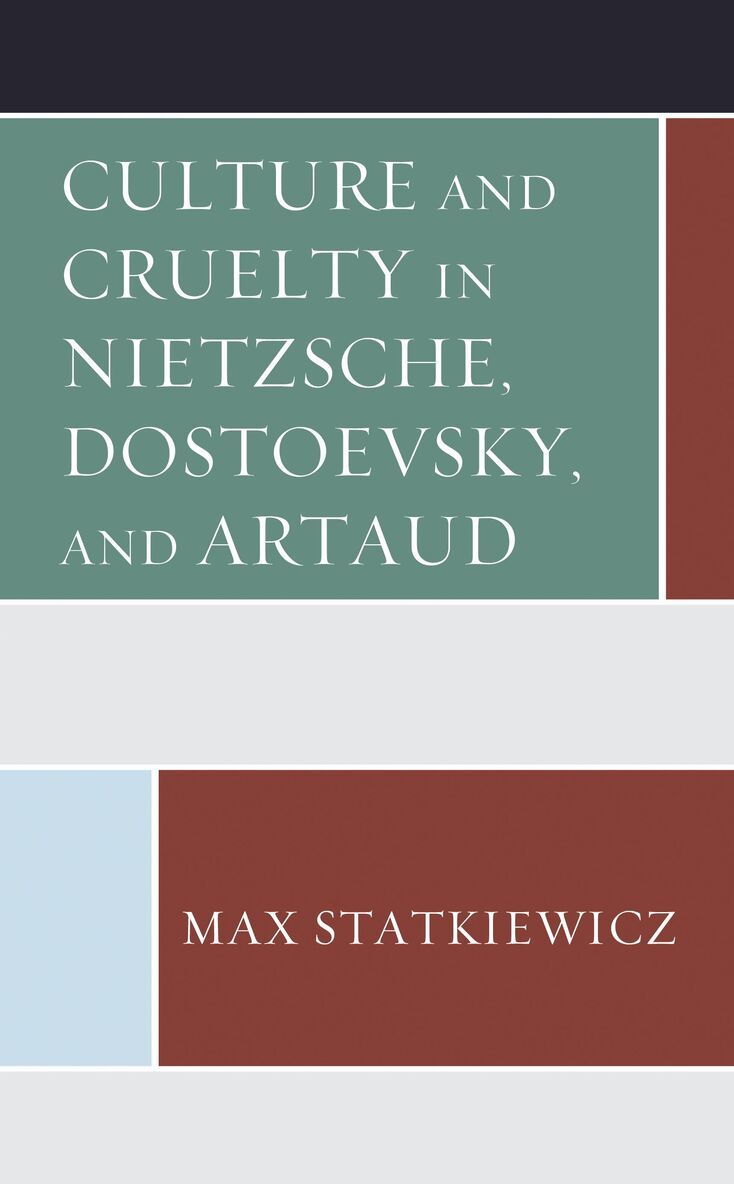
Questioning the Enlightenment in Nietzsche, Dostoyevsky, and Artaud challenges the cultural optimism of the Enlighten through an examination of Nietzsche, Dostoevsky, and Artaud. The Enlightenment was characterized, as Arnold put it, as “sweetness and light”. Nietzsche, Dostoevsky, and Artaud each pushed back against the optimism of the enlightenment through their writing and advanced the idea of cruelty as lying at the root of all human nature and culture. In this study, Statkiewicz explores the seemingly opposing notions of culture and cruelty within the works of these authors to discuss their complex relationship with one another.