Mebus A. Geyh – författare
Visar alla böcker från författaren Mebus A. Geyh. Handla med fri frakt och snabb leverans.
4 produkter
4 produkter
Häftad, Engelska, 1990
1 090 kr
Skickas inom 10-15 vardagar
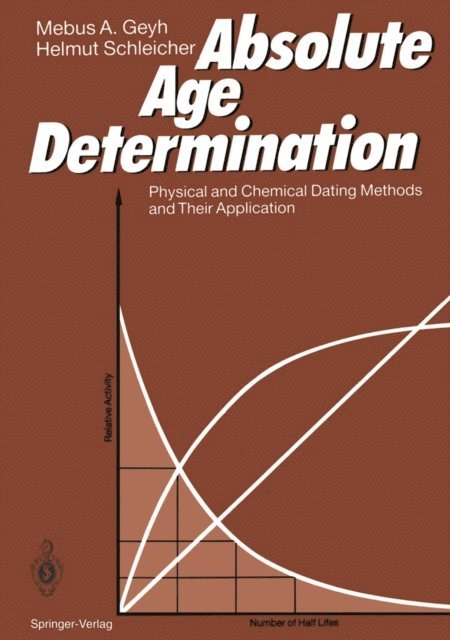
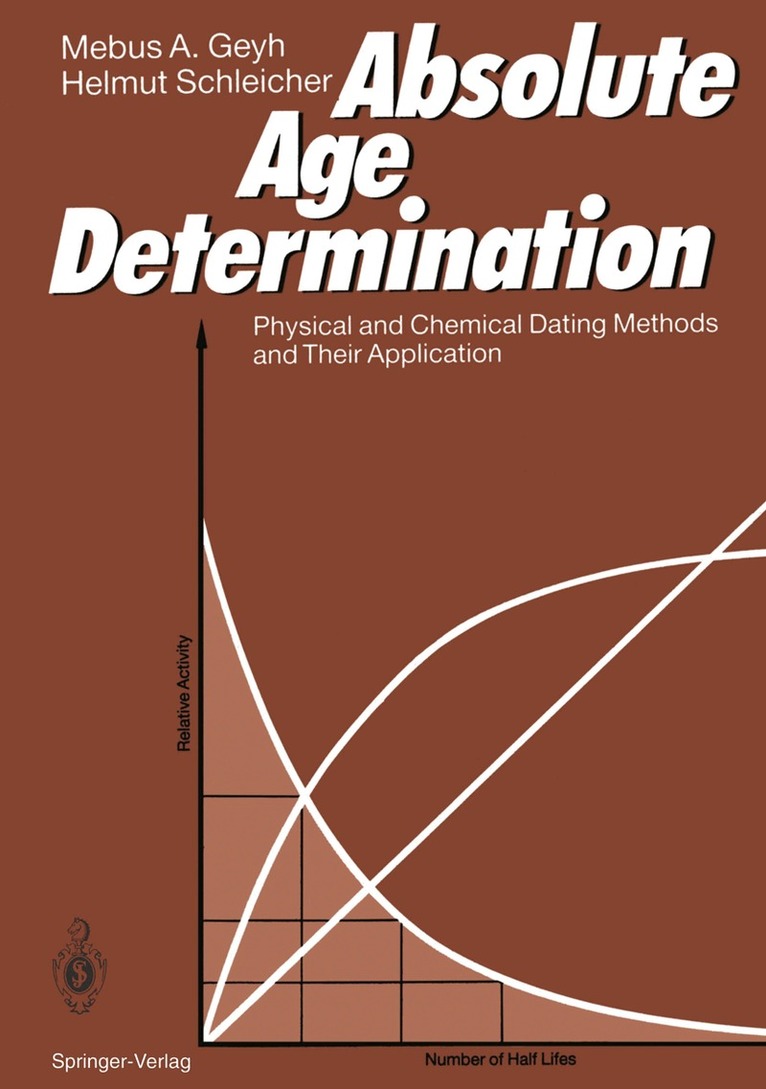
With the growing recognition during the last two centuries that the Earth has an immense age and processes over long periods of time have changed the morphology and composition of the Earth's crust, geologists have become increasingly interested in determination of absolute ages. A rela tive geochronology was established on the basis of the lithostratigraphic and biostratigraphic principles developed during the last century. With the discovery of radioactivity, the basis for a new geoscientific discipline - geochronology - was established (Rutherford 1906). It is the study of geological time, based mainly on the time signatures provided by the isotopic composition in geologic materials. The isotopic signature in a rock yields more information than that provided by the geochemical signature alone because it reflects the origin and history of the element in the rock. The aim of geochronology is to calibrate and standardize chronostrati graphic scales, to develop geological time scales that have a sensitive or at least useful resolution in order to place the geological events in the correct chronological order, and to assign their proper time spans. In practice, the application of geochronology is much wider because the data in the "natural archives" often provide information on the origin, genesis, and history of the materials. This, of course, requires an understanding of the geochemical behavior of the substances involved.
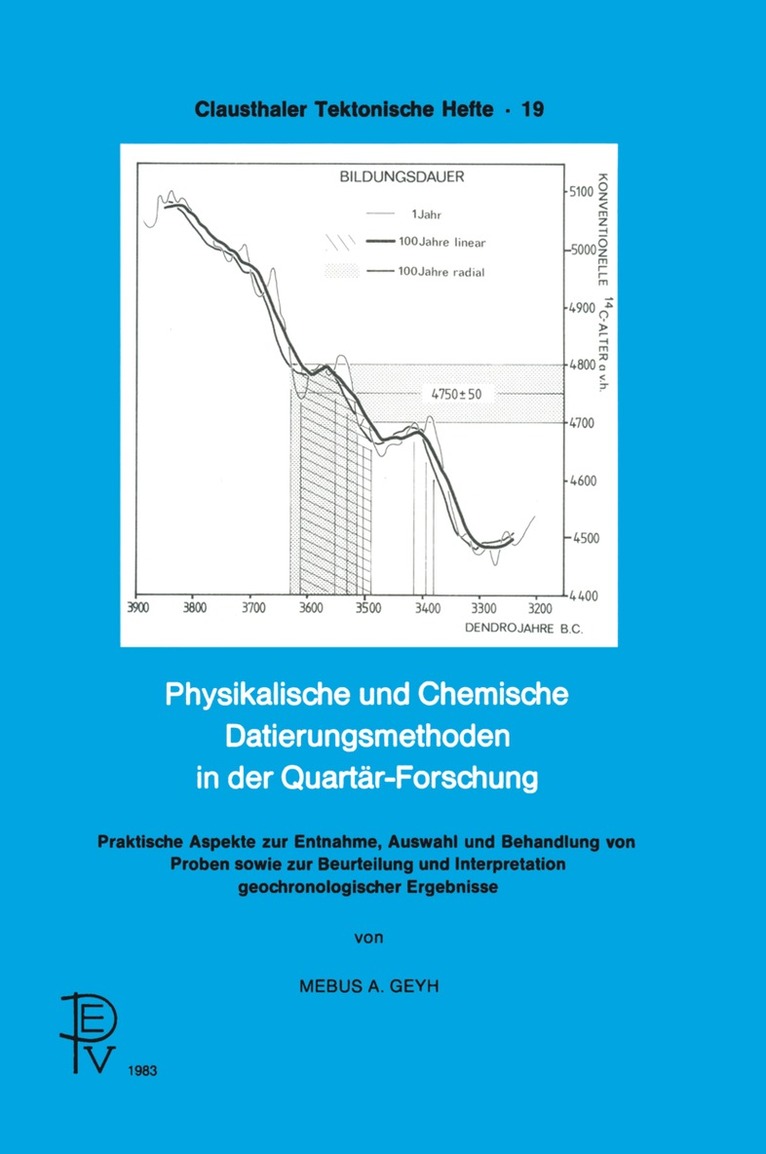
Del 19 - Clausthaler Tektonische Hefte
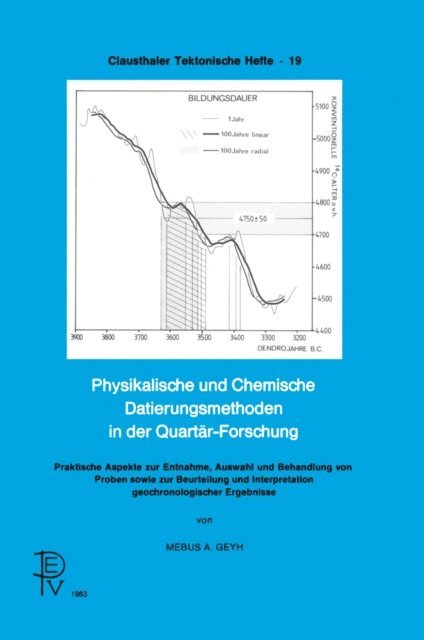
Physikalische und Chemische Datierungsmethoden in der Quartär-Forschung
Praktische Aspekte zur Entnahme, Auswahl und Behandlung von Proben sowie zur Beurteilung und Interpretation geochronologischer Ergebnisse
Häftad, Tyska, 1997
462 kr
Skickas inom 10-15 vardagar
E-bok
PDF, Engelska, 20121 367 kr
Läs direkt efter köp
With the growing recognition during the last two centuries that the Earth has an immense age and processes over long periods of time have changed the morphology and composition of the Earth''s crust, geologists have become increasingly interested in determination of absolute ages. A rela tive geochronology was established on the basis of the lithostratigraphic and biostratigraphic principles developed during the last century. With the discovery of radioactivity, the basis for a new geoscientific discipline - geochronology - was established (Rutherford 1906). It is the study of geological time, based mainly on the time signatures provided by the isotopic composition in geologic materials. The isotopic signature in a rock yields more information than that provided by the geochemical signature alone because it reflects the origin and history of the element in the rock. The aim of geochronology is to calibrate and standardize chronostrati graphic scales, to develop geological time scales that have a sensitive or at least useful resolution in order to place the geological events in the correct chronological order, and to assign their proper time spans. In practice, the application of geochronology is much wider because the data in the "natural archives" often provide information on the origin, genesis, and history of the materials. This, of course, requires an understanding of the geochemical behavior of the substances involved.