Meghana Mishra – författare
561 kr
Skickas inom 10-15 vardagar
708 kr
Läs direkt efter köp
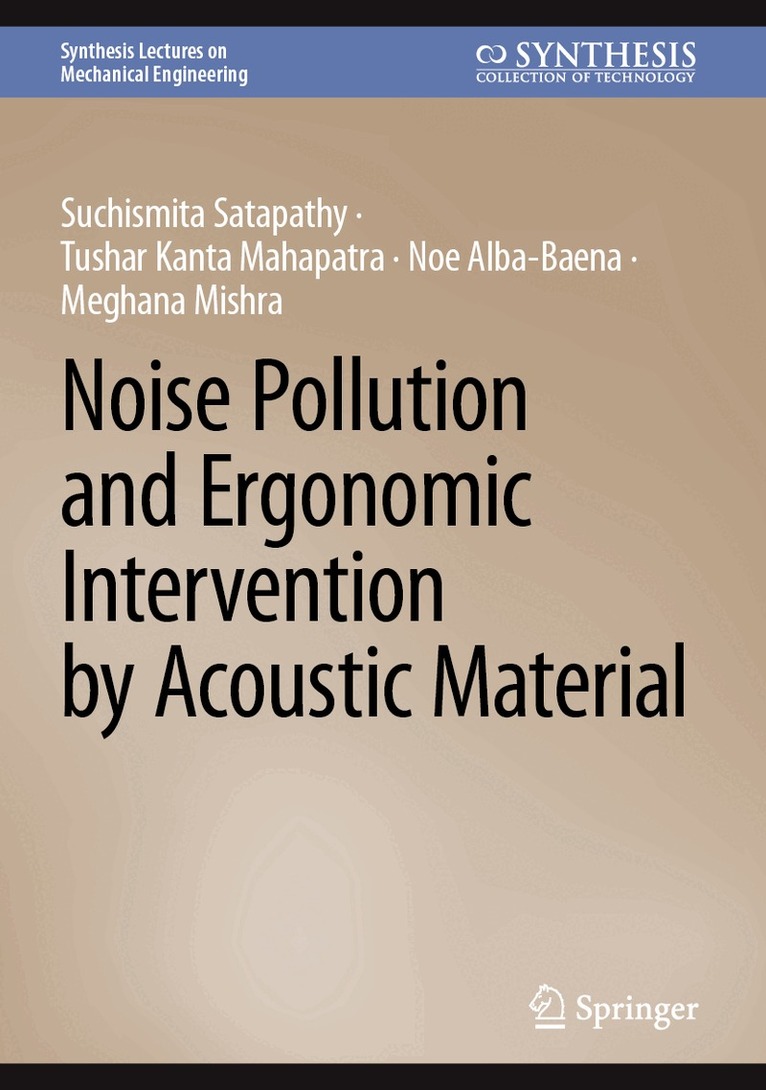
This book is based on the understanding as well as the use of information technology extensively, to explore OHS related risk in major risky sectors due to noise and a framework is suggested through the systematic analysis of the barriers and its implementations. Ergonomic analysis is done to investigate problems associated with hearing. Acoustic materials are fabricated and tested. A case study is conducted to reduce noise by placing accoustic material.
561 kr
Skickas inom 10-15 vardagar
1 836 kr
Skickas inom 10-15 vardagar
2 283 kr
Läs direkt efter köp
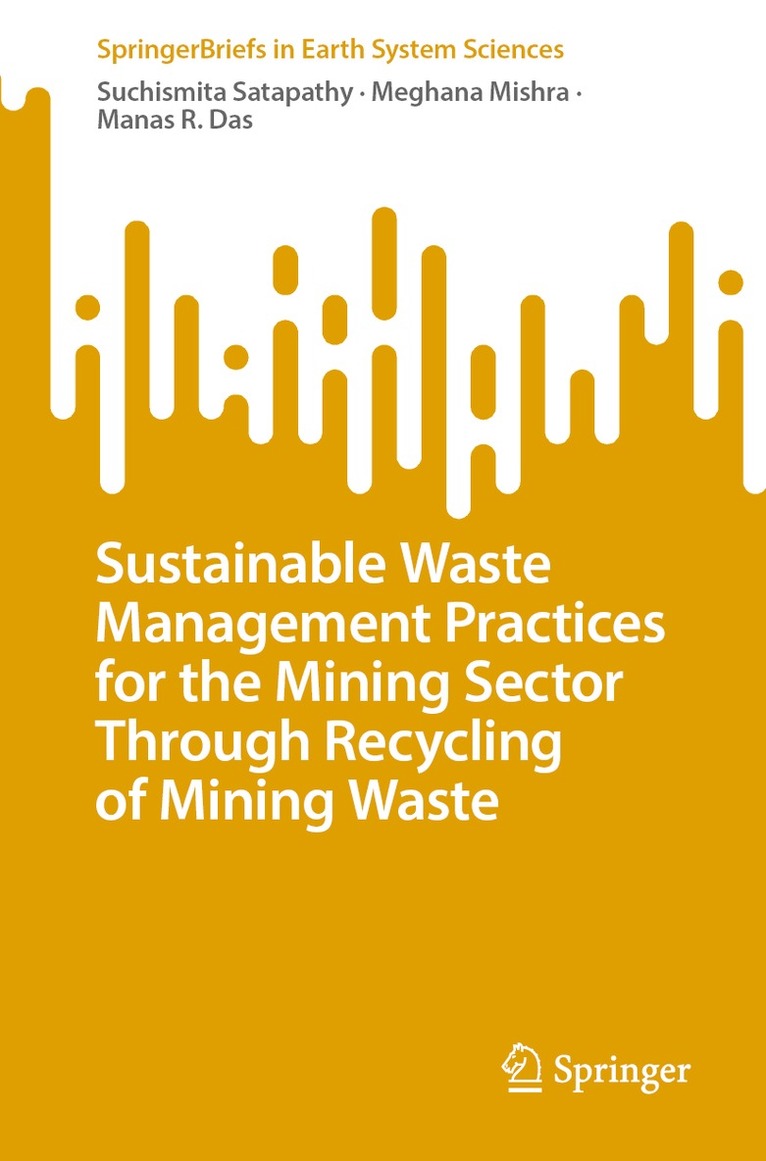
Mining waste management is an important issue for the mining industry since it entails the safe and responsible disposal of waste created during mining operations. This waste comprises tailing, waste rock, and other mining wastes that, if not adequately managed, can pose environmental and health problems. Effective waste management solutions are required to reduce the environmental impact of mining and preserve the long-term viability of mining operations. These initiatives include improving mining practices to reduce waste generation, establishing effective waste treatment and disposal systems, and participating in community outreach and education programme. In recent years, there has been a growing emphasis on the use of new mining waste management technologies and practices. The adoption of modern filtration systems, bio-remediation techniques, and the rehabilitation of abandoned mining sites are examples of these. Overall, good mining waste management is critical for guaranteeing the mining industry; long-term sustainability and protecting the environment and communities where mining operations take place. Sustainable waste management is the implementation of practices and strategies that aim to minimize aim the negative impact of mining waste while promoting resource efficiency and long-term economic viability it involves employing a thorough approach that considers the entire mining waste lifetime, from generation to disposal, and seeks to reduce waste generation, reuse, or recycle items, and appropriately dispose of any remaining rubbish. It attempts to extend the life of materials while reducing the waste volume that is incinerated or dumped in landfills. To lessen the detrimental environmental, economic, social and effects in consumption, a thorough approach to sustainable waste management must concentrate on the life cycle of a product. Mining wastes can be categorized into overburden, waste rock, tailings and mine water. During mineral extracted, beneficiated, and processed, mining wastes are produced. The first stage, known as extraction, which is the first layer sacking of minerals. Typically, blasting is used to do this, which produces a significant amount of garbage (soil, debris and other material). This is usually only concentrated within the periphery of a mine rental place and occasionally on public land, and is useless to the industry. The amount of waste produced increases with the size of the mine. Because they produce far more trash than underground mines, opencast mines are consequently more pollutant-intensive. Use of tailing waste of iron mines with clay for producing bricks can lead to consumption of large quantities of the waste materials and managing it in an environmentally friendly way. On the other hand, it can reduce consumption of top soil for making bricks and improve construction materials availability. Similarly, for preparation of ceramics and polymer composite, these wastes can be used, which will help in solving social, environmental problem.
Industry 4.0 A Way to Achieve Occupational Health and Safety
1 661 kr
Skickas inom 5-8 vardagar
2 036 kr
Läs direkt efter köp
This book consists of advances in data intelligence and its applications in sustainable computing and explores challenges of Industry 4.0. Occupational health and safety is a problem faced by many industries. It effects health, safety, and also wellbeing of employees and workers engaged. Industry 4.0 has changed the total scenario of many industries. Safety and sustainability are two major problems with most industries and other emerging sectors. So, safety is a most important criterion and is often taken care of by framing and following safety policies. Soft computing methods are used to resolve all innovative and research problems in engineering, manufacturing, and business management areas. Much innovative design and sustainable solutions are resolved by IoT and AI techniques. Any troublesome work without hard labor and with easy approaches can be resolved by IoT, which is safer and can be learned quickly. It will help research and find a significant replacement with innovative solutions to any technical and business-related problems. A huge and developing number of producers acknowledge generous monetary and natural advantages from feasible strategic policies. Manageable assembling makes items through financially strong cycles that limit adverse ecological effects while moderating energy and regular assets. Sustainable manufacturing also enhances employee, community, and product safety. A developing number of organizations are treating sustainability as a significant goal in their procedure and activities to build development and worldwide intensity practices in every place of manufacturing industries.
Automation systems usually make workplaces safer by keeping people out of dangerous situations. They also encourage inclusion by substituting less physically demanding computer-based monitoring activities with jobs requiring strength or agility. The shift from a physically oriented to a knowledge-based work environment substitutes more intellectual, decentralised decision-making stresses for workplace problems like repeated actions.
Industry 5.0 for Occupational Health and Safety and Risk Mitigation
1 729 kr
Skickas inom 10-15 vardagar
2 149 kr
Läs direkt efter köp
553 kr
Skickas inom 5-8 vardagar
718 kr
Läs direkt efter köp
This book delves into the mental and occupational stress of pink-collar workers. A pink-collar worker is a person employed in a care-related profession or in an area that has traditionally been seen as the domain of women. Examples include jobs in the beauty business, nursing, social work, education, teaching, secretarial work, upholstery, or child care. To help with the financial burdens of their family, pink-collar workers engage in their job for at least 8 to 10 hours a day, which often leads to sacrificing their time with their family. Additionally, pink-collar works face many barriers like emotional labor (e.g., dealing with patients or clients), workload, interpersonal conflicts, and job insecurity. This book endeavors to study the physical stressors and mental stress of pink-collar workers so that new policies can be framed or suggested for the wellness of pink-collar workers.
525 kr
Skickas inom 10-15 vardagar
668 kr
Läs direkt efter köp
This book is about occupational health and safety in the workplace. Work-related productivity has been decreasing in most of the labor-intensive sectors on account of the fatigue and discomfort in workplaces, which is the most significant factor for consideration at all levels. Moreover, improper workplace design leads to most of the occupational accidents as well as injuries in production sites.
This book explores discomfort in working environments and its impact on mental health in varying workplaces. It then offers some innovative solutions to provide comfort, safety, and sustainability in workplaces to reduce mental workload.