Suchismita Satapathy – författare
1 882 kr
Läs direkt efter köp
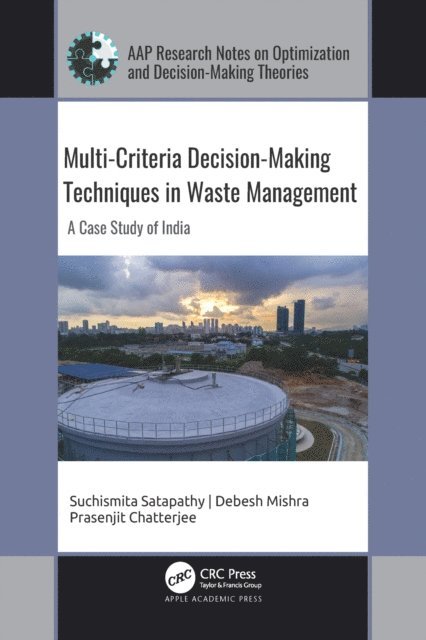
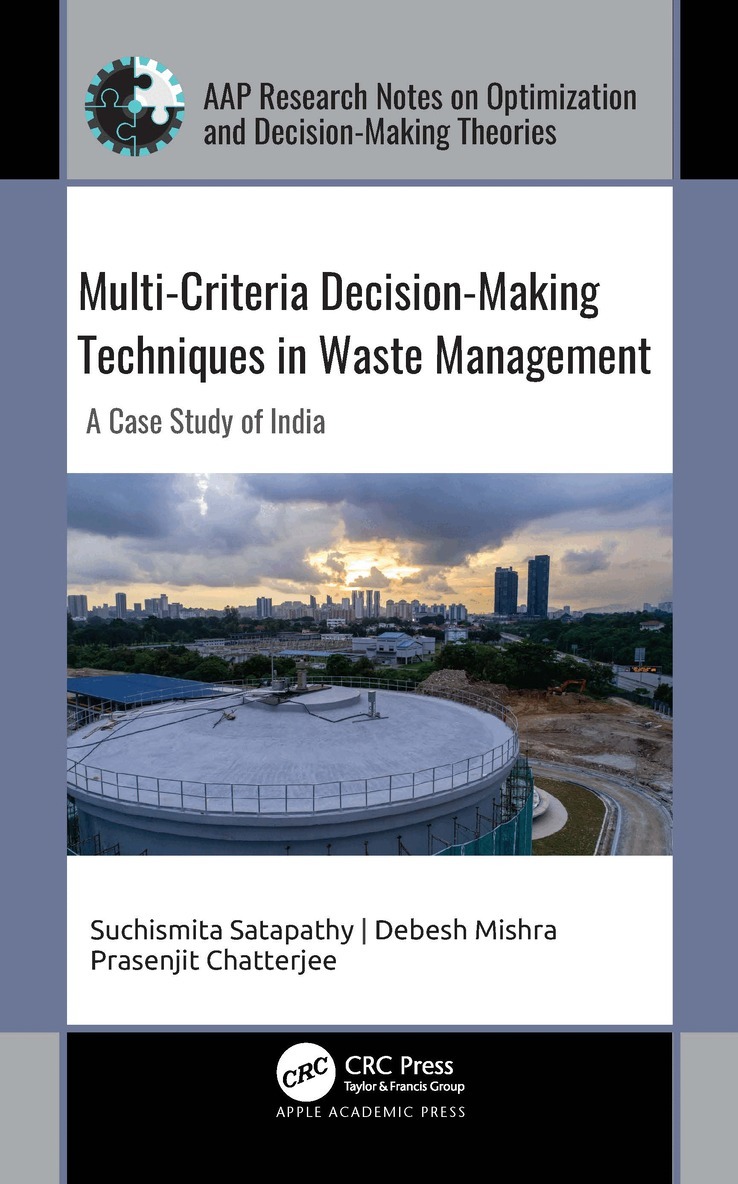
This book addresses the problem of waste management by using multi-criteria decision-making (MCDM) methods. The authors discuss how to apply MCDM, a complex decision-making tool that involves both quantitative and qualitative factors, to develop strategies for effective waste management using various optimization models to rank alternatives, while also incorporating the concerns and needs of multiple stakeholders to find the most optimal decisions for various types of wastes. Typically, there does not exist a single optimal solution to waste problems; with help of MCDM, far better solutions can often be found and utilized to facilitate sustainable waste management techniques in various industries.
This book provides unique, effective, and quick decision-making strategies for waste management. With the ever-increasing population and continuing human development, the problem of managing waste becomes increasingly essential, and this volume helps lead the way to finding sustainable solutions.
1 882 kr
Läs direkt efter köp
This book addresses the problem of waste management by using multi-criteria decision-making (MCDM) methods. The authors discuss how to apply MCDM, a complex decision-making tool that involves both quantitative and qualitative factors, to develop strategies for effective waste management using various optimization models to rank alternatives, while also incorporating the concerns and needs of multiple stakeholders to find the most optimal decisions for various types of wastes. Typically, there does not exist a single optimal solution to waste problems; with help of MCDM, far better solutions can often be found and utilized to facilitate sustainable waste management techniques in various industries.
This book provides unique, effective, and quick decision-making strategies for waste management. With the ever-increasing population and continuing human development, the problem of managing waste becomes increasingly essential, and this volume helps lead the way to finding sustainable solutions.
750 kr
Skickas inom 10-15 vardagar
350 kr
Skickas inom 10-15 vardagar
2 433 kr
Läs direkt efter köp
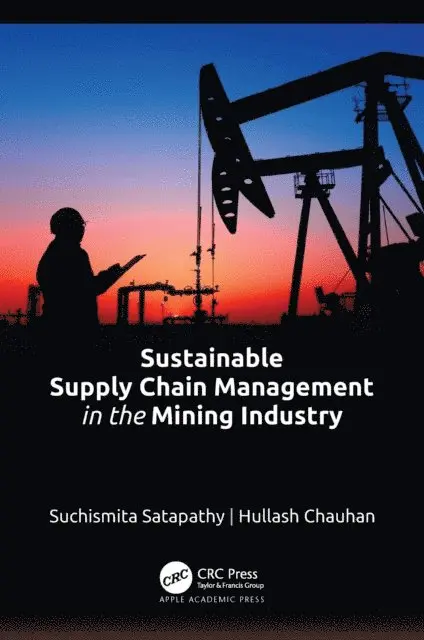
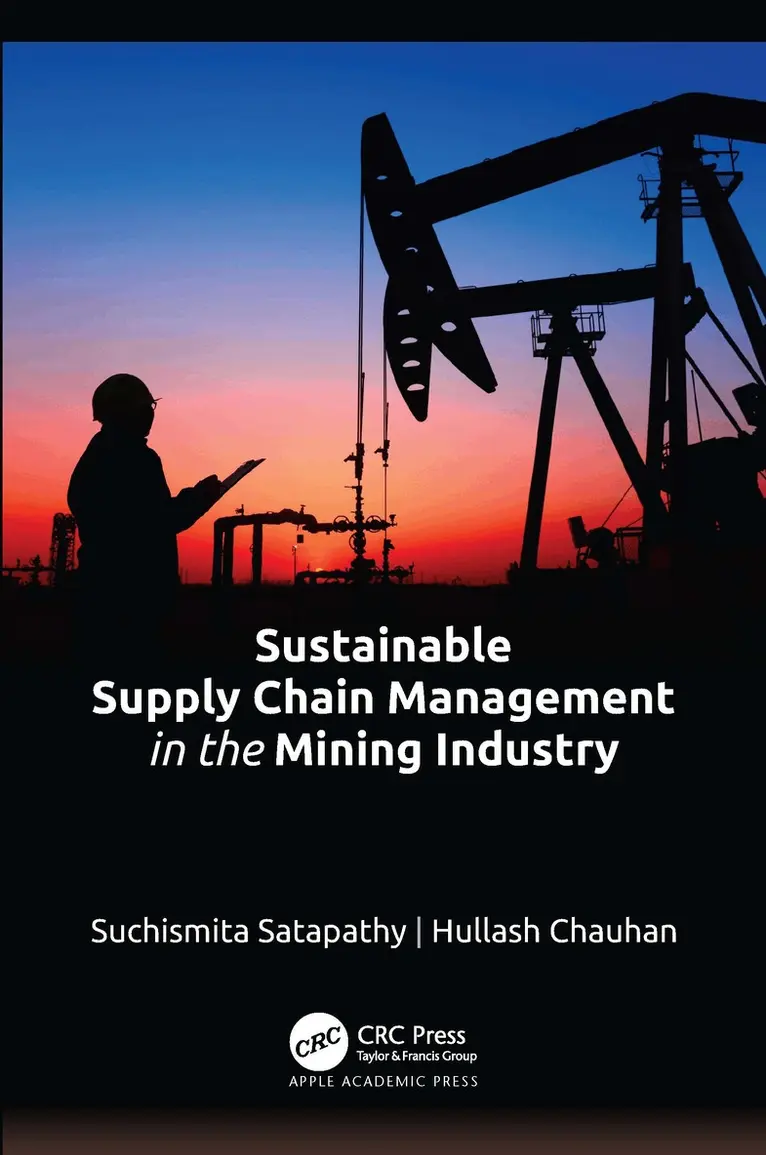
Mining operations are booming as a result of rising mineral demand, and mining companies have grown their operations to great financial success. The need for sustainable management in the mining industry has never been more important. This new book provides an overview of sustainable supply chain management through computational and multicriteria decision-making analyses. It explores sustainability and sustainable supply chain management in the context of transportation and electricity generation. Soft computing methods, such as fuzzy AHp and QFD, to identify the major difficulties for mines are discussed as are the detrimental effects of mines and how sustainability management can be forecast by taking into account current supply chain patterns in the mining sector. The most significant difficulties in the mining sector, such as waste management and supplier selection criteria, are covered as well, taking into account specific analytical indicators to discover the most socially and ecologically responsible solutions. The authors evaluate the security risks in the mining business and offer solutions. The final section offers current and potential future sustainable supply chain management solutions.
This comprehensive work on the sustainability of supply chain in mining not only covers decision making and management but also explores barriers to the mining industry. It demonstrates how to analyze data by computational methods for sustainable management and offers an enhanced understanding of supply chain management concepts and challenges.
2 433 kr
Läs direkt efter köp
Mining operations are booming as a result of rising mineral demand, and mining companies have grown their operations to great financial success. The need for sustainable management in the mining industry has never been more important. This new book provides an overview of sustainable supply chain management through computational and multicriteria decision-making analyses. It explores sustainability and sustainable supply chain management in the context of transportation and electricity generation. Soft computing methods, such as fuzzy AHp and QFD, to identify the major difficulties for mines are discussed as are the detrimental effects of mines and how sustainability management can be forecast by taking into account current supply chain patterns in the mining sector. The most significant difficulties in the mining sector, such as waste management and supplier selection criteria, are covered as well, taking into account specific analytical indicators to discover the most socially and ecologically responsible solutions. The authors evaluate the security risks in the mining business and offer solutions. The final section offers current and potential future sustainable supply chain management solutions.
This comprehensive work on the sustainability of supply chain in mining not only covers decision making and management but also explores barriers to the mining industry. It demonstrates how to analyze data by computational methods for sustainable management and offers an enhanced understanding of supply chain management concepts and challenges.
401 kr
Läs direkt efter köp
The industry is currently facing a multitude of challenges on production lines that must be systematically addressed in order to improve quality and productivity. One commonly utilized methodology by companies is DMAIC (Define, Measure, Analyze, Improve, and Control), which has been proven effective through various case studies and is now considered a standard problem-solving approach. However, existing books on DMAIC often focus solely on defining concepts and tools, as well as showcasing case studies separately. This book consolidates all of these aspects into a single, user-friendly resource.
DMAIC: Concepts, Tools, and Industrial Applications offers both theoretical and practical insights into the DMAIC methodology. It sequentially presents all stages of DMAIC, outlining activities, data collection, and analysis processes. By integrating DMAIC concepts, tools, and case studies, this book provides industry professionals with a comprehensive resource. Real-world case studies from companies that have successfully implemented DMAIC to enhance production processes are showcased, offering valuable insights and practical examples.
This book serves as a valuable resource for professionals, students, and individuals responsible for improving industrial production systems. By consolidating theory, tools, and case studies into a single book, readers can gain a comprehensive understanding of DMAIC and its application in industry.
401 kr
Läs direkt efter köp
The industry is currently facing a multitude of challenges on production lines that must be systematically addressed in order to improve quality and productivity. One commonly utilized methodology by companies is DMAIC (Define, Measure, Analyze, Improve, and Control), which has been proven effective through various case studies and is now considered a standard problem-solving approach. However, existing books on DMAIC often focus solely on defining concepts and tools, as well as showcasing case studies separately. This book consolidates all of these aspects into a single, user-friendly resource.
DMAIC: Concepts, Tools, and Industrial Applications offers both theoretical and practical insights into the DMAIC methodology. It sequentially presents all stages of DMAIC, outlining activities, data collection, and analysis processes. By integrating DMAIC concepts, tools, and case studies, this book provides industry professionals with a comprehensive resource. Real-world case studies from companies that have successfully implemented DMAIC to enhance production processes are showcased, offering valuable insights and practical examples.
This book serves as a valuable resource for professionals, students, and individuals responsible for improving industrial production systems. By consolidating theory, tools, and case studies into a single book, readers can gain a comprehensive understanding of DMAIC and its application in industry.
401 kr
Läs direkt efter köp
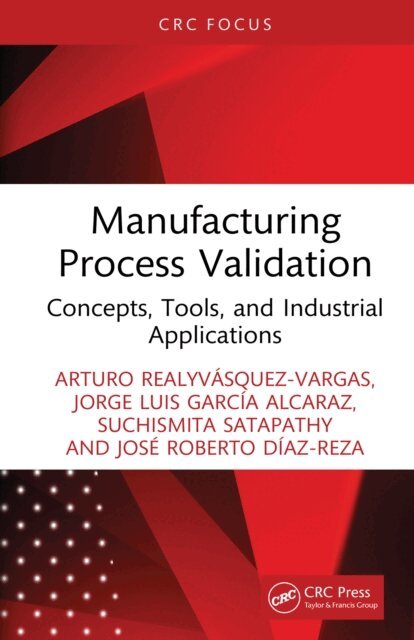
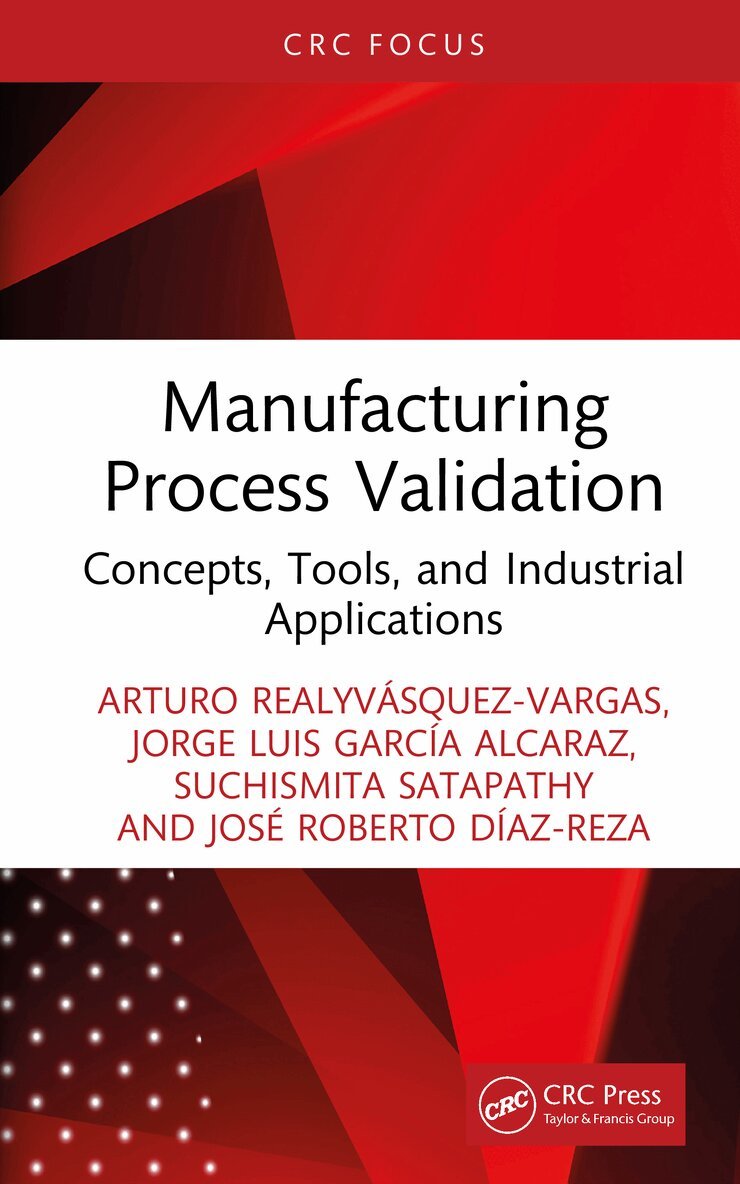
Unlock the secrets to optimizing manufacturing processes with this essential guide to process validation. Designed for both industry professionals and academics, this book bridges the gap between theory and practice, offering a clear roadmap to enhance quality and productivity. Discover core concepts, step-by-step implementation strategies, and powerful problem-solution tools. Explore the real-world case studies that showcase how process validation transforms production lines, from data collection to actionable improvements. Whether aiming to streamline operations or achieve operational excellence, this book provides the knowledge and practical insights to drive continuous improvement.
Manufacturing Process Validation: Concepts, Tools, and Industrial Applications discusses the importance of manufacturing process validation in addressing quality issues. It explores the primary tools utilized in implementing process validation within industrial settings and features two case studies demonstrating how validation can enhance production processes. Process validation is crucial in guaranteeing a process''s quality and efficiency. The book goes on to emphasize the significance of collecting and evaluating data from the design phase through production to establish a process''s quality and reproducibility.
Designed for professionals, this resource serves as a crucial link between theoretical concepts and real-world applications. It provides a comprehensive guide for successfully implementing process validation, offering a clear and detailed roadmap for achieving optimal results.
401 kr
Läs direkt efter köp
Unlock the secrets to optimizing manufacturing processes with this essential guide to process validation. Designed for both industry professionals and academics, this book bridges the gap between theory and practice, offering a clear roadmap to enhance quality and productivity. Discover core concepts, step-by-step implementation strategies, and powerful problem-solution tools. Explore the real-world case studies that showcase how process validation transforms production lines, from data collection to actionable improvements. Whether aiming to streamline operations or achieve operational excellence, this book provides the knowledge and practical insights to drive continuous improvement.
Manufacturing Process Validation: Concepts, Tools, and Industrial Applications discusses the importance of manufacturing process validation in addressing quality issues. It explores the primary tools utilized in implementing process validation within industrial settings and features two case studies demonstrating how validation can enhance production processes. Process validation is crucial in guaranteeing a process''s quality and efficiency. The book goes on to emphasize the significance of collecting and evaluating data from the design phase through production to establish a process''s quality and reproducibility.
Designed for professionals, this resource serves as a crucial link between theoretical concepts and real-world applications. It provides a comprehensive guide for successfully implementing process validation, offering a clear and detailed roadmap for achieving optimal results.
807 kr
Skickas inom 10-15 vardagar
1 617 kr
Skickas inom 10-15 vardagar
1 159 kr
Skickas inom 10-15 vardagar
2 088 kr
Skickas inom 10-15 vardagar
1 621 kr
Skickas inom 10-15 vardagar
1 977 kr
Läs direkt efter köp
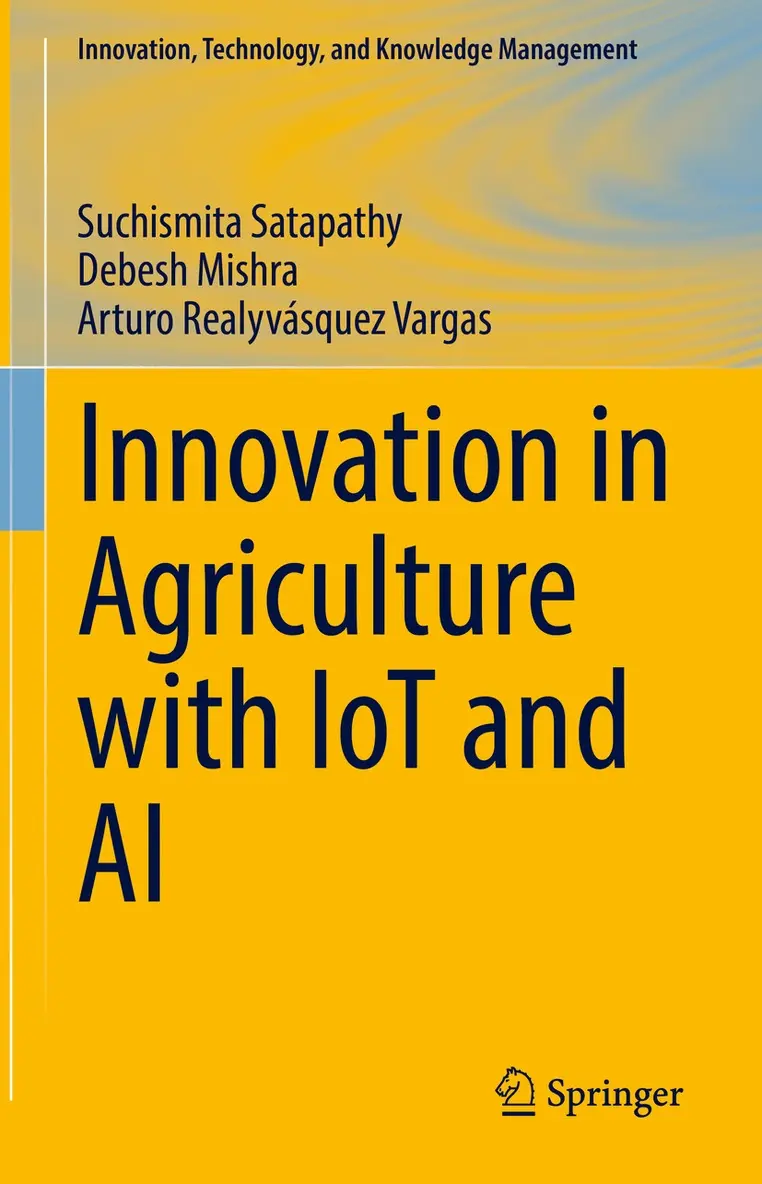
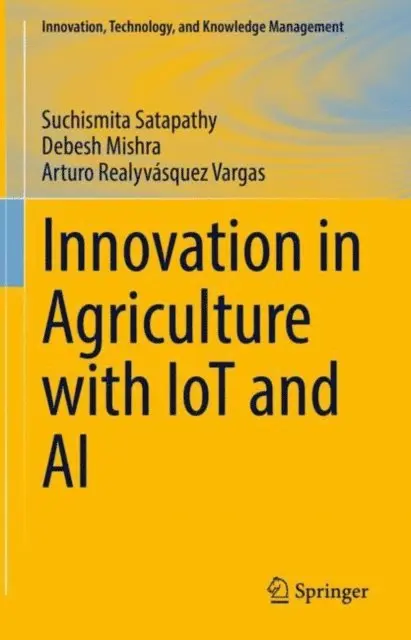
This book examines different innovations in worldwide agricultural-systems including the applications of artificial intelligence (AI), internet of things (IoT) and features of machine learning (ML) for the benefits of the farm-community. Specifically, it examines the use of agricultural equipment and IoT to reduce physical stress; innovative equipment that measure and reduce mental work load; and innovative techniques to help with employee safety. Featuring case studies and future implications, this book is an excellent guide for academics and researchers in the agri-sector.
1 621 kr
Skickas inom 10-15 vardagar
491 kr
Skickas inom 10-15 vardagar
611 kr
Läs direkt efter köp
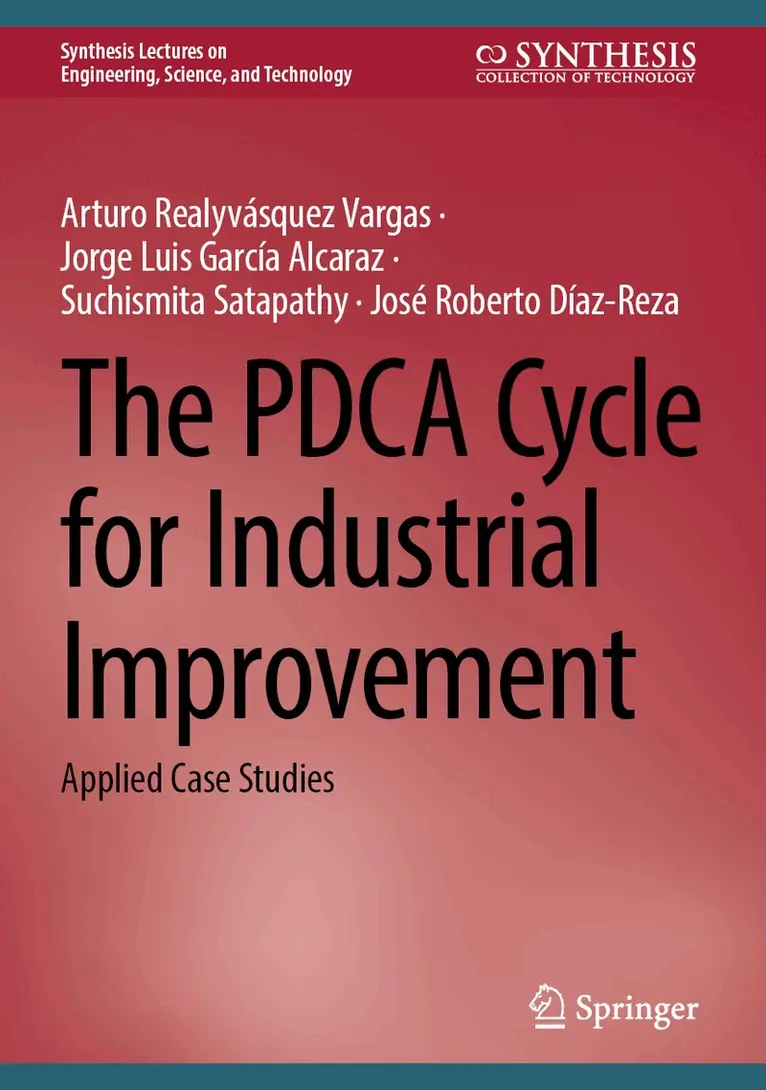
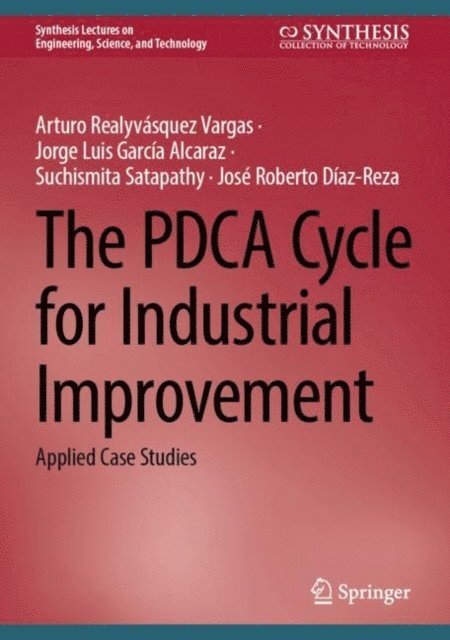
This book provides a conceptual description of the PDCA cycle and the tools that support it. A brief literature review is given for each tool, indicating the timeline according to Scopus, the main areas in which they are applied, the main authors and the journals that most publish on these topics. It reports three industrial applications, one focusing on cost reduction, the second on optimizing a manufacturing company''s raw material receiving process, and the third one on eliminating waste and increasing performance.
491 kr
Skickas inom 10-15 vardagar
1 406 kr
Skickas inom 10-15 vardagar
1 386 kr
Läs direkt efter köp
1 083 kr
Skickas inom 10-15 vardagar
561 kr
Skickas inom 10-15 vardagar
708 kr
Läs direkt efter köp
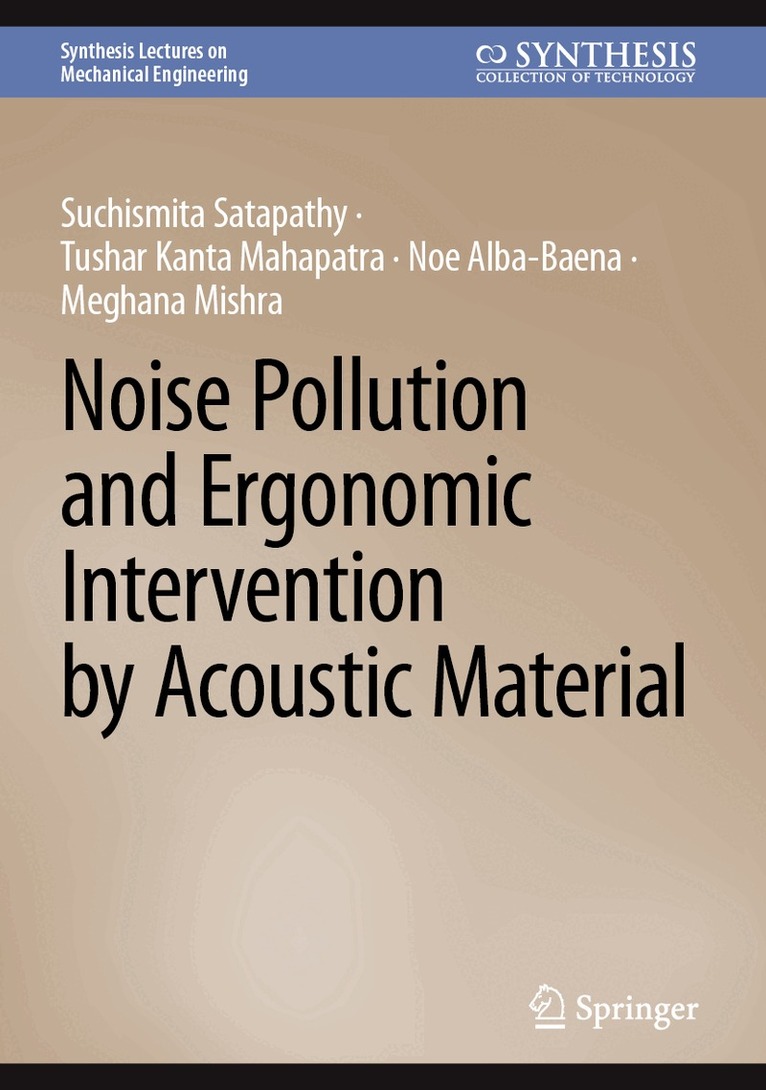
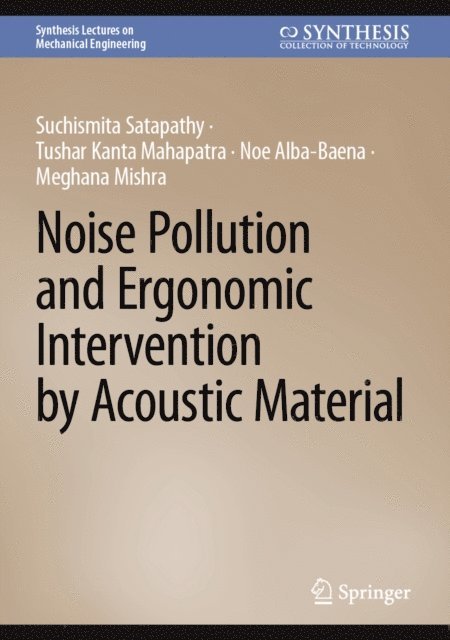
This book is based on the understanding as well as the use of information technology extensively, to explore OHS related risk in major risky sectors due to noise and a framework is suggested through the systematic analysis of the barriers and its implementations. Ergonomic analysis is done to investigate problems associated with hearing. Acoustic materials are fabricated and tested. A case study is conducted to reduce noise by placing accoustic material.
561 kr
Skickas inom 10-15 vardagar
1 836 kr
Skickas inom 10-15 vardagar
2 283 kr
Läs direkt efter köp
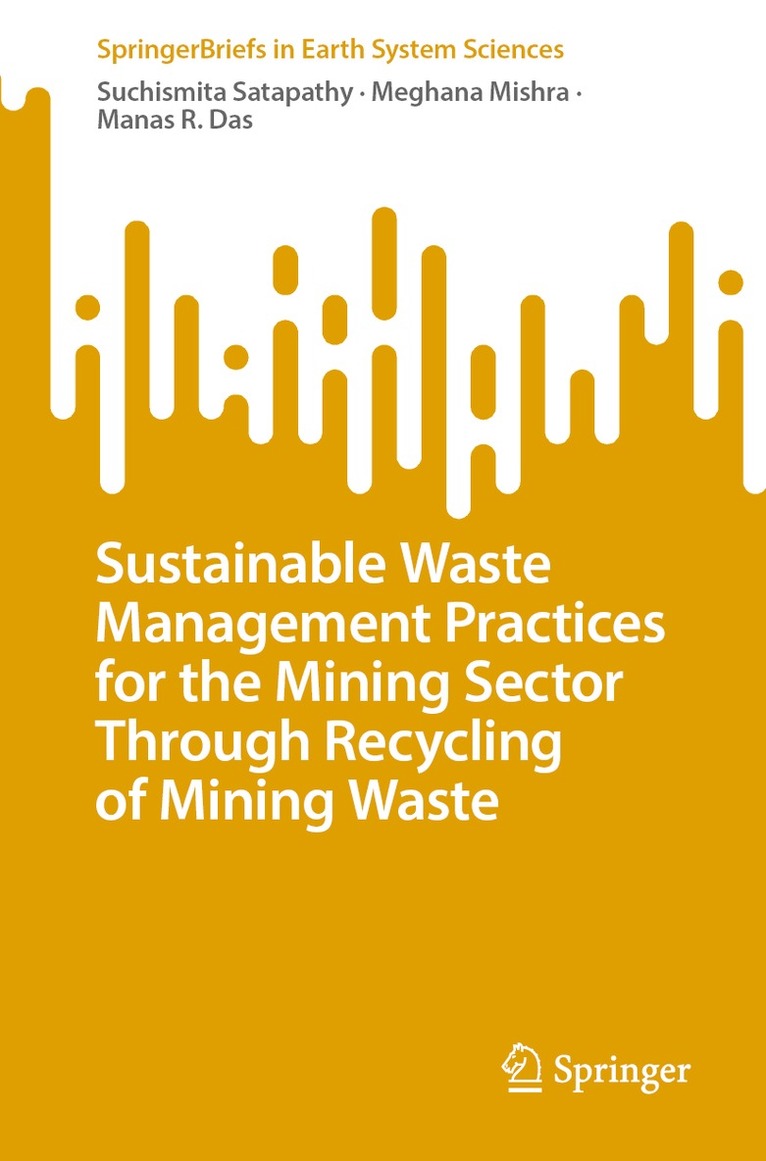
Mining waste management is an important issue for the mining industry since it entails the safe and responsible disposal of waste created during mining operations. This waste comprises tailing, waste rock, and other mining wastes that, if not adequately managed, can pose environmental and health problems. Effective waste management solutions are required to reduce the environmental impact of mining and preserve the long-term viability of mining operations. These initiatives include improving mining practices to reduce waste generation, establishing effective waste treatment and disposal systems, and participating in community outreach and education programme. In recent years, there has been a growing emphasis on the use of new mining waste management technologies and practices. The adoption of modern filtration systems, bio-remediation techniques, and the rehabilitation of abandoned mining sites are examples of these. Overall, good mining waste management is critical for guaranteeing the mining industry; long-term sustainability and protecting the environment and communities where mining operations take place. Sustainable waste management is the implementation of practices and strategies that aim to minimize aim the negative impact of mining waste while promoting resource efficiency and long-term economic viability it involves employing a thorough approach that considers the entire mining waste lifetime, from generation to disposal, and seeks to reduce waste generation, reuse, or recycle items, and appropriately dispose of any remaining rubbish. It attempts to extend the life of materials while reducing the waste volume that is incinerated or dumped in landfills. To lessen the detrimental environmental, economic, social and effects in consumption, a thorough approach to sustainable waste management must concentrate on the life cycle of a product. Mining wastes can be categorized into overburden, waste rock, tailings and mine water. During mineral extracted, beneficiated, and processed, mining wastes are produced. The first stage, known as extraction, which is the first layer sacking of minerals. Typically, blasting is used to do this, which produces a significant amount of garbage (soil, debris and other material). This is usually only concentrated within the periphery of a mine rental place and occasionally on public land, and is useless to the industry. The amount of waste produced increases with the size of the mine. Because they produce far more trash than underground mines, opencast mines are consequently more pollutant-intensive. Use of tailing waste of iron mines with clay for producing bricks can lead to consumption of large quantities of the waste materials and managing it in an environmentally friendly way. On the other hand, it can reduce consumption of top soil for making bricks and improve construction materials availability. Similarly, for preparation of ceramics and polymer composite, these wastes can be used, which will help in solving social, environmental problem.
Industry 4.0 A Way to Achieve Occupational Health and Safety
1 661 kr
Skickas inom 5-8 vardagar
2 036 kr
Läs direkt efter köp
This book consists of advances in data intelligence and its applications in sustainable computing and explores challenges of Industry 4.0. Occupational health and safety is a problem faced by many industries. It effects health, safety, and also wellbeing of employees and workers engaged. Industry 4.0 has changed the total scenario of many industries. Safety and sustainability are two major problems with most industries and other emerging sectors. So, safety is a most important criterion and is often taken care of by framing and following safety policies. Soft computing methods are used to resolve all innovative and research problems in engineering, manufacturing, and business management areas. Much innovative design and sustainable solutions are resolved by IoT and AI techniques. Any troublesome work without hard labor and with easy approaches can be resolved by IoT, which is safer and can be learned quickly. It will help research and find a significant replacement with innovative solutions to any technical and business-related problems. A huge and developing number of producers acknowledge generous monetary and natural advantages from feasible strategic policies. Manageable assembling makes items through financially strong cycles that limit adverse ecological effects while moderating energy and regular assets. Sustainable manufacturing also enhances employee, community, and product safety. A developing number of organizations are treating sustainability as a significant goal in their procedure and activities to build development and worldwide intensity practices in every place of manufacturing industries.
Automation systems usually make workplaces safer by keeping people out of dangerous situations. They also encourage inclusion by substituting less physically demanding computer-based monitoring activities with jobs requiring strength or agility. The shift from a physically oriented to a knowledge-based work environment substitutes more intellectual, decentralised decision-making stresses for workplace problems like repeated actions.