Mei Yuan – författare
539 kr
Läs direkt efter köp
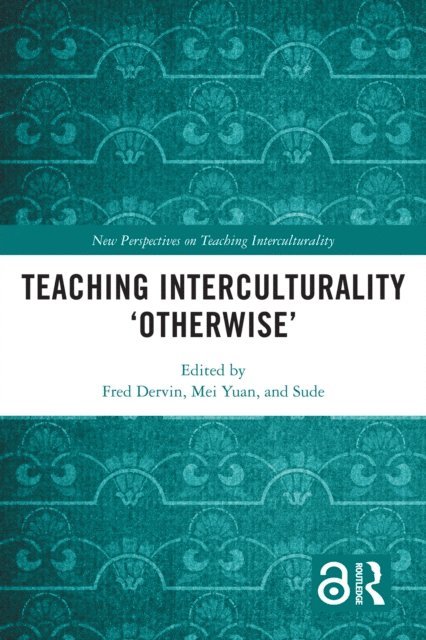
This edited volume focuses on the thorny and somewhat controversial issue of teaching (and learning) interculturality in a way that considers the notion from critical and reflexive perspectives when introduced to students. Comprised of three parts, the book discusses the nuts and bolts of teaching interculturally, considers changes in the teaching of interculturality, and provides pedagogical insights into interculturalising the notion. It studies both teaching im-/explicitly about interculturality and how to incorporate interculturality into teaching practices or into an institution. By sharing varied cases and theoretical reflections on the topic, the editors and contributors from different parts of the world aim to stimulate more initiatives to enrich the field instead of delimiting it, especially in complement to and beyond the ''West'' or ''Global North'', and also to build up further reflexivity in the way readers engage with interculturality in education. This will be a must-read for teachers and researchers of intercultural communication education at different educational levels, as well as anyone interested in scholarship on education for interculturality.
Chapter 3 of this book is freely available as a downloadable Open Access PDF at http://www.taylorfrancis.com under a Creative Commons 4.0 license.
539 kr
Läs direkt efter köp
This edited volume focuses on the thorny and somewhat controversial issue of teaching (and learning) interculturality in a way that considers the notion from critical and reflexive perspectives when introduced to students. Comprised of three parts, the book discusses the nuts and bolts of teaching interculturally, considers changes in the teaching of interculturality, and provides pedagogical insights into interculturalising the notion. It studies both teaching im-/explicitly about interculturality and how to incorporate interculturality into teaching practices or into an institution. By sharing varied cases and theoretical reflections on the topic, the editors and contributors from different parts of the world aim to stimulate more initiatives to enrich the field instead of delimiting it, especially in complement to and beyond the ''West'' or ''Global North'', and also to build up further reflexivity in the way readers engage with interculturality in education. This will be a must-read for teachers and researchers of intercultural communication education at different educational levels, as well as anyone interested in scholarship on education for interculturality.
Chapter 3 of this book is freely available as a downloadable Open Access PDF at http://www.taylorfrancis.com under a Creative Commons 4.0 license.
268 kr
Skickas inom 10-15 vardagar
2 136 kr
Skickas inom 10-15 vardagar
488 kr
Skickas inom 10-15 vardagar
762 kr
Skickas inom 10-15 vardagar
311 kr
Läs direkt efter köp
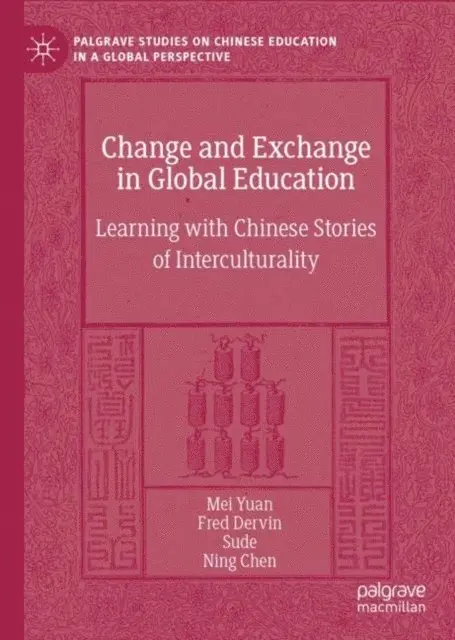
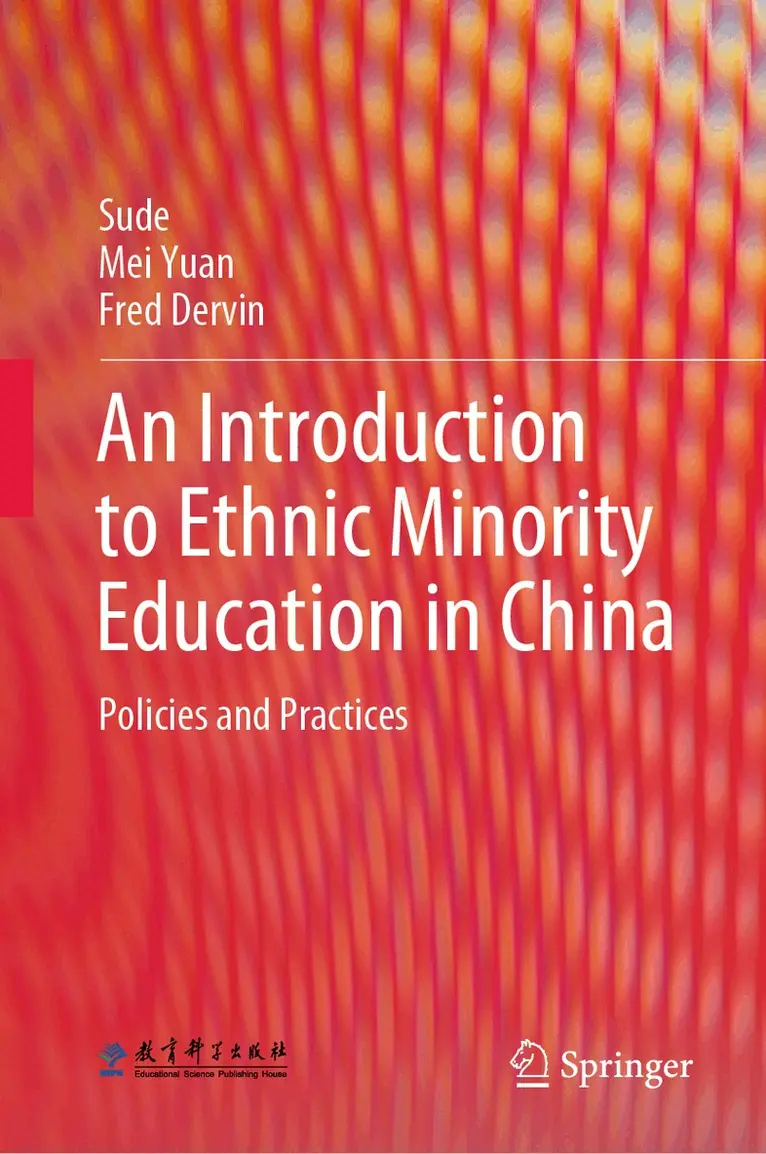
China is often seen as a monolith outside its borders. However, heterogeneity and interculturality have characterized the Middle Kingdom for centuries. Today, China’s take on diversity is too easily disparaged or perceived as ambiguous – as if China was not legitimate to take part in conversations about it.
The authors wish to contribute to global discussions about interculturality in education, which have often been dominated by ‘Western’ voices, by problematizing a very specific Chinese perspective called Minzu (‘ethnic’) education. Minzu is presented as a potential companion to other forms of diversity education (multicultural, intercultural, transcultural, cross-cultural, global education). Without claiming that they have found a miraculous and one-size-fits all recipe, they argue that the lessons learnt from researching various aspects of Minzu in Chinese education can also help students, researchers, educators, and decision-makers unthink and rethink the central issue of interculturality. As such the book introduces the complexity, contradictions and benefits of Minzu while helping the reader consider how compatible and complementary it could be with discussions of interculturality in other parts of the world. The book also aims at making readers observe critically their own contexts.
This book was written with an open mind and it should be read with the same.
300 kr
Läs direkt efter köp
China is often seen as a monolith outside its borders. However, heterogeneity and interculturality have characterized the Middle Kingdom for centuries. Today, China’s take on diversity is too easily disparaged or perceived as ambiguous – as if China was not legitimate to take part in conversations about it.
The authors wish to contribute to global discussions about interculturality in education, which have often been dominated by ‘Western’ voices, by problematizing a very specific Chinese perspective called Minzu (‘ethnic’) education. Minzu is presented as a potential companion to other forms of diversity education (multicultural, intercultural, transcultural, cross-cultural, global education). Without claiming that they have found a miraculous and one-size-fits all recipe, they argue that the lessons learnt from researching various aspects of Minzu in Chinese education can also help students, researchers, educators, and decision-makers unthink and rethink the central issue of interculturality. As such the book introduces the complexity, contradictions and benefits of Minzu while helping the reader consider how compatible and complementary it could be with discussions of interculturality in other parts of the world. The book also aims at making readers observe critically their own contexts.
This book was written with an open mind and it should be read with the same.
224 kr
Skickas inom 5-8 vardagar
1 054 kr
Skickas inom 10-15 vardagar
1 340 kr
Läs direkt efter köp
1 054 kr
Skickas inom 10-15 vardagar
1 472 kr
Skickas inom 10-15 vardagar
1 838 kr
Läs direkt efter köp
1 407 kr
Skickas inom 10-15 vardagar
1 684 kr
Läs direkt efter köp
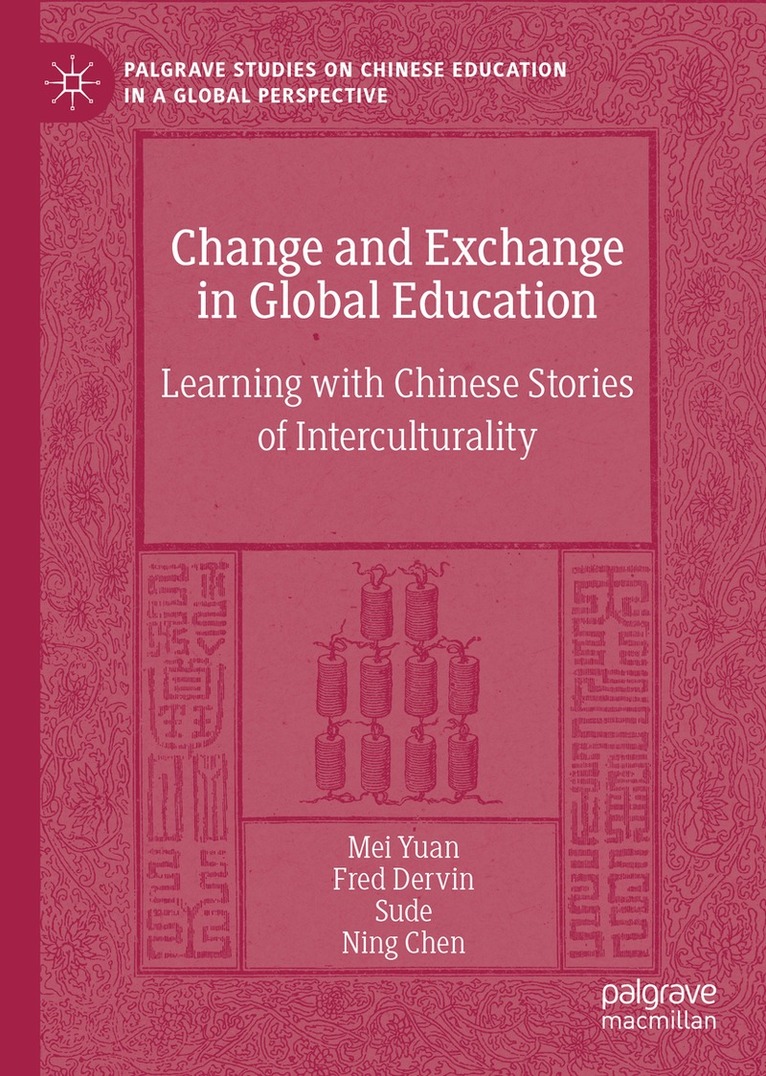
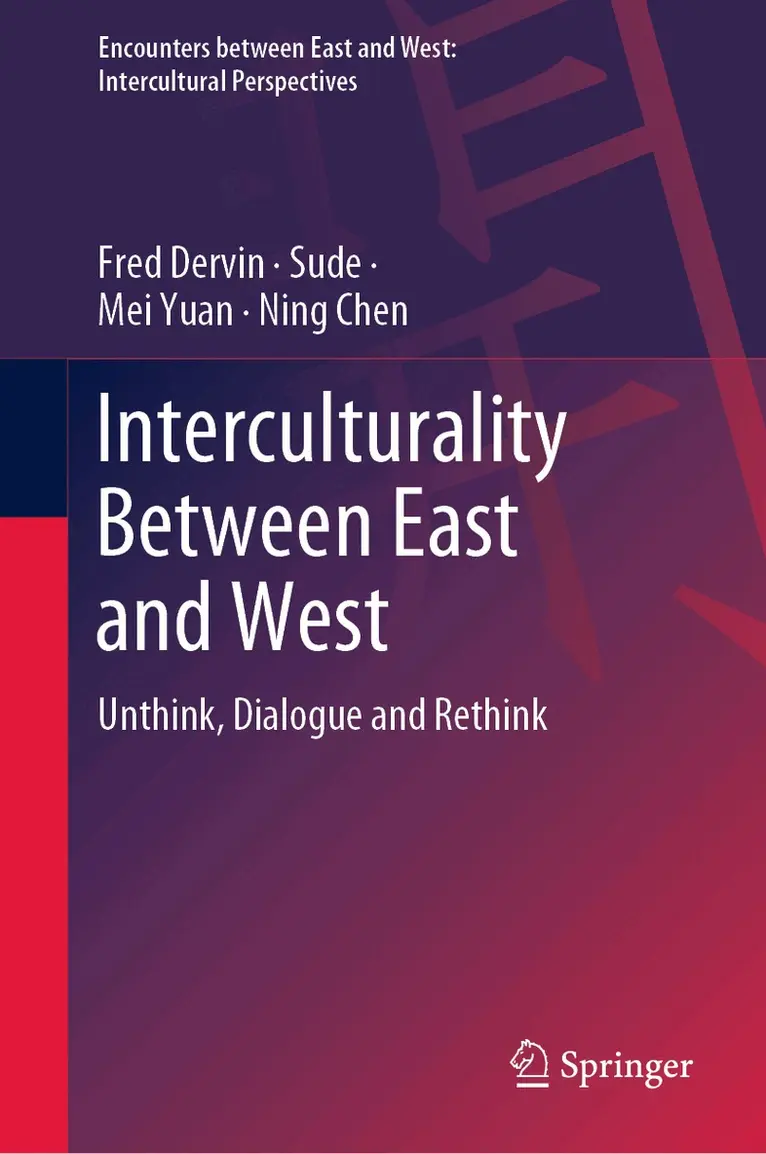
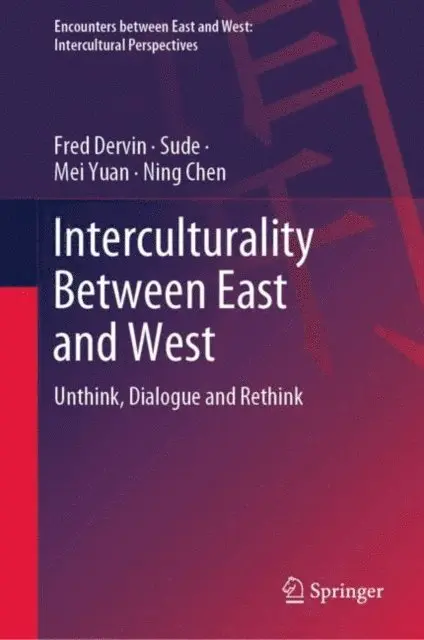
This book urges readers to develop a radical capacity to unthink and rethink interculturality, through multiple, pluri-perspectival and honest dialogues between the authors, and their students. This book does not give interculturality a normative scaffolding but envisages it differently by identifying some of its polyphonic textures. China’s rich engagement with interculturality serves to support the importance of being curious about other ways of thinking about the notion beyond the ‘West’ only. As such, the issues of culture, identity, language, translation, intercultural competence and silent transformations (amongst others) are re-evaluated in a different light. This is a highly informative and carefully presented book, providing scientific insights for readers with an interest in interculturality.
1 407 kr
Skickas inom 10-15 vardagar
530 kr
Skickas inom 10-15 vardagar
692 kr
Läs direkt efter köp