Mel Bunce - Böcker
Visar alla böcker från författaren Mel Bunce. Handla med fri frakt och snabb leverans.
6 produkter
6 produkter
969 kr
Skickas inom 7-10 vardagar
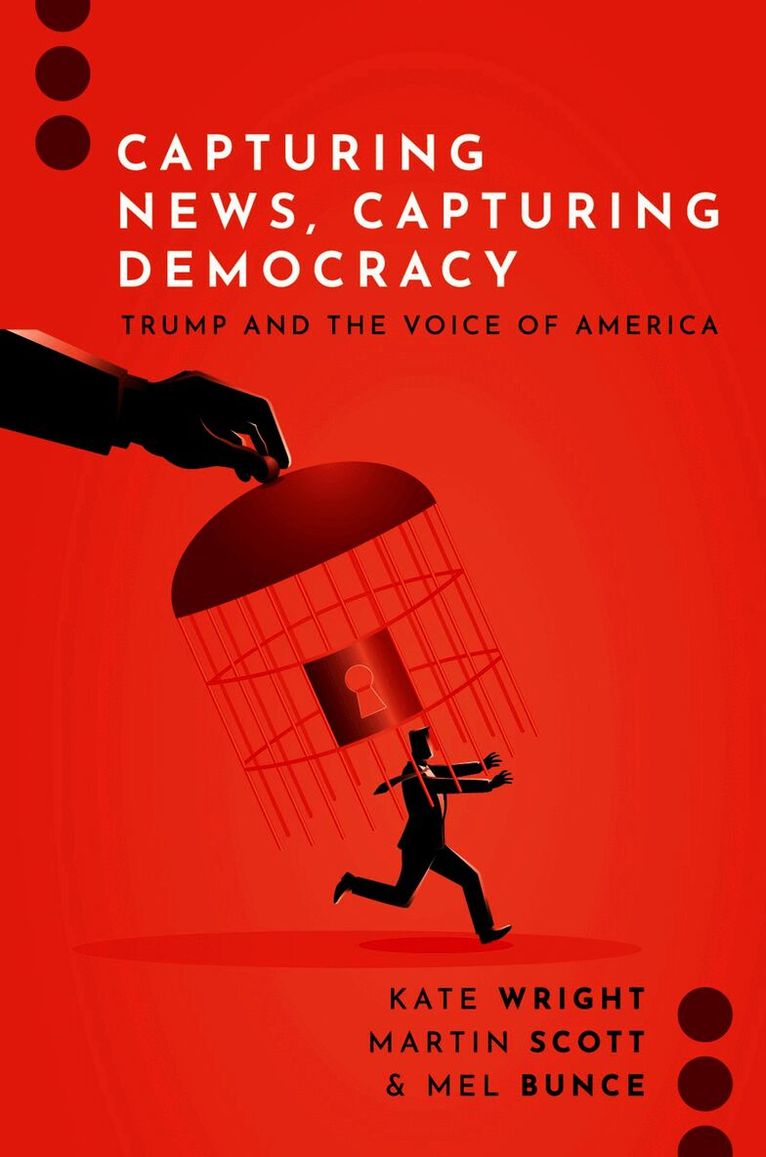
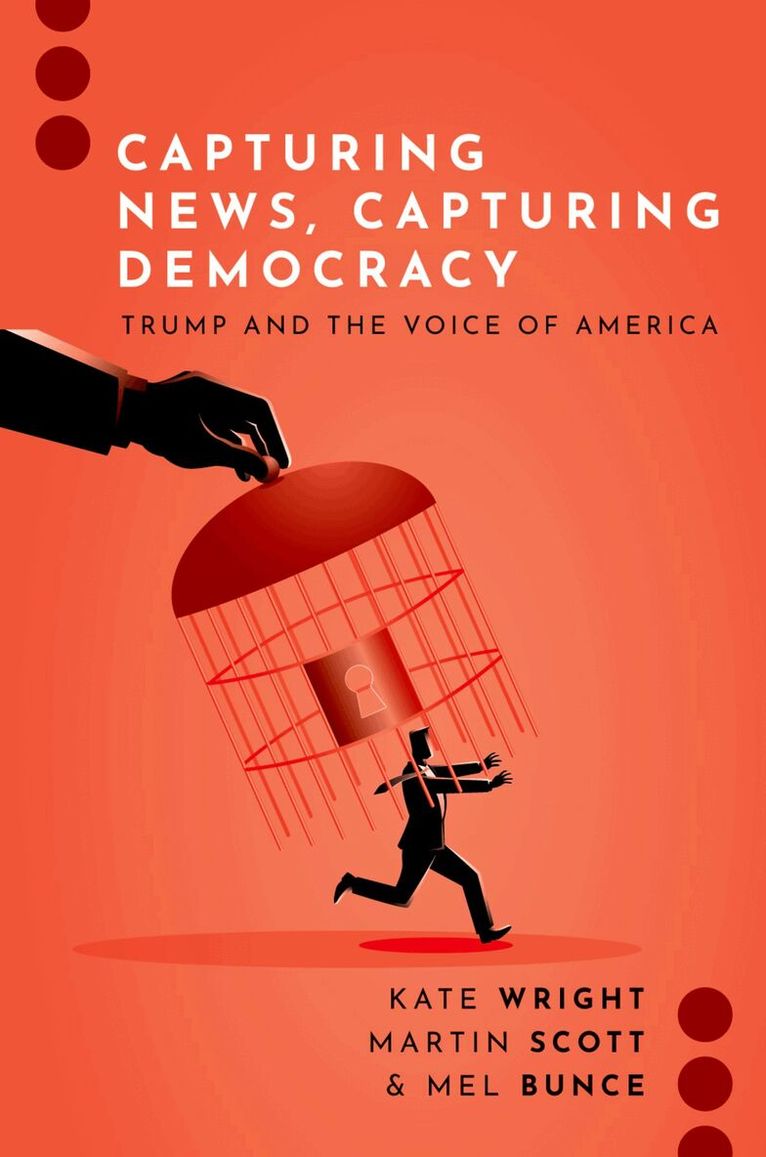
The Voice of America (VOA) is the oldest and largest US government-funded international media organization. In 2020, Donald Trump nominated Michael Pack, a right-wing documentarian and close friend of Steve Bannon, to lead the US Agency for Global Media - the independent federal agency overseeing US-funded international media. During Pack's seven-month tenure, more than 30 whistleblowers filed complaints against him, and a judge ruled that he had infringed journalists' constitutional right to freedom of speech.How did such a major international public service media network become intensely politicized by government allies in such a short time, despite having its editorial independence protected by law?Capturing News, Capturing Democracy puts these events in historical and international context—and develops a new analytical framework for understanding government capture and its connection to broader processes of democratic backsliding. Drawing from in-depth interviews with network managers and journalists, and analysis of private correspondence and internal documents, Kate Wright, Martin Scott, and Mel Bunce analyze how political appointees, White House officials, and right-wing media influenced VOA— changing its reporting of the Black Lives Matter movement and the 2020 presidential election. The authors stress that leaving the VOA unprotected leaves it and other public media open to targeting by authoritarian leadership and poses serious risks to US democracy. Further, they offer practical recommendations for how to protect the network and other international public service media better in the future.
268 kr
Skickas inom 5-8 vardagar
The Voice of America (VOA) is the oldest and largest US government-funded international media organization. In 2020, Donald Trump nominated Michael Pack, a right-wing documentarian and close friend of Steve Bannon, to lead the US Agency for Global Media - the independent federal agency overseeing US-funded international media. During Pack's seven-month tenure, more than thirty whistleblowers filed complaints against him, and a judge ruled that he had infringed journalists' constitutional right to freedom of speech.How did such a major international public service media network become intensely politicized by government allies in such a short time, despite having its editorial independence protected by law?Capturing News, Capturing Democracy puts these events in historical and international context—and develops a new analytical framework for understanding government capture and its connection to broader processes of democratic backsliding. Drawing from in-depth interviews with network managers and journalists, and analysis of private correspondence and internal documents, Kate Wright, Martin Scott, and Mel Bunce analyze how political appointees, White House officials, and right-wing media influenced VOA— changing its reporting of the Black Lives Matter movement and the 2020 presidential election. The authors stress that leaving the VOA unprotected leaves it and other public media open to targeting by authoritarian leadership and poses serious risks to US democracy. Further, they offer practical recommendations for how to protect the network and other international public service media better in the future.
719 kr
Skickas inom 10-15 vardagar
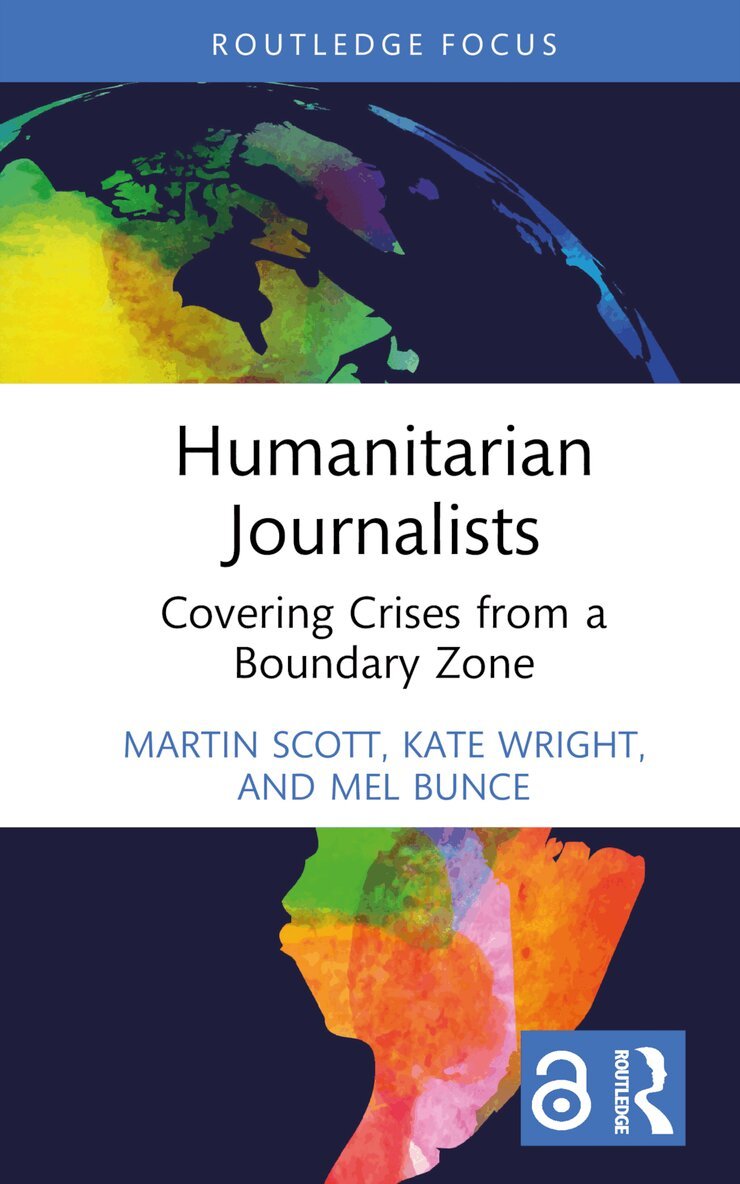
This book documents the unique reporting practices of humanitarian journalists – an influential group of journalists defying conventional approaches to covering humanitarian crises.Based on a 5-year study, involving over 150 in-depth interviews, this book examines the political, economic and social forces that sustain and influence humanitarian journalists. The authors argue that – by amplifying marginalised voices and providing critical, in-depth explanations of neglected crises – these journalists show us that another kind of humanitarian journalism is possible. However, the authors also reveal the heavy price these reporters pay for deviating from conventional journalistic norms. Their peripheral position at the ‘boundary zone’ between the journalistic and humanitarian fields means that a humanitarian journalist’s job is often precarious – with direct implications for their work, especially as ‘watchdogs’ for the aid sector. As a result, they urgently need more support if they are to continue to do this work and promote more effective and accountable humanitarian action.A rigorous study of how unique professional practices can be produced at the ‘boundary zone’ between fields, this book will interest students and scholars of journalism and communication studies, sociology and humanitarian studies. It will also appeal to those interested in studies of news and media work as occupational identities.
300 kr
Skickas inom 10-15 vardagar
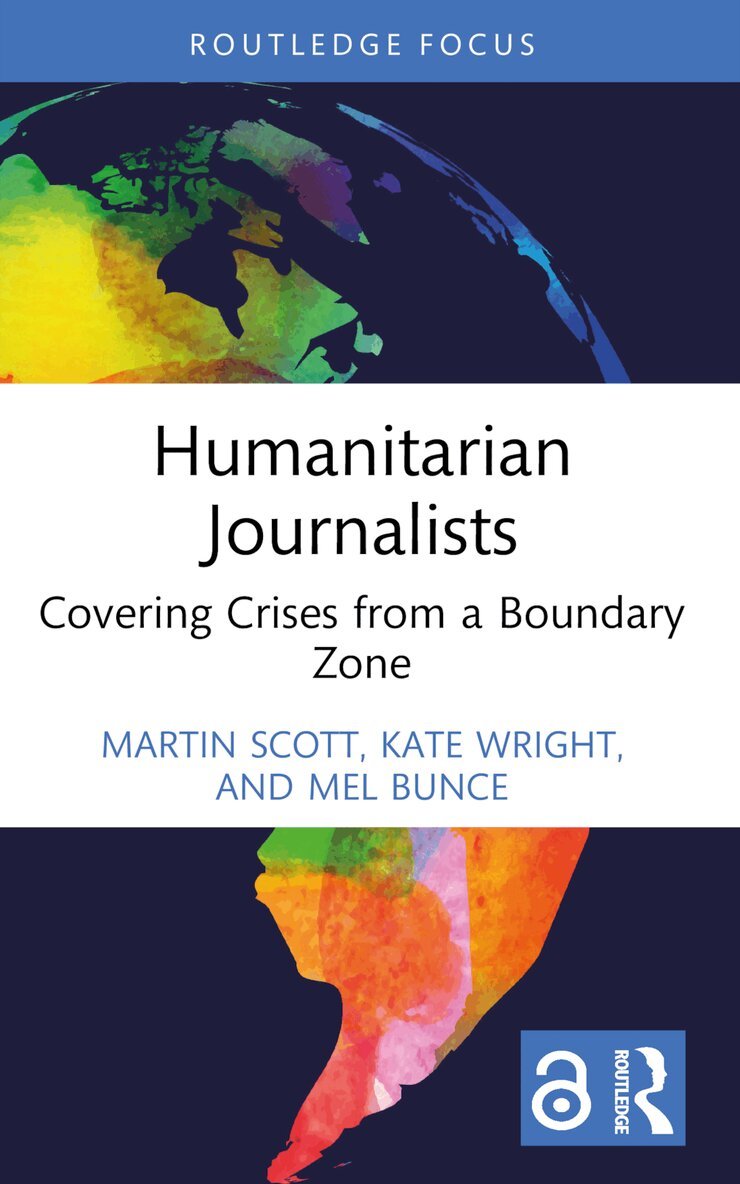
This book documents the unique reporting practices of humanitarian journalists – an influential group of journalists defying conventional approaches to covering humanitarian crises.Based on a 5-year study, involving over 150 in-depth interviews, this book examines the political, economic and social forces that sustain and influence humanitarian journalists. The authors argue that – by amplifying marginalised voices and providing critical, in-depth explanations of neglected crises – these journalists show us that another kind of humanitarian journalism is possible. However, the authors also reveal the heavy price these reporters pay for deviating from conventional journalistic norms. Their peripheral position at the ‘boundary zone’ between the journalistic and humanitarian fields means that a humanitarian journalist’s job is often precarious – with direct implications for their work, especially as ‘watchdogs’ for the aid sector. As a result, they urgently need more support if they are to continue to do this work and promote more effective and accountable humanitarian action.A rigorous study of how unique professional practices can be produced at the ‘boundary zone’ between fields, this book will interest students and scholars of journalism and communication studies, sociology and humanitarian studies. It will also appeal to those interested in studies of news and media work as occupational identities.
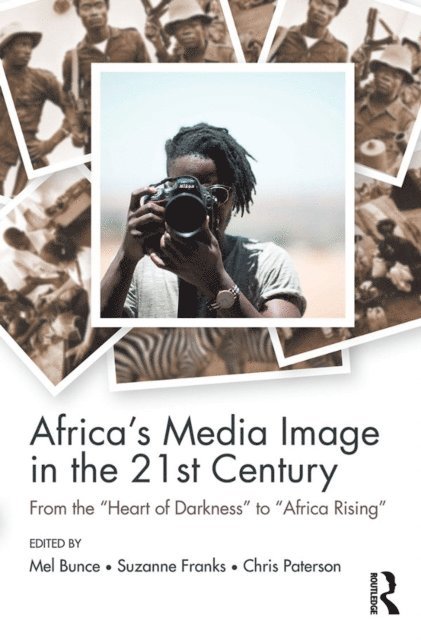
Africa's Media Image in the 21st Century
From the "Heart of Darkness" to "Africa Rising"
Inbunden, Engelska, 2016
2 088 kr
Skickas inom 10-15 vardagar
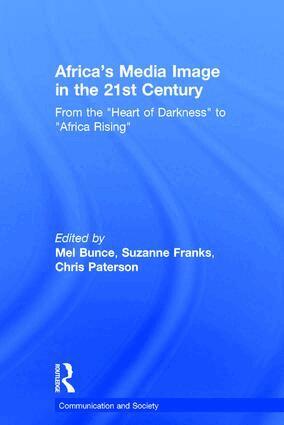
Africa’s Media Image in the 21st Century is the first book in over twenty years to examine the international media’s coverage of sub-Saharan Africa. It brings together leading researchers and prominent journalists to explore representation of the continent, and the production of that image, especially by international news media. The book highlights factors that have transformed the global media system, changing whose perspectives are told and the forms of media that empower new voices.Case studies consider questions such as: how has new media changed whose views are represented? Does Chinese or diaspora media offer alternative perspectives for viewing the continent? How do foreign correspondents interact with their audiences in a social media age? What is the contemporary role of charity groups and PR firms in shaping news content? They also examine how recent high profile events and issues been covered by the international media, from the Ebola crisis, and Boko Haram to debates surrounding the "Africa Rising" narrative and neo-imperialism.The book makes a substantial contribution by moving the academic discussion beyond the traditional critiques of journalistic stereotyping, Afro-pessimism, and ‘darkest Africa’ news coverage. It explores the news outlets, international power dynamics, and technologies that shape and reshape the contemporary image of Africa and Africans in journalism and global culture.
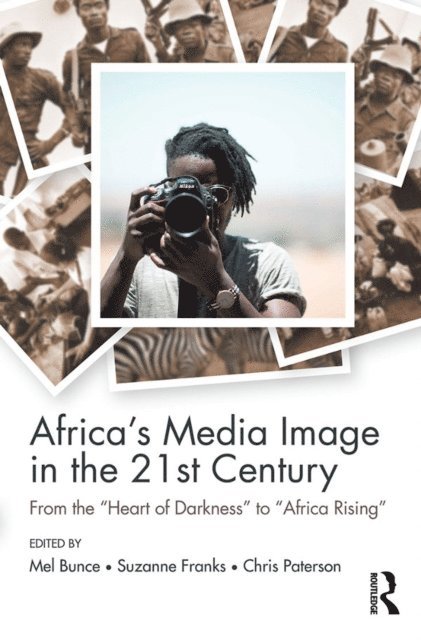
Africa's Media Image in the 21st Century
From the "Heart of Darkness" to "Africa Rising"
Häftad, Engelska, 2016
563 kr
Skickas inom 10-15 vardagar
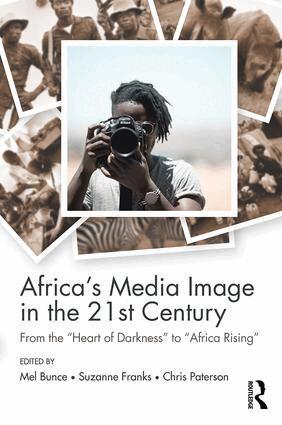
Africa’s Media Image in the 21st Century is the first book in over twenty years to examine the international media’s coverage of sub-Saharan Africa. It brings together leading researchers and prominent journalists to explore representation of the continent, and the production of that image, especially by international news media. The book highlights factors that have transformed the global media system, changing whose perspectives are told and the forms of media that empower new voices.Case studies consider questions such as: how has new media changed whose views are represented? Does Chinese or diaspora media offer alternative perspectives for viewing the continent? How do foreign correspondents interact with their audiences in a social media age? What is the contemporary role of charity groups and PR firms in shaping news content? They also examine how recent high profile events and issues been covered by the international media, from the Ebola crisis, and Boko Haram to debates surrounding the "Africa Rising" narrative and neo-imperialism.The book makes a substantial contribution by moving the academic discussion beyond the traditional critiques of journalistic stereotyping, Afro-pessimism, and ‘darkest Africa’ news coverage. It explores the news outlets, international power dynamics, and technologies that shape and reshape the contemporary image of Africa and Africans in journalism and global culture.