Melissa A. Martinez - Böcker
Visar alla böcker från författaren Melissa A. Martinez. Handla med fri frakt och snabb leverans.
5 produkter
5 produkter
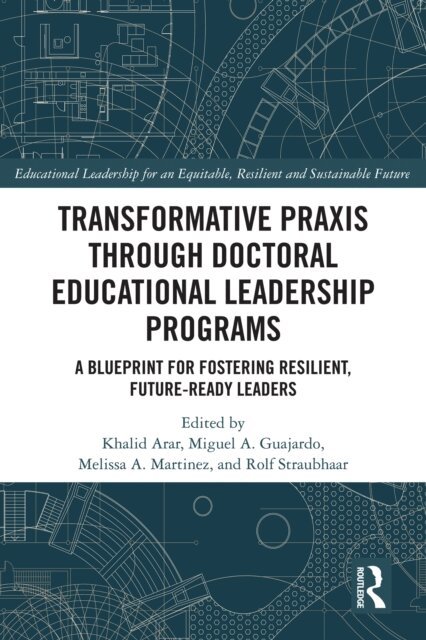
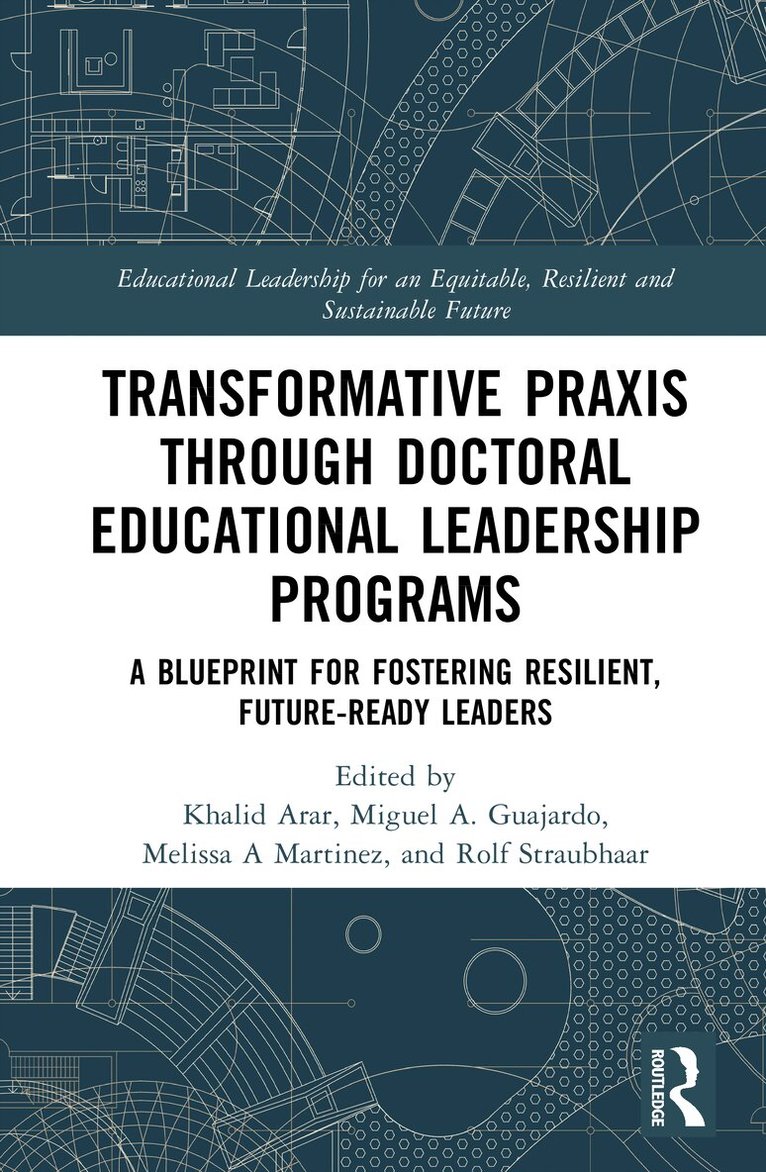
Transformative Praxis through Doctoral Educational Leadership Programs
A Blueprint for Fostering Resilient, Future-ready Leaders
Inbunden, Engelska, 2026
2 053 kr
Kommande
Grounded in community epistemology and scholarship, this edited volume explores how doctoral educational leadership programs can evolve to remain socially responsive and globally relevant amidst a rapidly shifting global landscape, using a specific Educational and Community Leadership (EDCL) program as a case study. Positioning the EDCL program as a living case study, the book explores the intersection between educational leadership and socio-political dynamics. Chapters examine how graduate students navigate contested spaces such as globalization versus localization, democracy versus centralized control, and the impact of neoliberalism in politically unstable environments. Within this paradigm, the book explores a broad range of themes including self-reflexivity and identity formation, community-centred leadership and social justice, and feminist reflections on growth and resistance. In particular, the book examines and further develops several key theories and models that have the potential to significantly enhance the inclusivity and resilience of education systems and community structures. By examining the intersections of leadership, equity, innovation, community engagement, and systemic transformation, this volume offers insights that extend beyond one single institution, serving as both a blueprint and a call to action for shaping future educational leadership development programs worldwide. Ultimately extending theoretical discussions on leadership education beyond institutional boundaries, the book provides a globally relevant framework for understanding leadership in times of transformation. It will therefore be of interest to scholars, researchers, and postgraduate students in the fields of educational leadership strategy.
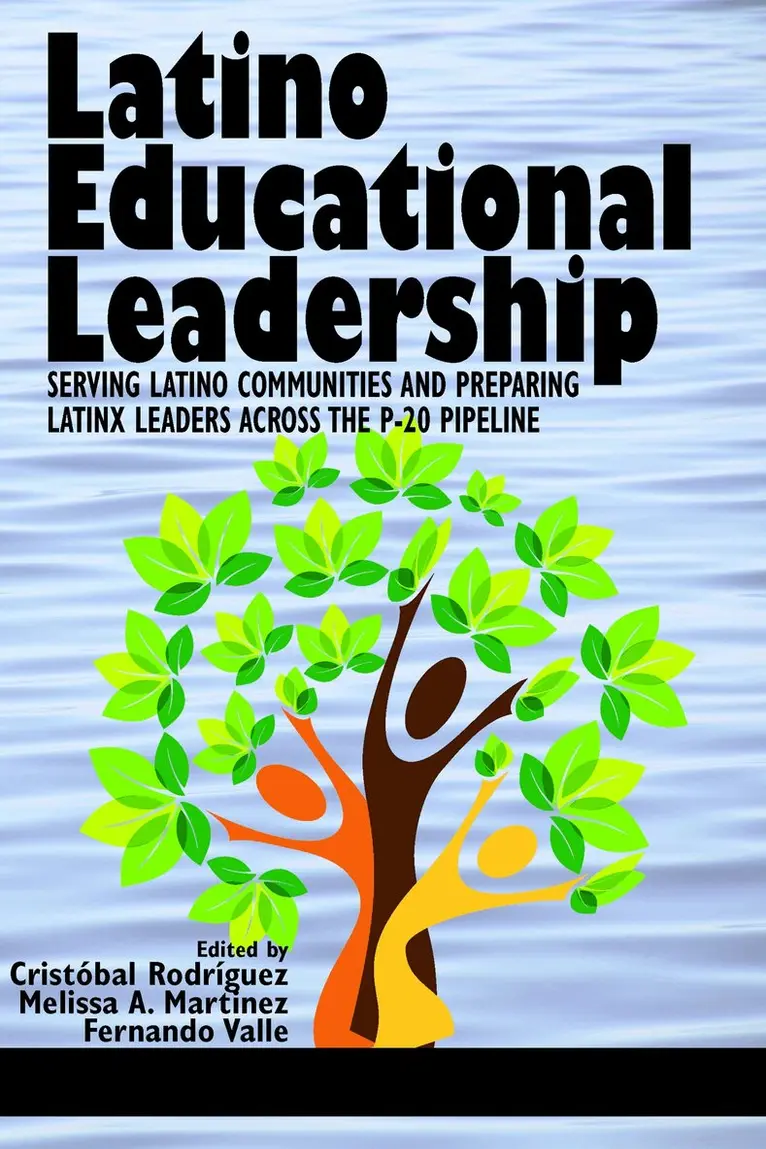
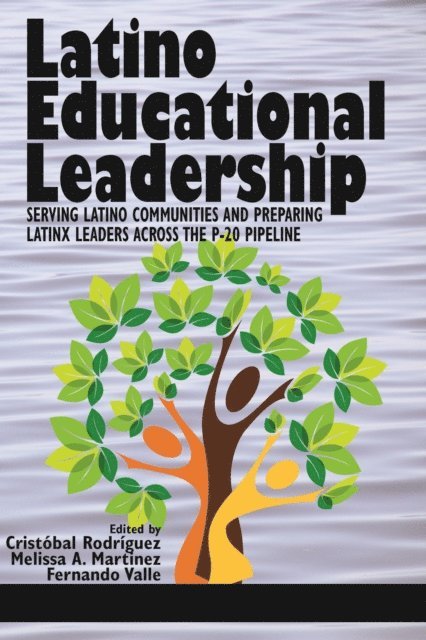
Latino Educational Leadership
Serving Latino Communities and Preparing Latinx Leaders Across the P-20 Pipeline
Häftad, Engelska, 2018
532 kr
Skickas inom 7-10 vardagar
Latino Educational Leadership acknowledges the unique preparation and support for both Latinx educational leaders and Latino communities needed throughout the education and policy pipeline. While leadership in communities exists for educational purposes, this effort focuses on the institutional aspect of Latino Educational Leadership across K-12 schools and university settings. The purpose of this book is to create a greater collaborative focus on Latino Educational Leadership by inviting scholarly contributions and insights from both established and up-and-coming scholars. Latino Educational Leadership also advocates for the preparation of all leaders as well as the preparation of Latinx educational leaders, to serve Latino communities.Our impetus on Latino Educational Leadership primarily stems from the changing demographics of our country. As of Fall 2017, Latinx student enrollment in K-12 schools reached an all-time high, with Latinxs comprising 26.8% of the nation’s public school enrollment. Postsecondary level Latinx student enrollment has also improved; rising from 25% in 2005 to 37% in 2015. Given this growth, particularly at the K-12 level, there has been an increasing urgency to prepare and support more Latinx educational leaders. Their rich cultural and linguistic connections to communities help them more readily understand and meet the needs of Latino students and families.Aside from enrollment growth, Latinxs have made record strides in postsecondary attainment; between 2003-04 and 2013-14, bachelor's degrees more than doubled from 94,644 to 202,412, master's degrees conferred rose from 29,806 to 55,965, and doctoral degrees rose from 5, 795 to 10,665. Despite such promising gains, concern has not waned over how to best address the challenges this diverse student population continues to face in accessing, persisting, and matriculating across the P-20 Pipeline. There is still work to be done, as only 11% of all bachelor’s degrees, 9% of all master’s degrees, and 7% of all doctoral degrees were awarded to Latinxs in 2013-14. In particular, there is increasing urgency to address how higher education institutions can better prepare, develop, and retain Latinx leaders and scholars, who will serve and meet the needs of Latinx college students to ensure their academic success. Thus, the purpose of this book is to advance the knowledge related to serving Latino communities and preparing Latinx leaders.
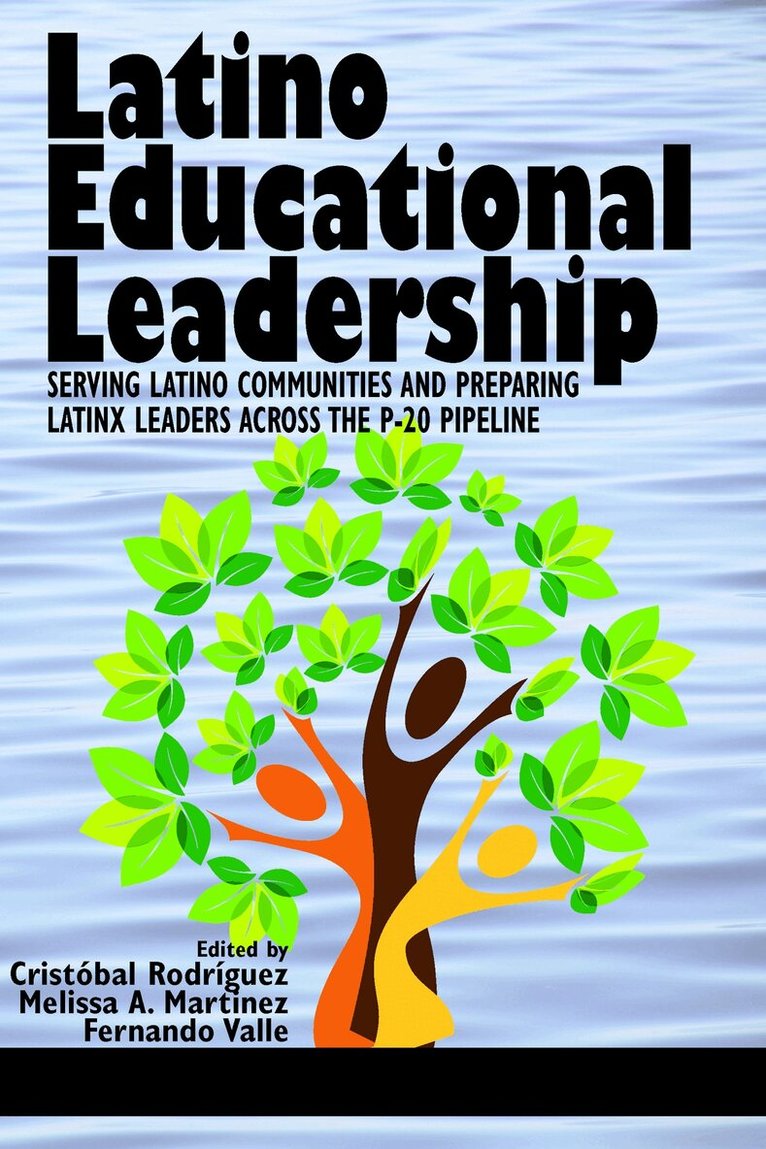
Latino Educational Leadership
Serving Latino Communities and Preparing Latinx Leaders Across the P-20 Pipeline
Inbunden, Engelska, 2018
983 kr
Skickas inom 7-10 vardagar
Latino Educational Leadership acknowledges the unique preparation and support for both Latinx educational leaders and Latino communities needed throughout the education and policy pipeline. While leadership in communities exists for educational purposes, this effort focuses on the institutional aspect of Latino Educational Leadership across K-12 schools and university settings. The purpose of this book is to create a greater collaborative focus on Latino Educational Leadership by inviting scholarly contributions and insights from both established and up-and-coming scholars. Latino Educational Leadership also advocates for the preparation of all leaders as well as the preparation of Latinx educational leaders, to serve Latino communities.Our impetus on Latino Educational Leadership primarily stems from the changing demographics of our country. As of Fall 2017, Latinx student enrollment in K-12 schools reached an all-time high, with Latinxs comprising 26.8% of the nation’s public school enrollment. Postsecondary level Latinx student enrollment has also improved; rising from 25% in 2005 to 37% in 2015. Given this growth, particularly at the K-12 level, there has been an increasing urgency to prepare and support more Latinx educational leaders. Their rich cultural and linguistic connections to communities help them more readily understand and meet the needs of Latino students and families.Aside from enrollment growth, Latinxs have made record strides in postsecondary attainment; between 2003-04 and 2013-14, bachelor's degrees more than doubled from 94,644 to 202,412, master's degrees conferred rose from 29,806 to 55,965, and doctoral degrees rose from 5, 795 to 10,665. Despite such promising gains, concern has not waned over how to best address the challenges this diverse student population continues to face in accessing, persisting, and matriculating across the P-20 Pipeline. There is still work to be done, as only 11% of all bachelor’s degrees, 9% of all master’s degrees, and 7% of all doctoral degrees were awarded to Latinxs in 2013-14. In particular, there is increasing urgency to address how higher education institutions can better prepare, develop, and retain Latinx leaders and scholars, who will serve and meet the needs of Latinx college students to ensure their academic success. Thus, the purpose of this book is to advance the knowledge related to serving Latino communities and preparing Latinx leaders.
517 kr
Skickas inom 7-10 vardagar
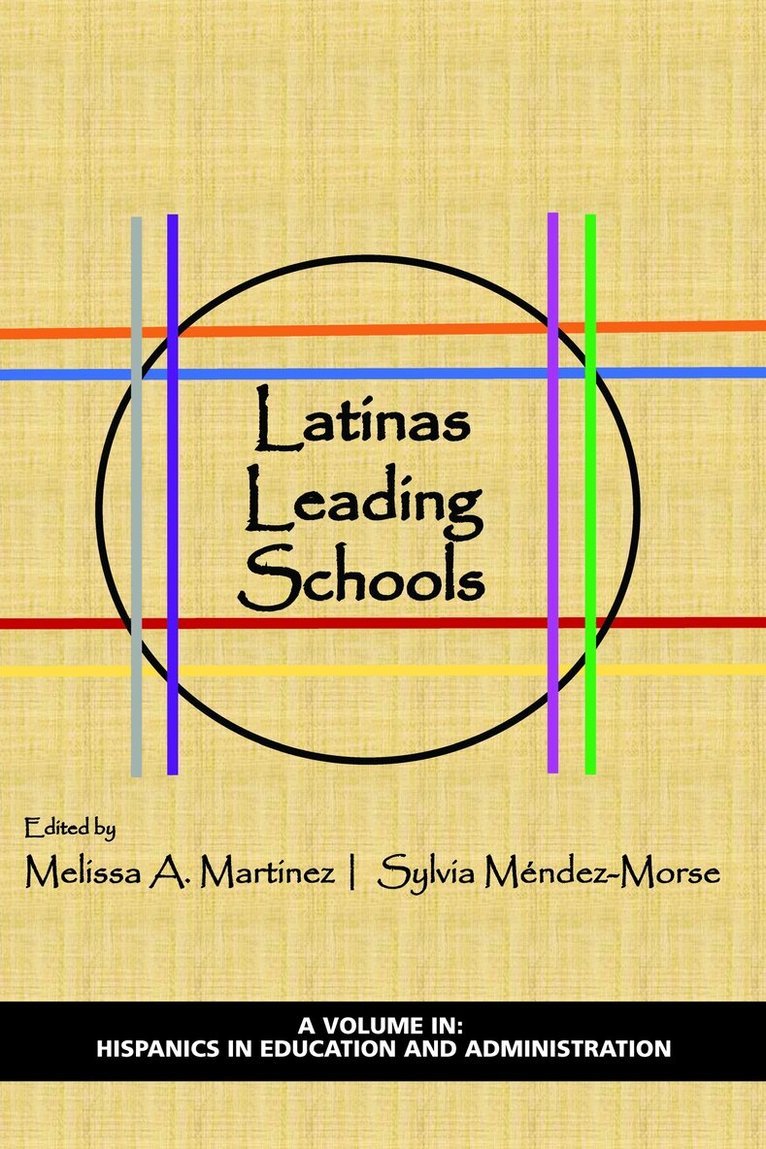
As the first scholarly book of its kind, this edited volume brings together educational leadership scholars and practitioners from across the country whose research focuses on the unique contributions and struggles that Latinas across the diaspora face while leading in schools and districts. The limited though growing scholarship on Latina administrators indicates their assets, particularly those rooted in their sociocultural, linguistic, and racial/ethnic backgrounds, their cultura, are undervalued in research and practice (Hernandez & Murakami, 2016; Martinez, Rivera, & Marquez, 2019; Mendez-Morse, 2000; Mendez-Morse, Murakami, Byrne-Jimenez, & Hernandez, 2015). At the same time, Latina administrators have reported challenges related to: isolation (Hernandez & Murakami, 2016), a lack of mentoring (Mendez-Morse, 2004), resistance from those who expect a more linear, hierarchical form of leadership (Gonzales, Ulloa, & Munoz, 2016), balancing varying professional and personal roles and aspirations (Murakami-Ramalho, 2008), as well as racism, sexism, and ageism (Bagula, 2016; Martinez, Marquez, Cantu, & Rocha, 2016).The impetus for this book is to acknowledge, explore, theorize, and expand our understanding of how Latinas’ success as school and district leaders is informed by such gifts, including their prioritizing of familia and communidad, relationship building, reciprocity, and advocacy, in the face of such challenges. Thus, this volume covers four topical areas: 1) Testimonies and reflections from the field/Testimonios y reflexiones del campo, 2) Leading in relationship, comadrismo, with and for community/Liderazgo en relación, comadrismo, con y para la omunidad, 3) School community leaders(hip)/Lider(azgo) escolar y comunitario 4) Learning from the experiences of others/Aprendiendo de las experiencias de otras.
955 kr
Skickas inom 7-10 vardagar
As the first scholarly book of its kind, this edited volume brings together educational leadership scholars and practitioners from across the country whose research focuses on the unique contributions and struggles that Latinas across the diaspora face while leading in schools and districts. The limited though growing scholarship on Latina administrators indicates their assets, particularly those rooted in their sociocultural, linguistic, and racial/ethnic backgrounds, their cultura, are undervalued in research and practice (Hernandez & Murakami, 2016; Martinez, Rivera, & Marquez, 2019; Mendez-Morse, 2000; Mendez-Morse, Murakami, Byrne-Jimenez, & Hernandez, 2015). At the same time, Latina administrators have reported challenges related to: isolation (Hernandez & Murakami, 2016), a lack of mentoring (Mendez-Morse, 2004), resistance from those who expect a more linear, hierarchical form of leadership (Gonzales, Ulloa, & Munoz, 2016), balancing varying professional and personal roles and aspirations (Murakami-Ramalho, 2008), as well as racism, sexism, and ageism (Bagula, 2016; Martinez, Marquez, Cantu, & Rocha, 2016).The impetus for this book is to acknowledge, explore, theorize, and expand our understanding of how Latinas’ success as school and district leaders is informed by such gifts, including their prioritizing of familia and communidad, relationship building, reciprocity, and advocacy, in the face of such challenges. Thus, this volume covers four topical areas: 1) Testimonies and reflections from the field/Testimonios y reflexiones del campo, 2) Leading in relationship, comadrismo, with and for community/Liderazgo en relación, comadrismo, con y para la omunidad, 3) School community leaders(hip)/Lider(azgo) escolar y comunitario 4) Learning from the experiences of others/Aprendiendo de las experiencias de otras.