Melissa Edmundson – författare
Visar alla böcker från författaren Melissa Edmundson. Handla med fri frakt och snabb leverans.
9 produkter
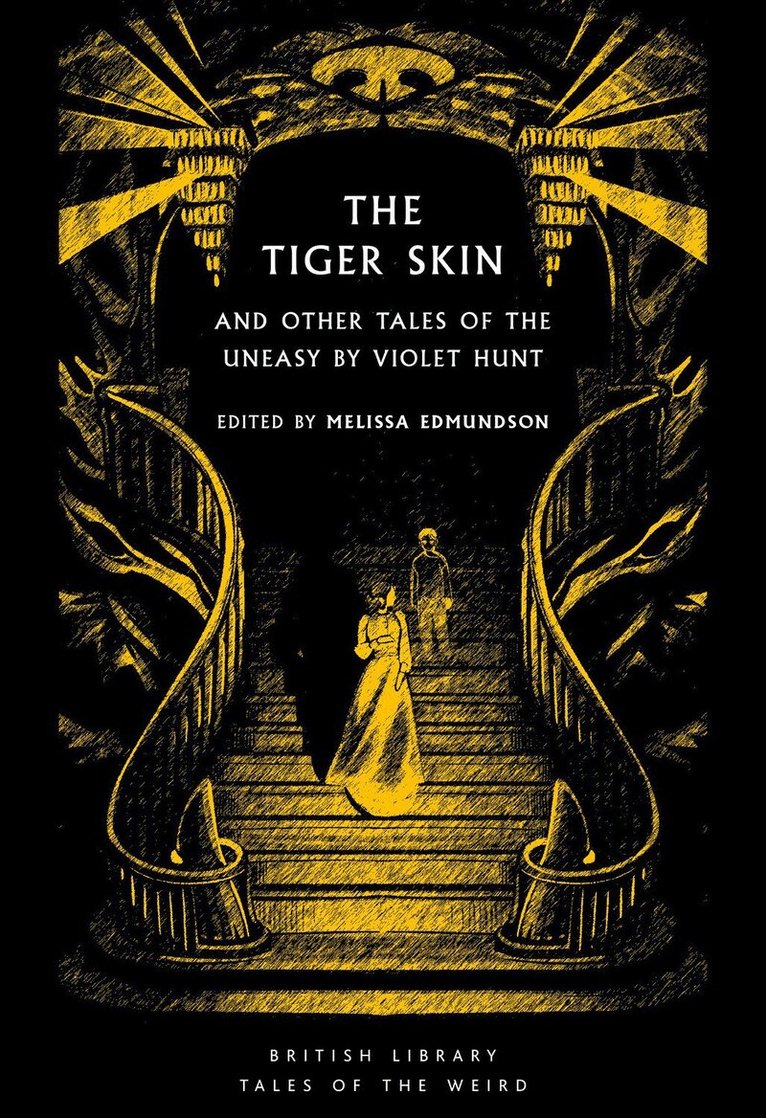
Tiger Skin
And Other Tales of the Uneasy by Violet Hunt
Av Violet Hunt, Melissa Edmundson
Häftad, 2025
142 kr
Lägg i varukorg
A meeting of lost souls in the care of a headless coachman. An obsession with eugenics descends into a cruel madness. In 1911, the British writer, feminist and literary salon hostess Violet Hunt published her groundbreaking first collection of uncanny stories, Tales of the Uneasy, exploring …
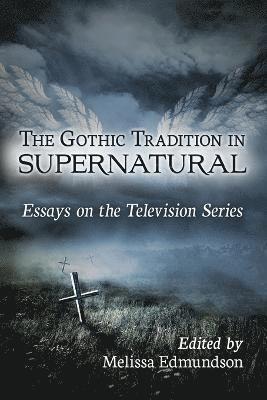
Gothic Tradition in Supernatural
Essays on the Television Series
Häftad, 2016
396 kr
Lägg i varukorg
The CW's long-running series Supernatural follows the adventures of brothers Sam and Dean Winchester as they pursue the "family business" of hunting supernatural beings. Blending monster-of-the-week storylines with the unfolding saga of the brothers' often troubled relationship, the show represents …
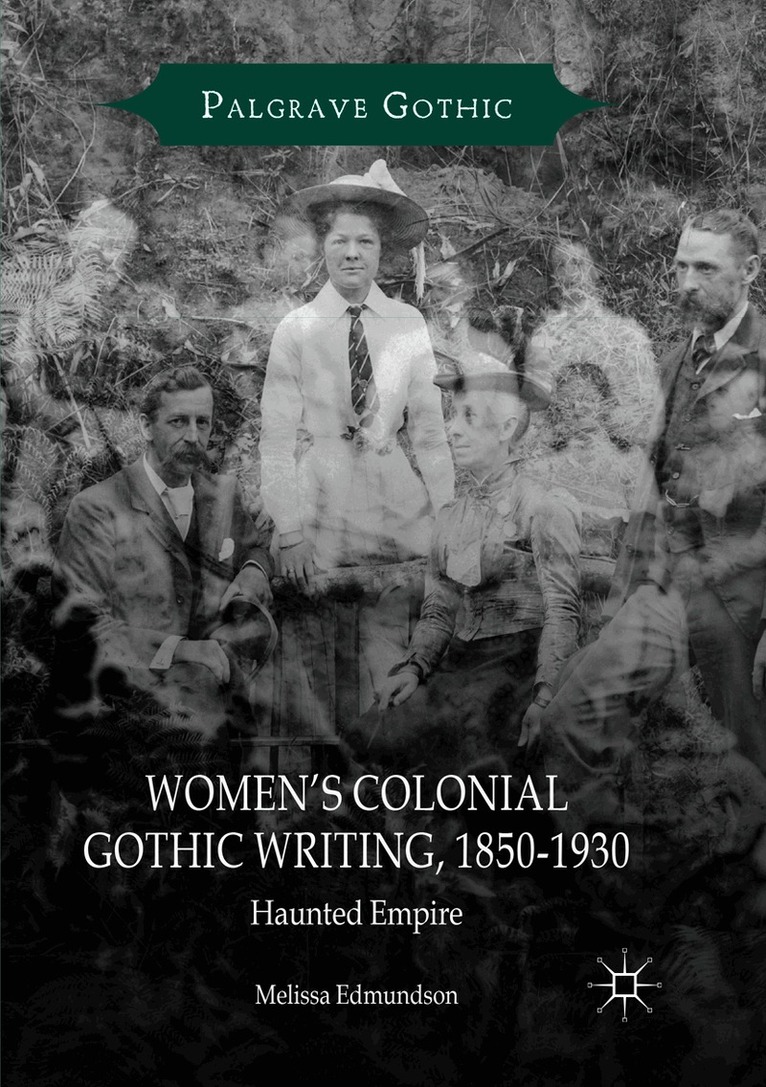
Women’s Colonial Gothic Writing, 1850-1930
Haunted Empire
Häftad, 2019
842 kr
Lägg i varukorg
This book explores women writers’ involvement with the Gothic. The author sheds new light on women’s experience, a viewpoint that remains largely absent from male-authored Colonial Gothic works. The book investigates how women writers appropriated the Gothic genre—and its emphasis on fear, …
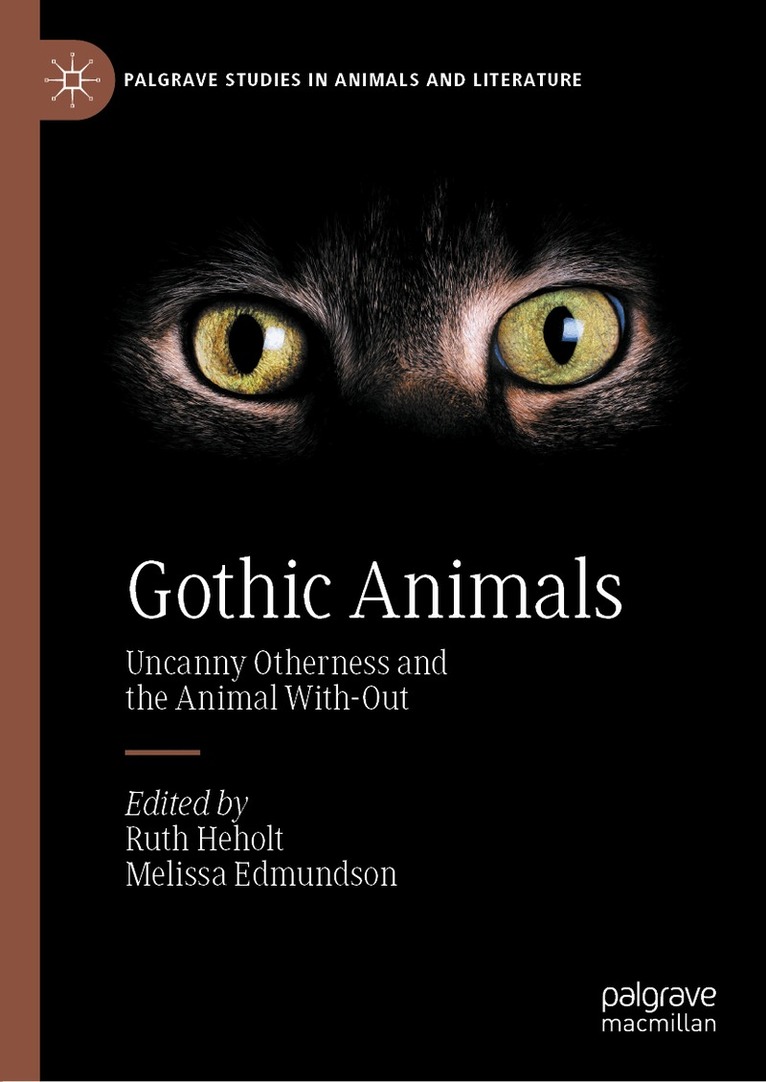
Gothic Animals
Uncanny Otherness and the Animal With-Out
Av Ruth Heholt, Melissa Edmundson
Inbunden, 2020
1557 kr
Lägg i varukorg
This book begins with the assumption that the presence of non-human creatures causes an always-already uncanny rift in human assumptions about reality. Exploring the dark side of animal nature and the ‘otherness’ of animals as viewed by humans, and employing cutting-edge theory on non-human …
Gothic Animals
Uncanny Otherness and the Animal With-Out
Av Melissa Edmundson, Ruth Heholt
E-bok, 2019
1912 kr
Lägg i varukorg
This book begins with the assumption that the presence of non-human creatures causes an always-already uncanny rift in human assumptions about reality. Exploring the dark side of animal nature and the ‘otherness’ of animals as viewed by humans, and employing cutting-edge theory on non-human …
Gothic Animals
Uncanny Otherness and the Animal With-Out
Av Ruth Heholt, Melissa Edmundson
Häftad, 2021
1557 kr
Lägg i varukorg
This book begins with the assumption that the presence of non-human creatures causes an always-already uncanny rift in human assumptions about reality. Exploring the dark side of animal nature and the ‘otherness’ of animals as viewed by humans, and employing cutting-edge theory on non-human …
Women’s Colonial Gothic Writing, 1850-1930
Haunted Empire
Inbunden, 2018
1318 kr
Lägg i varukorg
This book explores women writers’ involvement with the Gothic. The author sheds new light on women’s experience, a viewpoint that remains largely absent from male-authored Colonial Gothic works. The book investigates how women writers appropriated the Gothic genre—and its emphasis on fear, …
Women's Colonial Gothic Writing, 1850-1930
Haunted Empire
E-bok, 2018
1048 kr
Lägg i varukorg
This book explores women writers’ involvement with the Gothic. The author sheds new light on women’s experience, a viewpoint that remains largely absent from male-authored Colonial Gothic works. The book investigates how women writers appropriated the Gothic genre—and its emphasis on fear, …
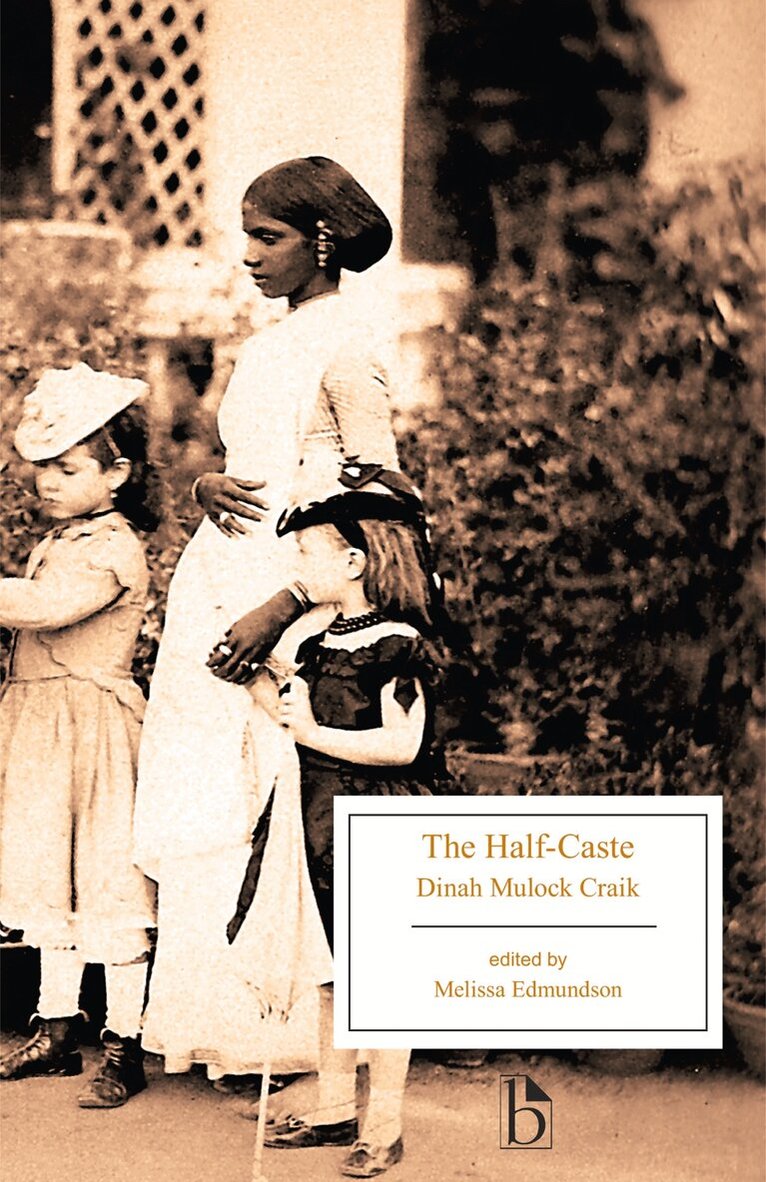
Half-Caste
Av Dinah Mulock Craik, Melissa Edmundson
Häftad, 2016
392 kr
Tillfälligt slut
Dinah Mulock Craik’s The Half-Caste concerns the coming-of-age of its title character, the mixed-race Zillah Le Poer, daughter of an English merchant and an Indian princess. Sent back to England as a young girl, Zillah has no knowledge that she is an heiress. She lives with her uncle Le Poer, his …