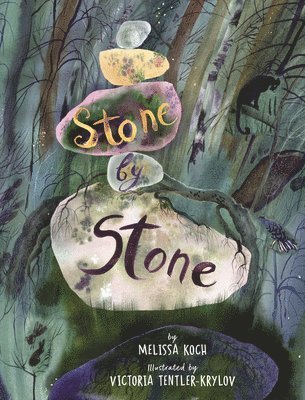
Changed by billions of years and shaped by human hands, the stones that make up our homes, roadways, buildings, and bridges are a part of our story. Earth's story.From ancient cairns to castles, from the Great Wall of China to Maya cities, the stone structures we build tell us who we are, what we value, what we fear, and who we want to be. The story begins deep below the Earth's surface. All those stones start with a rock.Stone by Stone invites readers to consider how geology, engineering, and human history connect. The book opens with a striking and dramatic description of the rock cycle before delving into the many ways humans have used stones across history to rebuild, reconnect, and reimagine our place on Earth.Melissa Koch's lyrical language takes readers on a journey through the world's stone structures, highlighting the human side of science. Victoria Tentler-Krylov's art vibrates with energy, capturing the fire of the earth and the spirit of invention that lives inside all of us.Robust back matter includes more information on the rock cycle, engineering, and stone usage throughout history, as well as a timeline, bibliography, and list of resources.
Teachers, Schools, and Society: A Brief Introduction to Education, 6th Edition, offers a broad, diverse, and stimulating view of education. Written in an engaging, student-friendly style, readers are immersed in an inspiring world of the teacher where current education headlines are brought to life. The text provides broad yet precise exposure to the realities of teaching and the role of education in our society. The text helps to answer important questions such as: Do I want to become a teacher? How do I become the best teacher possible? What should a professional in the field of education know? How are schools and teaching changing? The authors have added key findings from the research on how people learn, how to think critically about information, and how this research translates to the classroom. Focus Questions continue to provide a roadmap to the chapter content. And, McGraw Hill Connect® for Teachers, Schools, and Society is an interactive learning environment where you can access articles, case studies, and videos for each chapter which especially help guide students through a virtual learning environment. Instructors will also appreciate the robust resources available with this text (test bank, media videos, instructor manual, PPTs).
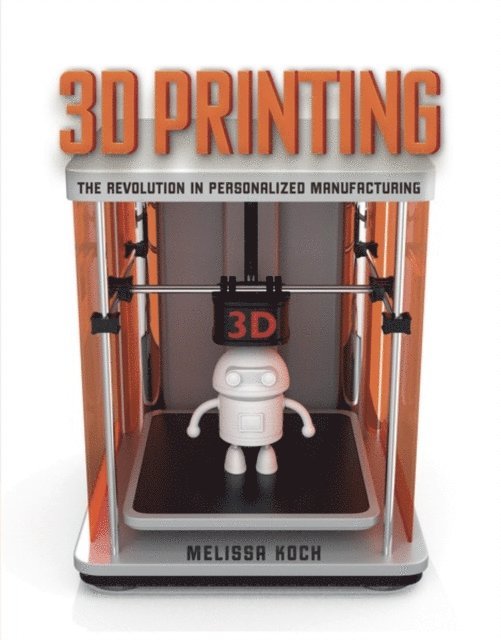
3D printing was once only known through science fiction, such as Star Trek, the popular 1960s TV series. But inventors and engineers on Earth began experimenting in real life with 3D printing to find faster ways to develop and build prototypes, using computers, ultraviolet lasers, and printable materials. Now, there are many innovative uses for 3D printing. Yet 3D printing has drawbacks. Chemicals used in 3D printing can be toxic, and legal experts are not sure how to protect 3D printing inventions so that others do not steal ideas. Learn how 3D printing works and how we can keep up with the safety, health, and legal challenges that lie ahead.
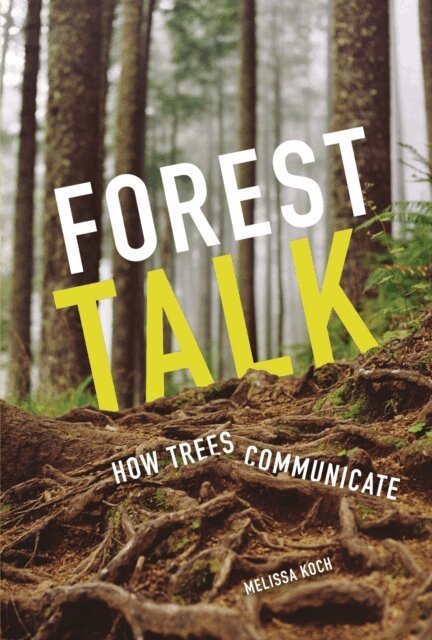
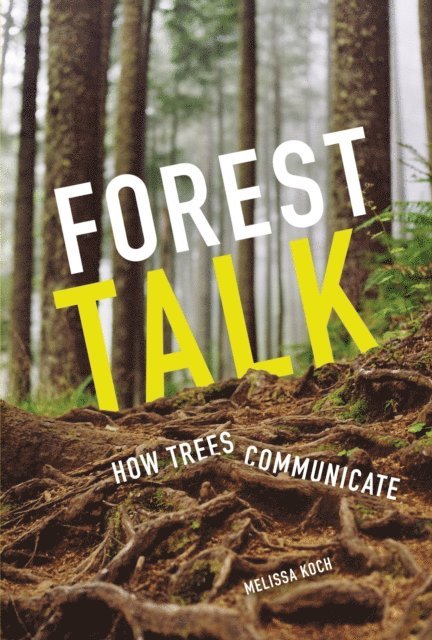
Trees are essential. They provide water, shelter, and food for millions of plant and animal species, including humans. They deliver proven health benefits, and they capture and store carbon, which combats climate change. Yet trees are in trouble. Forests are struggling to adapt to climate change, and deforestation is a major threat.Recently, researchers and citizen scientists made the surprising revelation that trees communicate with each other through an underground system of soil fungi and other methods. Complex social networks help trees survive and thrive by transferring resources to each other, sending defense signals, communicating with their kin, and more. Meet the tree scientists and learn more of their fascinating discoveries.