Melvin J. Oliver – författare
Visar alla böcker från författaren Melvin J. Oliver. Handla med fri frakt och snabb leverans.
6 produkter
6 produkter
E-bok
PDF, Engelska, 20132 049 kr
Läs direkt efter köp
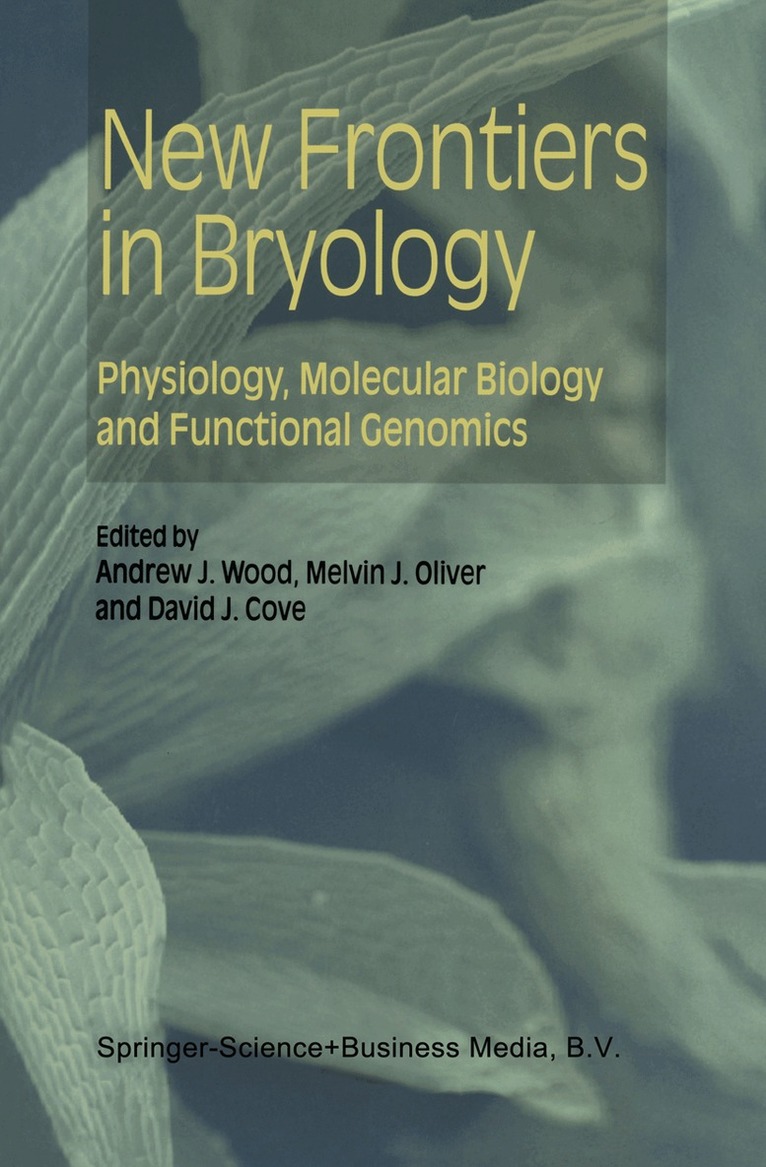
The mosses (Bryophatea, Musci) are a diverse and widely distributed group of land plants. Mosses are attractive experimental plants because they exhibit the traditional attributes of good model systems (Le. ease of growth & maintenance, fast generation time, and amenable genetics) with the added advantage of a haploid gametophyte that allowed developmental mutants to be recovered with relative ease. In addition, mosses with the ability to tolerate extreme environmental conditions offer realistic models for the analysis of environmental stress-tolerance; particularly when compared to tracheophytes such as Arabidopsis thaliana in which these important plant phenotypes are either not clearly expressed or entirely lacking. And, in one of the most exciting developments in Plant Biology, efficient homologous recombination occurs in the moss Physcomitrella patens. The ability to perform efficient homologous recombination (Le. gene knock-outs) in P. patens is at present unique amongst all plants and represents an extremely powerful technique for the functional analysis of many plant genes. Over the past 5 years, a world-wide community of moss researchers has evolved. A highly successful "Moss" conference has been held annually (l998-Mumbai, India; 1999-Carbondale, IL, USA; 2000-Villars, Switzerland; 200l-0kazaki, Japan; 2002-Ambleside, UK; 2003-St. Louis, MO, USA) with "Moss 2004" planned to be held in Frieburg Germany. These conferences have been instrumental in the creation & development of strong collaborative ties, and the free exchange of both ideas and materials.
Inbunden, Engelska, 2012
1 936 kr
Skickas inom 5-8 vardagar
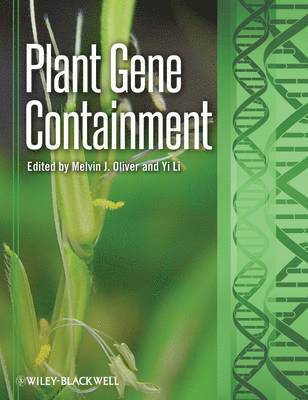
Gene Containment provides a comprehensive look at genetically modified organisms and the strategies and implementation of key methods to gene containment. The book is divided into 5 parts: An Introduction that discusses the need for biotechnology and GMOs, Section 1 looks at the need for gene containment, Part II discusses varying strategies for gene containment, section III explores the assessment of gene containment approaches, and section IV covers the steps involved in implementing gene containment. Gene Containment will provide a thorough and up to date look at gene containment research and the needs for implementing new strategies in this arena.
E-bok
Engelska, 20122 230 kr
Läs direkt efter köp
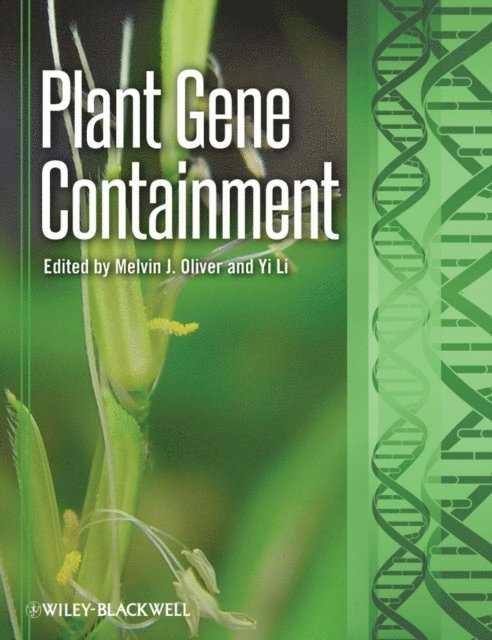
Gene Containment provides a comprehensive look at genetically modified organisms and the strategies and implementation of key methods to gene containment. The book is divided into 5 parts: An Introduction that discusses the need for biotechnology and GMOs, Section 1 looks at the need for gene containment, Part II discusses varying strategies for gene containment, section III explores the assessment of gene containment approaches, and section IV covers the steps involved in implementing gene containment. Gene Containment will provide a thorough and up to date look at gene containment research and the needs for implementing new strategies in this arena.
E-bok
PDF, Engelska, 20122 230 kr
Läs direkt efter köp
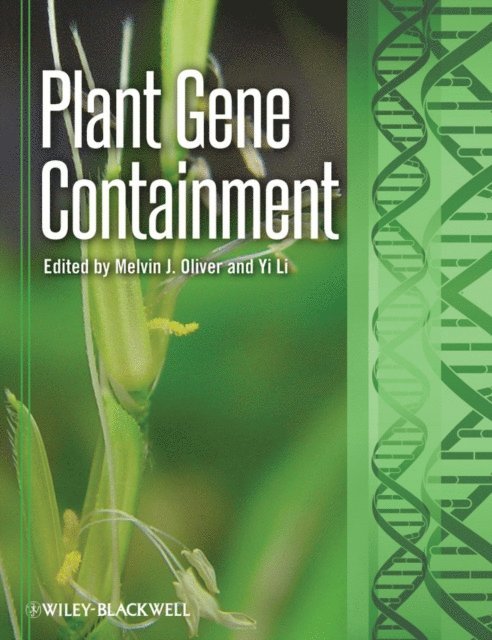
Gene Containment provides a comprehensive look at genetically modified organisms and the strategies and implementation of key methods to gene containment. The book is divided into 5 parts: An Introduction that discusses the need for biotechnology and GMOs, Section 1 looks at the need for gene containment, Part II discusses varying strategies for gene containment, section III explores the assessment of gene containment approaches, and section IV covers the steps involved in implementing gene containment. Gene Containment will provide a thorough and up to date look at gene containment research and the needs for implementing new strategies in this arena.
Inbunden, Engelska, 2004
1 633 kr
Skickas inom 10-15 vardagar
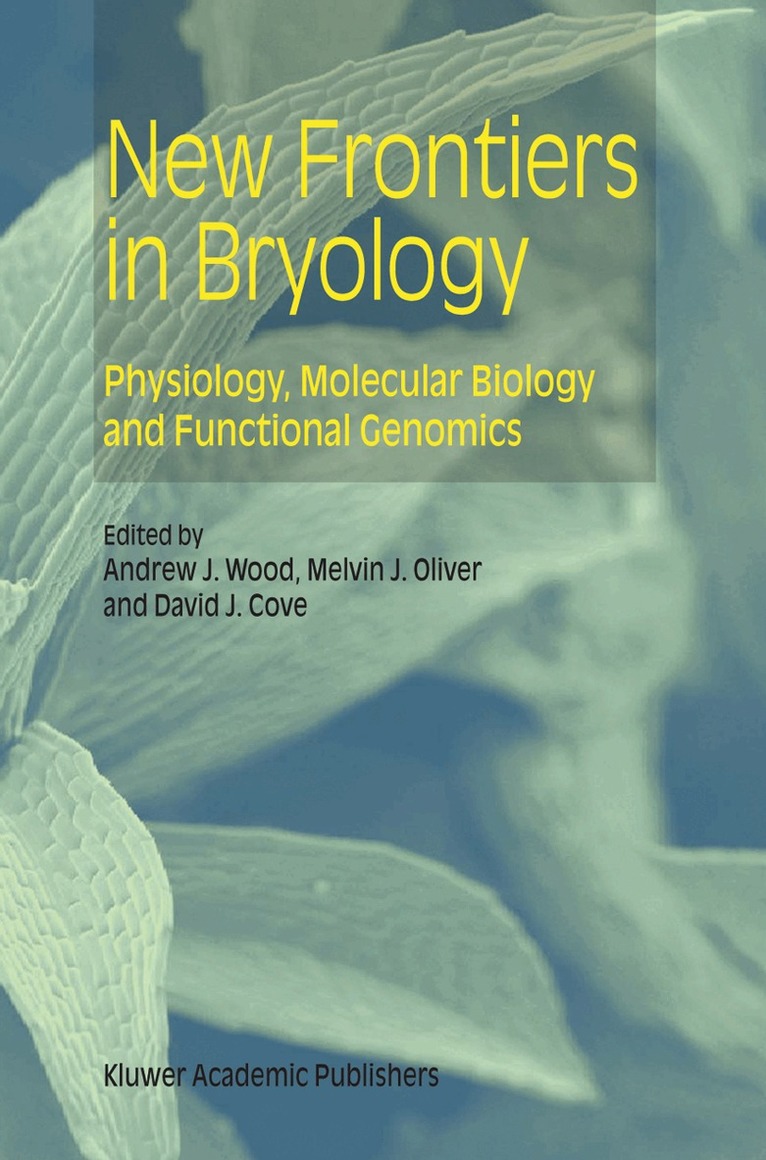
The mosses (Bryophatea, Musci) are a diverse and widely distributed group of land plants. Mosses are attractive experimental plants because they exhibit the traditional attributes of good model systems (Le. ease of growth & maintenance, fast generation time, and amenable genetics) with the added advantage of a haploid gametophyte that allowed developmental mutants to be recovered with relative ease. In addition, mosses with the ability to tolerate extreme environmental conditions offer realistic models for the analysis of environmental stress-tolerance; particularly when compared to tracheophytes such as Arabidopsis thaliana in which these important plant phenotypes are either not clearly expressed or entirely lacking. And, in one of the most exciting developments in Plant Biology, efficient homologous recombination occurs in the moss Physcomitrella patens. The ability to perform efficient homologous recombination (Le. gene knock-outs) in P. patens is at present unique amongst all plants and represents an extremely powerful technique for the functional analysis of many plant genes. Over the past 5 years, a world-wide community of moss researchers has evolved. A highly successful "Moss" conference has been held annually (l998-Mumbai, India; 1999-Carbondale, IL, USA; 2000-Villars, Switzerland; 200l-0kazaki, Japan; 2002-Ambleside, UK; 2003-St. Louis, MO, USA) with "Moss 2004" planned to be held in Frieburg Germany. These conferences have been instrumental in the creation & development of strong collaborative ties, and the free exchange of both ideas and materials.
Häftad, Engelska, 2010
1 633 kr
Skickas inom 10-15 vardagar
The mosses (Bryophatea, Musci) are a diverse and widely distributed group of land plants. Mosses are attractive experimental plants because they exhibit the traditional attributes of good model systems (Le. ease of growth & maintenance, fast generation time, and amenable genetics) with the added advantage of a haploid gametophyte that allowed developmental mutants to be recovered with relative ease. In addition, mosses with the ability to tolerate extreme environmental conditions offer realistic models for the analysis of environmental stress-tolerance; particularly when compared to tracheophytes such as Arabidopsis thaliana in which these important plant phenotypes are either not clearly expressed or entirely lacking. And, in one of the most exciting developments in Plant Biology, efficient homologous recombination occurs in the moss Physcomitrella patens. The ability to perform efficient homologous recombination (Le. gene knock-outs) in P. patens is at present unique amongst all plants and represents an extremely powerful technique for the functional analysis of many plant genes. Over the past 5 years, a world-wide community of moss researchers has evolved. A highly successful "Moss" conference has been held annually (l998-Mumbai, India; 1999-Carbondale, IL, USA; 2000-Villars, Switzerland; 200l-0kazaki, Japan; 2002-Ambleside, UK; 2003-St. Louis, MO, USA) with "Moss 2004" planned to be held in Frieburg Germany. These conferences have been instrumental in the creation & development of strong collaborative ties, and the free exchange of both ideas and materials.