Michael Alexeev – författare
Visar alla böcker från författaren Michael Alexeev. Handla med fri frakt och snabb leverans.
7 produkter
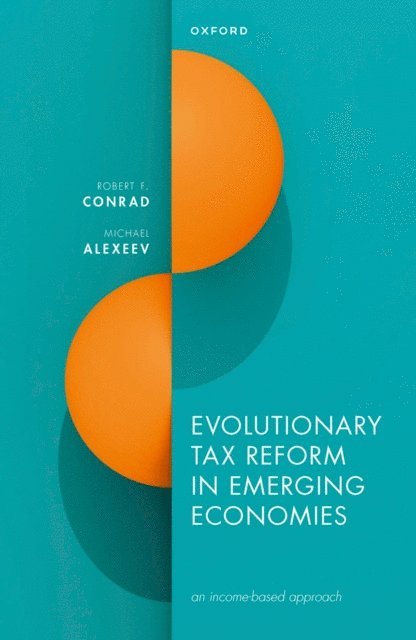
Evolutionary Tax Reform in Emerging Economies
an income-based approach
Av Michael Alexeev, Robert F. Conrad
E-bok, 2024
1548 kr
Lägg i varukorg
Evolutionary Tax Reform in Emerging Economies: an income-based approach provides one approach to tax reform in emerging economies. Conrad describes the context for tax reform in these economies and outlines the “Standard Approach” to tax reform, an approach that is critically evaluated. Emphasis is …
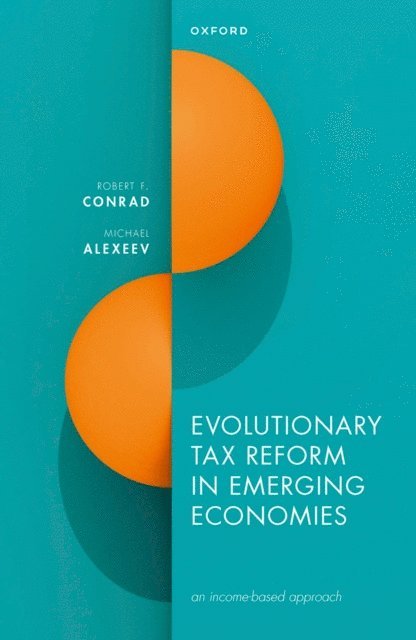
Evolutionary Tax Reform in Emerging Economies
an income-based approach
Av Michael Alexeev, Robert F. Conrad
E-bok, 2024
1548 kr
Lägg i varukorg
Evolutionary Tax Reform in Emerging Economies: an income-based approach provides one approach to tax reform in emerging economies. Conrad describes the context for tax reform in these economies and outlines the “Standard Approach” to tax reform, an approach that is critically evaluated. Emphasis is …
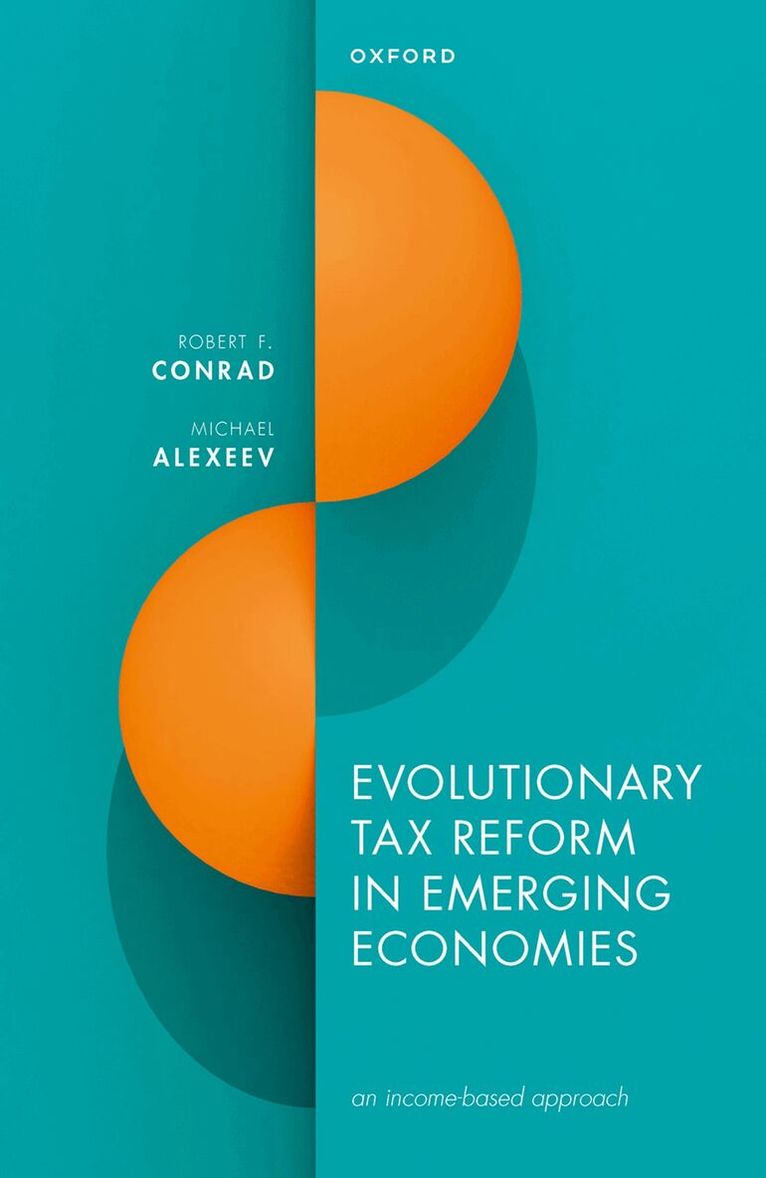
Evolutionary Tax Reform in Emerging Economies
an income-based approach
Av Robert F. Conrad, Michael Alexeev
Inbunden, 2024
1733 kr
Lägg i varukorg
Evolutionary Tax Reform in Emerging Economies: an income-based approach provides one approach to tax reform in emerging economies.Conrad describes the context for tax reform in these economies and outlines the “Standard Approach” to tax reform, an approach that is critically evaluated. Emphasis is …
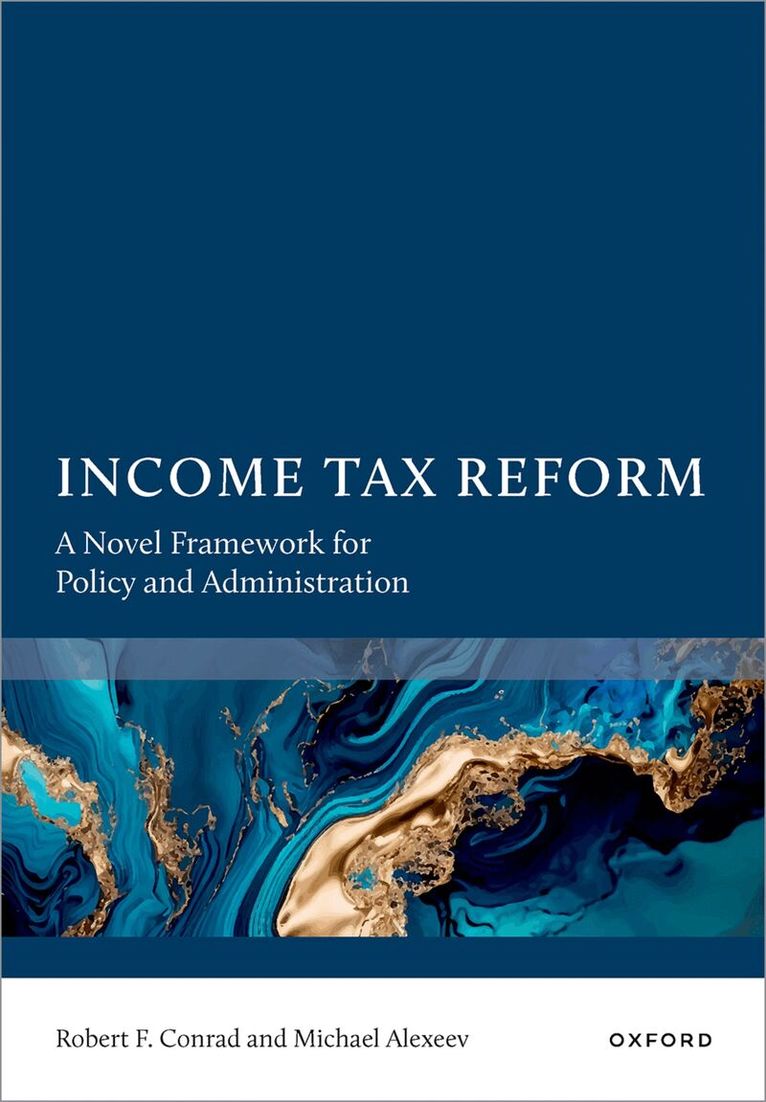
Income Tax Reform
A Novel Framework for Policy and Administration
Av Robert F. Conrad, Michael Alexeev
Inbunden, 2026
1623 kr
Kommande
This manuscript contains one proposal for comprehensive income taxation based on two foundations. First, the proposal reflects our experience working on tax issues in emerging economies. Tax policy in emerging economies must be made within the severe constraints of the economy, including a less …
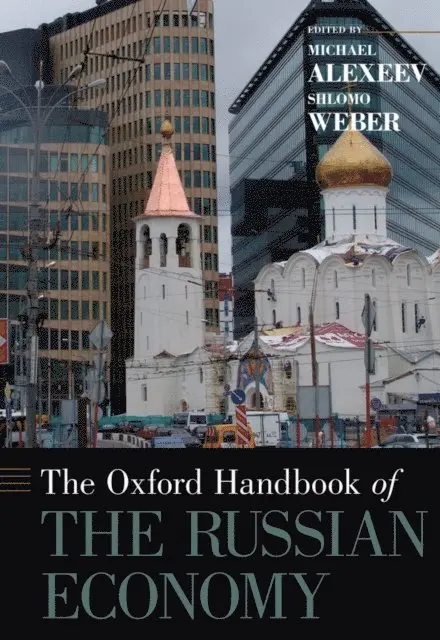
Oxford Handbook of the Russian Economy
Av Shlomo Weber, Michael Alexeev
E-bok, 2013
2512 kr
Lägg i varukorg
By 1999, Russia''s economy was growing at almost 7% per year, and by 2008 reached 11th place in the world GDP rankings. Russia is now the world''s second largest producer and exporter of oil, the largest producer and exporter of natural gas, and as a result has the third largest stock of foreign …
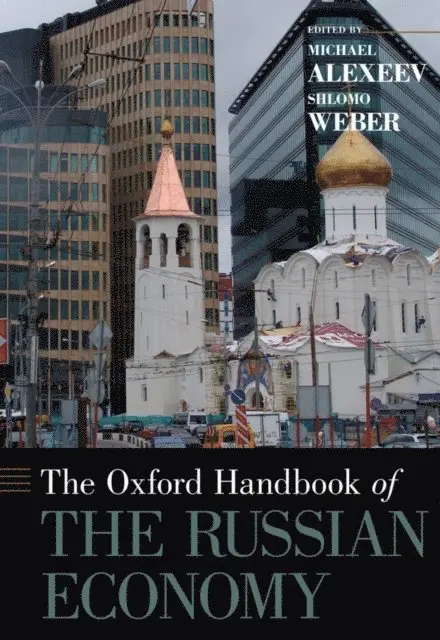
Oxford Handbook of the Russian Economy
Av Shlomo Weber, Michael Alexeev
E-bok, 2013
2512 kr
Lägg i varukorg
By 1999, Russia''s economy was growing at almost 7% per year, and by 2008 reached 11th place in the world GDP rankings. Russia is now the world''s second largest producer and exporter of oil, the largest producer and exporter of natural gas, and as a result has the third largest stock of foreign …
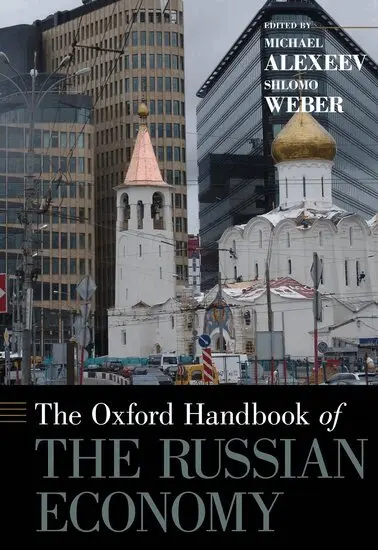
The Oxford Handbook of the Russian Economy
Av Michael Alexeev, Shlomo Weber
Inbunden, 2013
3589 kr
Lägg i varukorg
By 1999, Russia's economy was growing at almost 7% per year, and by 2008 reached 11th place in the world GDP rankings. Russia is now the world's second largest producer and exporter of oil, the largest producer and exporter of natural gas, and as a result has the third largest stock of foreign …