Michael Brookes – författare
Visar alla böcker från författaren Michael Brookes. Handla med fri frakt och snabb leverans.
15 produkter
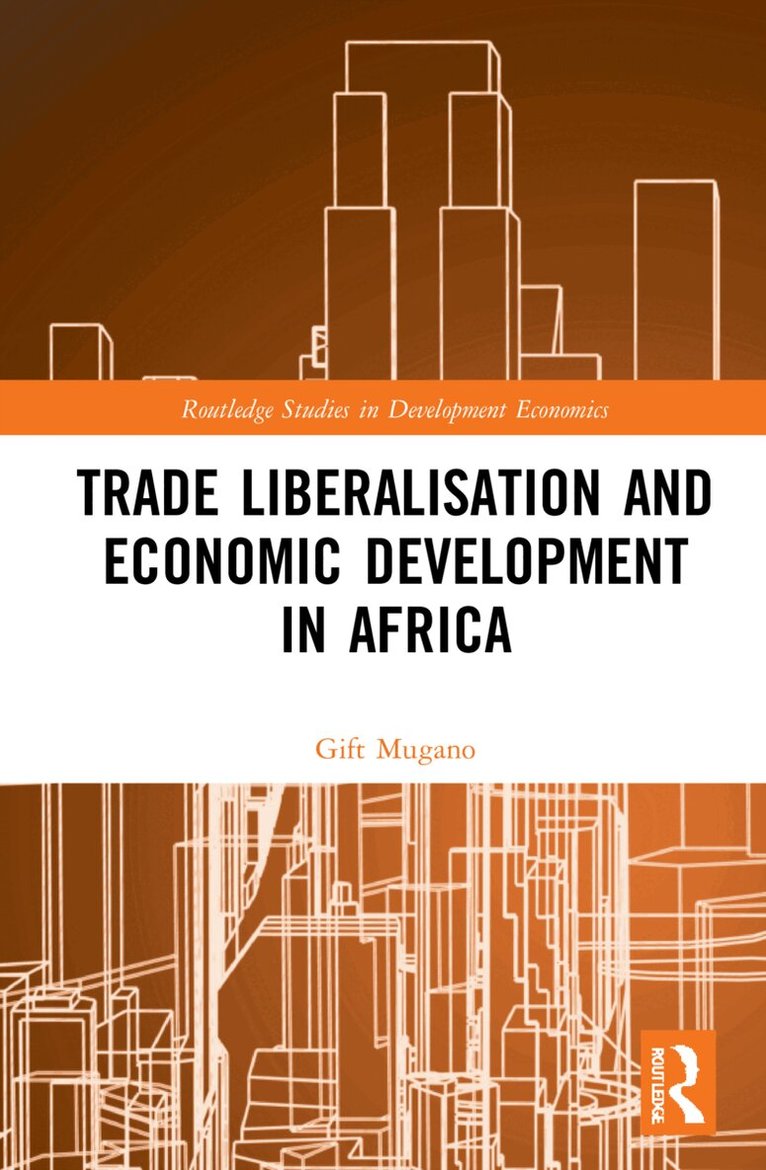
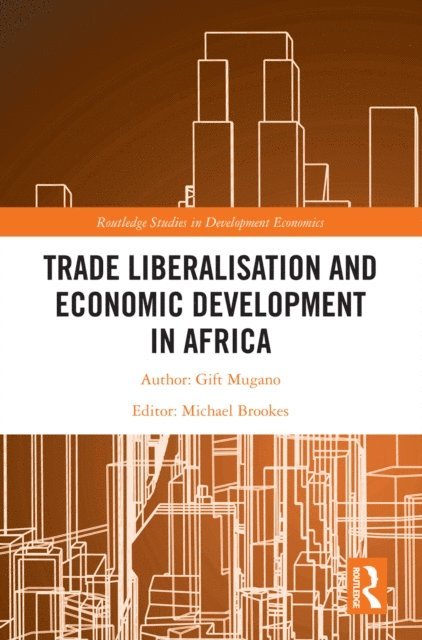
Trade Liberalisation and Economic Development in Africa
Av Gift Mugano, Michael Brookes
Inbunden, 2021
2513 kr
Lägg i varukorg
This book provides a thorough and rigorous discussion on the impact of trade liberalisation on economic development with a special focus on the African continent. The author presents the rationale for trade liberalisation, trade liberalisation frameworks, the trade liberalisation economic …
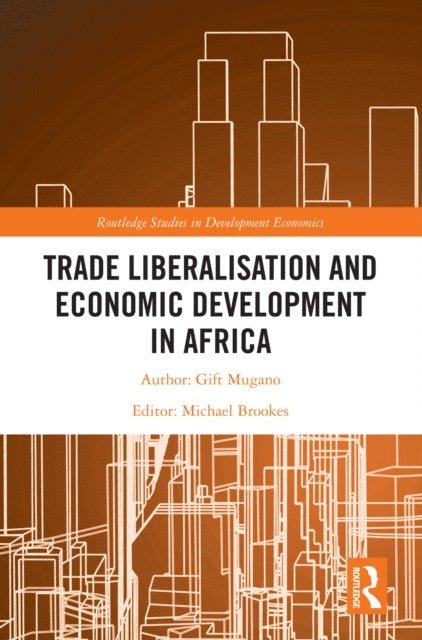
Trade Liberalisation and Economic Development in Africa
Av Gift Mugano, Michael Brookes
Häftad, 2023
574 kr
Lägg i varukorg
This book provides a thorough and rigorous discussion on the impact of trade liberalisation on economic development with a special focus on the African continent. The author presents the rationale for trade liberalisation, trade liberalisation frameworks, the trade liberalisation economic …
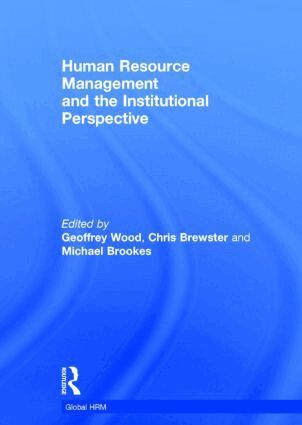
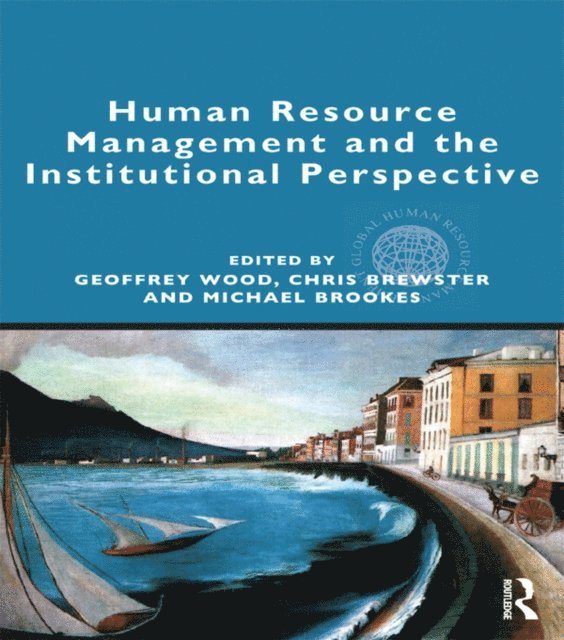
Human Resource Management and the Institutional Perspective
Av Geoffrey Wood, Chris Brewster m. fl.
Inbunden, 2014
2588 kr
Lägg i varukorg
One of the most influential debates across business and management studies has centered on the relative impact of institutions on the fortunes of firms and nations. However, analyses have primarily focused on institutional effects on societal features, rather than actual firm practices. This volume …
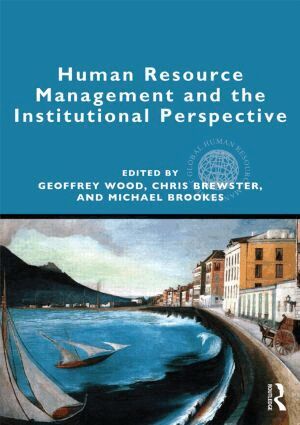
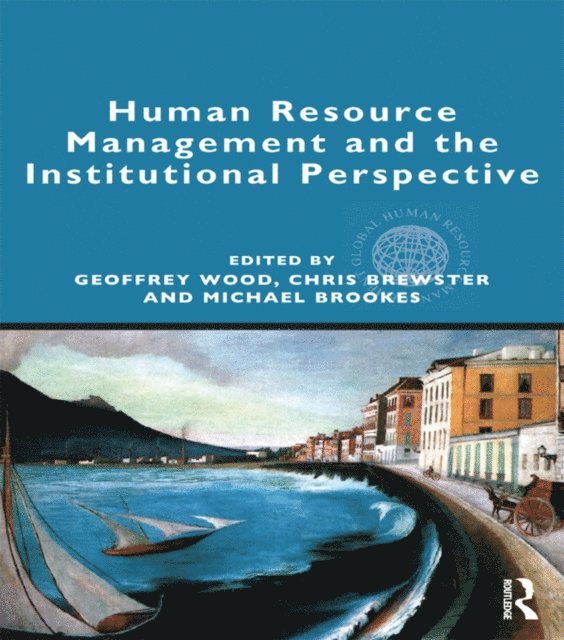
Human Resource Management and the Institutional Perspective
Av Geoffrey Wood, Chris Brewster m. fl.
Häftad, 2014
1252 kr
Lägg i varukorg
One of the most influential debates across business and management studies has centered on the relative impact of institutions on the fortunes of firms and nations. However, analyses have primarily focused on institutional effects on societal features, rather than actual firm practices. This volume …
Trade Liberalisation and Economic Development in Africa
Av Gift Mugano, Michael Brookes
E-bok, 2021
838 kr
Lägg i varukorg
This book provides a thorough and rigorous discussion on the impact of trade liberalisation on economic development with a special focus on the African continent. The author presents the rationale for trade liberalisation, trade liberalisation frameworks, the trade liberalisation economic …
Trade Liberalisation and Economic Development in Africa
Av Gift Mugano, Michael Brookes
E-bok, 2021
820 kr
Lägg i varukorg
This book provides a thorough and rigorous discussion on the impact of trade liberalisation on economic development with a special focus on the African continent. The author presents the rationale for trade liberalisation, trade liberalisation frameworks, the trade liberalisation economic …
Human Resource Management and the Institutional Perspective
Av Michael Brookes, Chris Brewster m. fl.
E-bok, 2014
1480 kr
Lägg i varukorg
One of the most influential debates across business and management studies has centered on the relative impact of institutions on the fortunes of firms and nations. However, analyses have primarily focused on institutional effects on societal features, rather than actual firm practices. This volume …
Human Resource Management and the Institutional Perspective
Av Michael Brookes, Chris Brewster m. fl.
E-bok, 2014
1480 kr
Lägg i varukorg
One of the most influential debates across business and management studies has centered on the relative impact of institutions on the fortunes of firms and nations. However, analyses have primarily focused on institutional effects on societal features, rather than actual firm practices. This volume …
What If
E-bok, 2022
76 kr
Lägg i varukorg
For a large part of my adult life, which is quite a long time, as I could kindly be best described as ‘post retirement’, I have felt, in fact known, that I needed to write a book. This may be something that is quite common to many of us, which is perfectly understandable to me, because I believe we …