Michael H. Shank – författare
Visar alla böcker från författaren Michael H. Shank. Handla med fri frakt och snabb leverans.
10 produkter
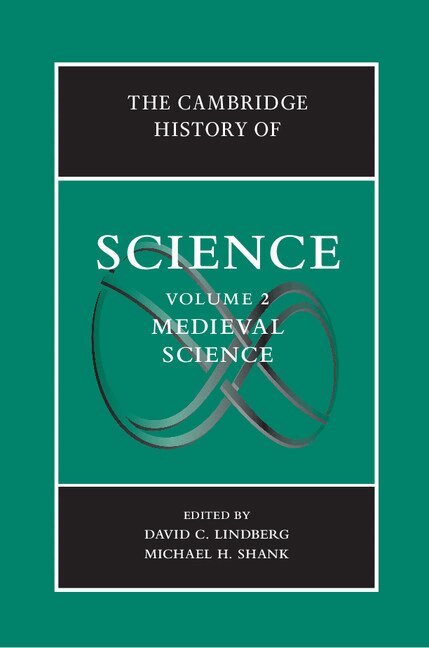
The Cambridge History of Science: Volume 2, Medieval Science
Av David C. Lindberg, Michael H. Shank m. fl.
Inbunden, 2013
2720 kr
Lägg i varukorg
This volume in the highly respected Cambridge History of Science series is devoted to the history of science in the Middle Ages from the North Atlantic to the Indus Valley. Medieval science was once universally dismissed as non-existent - and sometimes it still is. This volume reveals the diversity …
Cambridge History of Science: Volume 2, Medieval Science
Av Michael H. Shank, David C. Lindberg
E-bok, 2013
652 kr
Lägg i varukorg
This volume in the highly respected Cambridge History of Science series is devoted to the history of science in the Middle Ages from the North Atlantic to the Indus Valley. Medieval science was once universally dismissed as non-existent - and sometimes it still is. This volume reveals the diversity …
Wrestling with Nature
From Omens to Science
Av Peter Harrison, Ronald Numbers m. fl.
Inbunden, 2011
1088 kr
Lägg i varukorg
When and where did science begin? Historians have offered different answers to these questions, some pointing to Babylonian observational astronomy, some to the speculations of natural philosophers of ancient Greece. Others have opted for early modern Europe, which saw the triumph of Copernicanism …
Wrestling with Nature – From Omens to Science
Av Peter Harrison, Ronald Numbers m. fl.
Häftad, 2011
424 kr
Lägg i varukorg
When and where did science begin? Historians have offered different answers to these questions, some pointing to Babylonian observational astronomy, some to the speculations of natural philosophers of ancient Greece. Others have opted for early modern Europe, which saw the triumph of Copernicanism …
Wrestling with Nature
From Omens to Science
Av Michael H. Shank, Ronald L. Numbers m. fl.
E-bok, 2011
956 kr
Lägg i varukorg
When and where did science begin? Historians have offered different answers to these questions, some pointing to Babylonian observational astronomy, some to the speculations of natural philosophers of ancient Greece. Others have opted for early modern Europe, which saw the triumph of Copernicanism …
Unless You Believe, You Shall Not Understand
Logic, University, and Society in Late Medieval Vienna
Häftad, 2014
867 kr
Lägg i varukorg
Founded in 1365, not long after the Great Plague ravaged Europe, the University of Vienna was revitalized in 1384 by prominent theologians displaced from Paris--among them Henry of Langenstein. Beginning with the 1384 revival, Michael Shank explores the history of the university and its ties with …
Unless You Believe, You Shall Not Understand
Logic, University, and Society in Late Medieval Vienna
Inbunden, 2016
1901 kr
Lägg i varukorg
Founded in 1365, not long after the Great Plague ravaged Europe, the University of Vienna was revitalized in 1384 by prominent theologians displaced from Paris--among them Henry of Langenstein. Beginning with the 1384 revival, Michael Shank explores the history of the university and its ties with …
The Cambridge History of Science: Volume 2, Medieval Science
Av David C. Lindberg, Michael H. Shank
Häftad, 2015
653 kr
Lägg i varukorg
This volume in the highly respected Cambridge History of Science series is devoted to the history of science in the Middle Ages from the North Atlantic to the Indus Valley. Medieval science was once universally dismissed as non-existent - and sometimes it still is. This volume reveals the diversity …
Cambridge History of Science: Volume 2, Medieval Science
Av Michael H. Shank, David C. Lindberg
E-bok, 2013
652 kr
Lägg i varukorg
This volume in the highly respected Cambridge History of Science series is devoted to the history of science in the Middle Ages from the North Atlantic to the Indus Valley. Medieval science was once universally dismissed as non-existent - and sometimes it still is. This volume reveals the diversity …
Unless You Believe, You Shall Not Understand
Logic, University, and Society in Late Medieval Vienna
E-bok, 2014
642 kr
Lägg i varukorg
Founded in 1365, not long after the Great Plague ravaged Europe, the University of Vienna was revitalized in 1384 by prominent theologians displaced from Paris--among them Henry of Langenstein. Beginning with the 1384 revival, Michael Shank explores the history of the university and its ties with …