Michael H. Thaut – författare
Visar alla böcker från författaren Michael H. Thaut. Handla med fri frakt och snabb leverans.
6 produkter
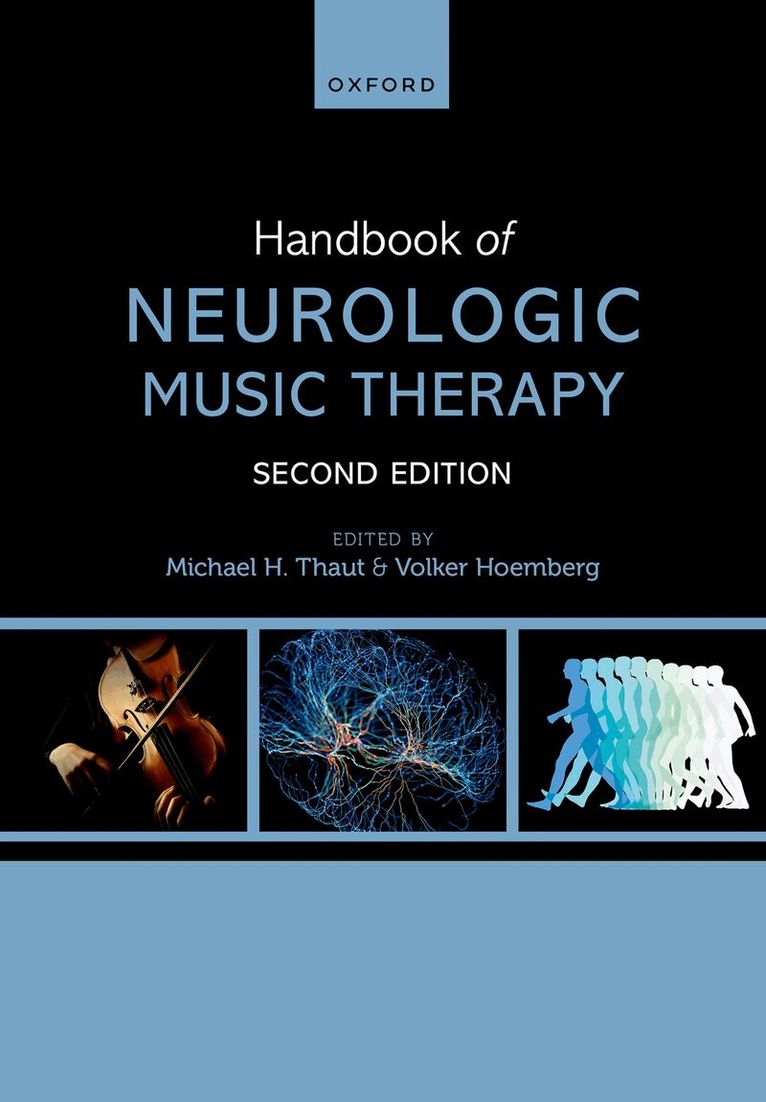
Handbook of Neurologic Music Therapy
Av Volker Hoemberg, Michael H. Thaut
E-bok, 2014
699 kr
Lägg i varukorg
Neurologic Music Therapy (NMT) is a form of music therapy developed for people suffering from cognitive, sensory, or motor dysfunctions - arising from neurological diseases of the nervous system. People who can benefit from this therapy include sufferers from: stroke, traumatic brain injury, …
Handbook of Neurologic Music Therapy
Av Volker Hoemberg, Michael H. Thaut
E-bok, 2014
699 kr
Lägg i varukorg
Neurologic Music Therapy (NMT) is a form of music therapy developed for people suffering from cognitive, sensory, or motor dysfunctions - arising from neurological diseases of the nervous system. People who can benefit from this therapy include sufferers from: stroke, traumatic brain injury, …
Handbook of Neurologic Music Therapy
Av Volker Homberg, Michael H. Thaut
E-bok, 2025
869 kr
Lägg i varukorg
Neurologic Music Therapy (NMT) is a form of music therapy developed for people suffering from cognitive, sensory, or motor dysfunctions - arising from neurological diseases of the nervous system. People who can benefit from this therapy include sufferers from: stroke, traumatic brain injury, …
Handbook of Neurologic Music Therapy
Av Volker HA¶mberg, Michael H. Thaut
E-bok, 2025
869 kr
Lägg i varukorg
Neurologic Music Therapy (NMT) is a form of music therapy developed for people suffering from cognitive, sensory, or motor dysfunctions - arising from neurological diseases of the nervous system. People who can benefit from this therapy include sufferers from: stroke, traumatic brain injury, …
Handbook of Neurologic Music Therapy
Av Michael H. Thaut, Volker Hömberg
Häftad, 2025
981 kr
Lägg i varukorg
Neurologic Music Therapy (NMT) is a form of music therapy developed for people suffering from cognitive, sensory, or motor dysfunctions - arising from neurological diseases of the nervous system. People who can benefit from this therapy include sufferers from: stroke, traumatic brain injury, …
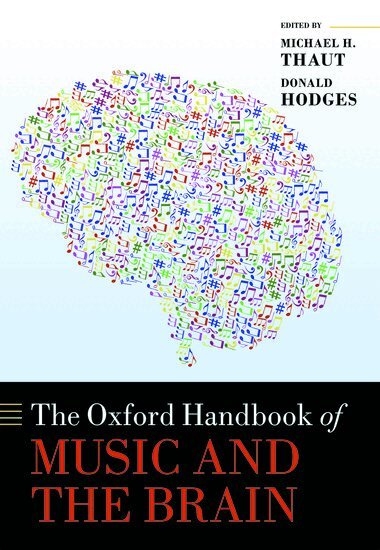
The Oxford Handbook of Music and the Brain
Av Michael H. Thaut, Donald A. Hodges
Inbunden, 2019
2281 kr
Lägg i varukorg
The study of music and the brain can be traced back to the work of Gall in the 18th century, continuing with John Hughlings Jackson, August Knoblauch, Richard Wallaschek, and others. These early researchers were interested in localizing musicality in the brain and learning more about how music is …