Volker Hömberg - Böcker
Visar alla böcker från författaren Volker Hömberg. Handla med fri frakt och snabb leverans.
3 produkter
3 produkter
885 kr
Skickas inom 5-8 vardagar
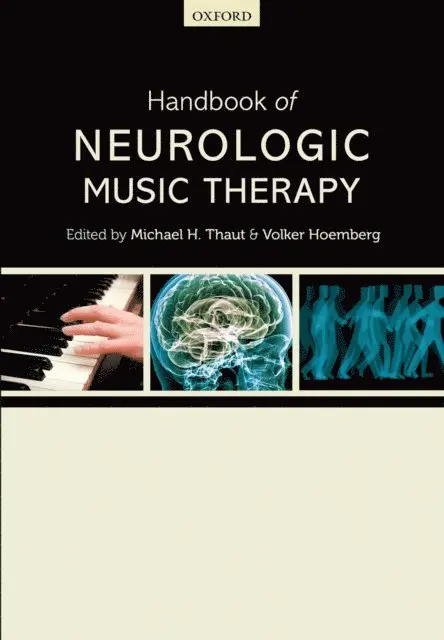
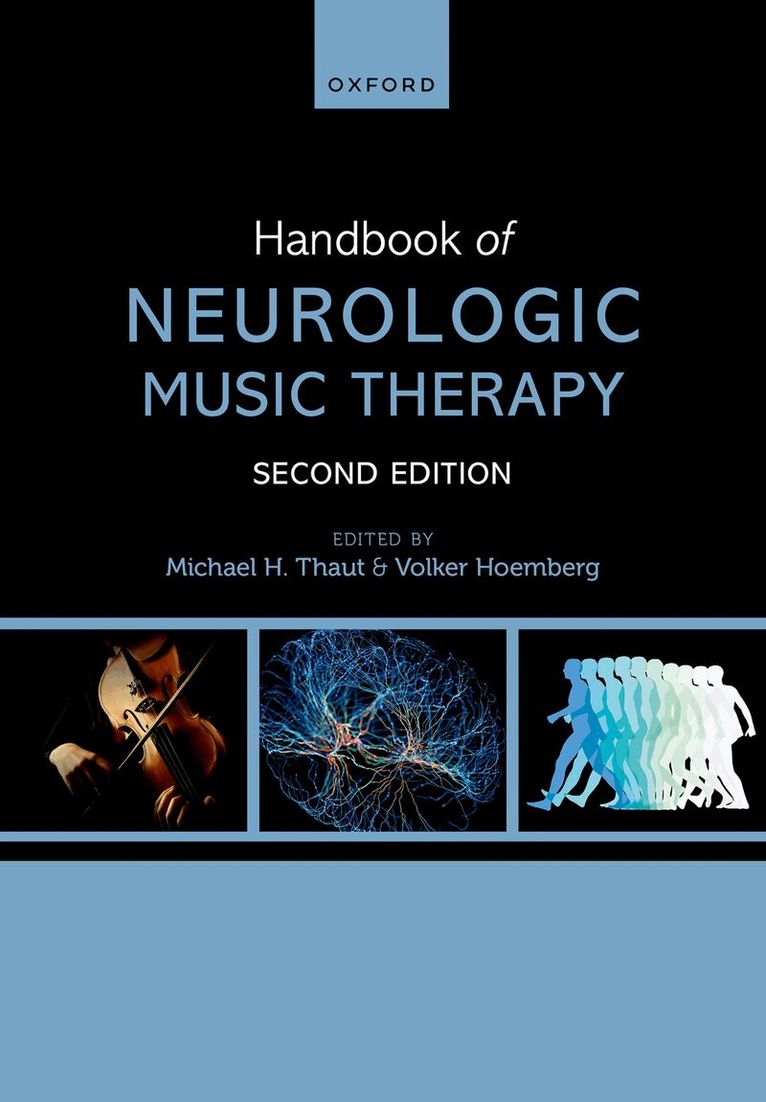
Neurologic Music Therapy (NMT) is a form of music therapy developed for people suffering from cognitive, sensory, or motor dysfunctions - arising from neurological diseases of the nervous system. People who can benefit from this therapy include sufferers from: stroke, traumatic brain injury, Parkinson's and Huntington's disease, cerebral palsy, Alzheimer's disease, autism, and other neurological diseases affecting cognition, movement, and communication (e.g., MS, Muscular Dystrophy, etc).The Handbook of Neurologic Music Therapy is a comprehensive landmark text presenting a new and revolutionary model of music in rehabilitation, therapy and medicine that is scientifically validated and clinically tested. It presents a field that is practiced by over 4000 NMT certified clinicians in over 70 countries.In this second edition, the book is fully updated and revised with new research updates in the field and extends the original clinical chapter content.
3 243 kr
Skickas inom 10-15 vardagar
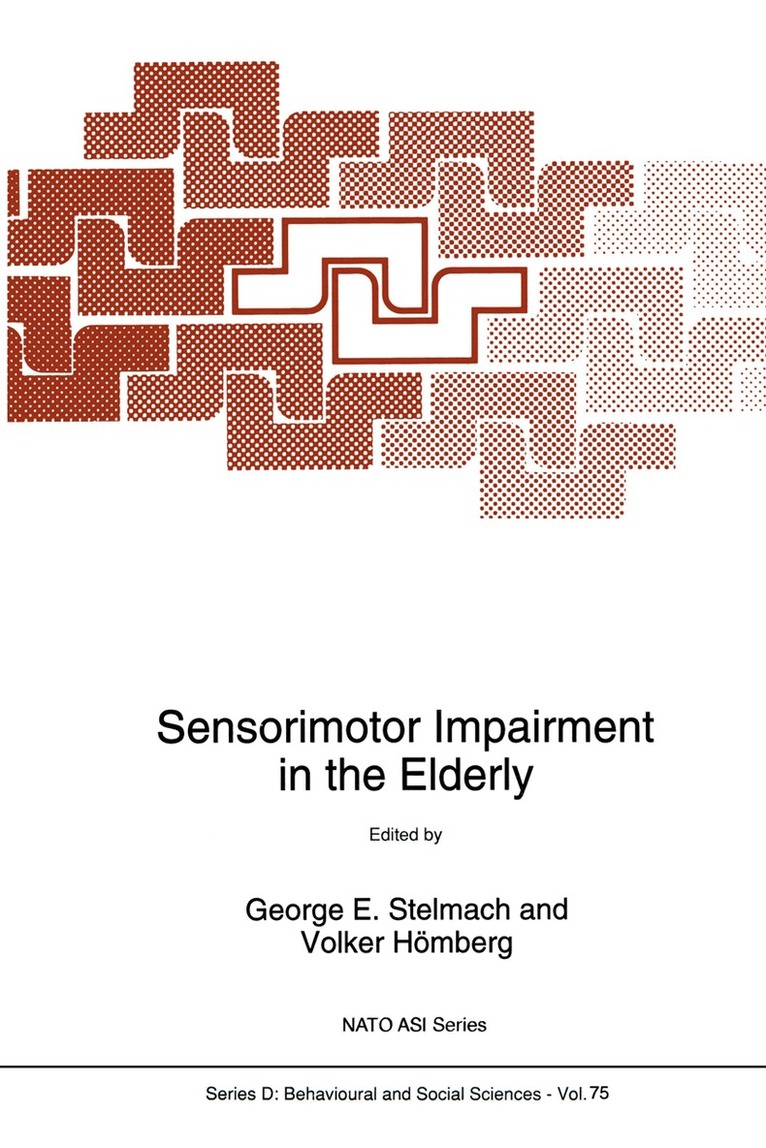
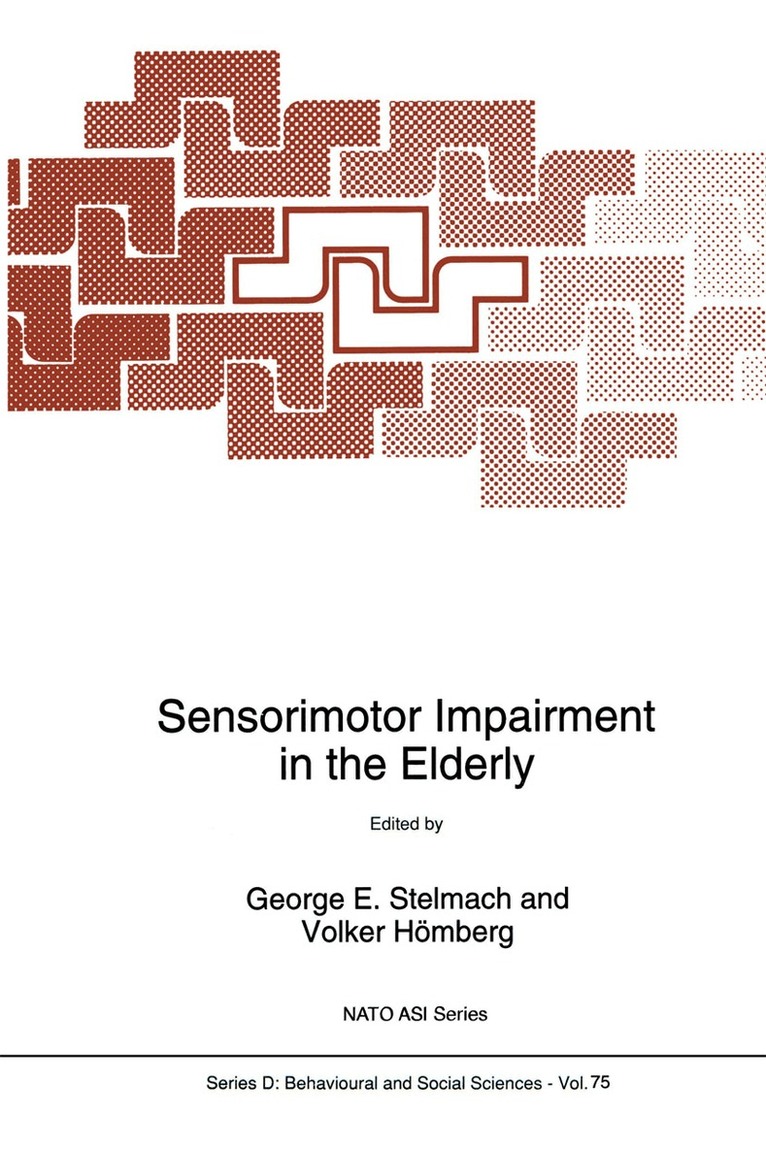
ThisvolumerepresentstheproceedingsofaNATOAdvancedResearchWorkShop(ARW) on the topic of "Sensorimotor Impairment in the Elderly" held at the Residenz Hotel, Bad Windsheim, Germany, September 11-13, 1992. The Residenz Hotel provided a pleasarit setting for the ARW in a historic environment. ' The motivation of this ARW was to provide some coherence to the widely scattered literature on motorimpairmentsin the elderly by bringing together, for atwo day workshop, many of the prominent individuals who are doing much of the contemporary research on sensorimotor aging. Our hope was to advance knowledge by having tutorial lectures and provocative discussions. As directors, we wanted the ARW to appraise the main theoretical ideas that currently characterize sensorimotor research on older adults. Our hope is that this volume will provide a review of some of the diverse literature on sensorimotor integration problems in the elderly. What was abundantly clear [TOm the presentations and discussions was how much more remains to be discovered about how motor and sensory systems change with age. The stimulus provided by this volume should be an invaluable reference in the years to come.Thevolume isorganized around five topicthemes: SensorimotorIntegration, AgeChanges in Muscle, Posture and Locomotion, Neurological Diseases, and Effects ofTraining. While they are not comprehensive, the topic themes reflect the structure of the ARW. The chapters within each topic discuss many ofthe currently debated questions on sensorimotormechanisms and how they are altered by age.
3 243 kr
Skickas inom 10-15 vardagar
ThisvolumerepresentstheproceedingsofaNATOAdvancedResearchWorkShop(ARW) on the topic of "Sensorimotor Impairment in the Elderly" held at the Residenz Hotel, Bad Windsheim, Germany, September 11-13, 1992. The Residenz Hotel provided a pleasarit setting for the ARW in a historic environment. ' The motivation of this ARW was to provide some coherence to the widely scattered literature on motorimpairmentsin the elderly by bringing together, for atwo day workshop, many of the prominent individuals who are doing much of the contemporary research on sensorimotor aging. Our hope was to advance knowledge by having tutorial lectures and provocative discussions. As directors, we wanted the ARW to appraise the main theoretical ideas that currently characterize sensorimotor research on older adults. Our hope is that this volume will provide a review of some of the diverse literature on sensorimotor integration problems in the elderly. What was abundantly clear [TOm the presentations and discussions was how much more remains to be discovered about how motor and sensory systems change with age. The stimulus provided by this volume should be an invaluable reference in the years to come.Thevolume isorganized around five topicthemes: SensorimotorIntegration, AgeChanges in Muscle, Posture and Locomotion, Neurological Diseases, and Effects ofTraining. While they are not comprehensive, the topic themes reflect the structure of the ARW. The chapters within each topic discuss many ofthe currently debated questions on sensorimotormechanisms and how they are altered by age.