Michael Hutchins – författare
Visar alla böcker från författaren . Handla med fri frakt och snabb leverans.
8 produkter
8 produkter
Inbunden, Engelska, 2002
4 062 kr
Skickas inom 3-6 vardagar
Inbunden, Engelska, 2002
4 062 kr
Skickas inom 3-6 vardagar
Inbunden, Engelska, 2003
4 062 kr
Skickas inom 3-6 vardagar
Inbunden, Engelska, 2003
4 062 kr
Skickas inom 3-6 vardagar
Inbunden, Engelska, 2003
4 062 kr
Skickas inom 3-6 vardagar
E-bok
Engelska, 2012246 kr
Läs direkt efter köp
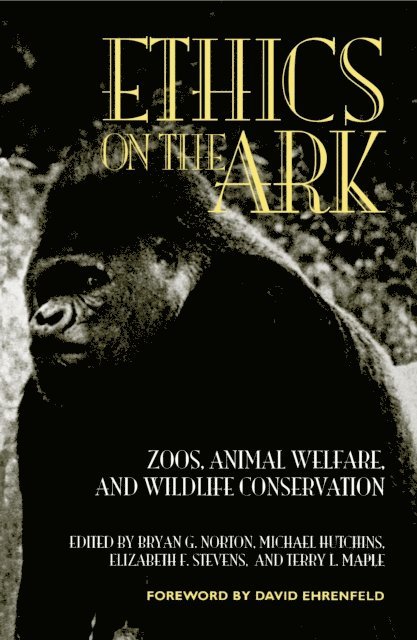
Ethics on the Ark presents a passionate, multivocal discussion—among zoo professionals, activists, conservation biologists, and philosophers—about the future of zoos and aquariums, the treatment of animals in captivity, and the question of whether the individual, the species, or the ecosystem is the most important focus in conservation efforts. Contributors represent all sides of the issues. Moving from the fundamental to the practical, from biodiversity to population regulation, from animal research to captive breeding, Ethics on the Ark represents an important gathering of the many fervent and contentious viewpoints shaping the wildlife conservation debate.From the Trade Paperback edition.
E-bok
Engelska, 2012253 kr
Läs direkt efter köp
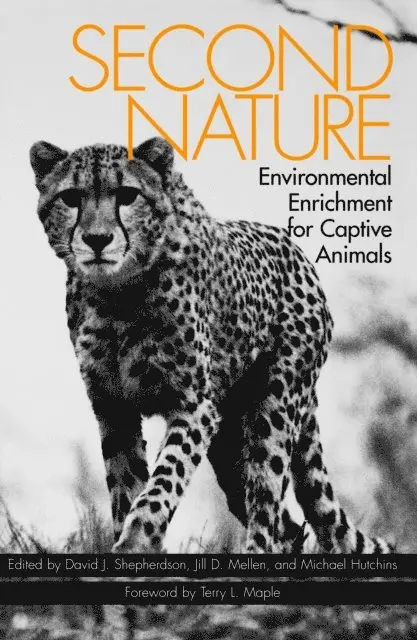
Growing recognition of the complexity of animals'' physical, social, and psychological lives in the wild has led both zookeepers and the zoo-going public to call for higher environmental standards for animals in captivity.Bringing together the work of animal behaviorists, zoo biologists, and psychologists, Second Nature explores a range of innovative strategies for environmental enrichment in laboratories and marine parks, as well as in zoos. From artificial fleeing-prey devices for leopards to irregular feeding schedules for whales, the practices discussed have resulted in healthier, more relaxed animals that can breed more easily and can exert some control over their environments. Moving beyond the usual studies of primates to consider the requirements of animals as diverse as reptiles, amphibians, marine mammals, small cats, hooved grazers, and bears, contributors argue that whether an animal forages in the wild or plays computer games in captivity, the satisfaction its activity provides—rather than the activity itself—determines the animal''s level of physical and psychological well-being.Second Nature also discusses the ways in which environmental enrichment can help zoo-bred animals develop the stamina and adaptability for survival in the wild, and how it can produce healthier lab animals that yield more valid test results. Providing a theoretical framework for the science of environmental enrichment in a variety of settings, the book renews and extends a humane approach to the keeping and conservation of animals.From the Trade Paperback edition.
E-bok
Engelska, 2014442 kr
Läs direkt efter köp
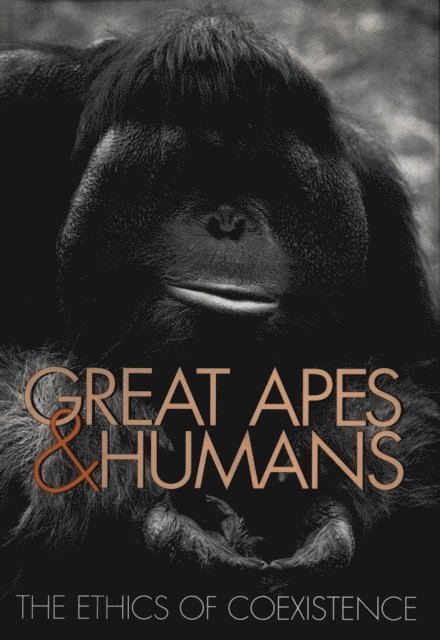
The great apes -- gorillas, chimpanzees, bonobos, and orangutans -- are known to be our closest living relatives. Chimpanzees in particular share 98 percent of our DNA, and scientists widely agree that they exhibit intellectual abilities long thought to be unique to humans, such as self-awareness and the ability to interpret the moods and identify the needs of others. The close relation of apes to humans raises important ethical questions. Are they better protected in the wild or in zoos? Should they be used in biomedical research? Should they be afforded the same legal protections as humans?Great Apes and Humans is the first book to present a spectrum of viewpoints on human responsibilities toward great apes. A variety of field biologists, academic scientists, zoo professionals, psychologists, sociologists, ethicists, and legal scholars consider apes in both the wild and captivity. They present sobering statistics on the declining numbers of wild apes, specifically discussing the decimation of great ape populations due to wild game consumption. They explore the role of apes in the educational missions of zoos as well as the need for sanctuaries for wild ape orphans and former research subjects. After examining the social division between apes and humans from historical, evolutionary, and cognitive perspectives, they conclude by reviewing the current moral and legal status of great apes as well as how apes'' cognitive skills inform these issues.Although this provocative book contains many different opinions, the uniting concern of the contributors is the safety and well-being of great apes. Only by continuing the dialogue so clearly presented here can we hope to ensure their future.