Michael Jacobs – författare
202 kr
Skickas inom 5-8 vardagar
198 kr
Skickas inom 5-8 vardagar
1 681 kr
Skickas inom 10-15 vardagar
365 kr
Skickas inom 3-6 vardagar
339 kr
Skickas inom 3-6 vardagar
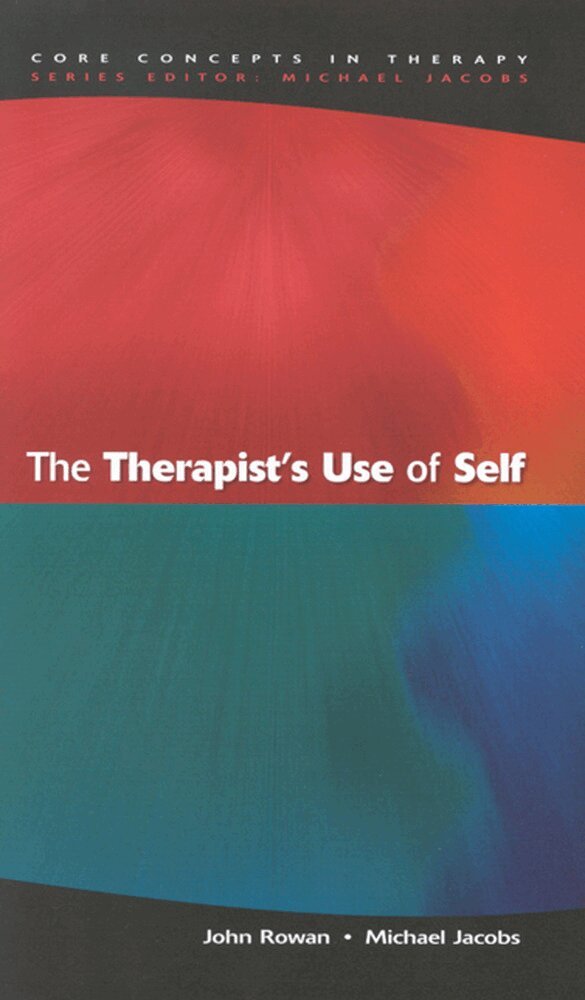
This book deals with what is perhaps the central question in therapy - who is the therapist? And how does that actually come across and manifest itself in the therapeutic relationship? A good deal of the thinking about this in psychoanalysis has come under the heading of countertransference. Much of the thinking in the humanistic approaches has come under such headings as empathy, genuineness, nonpossessive warmth, presence, personhood. These two streams of thinking about the therapist's own self provide much material for the bulk of the book - but other aspects of the therapist also enter the picture, including the way a therapist is trained, and uses supervision, in order to make fuller use of her or his own reactions, responses and experience in working with any one client.The book is aimed primarily at counsellors and psychotherapists, or trainees in these disciplines. It has been written in a way that is accessible to students at all levels, but it is also of particular value to existing practitioners with an interest in the problems of integration.
"Most therapists, regardless of theoretical approach, intuitively recognize that their sense of self intimately influences their work. Using this elemental truth as a launching pad, Rowan and Jacobs articulate the different avenues through which the self informs therapy, and how each can be used to improve therapeutic effectiveness. Along the way the authors provide a masterful exposition of transference, countertransference, and projective identification, throwing much needed light on topics that have long been mired in controversy and confusion.The book is a priceless resource for experienced therapists and those just beginning the journey."- Professor Sheldon Cashadan, author of Object Relations Therapy and The Witch Must Die: The Hidden Meaning of Fairy Tales
"Outstandingly in the current literature, this book meets the conditions for integrative psychotherapy to fulfil its undoubted potential as the therapy pathway of the future. Much has to change in our field. First, people have to become better informed and more respectful of other traditions than their own, engaging with all kinds of taboo topics. Next, vigorous but contained dispute has to take place without having a bland synthesis as its goal. Finally, the current situation in which 'integration' runs in one direction only - humanistic and transpersonal therapists learning from psychoanalysis - has to be altered. Rowan and Jacobs, each a master in his own field, have done a wonderful collaborative job. The book's focus on what different ways of being a therapist really mean in practice guarantees its relevance for therapists of all schools (or none) and at every level."- Andrew Samuels, Professor of Analytical Psychology, University of Essex and Visiting Professor of Psychoanalytic Studies, Goldsmith's College, University of London "There is no question in psychotherapy more important than the degree to which the practitioner should be natural and spontaneous. Would it be sensible to leave one's ordinary, everyday personality behind when entering the consulting room and adopt a stance based on learned techniques? This is the question addressed by Rowan & Jacobs in The Therapist's Use of Self, approaching it from various angles and discussing the relevant ideas of different schools of thought. The authors are very well-infomred and write with admirable clarity, directness and wisdom and have made an impressive contribution to a problem to which there is no easy solution".- Dr. Peter Lomas, author of Doing Good? Psychotherapy Out of Its Depth.
403 kr
Skickas inom 3-6 vardagar
Some therapists, especially those influenced by Freud and Jung, speak of the 'unconscious', giving the unintended impression that it is a kind of realm or domain of activity. Others, reacting against the specifics of Freudian theory, shun the word 'unconscious' altogether. However, so limited is the reach of everyday awareness and such is the range of unconscious factors, that one way or another these limitations must somehow be spoken about, sometimes in metaphor, sometimes more explicitly.
This book offers a broad survey of psychotherapy discourses, including:
The psychoanalytic The interpersonal The experiential The cognitive-behaviouralThe transpersonal
This book offers a comprehensive overview of the ways in which these discourses employ a rich variety of concepts to address the limits of our everyday consciousness.
Conscious and Unconscious is invaluable reading for all those interested in counselling and psychotherapy, including those in training, as well as for experienced therapists.
419 kr
Skickas inom 5-8 vardagar
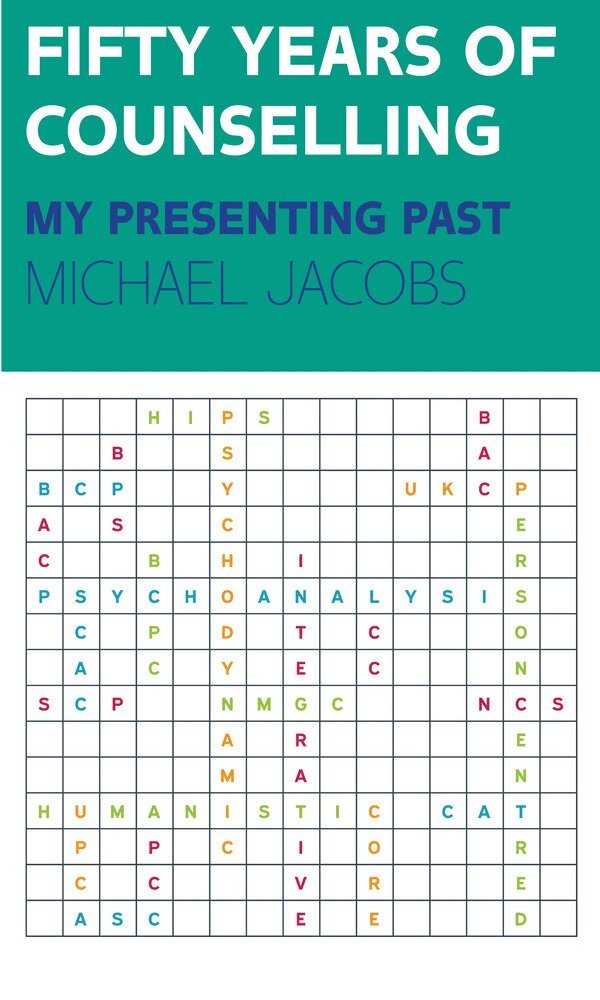
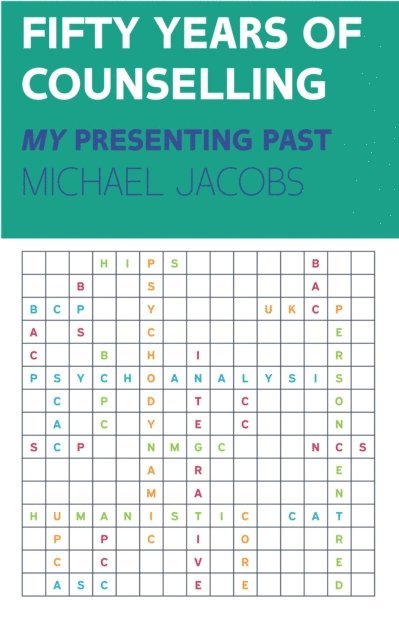
Michael Jacobs is a pioneer in the development of psychodynamic counselling. While his writing is praised for its lucidity in explaining difficult concepts, and it is well illustrated with case examples from his own work, he has rarely said much about his own history as a psychodynamic psychotherapist and counsellor.
In this personal account, concerned mainly with both his professional life as a therapist, writer and teacher and with the developments of counselling generally in Britain, in which he has played a major part, Jacobs presents his own past. It is one that surprisingly for so experienced a therapist, started with no formal training, but which has gone on to be an influence on the training of hundreds of counsellors and therapists.
Jacobs traces the development of BACP and UKCP and his part in the formation of both organizations, the development of training in counselling in Britain, much of which with regard to psychodynamic counselling was pioneered by him, and finally his writing and teaching career. The book concludes with a critique of the present state of counselling and psychotherapy in Britain today.
“A delight to read! Everyone benefits from a lovely memoir like this: students, experienced colleagues, and the author himself. Michael has built a deserved reputation as an outstanding authority and innovator in the counselling field, in practice as well as in training. His restlessness and his challenging nature are still needed as the sense of crisis in depth and relational therapy work intensifies. The account of his experiences, whether entirely fortuitous and haphazard or fuelled by an individuating sense of vocation, will stimulate thought, feeling and a profound questioning of where our field is heading.”Professor Andrew Samuels, Department of Psychosocial and Psychoanalytic Studies, University of Essex, UK
“This is the moving and revelatory account of the personal and professional evolution of one of Britain’s most prominent pioneering counsellors. In telling his own story, Michael Jacobs also illuminates the development of the counselling movement during the past fifty years and younger readers will discover much to inform and surprise them. This deceptively passionate book inspires and challenges on almost every beautifully written page.”Brian Thorne, Emeritus Professor of Counselling, University of East Anglia, Norwich, UK; Co-founder, The Norwich Centre for Personal, Professional and Spiritual Development
“Michael Jacobs’s new memoir kept me wide-awake for most of the night, because I simply could not put this book down! Written with consummate story-telling skills, Jacobs has created an inspiring and enthralling portrait of his remarkable career in the fields of psychotherapy and counselling. A true pioneer of mental health in Great Britain, Jacobs has much to teach us all, and I recommend this new volume most heartily!”Professor Brett Kahr, Institute of Medical Psychology, London, and Senior Clinical Research Fellow in Psychotherapy and Mental Health at the Centre for Child Mental Health, London, UK
337 kr
Läs direkt efter köp
342 kr
Läs direkt efter köp
"Outstandingly in the current literature, this book meets the conditions for integrative psychotherapy to fulfil its undoubted potential as the therapy pathway of the future. Much has to change in our field. First, people have to become better informed and more respectful of other traditions than their own, engaging with all kinds of taboo topics. Next, vigorous but contained dispute has to take place without having a bland synthesis as its goal. Finally, the current situation in which ''integration'' runs in one direction only - humanistic and transpersonal therapists learning from psychoanalysis - has to be altered. Rowan and Jacobs, each a master in his own field, have done a wonderful collaborative job. The book''s focus on what different ways of being a therapist really mean in practice guarantees its relevance for therapists of all schools (or none) and at every level." - Andrew Samuels, Professor of Analytical Psychology, University of Essex and Visiting Professor of Psychoanalytic Studies, Goldsmith''s College, University of London
"There is no question in psychotherapy more important than the degree to which the practitioner should be natural and spontaneous. Would it be sensible to leave one''s ordinary, everyday personality behind when entering the consulting room and adopt a stance based on learned techniques? This is the question addressed by Rowan & Jacobs in The Therapist''s Use of Self, approaching it from various angles and discussing the relevant ideas of different schools of thought. The authors are very well-infomred and write with admirable clarity, directness and wisdom and have made an impressive contribution to a problem to which there is no easy solution". - Dr. Peter Lomas, author of Doing Good? Psychotherapy Out of Its Depth.
This book deals with what is perhaps the central question in therapy - who is the therapist? And how does that actually come across and manifest itself in the therapeutic relationship? A good deal of the thinking about this in psychoanalysis has come under the heading of countertransference. Much of the thinking in the humanistic approaches has come under such headings as empathy, genuineness, nonpossessive warmth, presence, personhood. These two streams of thinking about the therapist''s own self provide much material for the bulk of the book - but other aspects of the therapist also enter the picture, including the way a therapist is trained, and uses supervision, in order to make fuller use of her or his own reactions, responses and experience in working with any one client.
The book is aimed primarily at counsellors and psychotherapists, or trainees in these disciplines. It has been written in a way that is accessible to students at all levels, but it is also of particular value to existing practitioners with an interest in the problems of integration.
564 kr
Skickas inom 3-6 vardagar
369 kr
Skickas inom 3-6 vardagar
352 kr
Läs direkt efter köp
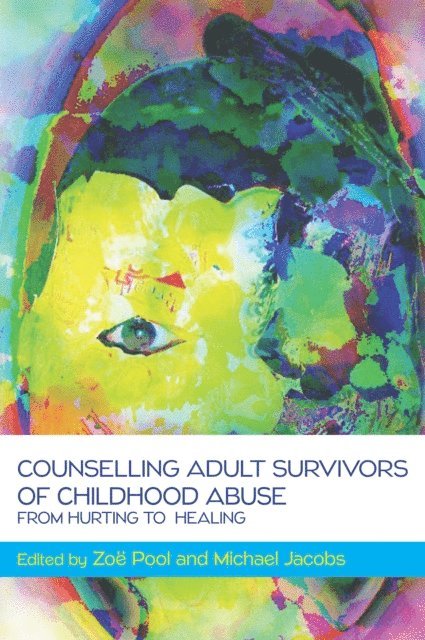
Childhood abuse in all its forms is a major social and psychological problem in the UK and globally. Without effective help, survivors struggle with enduring anguish and self-harming behaviours that affect all aspects of their lives and relationships. In their new book, Zoë Pool and Michael Jacobs seek to increase our understanding of the therapeutic needs of adult survivors of childhood abuse. They describe the therapeutic services offered by a dedicated counselling agency, founded by the late Moira Walker. Here, relationships between therapist and client, and client and all parts of themselves, are prioritized.
Throughout this text, survivor and practitioner perspectives are integrated with current research. Pool and Jacobs explore the impact that working with survivors of traumatic, adverse childhood experiences can have on therapists, including vicarious trauma, and consider what is needed to sufficiently support practitioners. Survivors and those close to them will find this book supportive and validating; helpful and informative. The many practitioners – in the voluntary sector, health and social care, and in private practice - who work with survivors to alleviate their distress, will find much to assist in this much needed book, which combines practice and theory skillfully and thoughtfully. "This is a seminal book. It is clearly and transparently written with a warm relational heart shining through the sensible and straightforward language. It is an intrinsic celebration of Moira Walker''s legacy as well as a continuation of it. Professor Michael Jacobs and Zoe Pool and their talented hardworking contributors are to be deeply congratulated." Valerie Sinason, Founder of the Clinic for Dissociative studies, a child psychotherapist and adult psychoanalyst, poet and writer
"The stated hope of this book, to affirm and inspire the work of counsellors in the area of abuse, is absolutely fulfilled.A thorough explanation of the needs of clients is outlined based on a clear summary of the impact of abuse. The therapeutic relationship and possibility of longer term therapy are found to be key factors in good outcomes. Awareness of and ways of working with disassociation and taking into account attachment issues are not ignored and honest learning from practice is documented. Readers will gain insight and inspiration from the learning shared especially in regard to setting up an agency, the impact of counselling in this area, the judicial and legal process and supervision." Tanya Orr, Chair of tag
"This book is an inspirational account of how voluntary counselling organisations can help survivors of Childhood Sexual Abuse (CSA) to recover and heal from trauma and abuse. It is a welcome and timely book given the increase in the number of disclosures from survivors of CSA and who need therapeutic support and yet have difficulty accessing service provision. This has created a desperate need for specialist counselling services that can address the specific needs of survivors of CSA and provide longer term therapeutic support. This book will be invaluable to anyone working in such agencies to understand how they can help survivors to heal through one to one counselling and group work, and how to navigate and face the challenges of the criminal justice system. The book is a must for all those practitioners, voluntary counsellors, supervisors and support staff in voluntary agencies who provide much needed support to survivors of CSA."Christiane Sanderson, Senior Lecturer in Psychology, University of Roehampton, UK
2 360 kr
Skickas inom 10-15 vardagar
1 995 kr
Skickas inom 10-15 vardagar
599 kr
Läs direkt efter köp
518 kr
Läs direkt efter köp
621 kr
Läs direkt efter köp
600 kr
Läs direkt efter köp
723 kr
Läs direkt efter köp
This book addresses those issues both from the perspective of the supervisee and the supervisor, suggesting what supervisees might expect from good supervision, as well as offering guidance to supervisors on how best to use to the full the opportunities offered by a therapeutic situation which has some similarities, but also some radical differences from counselling and therapy itself.
3 258 kr
Läs direkt efter köp
This latest book in the European Vascular Course series provides vascular and endovascular surgeons with the skills and techniques needed to solve these unforeseen intraoperative complications.
It includes thirteen chapters on aortic neck problems during open and endovascular repair, ruptured clamp sites, ureteral lesions, unintentional covering of side branches, totally calcified aorta and embolization. Accidental conditions during carotid and lower limb revascularization are also covered in six chapters and additional challenges are described in another seven chapters.
159 kr
Skickas inom 5-8 vardagar
272 kr
Skickas inom 5-8 vardagar
473 kr
Skickas inom 5-8 vardagar
1 495 kr
Skickas inom 3-6 vardagar
`This is the Second Edition of a book first published in 1992 as part of the Key Figures in Counselling and Psychotherapy series edited by Windy Dryden. It has proved a successful introduction to the life and work of Sigmund Freud: in this present edition Michael Jacobs takes the opportunity of the new translation of Freud now appearing to offer more suggestions about reading, particularly the papers of technique available through Virago's 2001 publication of the Standard Edition' - The Journal of Analytical Psychology
In refreshing contrast to most other books on Sigmund Freud, this is a highly accessible account of his life and ideas, which focuses on the relevance of Freud's work for contemporary approaches to counselling and psychotherapy.
The book provides an overview which is based firmly on Freud's own writings, but which goes far beyond a recapitulation of the existing literature, to offer fresh insights and some surprises, both about Freud the man and his theories. Written by bestselling author, Michael Jacobs and now fully updated for its Second Edition, Sigmund Freud presents and responds to the criticisms that Freud's work attracted, and charts his continuing influence in the 21st century.
This is highly recommended reading for those training in counselling and psychotherapy as well as those studying Freud in other contexts.
Michael Jacobs is a retired lecturer in Counselling Studies and bestselling author whose publications include (in the same series), D W Winicott (SAGE, 1995) and Psychodynamic Counselling in Action, Second Edition (SAGE, 1999).
1 346 kr
Skickas inom 3-6 vardagar
One of the best-known British psychoanalysts, D W Winnicott attracts the interest of counsellors and psychotherapists far beyond the strict psychoanalytic tradition in which he was trained. He coined many phrases that have entered the discourse of therapy, such as `good enough mother', `transitional object' and `facilitating environment'. Winnicott has had a profound impact on research into the mother-baby relationship, and his unorthodox manner and sparkling writing style have attracted enthusiastic acclaim.
In this book, Michael Jacobs summarizes Winnicott's life and explains his major theoretical concepts. He also rigorously evaluates his practice as a clinician - for example, the holding and management of deeply regressed patients. While highlighting Winnicott's brilliance and creativity, Jacobs is not afraid to scrutinize his contributions more critically. He also discusses criticisms others have made of Winnicott, notably within the psychoanalytic movement. The final chapter assesses the influence of Winnicott's thinking in other countries as well as in Britain.
1 685 kr
Skickas inom 11-20 vardagar
271 kr
Skickas inom 3-6 vardagar
180 kr
Skickas inom 5-8 vardagar
357 kr
Skickas inom 5-8 vardagar
238 kr
Läs direkt efter köp
"Thought provoking and fresh - this book challenges how we think about economics.”Gillian Tett, Financial Times
For further information about recent publicity events and media coverage for Rethinking Capitalism please visit http://marianamazzucato.com/rethinking-capitalism/
Western capitalism is in crisis. For decades investment has been falling, living standards have stagnated or declined, and inequality has risen dramatically. Economic policy has neither reformed the financial system nor restored stable growth. Climate change meanwhile poses increasing risks to future prosperity.
In this book some of the world’s leading economists propose new ways of thinking about capitalism. In clear and compelling prose, each chapter shows how today’s deep economic problems reflect the inadequacies of orthodox economic theory and the failure of policies informed by it. The chapters examine a range of contemporary economic issues, including fiscal and monetary policy, financial markets and business behaviour, inequality and privatisation, and innovation and environmental change. The authors set out alternative economic approaches which better explain how capitalism works, why it often doesn’t, and how it can be made more innovative, inclusive and sustainable. Outlining a series of far-reaching policy reforms, Rethinking Capitalism offers a powerful challenge to mainstream economic debate, and new ideas to transform it.