Michael Kuenstle - Böcker
Visar alla böcker från författaren Michael Kuenstle. Handla med fri frakt och snabb leverans.
4 produkter
4 produkter
1 528 kr
Skickas inom 10-15 vardagar
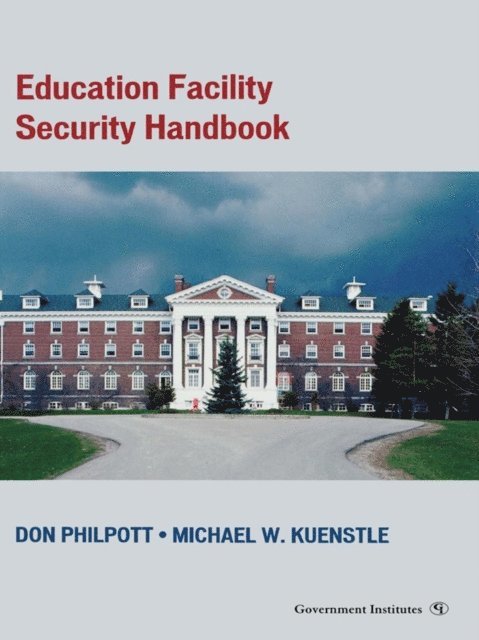
In the last decade, more than 300 violent deaths have occurred in or near school campuses. The killers, their motivations and backgrounds, and levels of damage inflicted vary, but our response and our goal remains singular: to protect our schools and keep those within them safe. This handbook seeks to help administrators, school boards, contractors, teachers—anyone connected with the design, construction, or administration of schools—achieve this goal by providing easy-to-follow guidelines for building safer school environments.Drawing from various government resources, including the Centers for Disease Control, Department of Education, Department of Defense, and Department of Health and Human Services, this one-of-a-kind handbook takes a two-part approach to protecting schools from threats.The first part addresses how to design and build a safe school. It provides a basic security overview and discusses how to identify critical assets and conduct risk-threat assessments.The second part of the book shifts from infrastructure to inhabitants. Here, you'll learn how to produce a detailed crisis management plan to help your facility prevent incidents from happening and to deal with them swiftly and effectively should one occur. You'll also learn various "people" policies and practices you can implement to reduce drug and alcohol abuse, bullying, vandalism, and other violence and crime.
1 597 kr
Skickas inom 10-15 vardagar
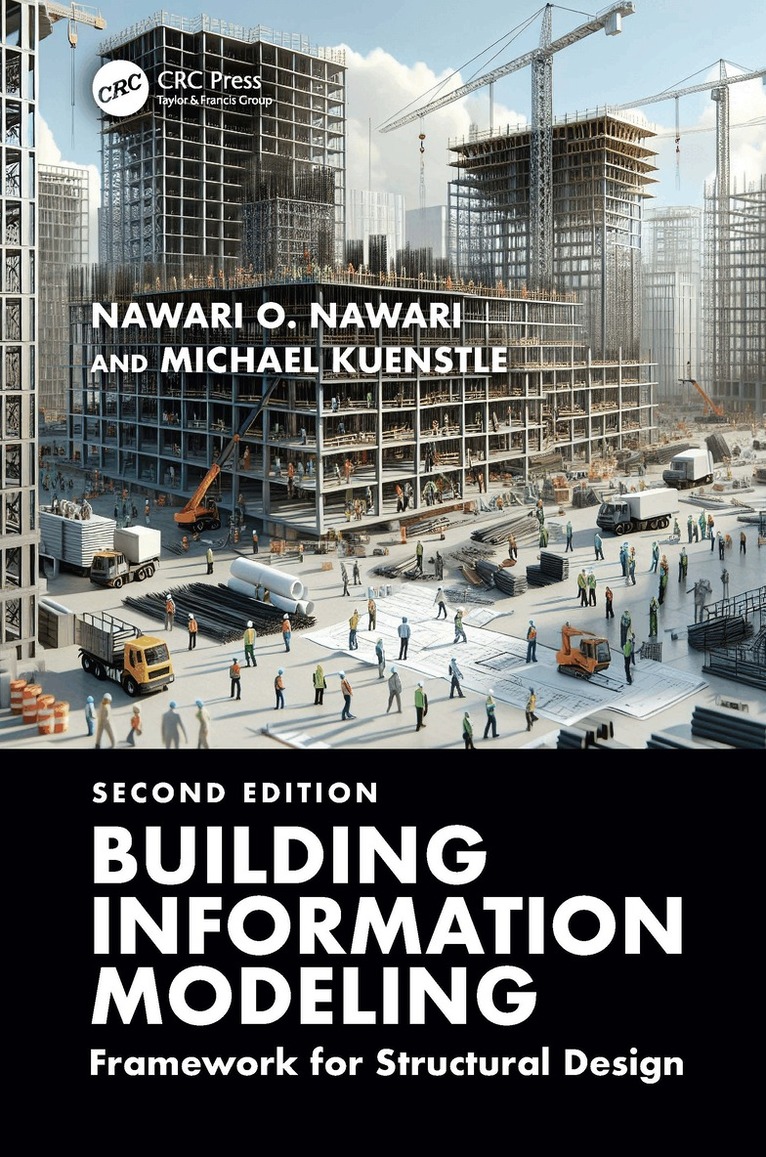
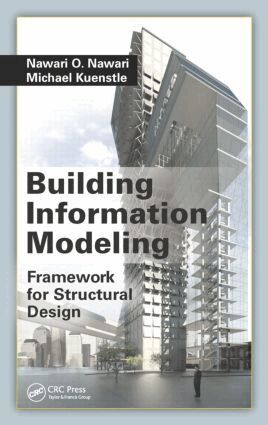
Building Information Modeling: Framework for Structural Design introduces a structure and architecture synergy (SAS) framework that helps develop and enhance the understanding of the fundamental principles of architectural analysis using building information modeling (BIM) tools. Based upon three main components: namely, the structural melody, structural poetry, and structural analysis, along with the BIM tools as the frame enabler, this new framework allows users to explore structural design as an art while also factoring in the principles of engineering. The framework stresses the influence structure can play in form generation and in defining spatial order and composition. By highlighting the interplay between architecture and structure, the book emphasizes the conceptual behaviors of structural systems and their aesthetic implications and enables readers to thoroughly understand the art and science of whole structural system concepts.Key Features:Is updated throughoutAdds new exercises; cutting‑edge information on the use of AI, Machine Learning (ML), and modelling; and issues of sustainability.Presents the use of BIM technology as part of a design process or framework that can lead to a more comprehensive, intelligent, and integrated building design.Places special emphasis on the application of BIM technology for exploring the intimate relationship between structural engineering and architectural design. Includes a discussion of current and emerging trends in structural engineering practice and the role of the structural engineer in building design using new BIM technologies.
1 274 kr
Tillfälligt slut
BIM for Structural Engineering and ArchitectureBuilding Information Modeling: Framework for Structural Design outlines one of the most promising new developments in architecture, engineering, and construction (AEC). Building information modeling (BIM) is an information management and analysis technology that is changing the role of computation in the architectural and engineering industries. The innovative process constructs a database assembling all of the objects needed to build a specific structure. Instead of using a computer to produce a series of drawings that together describe the building, BIM creates a single illustration representing the building as a whole. This book highlights the BIM technology and explains how it is redefining the structural analysis and design of building structures.BIM as a Framework EnablerThis book introduces a new framework—the structure and architecture synergy framework (SAS framework)—that helps develop and enhance the understanding of the fundamental principles of architectural analysis using BIM tools. Based upon three main components: the structural melody, structural poetry, and structural analysis, along with the BIM tools as the frame enabler, this new framework allows users to explore structural design as an art while also factoring in the principles of engineering. The framework stresses the influence structure can play in form generation and in defining spatial order and composition. By highlighting the interplay between architecture and structure, the book emphasizes the conceptual behaviors of structural systems and their aesthetic implications and enables readers to thoroughly understand the art and science of whole structural system concepts. Presents the use of BIM technology as part of a design process or framework that can lead to a more comprehensive, intelligent, and integrated building designPlaces special emphasis on the application of BIM technology for exploring the intimate relationship between structural engineering and architectural designIncludes a discussion of current and emerging trends in structural engineering practice and the role of the structural engineer in building design using new BIM technologiesBuilding Information Modeling: Framework for Structural Design provides a thorough understanding of architectural structures and introduces a new framework that revolutionizes the way building structures are designed and constructed.
1 871 kr
Skickas inom 10-15 vardagar
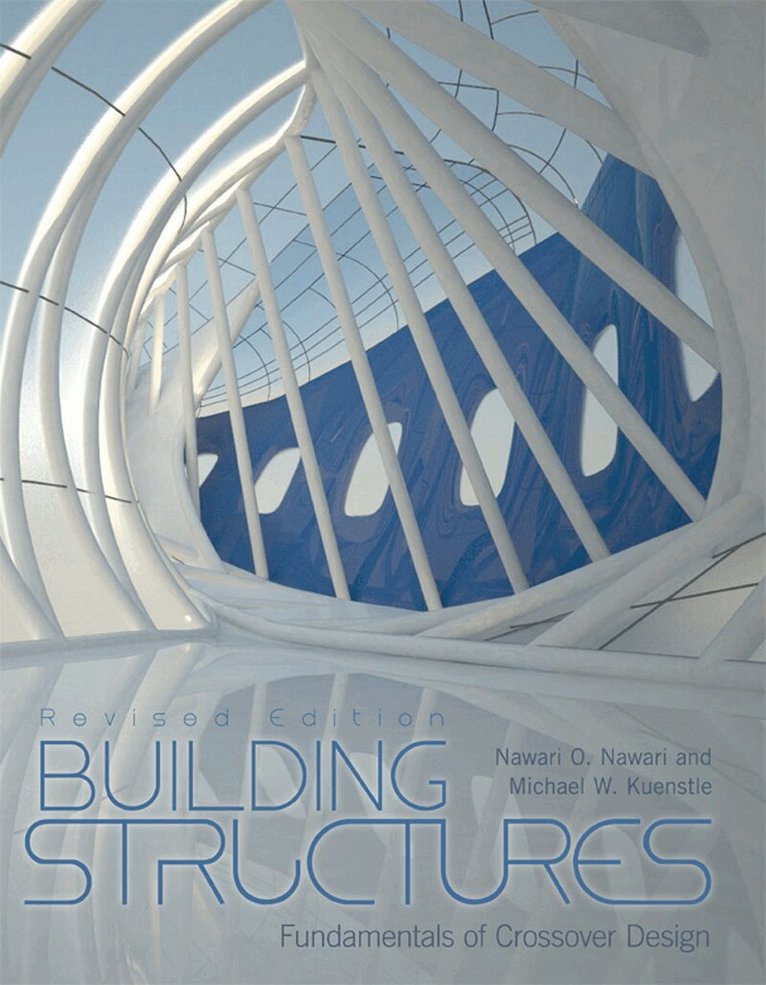
Buildings embody ineffable, yet sensible aesthetic and functional qualities that merge from a number of domains, such as space, form, and structure. The particular connection that exists between structures and architecture is what is referred to as the crossover design in building structures.Building Structures: Fundamentals of Crossover Design introduces young architects, engineers and builders to the fundamental concepts of building structures. It seeks to develop proper understanding and interpretation of structural behavior and concepts within various architectural expressions, which is accomplished using clear 3D illustrations, photographs and graphical details. Mathematic is kept to a basic level by incorporating simple hand calculations. This ensures the primary emphasis on behavioral and conceptual aspects is not lost behind complex analytical methods. Examples inspired by real world projects are also presented throughout the text, which aim to give readers a solid knowledge base for understanding building structures. This book offers an essential introduction to building structures for anyone interested in architecture, civil and structural engineering, building construction and technology.