Michael P. Colaresi – författare
Visar alla böcker från författaren Michael P. Colaresi. Handla med fri frakt och snabb leverans.
5 produkter
5 produkter
Inbunden, Engelska, 2014
464 kr
Skickas inom 5-8 vardagar
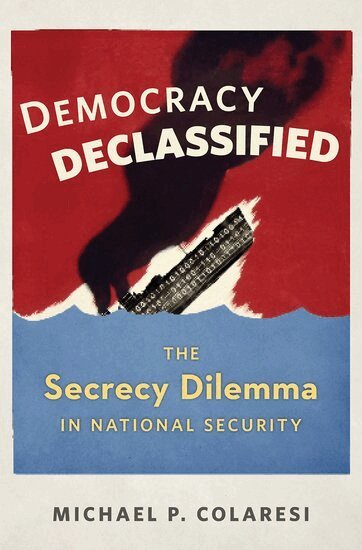
Democracy Declassified tackles an enduring question of particular current importance: How do democratic governments balance the need for foreign policy secrecy with accountability to the public? Democracies keep secrets both from potential enemies and their publics. This simple fact challenges the surprisingly prevalent assumption that foreign policy successes and failures can be attributed to public transparency and accountability. In fact, the ability to keep secrets has aided democratic victories from the European and Pacific theatres in World War II to the global competition of the Cold War. At the same time, executive discretion over the capacity to classify information created the opportunity for abuse that contributed to Watergate, as well as domestic spying and repression in France, Norway and Canada over the last 40 years.Therefore, democracies face a secrecy dilemma. Secrecy is useful, but once a group or person has the ability to decide what information is concealed from an international competitor, citizens can no longer monitor that information. How then can the public be assured that national security policies are not promoting hidden corruption or incompetence? As Democracy Declassified shows, it is indeed possible for democracies to keep secrets while also maintaining national security oversight institutions that can deter abuse and reassure the public, including freedom of information laws, legislative committee powers, and press freedom.Understanding secrecy and oversight in democracies helps us explain not only why the Maginot Line rose and the French Republic fell, or how the US stumbled but eventually won the Cold War, but more generally how democracies can benefit from both public consent and necessary national security secrets. At a time when the issue of institutional accountability and transparency has reached fever pitch, Democracy Declassified provides a grounded and important view on the connection between the role of secrecy in democratic governance and foreign policy-making.
E-bok
PDF, Engelska, 2014374 kr
Läs direkt efter köp
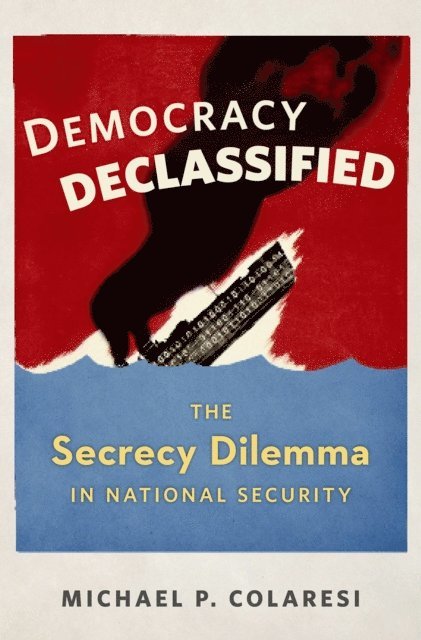
Recent scandals like WikiLeaks and Edward Snowden''s disclosure of NSA documents have brought public debates over government accountability and secrecy bubbling to the surface. How can modern democracies balance the need for privacy in delicate foreign policy matters with the necessity of openness in gaining and maintaining the trust of citizens? Democracies keep secrets from potential enemies and their citizens. This simple fact challenges the surprisingly prevalent assumption that foreign policy successes and failures can be attributed to public transparency and accountability. In fact, the ability to keep secrets has aided democratic victories from the European and Pacific theatres in World War II to the global competition of the Cold War. At the same time, executive discretion over the capacity to classify information created the opportunity for abuse that contributed to Watergate, as well as domestic spying and repression in France, Norway and Canada over the past forty years.Therefore, democracies face a secrecy dilemma. Secrecy is useful, but once a group or person has the ability to decide what information is concealed from a rival, citizens can no longer monitor that information. How then can the public be assured that national security policies are not promoting hidden corruption or incompetence? As Democracy Declassified shows, it is indeed possible for democracies to keep secrets while also maintaining useful national security oversight institutions that can deter abuse and reassure the public.Understanding secrecy and oversight in democracies helps us explain not only why the Maginot Line rose and the French Republic fell, or how the US stumbled but eventually won the Cold War, but more generally how democracies can benefit from both public consent and necessary national security secrets. At a time when ubiquitous debates over the issue of institutional accountability and transparency have reached a fever pitch, Democracy Declassified provides a grounded and important view on the connection between the role of secrecy in democratic governance and foreign policy-making.
E-bok
Engelska, 2014374 kr
Läs direkt efter köp
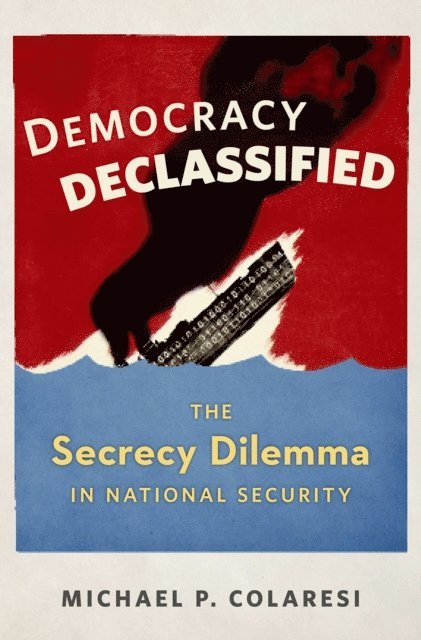
Recent scandals like WikiLeaks and Edward Snowden''s disclosure of NSA documents have brought public debates over government accountability and secrecy bubbling to the surface. How can modern democracies balance the need for privacy in delicate foreign policy matters with the necessity of openness in gaining and maintaining the trust of citizens? Democracies keep secrets from potential enemies and their citizens. This simple fact challenges the surprisingly prevalent assumption that foreign policy successes and failures can be attributed to public transparency and accountability. In fact, the ability to keep secrets has aided democratic victories from the European and Pacific theatres in World War II to the global competition of the Cold War. At the same time, executive discretion over the capacity to classify information created the opportunity for abuse that contributed to Watergate, as well as domestic spying and repression in France, Norway and Canada over the past forty years.Therefore, democracies face a secrecy dilemma. Secrecy is useful, but once a group or person has the ability to decide what information is concealed from a rival, citizens can no longer monitor that information. How then can the public be assured that national security policies are not promoting hidden corruption or incompetence? As Democracy Declassified shows, it is indeed possible for democracies to keep secrets while also maintaining useful national security oversight institutions that can deter abuse and reassure the public.Understanding secrecy and oversight in democracies helps us explain not only why the Maginot Line rose and the French Republic fell, or how the US stumbled but eventually won the Cold War, but more generally how democracies can benefit from both public consent and necessary national security secrets. At a time when ubiquitous debates over the issue of institutional accountability and transparency have reached a fever pitch, Democracy Declassified provides a grounded and important view on the connection between the role of secrecy in democratic governance and foreign policy-making.
Häftad, Engelska, 2008
518 kr
Skickas inom 7-10 vardagar
International conflict is neither random nor inexplicable. It is highly structured by antagonisms between a relatively small set of states that regard each other as rivals. Examining the 173 strategic rivalries in operation throughout the nineteenth and twentieth centuries, this book identifies the differences rivalries make in the probability of conflict escalation and analyzes how they interact with serial crises, arms races, alliances and capability advantages. The authors distinguish between rivalries concerning territorial disagreement (space) and rivalries concerning status and influence (position) and show how each leads to markedly different patterns of conflict escalation. They argue that rivals are more likely to engage in international conflict with their antagonists than non-rival pairs of states and conclude with an assessment of whether we can expect democratic peace, economic development and economic interdependence to constrain rivalry-induced conflict.
Inbunden, Engelska, 2008
1 338 kr
Skickas inom 7-10 vardagar
International conflict is neither random nor inexplicable. It is highly structured by antagonisms between a relatively small set of states that regard each other as rivals. Examining the 173 strategic rivalries in operation throughout the nineteenth and twentieth centuries, this book identifies the differences rivalries make in the probability of conflict escalation and analyzes how they interact with serial crises, arms races, alliances and capability advantages. The authors distinguish between rivalries concerning territorial disagreement (space) and rivalries concerning status and influence (position) and show how each leads to markedly different patterns of conflict escalation. They argue that rivals are more likely to engage in international conflict with their antagonists than non-rival pairs of states and conclude with an assessment of whether we can expect democratic peace, economic development and economic interdependence to constrain rivalry-induced conflict.