Michael Pfau - Böcker
Visar alla böcker från författaren Michael Pfau. Handla med fri frakt och snabb leverans.
5 produkter
5 produkter
1 177 kr
Skickas inom 5-8 vardagar
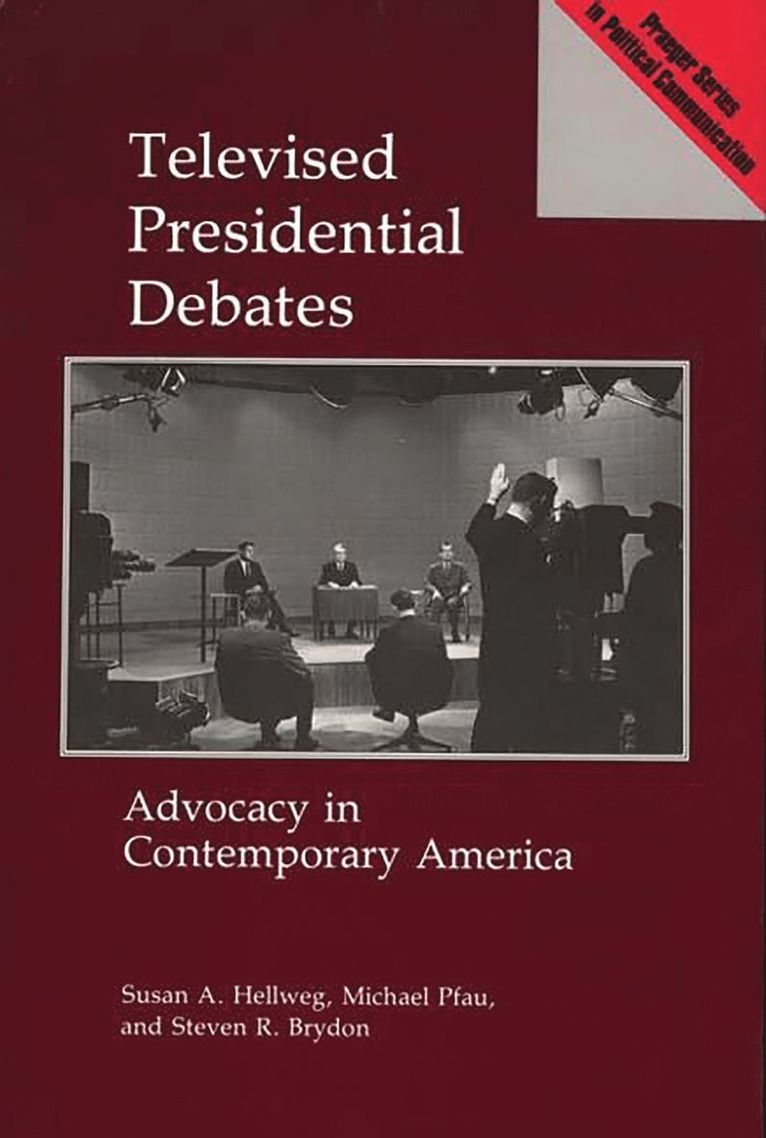
Televised debates between the nominees of the two major parties have become standard fare in contemporary presidential election campaigns. The authors of this important volume maintain that television has altered the very nature of presidential debates profoundly, that the demands of television have dictated the structure and formats of contemporary debates, and that the visual content of presidential debates plays an important role in the way that candidates exercise influence in televised debates. This important work employs a television perspective in examining the sponsorship, formats, nature, and impacts of presidential debates, stressing the 1960, 1976, 1980, 1984, and 1988 debates. The authors assert that in order to understand contemporary political debates, one must understand how television communicates and exercises influence in this context.Hellweg, Pfau, and Brydon integrate contemporary theory and research about the television medium and influence with extensive research on presidential debates. Specific topics include how presidential debates have evolved as a function of the participation of the broadcast industry, how debates are structured to fit the demands of the television medium, how candidates' verbal messages must be tailored to the medium, how candidates' visual messages are defined through the medium, and the persuasive effects of mediated debates. Televised Presidential Debates will be particularly useful to scholars and students of political communication, campaigns and elections, and mass media.
With Malice Toward All?
The Media and Public Confidence in Democratic Institutions
Inbunden, Engelska, 2000
1 009 kr
Skickas inom 10-15 vardagar
Public opinion polls point to a continuing decline in confidence in the Presidency, court system, Congress, the news media, state government, public education, and other key institutions. Moy and Pfau analyze the reasons for this crisis of confidence, with particular attention to the role of the media.Moy and Pfau examine the impact of sociodemographic factors, political expertise, and use of communication media on people's perceptions of confidence in democratic institutions. Their conclusions are based on two years of data collection. In three waves between 1995 and 1997, they conducted a series of content analyses of media depictions of democratic institutions in conjunction with general survey data. The result is one of the most comprehensive examinations ever conducted on the influence of the media on public confidence. It will be of great value to scholars, researchers, students, and professionals in government and the media.
With Malice Toward All?
The Media and Public Confidence in Democratic Institutions
Häftad, Engelska, 2000
474 kr
Skickas inom 10-15 vardagar
Public opinion polls point to a continuing decline in confidence in the Presidency, court system, Congress, the news media, state government, public education, and other key institutions. Moy and Pfau analyze the reasons for this crisis of confidence, with particular attention to the role of the media.Moy and Pfau examine the impact of sociodemographic factors, political expertise, and use of communication media on people's perceptions of confidence in democratic institutions. Their conclusions are based on two years of data collection. In three waves between 1995 and 1997, they conducted a series of content analyses of media depictions of democratic institutions in conjunction with general survey data. The result is one of the most comprehensive examinations ever conducted on the influence of the media on public confidence. It will be of great value to scholars, researchers, students, and professionals in government and the media.
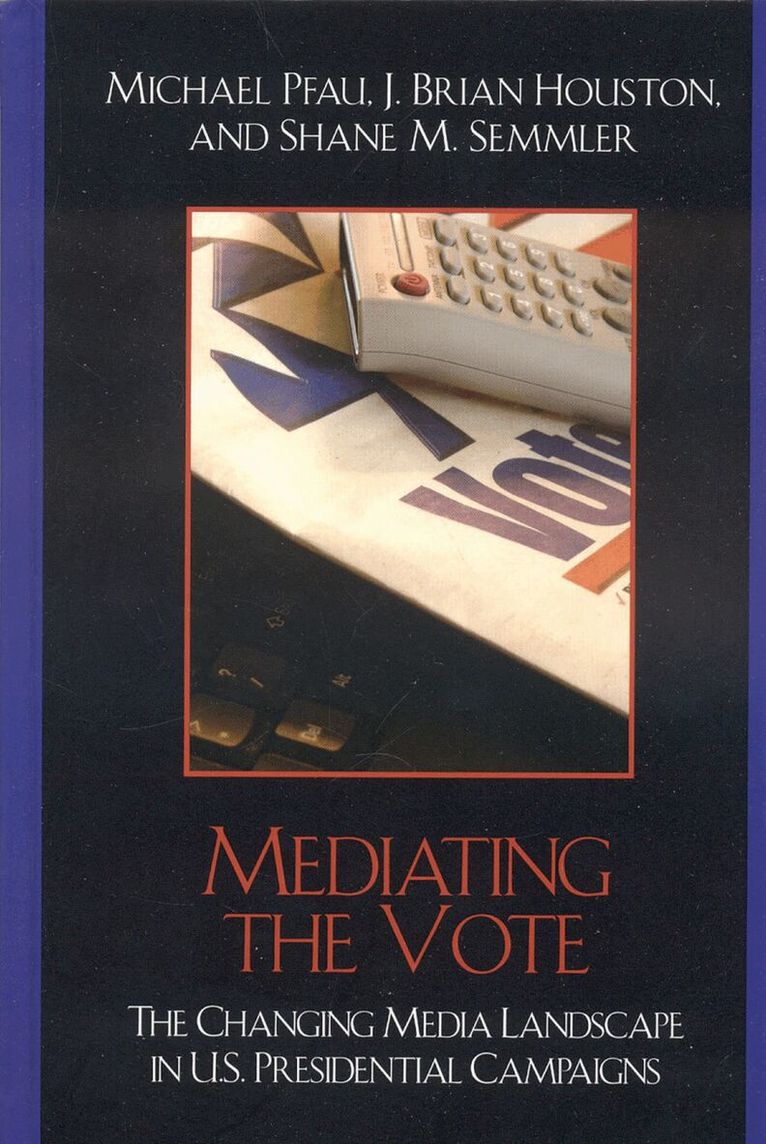
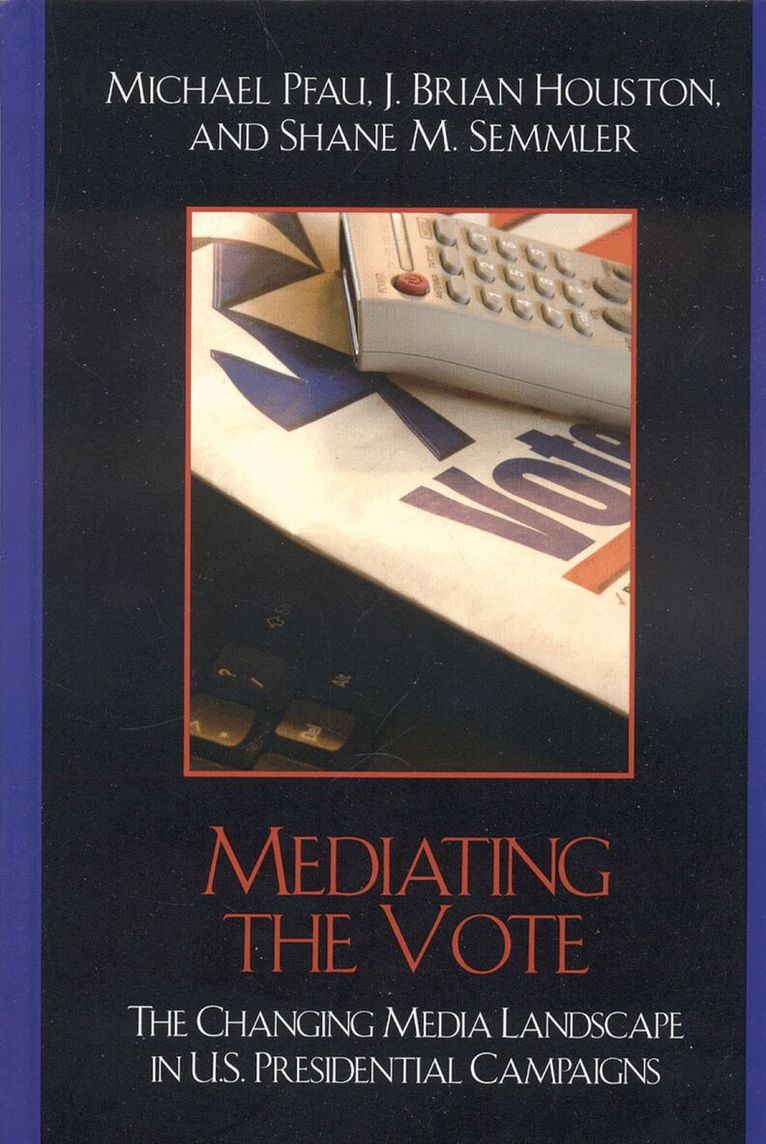
Mediating the Vote
The Changing Media Landscape in U.S. Presidential Campaigns
Inbunden, Engelska, 2006
1 719 kr
Skickas inom 5-8 vardagar
A sea change is taking place in how people use media, and it affects not only how people perceive political candidates and where they get their information, but also_more broadly_their basic democratic values. Mediating the Vote systematically explores a number of questions about media use and its relation to democratic engagement, analyzing the effects of communication forms on the 2004 presidential elections. Are Democratic and Republican voters increasingly turning to different outlets for information about candidates and campaigns and, if so, what does this mean for political discourse? Which communication forms_newspapers, television news programs, the Internet, or films_had the greatest impact on people's perceptions of the presidential candidates during the 2004 campaigns? Do different forms of media affect people, either intellectually or emotionally, in distinct ways? And do some communication forms elevate, whereas others degrade, basic democratic values? This book probes these questions and more, and the results contribute to an important goal in political communication studies: creating a more refined, integrated, and_ultimately_precise picture of how media affects democratic engagement.
665 kr
Skickas inom 5-8 vardagar
A sea change is taking place in how people use media, and it affects not only how people perceive political candidates and where they get their information, but also_more broadly_their basic democratic values. Mediating the Vote systematically explores a number of questions about media use and its relation to democratic engagement, analyzing the effects of communication forms on the 2004 presidential elections. Are Democratic and Republican voters increasingly turning to different outlets for information about candidates and campaigns and, if so, what does this mean for political discourse? Which communication forms_newspapers, television news programs, the Internet, or films_had the greatest impact on people's perceptions of the presidential candidates during the 2004 campaigns? Do different forms of media affect people, either intellectually or emotionally, in distinct ways? And do some communication forms elevate, whereas others degrade, basic democratic values? This book probes these questions and more, and the results contribute to an important goal in political communication studies: creating a more refined, integrated, and_ultimately_precise picture of how media affects democratic engagement.